







Antique Floral Runner Rug
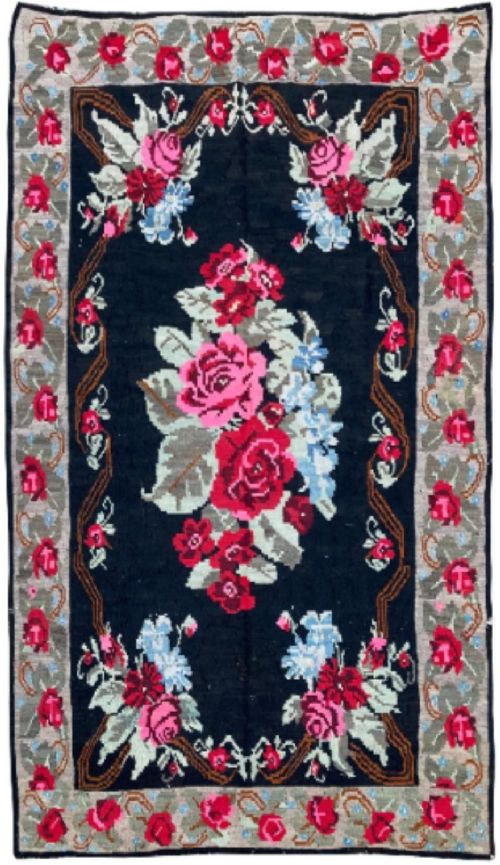
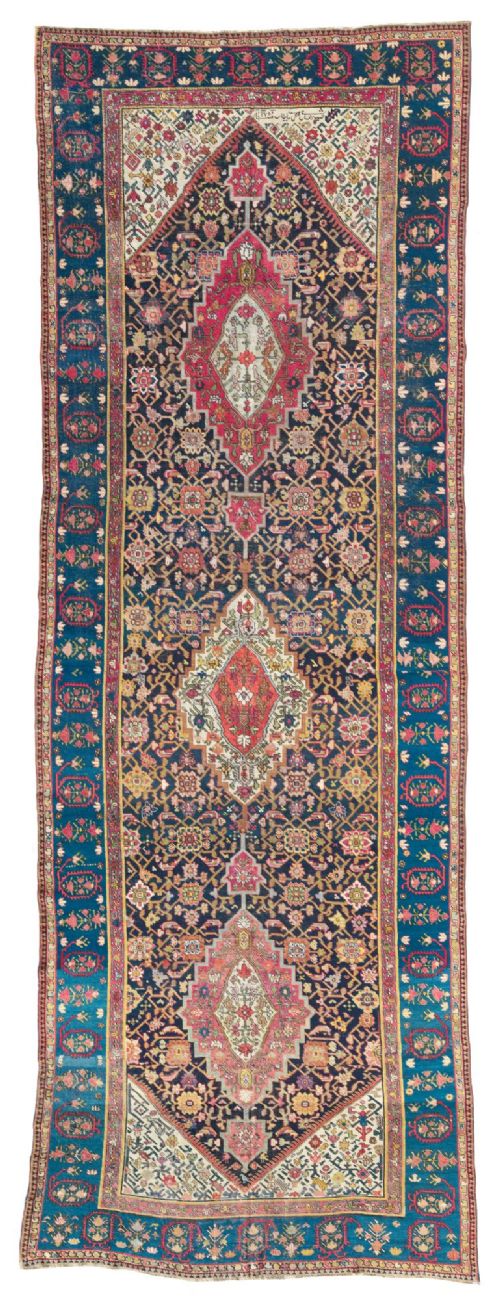
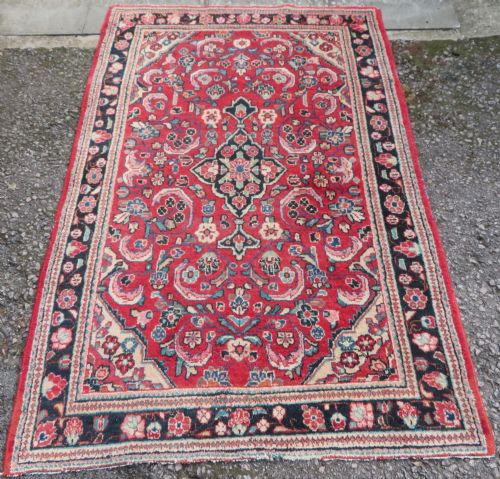
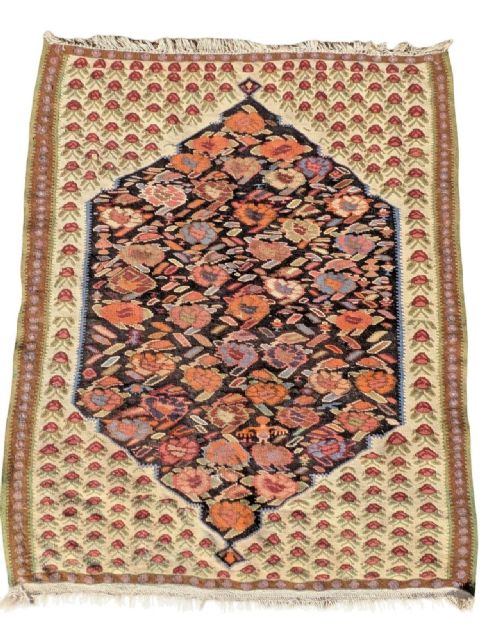
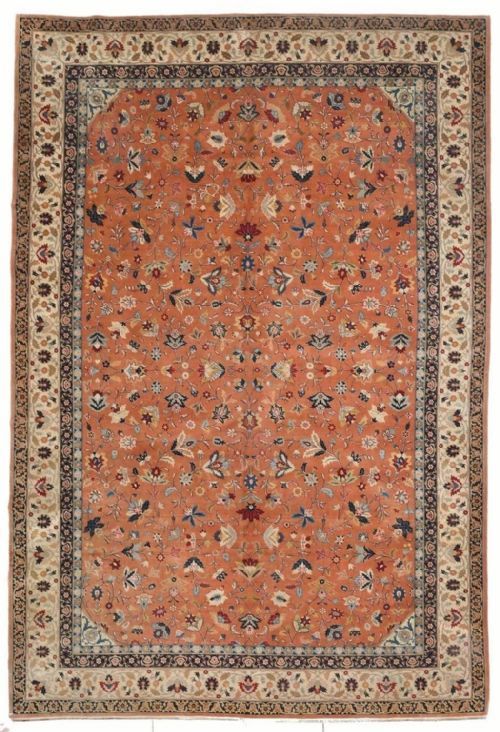
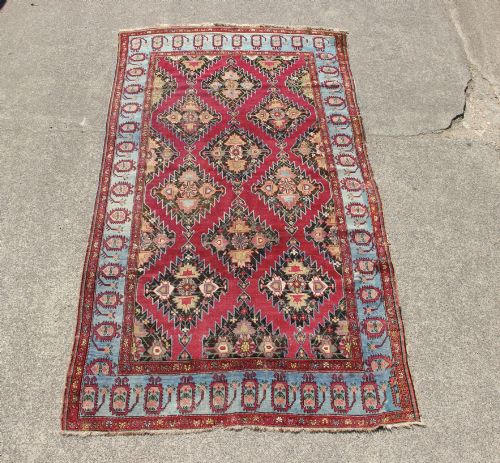
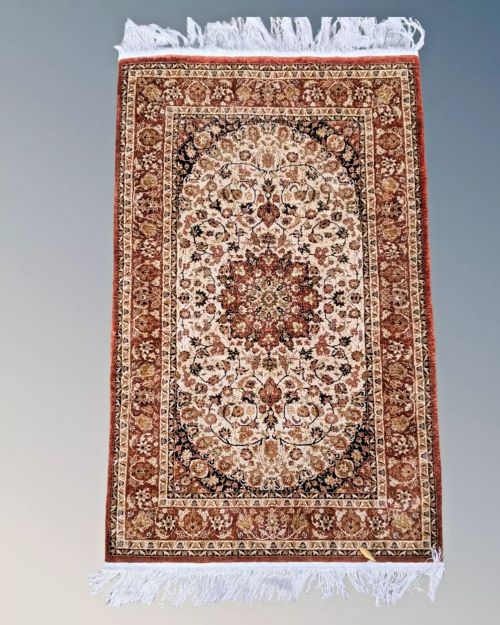
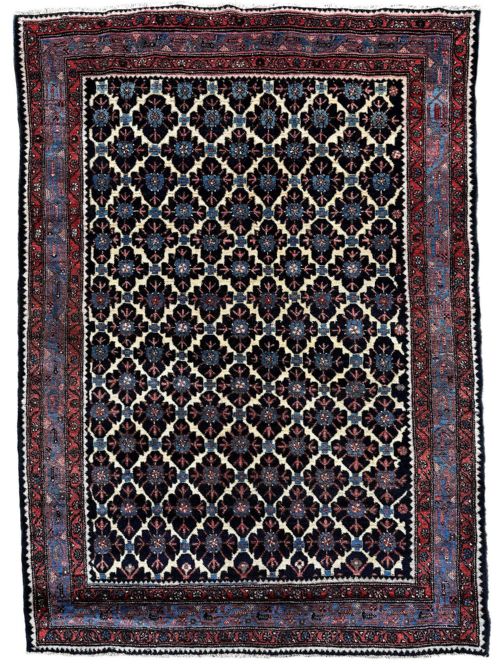
An antique floral runner rug brings long, patterned warmth to a hallway, drawing the eye along intricate botanical paths woven in wool or silk.
Antique Floral Runner Rug
When someone searches for an antique floral runner rug, they encounter elongated textile floor coverings designed for corridors and narrow spaces. These pieces span production from the nineteenth century into the early twentieth century, originating primarily from Persian, Caucasian, and Ottoman weaving traditions.
The inventory on this page ranges from village carpets and nomadic kilims to fine city workshops. Buyers meet narrow formats such as Sarouk runners alongside broader tribal compositions from regions like Hamadan and Bakhtiari.
Botanical motifs dominate these compositions, translating garden scenes and floral vases into repeating medallions and border vines. The formats adapt traditional weaving methods to linear interior spaces without losing regional character.
Materials and Construction
The foundation of these textiles relies on wool, cotton, and occasionally jute or burlap for structural warps and wefts. Weavers knot pile yarns by hand onto these supportive foundations, using wool as the primary surface material alongside accents of silk and metallic thread.
Certain pieces utilise flatweave techniques rather than a cut pile, creating kilims and embroidered fragments that showcase surface pattern directly on a felt or wool ground. Natural dyestuffs impart deep tones of red, blue, and earthy neutrals that age gracefully across decades.
Detail work involves precise knotting densities that allow intricate floral sprays and geometric borders to maintain crisp outlines. Regional workshops and nomadic households apply distinct finishing edges and selvages to secure the long sides of each runner.
Origins represented include Persian city and village workshops, Caucasian regions, Bessarabia, India, and Ottoman Turkey.
Quality Variations
The distinction between standard examples and exceptional work rests on the fineness of the knotting and the clarity of the botanical design. Superior runners display precise symmetry in their floral medallions and a tight, dense handle that withstands heavy foot traffic.
The choice of materials also divides the range, with select pieces incorporating fine silk highlights or metal threads alongside high-grade wool. Master weavers achieve a greater saturation of colour and subtlety of shading that elevates the visual depth of the central field.
The Antique Floral Runner Rug Glossary
- Runner
- A long, narrow carpet format specifically suited for hallways, corridors, and stairs. This shape guides movement through domestic spaces.
- Kilim
- A flatwoven textile lacking a raised pile, produced by tightly interweaving warp and weft threads to create geometric and floral patterns.
- Kelleh
- A large rectangular carpet format, broader than a runner yet longer than a standard room-size rug, common in Persian weaving.
- Warp
- The stationary vertical threads stretched onto a loom that form the structural skeleton of a woven rug. Fringe ends typically originate from these parallel threads.
- Weft
- The horizontal threads passed alternately over and under the warp strands to lock knots and structural rows firmly in place.
Antique Floral Runner Rug: Frequently Asked Questions
Where should I place a runner rug?
These elongated textiles suit narrow architectural spaces such as hallways, corridors, and entrance foyers where linear floor coverage enhances the room.
They also function effectively alongside kitchen islands or beside beds, providing soft texture underfoot in high-traffic zones.
How do I care for antique wool rugs?
Regular gentle vacuuming without a rotating brush roll removes embedded dust and protects the delicate wool or silk pile from premature wear.
Professional specialist cleaning remains essential for addressing deeper soil and maintaining the integrity of natural botanical dyes.
What regions produced these runners?
The pieces originate from traditional weaving centres across Persia, the Caucasus, and Ottoman territories, each region imparting distinct design vocabulary.
Village workshops like Sarouk, Bidjar, and Hamadan contributed robust structures, while urban centres produced finer, intricate floral compositions.
How can I tell the age of a rug?
Examination of the natural dyes, hand-spun wool characteristics, and regional weaving structures helps establish the approximate period of manufacture.
Wear patterns, variations in border symmetry, and the specific palette of vegetable colours further guide collectors in dating each textile.