
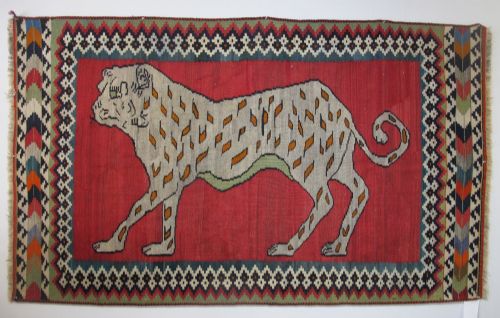
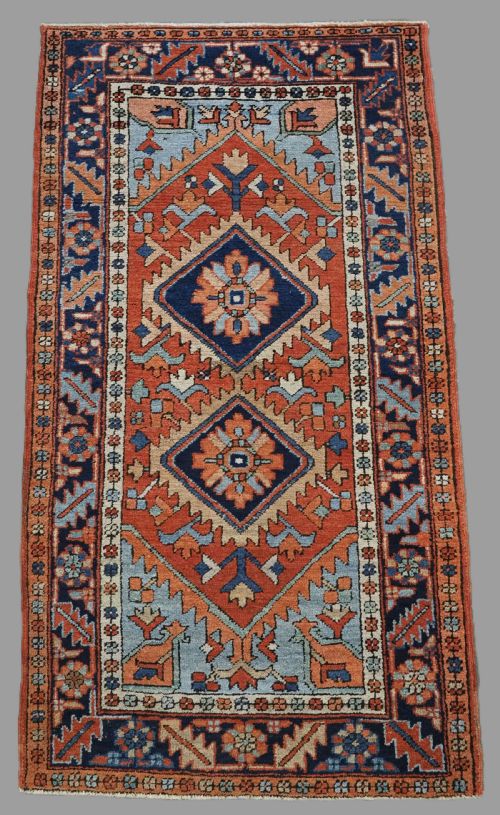
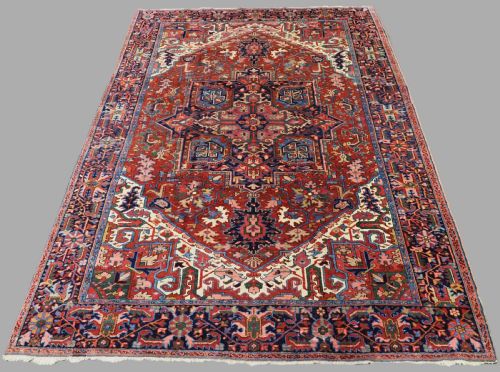


1900s Persian Carpet
A 1900s persian carpet brings woven character and rich regional design into a room, offering authentic hand-knotted textiles from the turn of the twentieth century.
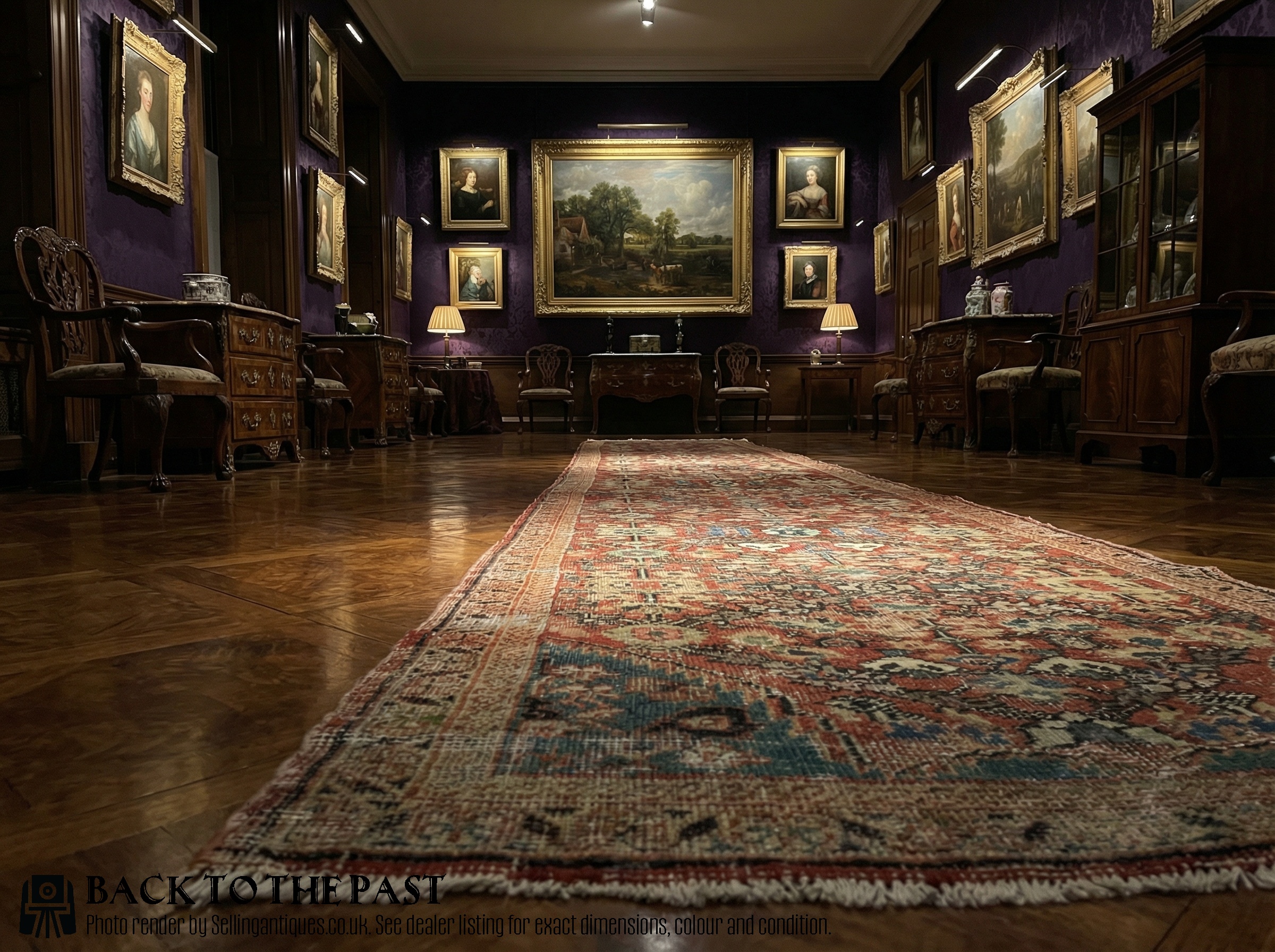
1900s Persian Carpet
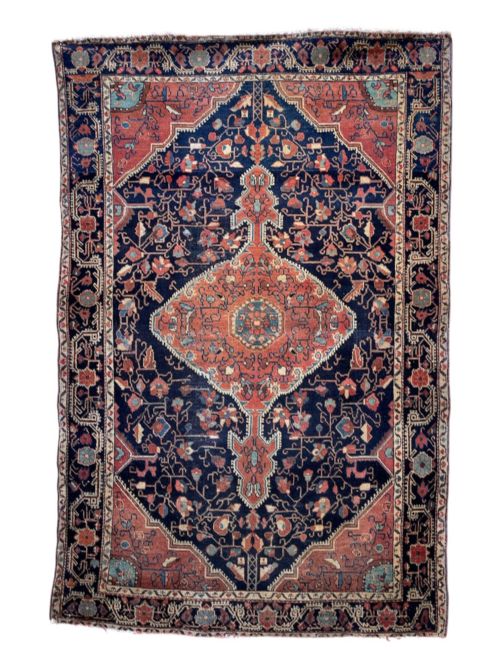
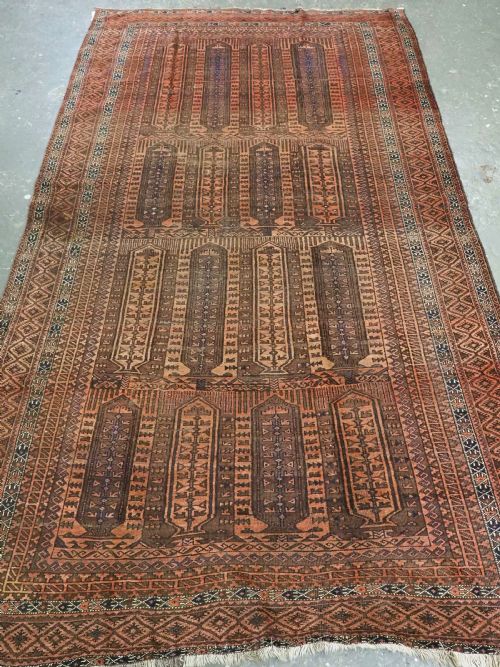
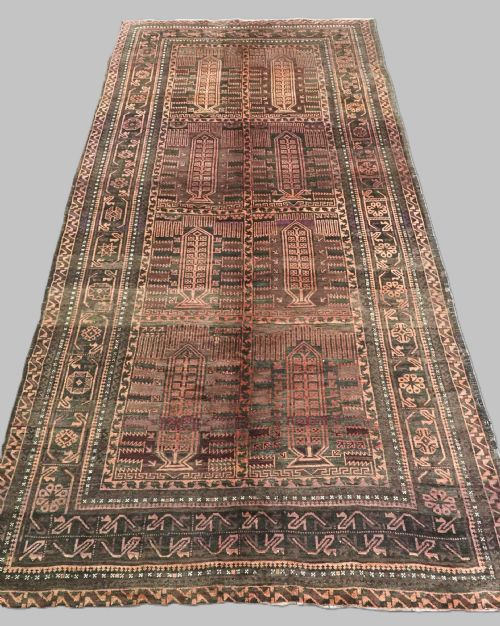
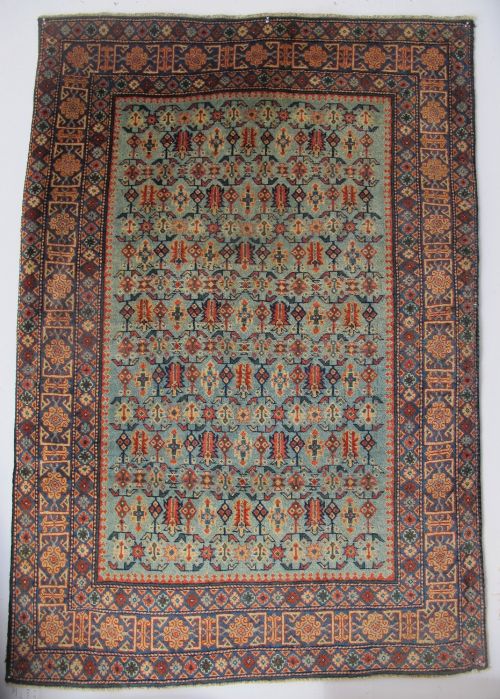
A 1900s persian carpet encompasses hand-knotted room-size carpets, small tribal rugs, and long hallway runners created across various weaving centres and nomadic regions around 1900. These floor coverings bridge traditional village motifs and refined city workshop designs from a period spanning roughly 1900 to 1920.
Buyers exploring this category encounter diverse regional groups, including Heriz, Isfahan, Tabriz, Mahal, and Sarouk pieces, alongside nomadic and tribal works such as Baluch, Qashqai, and Afshar weaves. The predominant format on this page is the individual antique rug or runner, suited for practical placement in hallways, studies, and reception rooms.
The aesthetic ranges from bold geometric medallions and all-over shrub patterns to intricate floral arrangements and prayer designs. Each piece reflects the specific cultural heritage and weaving traditions of the Persian, Kurdish, Afshar, or Baluch makers who produced them.
How they were made
Weavers constructed these textiles primarily using wool foundations and pile, often supplemented with cotton warps and occasional use of camel hair, goat hair, or silk for specific textural effects and highlights. Natural dyes provided the foundational palette, yielding deep abrash tones, soft indigos, rich aubergines, and warm camel grounds that mature gracefully over decades.
The structural technique relies on hand-knotting wool onto warp and weft threads, creating a dense, durable pile designed to withstand generations of daily use. Flatwoven kilims and prayer rugs utilise specific tapestry or knotted techniques without a deep pile, resulting in lighter, versatile textiles.
1900s Persian Carpet Retail Price Guide 2026
Typical asking prices for 1900s persian carpet among the pieces listed under this phrase on Sellingantiques today, from the lower quarter to the upper quarter. They describe what is for sale here now, not the wider market.
Listings feature pieces utilising wool, cotton, natural dyes, goat hair, silk, and camel hair across the 1900, 1910, and 1920 periods.
What varies in quality
Quality in a 1900s persian carpet depends heavily on the finesse of the knot density, the artistry of the design execution, and the depth achieved through natural dyeing methods. Finer city workshop carpets like Tabriz or Isfahan demonstrate intricate precision and sophisticated floral compositions, whereas tribal pieces derive their appeal from spontaneous geometry and rustic charm.
The preservation of the original wool pile, side cordings, and end finishes dictates the structural integrity of the textile. Pieces retaining rich, uncompromised colour variation and balanced proportions stand apart from examples showing extensive fibre loss or heavy chemical intervention.
The 1900s Persian Carpet Glossary
- Abrash
- Natural colour variation within the same hue caused by changes in dye batches or hand-spun wool. This subtle striping or shading adds organic depth to antique Persian carpets.
- Boteh
- An ancient almond-shaped or paisley motif representing a floral spray, cypress tree, or flame. It appears frequently across regional Persian and Caucasian weavings.
- Gul
- A medallion or repeating octagonal floral motif characteristic of Turkmen and Baluch tribal carpets. The term translates roughly to flower or rose.
- Medallion
- A large central ornamental design anchored in the middle of the carpet field. It serves as the primary focal point in many classic Persian and Heriz weaves.
- Warp
- The stationary vertical threads stretched tightly on the loom that carry the structural weight of the rug. The exposed ends of these threads often form the fringe.
1900s Persian Carpet: Frequently Asked Questions
How do I clean a vintage carpet?
Regular gentle vacuuming without a rotating brush bar prevents dirt from settling into the wool pile of a 1900s persian carpet.
Professional specialist cleaning is essential for addressing deeper stains or general washing to protect the natural dyes and delicate foundations.
Can these rugs go in hallways?
Narrow runner formats and long village rugs function exceptionally well in high-traffic corridors and staircases.
Selecting a sturdy underlay prevents slipping and cushions the wool against hard flooring.
Are natural dyes easy to spot?
Natural dyes present subtle tonal variations and gentle fading that harmonize gracefully across the surface of the wool.
Synthetic dyes introduced around this period often appear more uniform and can bleed or harsh-edge when exposed to moisture.