

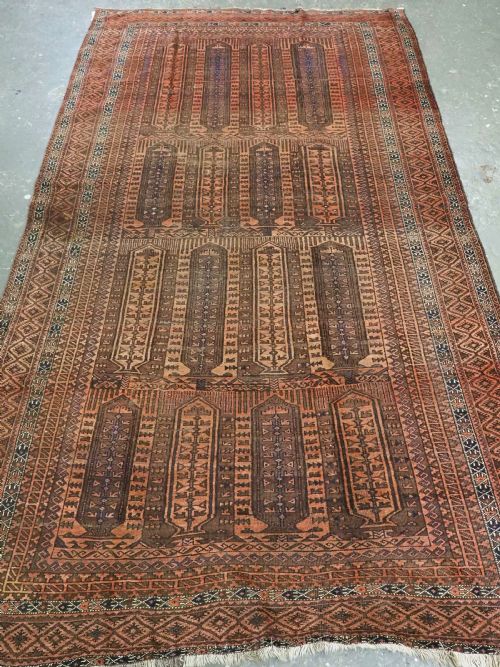
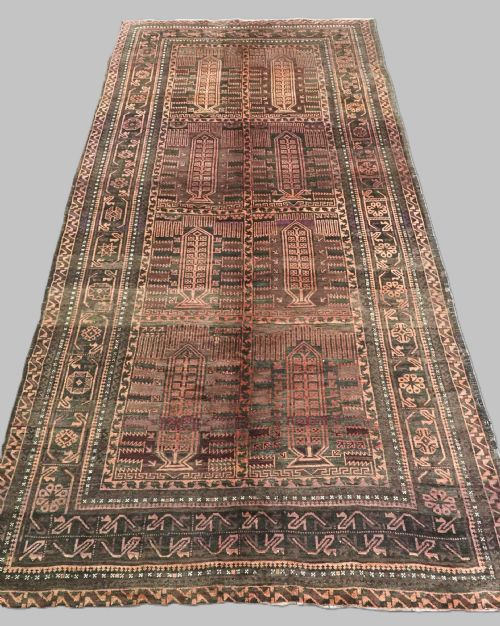
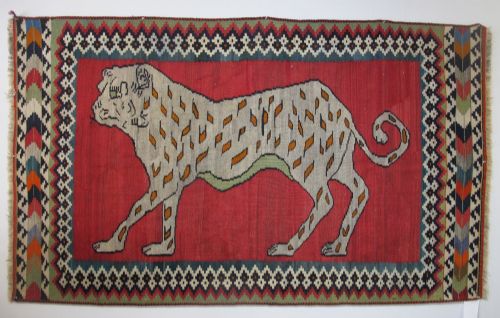
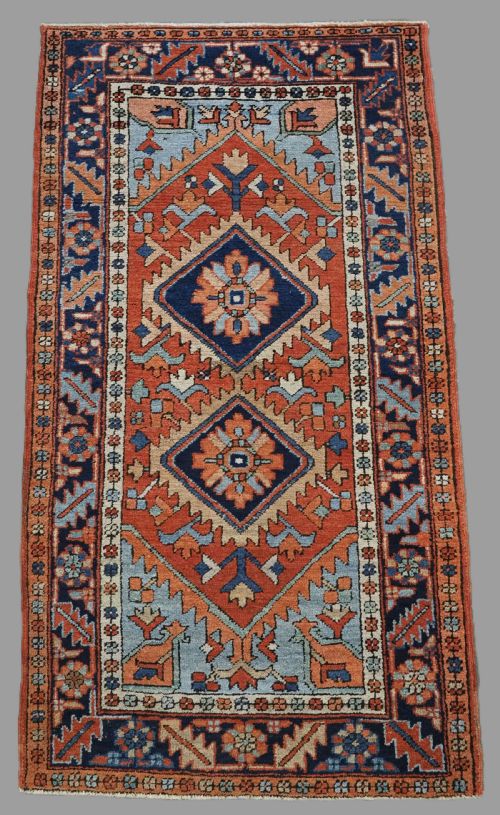


1900s Tribal Carpet
When you unfold a 1900s antique tribal carpet, you touch the nomadic history and geometric storytelling of Persian, Caucasian, Anatolian, and Turkmen weavers.
1900s Tribal Carpet
A 1900s antique tribal carpet encompasses hand-knotted room-sized carpets, runners, and specialised prayer rugs originating from pastoral and nomadic groups across Central Asia, Persia, the Caucasus, and Anatolia. These pieces served practical domestic purposes in tribal tents and dwellings, carrying traditional motifs that identified specific clans and regional weaving heritages.
The selection you will encounter most frequently on this page includes Baluch regional variations such as Mahdad Khani, Salar Khani, and Taimani rugs, alongside Turkmen tribal weaves like Yomut, Ersari, and Tekke ensis. Alongside these, Persian Qashqai and Kurdish pieces, plus Caucasian runners and Karabagh region formats, form the core of the available nomadic textiles from around 1900.
Materials and construction
Nomadic weavers constructed these textiles using locally sourced sheep wool for the pile and foundation yarns, often supplemented with goat hair or camel hair for structural durability along the selvedges and outer fringes. Cotton also appears in foundation warps and wefts, particularly in pieces originating from settled or semi-nomadic workshops in Persia and the Caucasus.
The characteristic warmth and depth of colour found in these carpets stem from natural dyes derived from plants, roots, and insects, applied before synthetic aniline dyes became widespread in the early twentieth century. Weavers tied dense asymmetrical or symmetrical knots onto wool or cotton foundations, producing resilient flatweaves, kilims, and pile carpets designed to endure generations of heavy floor use.
Available forms range from large room-sized carpets and hallway runners to compact prayer rugs, kilims, and long rugs with repeating medallions and boteh motifs.
Assessing quality
Quality in a nomadic textile rests upon the tightness of the weave, the integrity of the structural foundation, and the harmonious balance of natural colours across the field. Finer knot densities allow intricate geometric designs and medallions to resolve with crisp precision, whereas looser structures yield softer, more rustic interpretations of traditional tribal patterns.
The preservation of original wool pile, intact borders, and uncompromised selvedges distinguishes superior examples from heavily restored or worn specimens. Furthermore, the complexity and rarity of specific tribal designs, such as multi-mihrab prayer formats or scarce white-ground stripes, elevate an individual piece within its regional class.
The 1900s Tribal Carpet Glossary
- Gul
- A primary octagonal or ghouled medallion motif frequently repeated across Turkmen and Baluch tribal carpets. Each distinct gul pattern traditionally represented a specific clan or tribal subdivision.
- Mihrab
- A niche design mirroring the architectural prayer arch found in mosques, commonly oriented towards Mecca on Islamic prayer rugs. Baluch and Caucasian prayer rugs often feature single, double, or triple variations of this arch.
- Kilim
- A tapestry-woven, flat-faced textile produced without a raised pile. These lightweight pieces function as floor coverings, covers, or decorative hangings across Anatolian, Persian, and Turkmen traditions.
- Boteh
- A stylised almond, pear, or floral motif with a curved upper end, widely incorporated into Persian and Caucasian tribal designs. This ancient symbol represents fertility, life, and eternity in Near Eastern textile art.
- Ensi
- A specific carpet format traditionally utilised as a tent door hanging by Turkmen tribes, particularly the Tekke. They typically feature a characteristic four-part cruciform design dividing the central field.
1900s Tribal Carpet: Frequently Asked Questions
How do I clean an antique tribal rug?
Gentle surface cleaning and occasional professional immersion washing designed for antique wool textiles preserve the natural lanolin and vegetable dyes. Avoid harsh chemical detergents and abrasive mechanical scrubbing that can strip the fibres.
Regular light vacuuming without a rotating power brush prevents dust accumulation within the wool pile. For spills, blot immediately with a clean, damp cloth without rubbing the affected area.
Can I use these rugs in high-traffic hallways?
Many of these pieces, particularly sturdy Caucasian runners and dense Baluch formats, were built by nomadic weavers for demanding everyday use. Placing a breathable, high-quality rug underlay beneath the carpet prevents slippage and absorbs impact.
Avoid positioning delicate kilims or low-pile prayer rugs in damp areas or zones exposed to constant heavy foot traffic. Rotating the carpet periodically ensures even wear patterns across the field over years of domestic use.
What is the difference between a Baluch and a Turkmen rug?
Baluch rugs originate from pastoral groups inhabiting the borderlands of modern Afghanistan, Iran, and Pakistan, typically displaying darker aubergine, brown, or indigo grounds with distinctive box medallions and prayer niches. Turkmen carpets, woven by tribes such as the Tekke, Yomut, and Ersari, frequently showcase rich madder-red palettes dominated by repeated octagonal gul motifs.
While both traditions utilise resilient wool and natural dyes, their structural proportions, secondary border designs, and tribal iconography separate the two distinct cultural groups.
How do I identify a prayer rug?
Prayer rugs feature a prominent arched architectural motif, known as a mihrab, at one or both ends of the central field. These specialised formats were historically carried by nomads for daily religious observance while travelling.
Examples on this page include single, double, and triple mihrab designs created by Baluch and Qashqai weavers. The niche directs the user's focus during prayer, distinguishing these smaller formats from large room-sized carpets and long runners.