

Hand Knotted Turkmen Rug
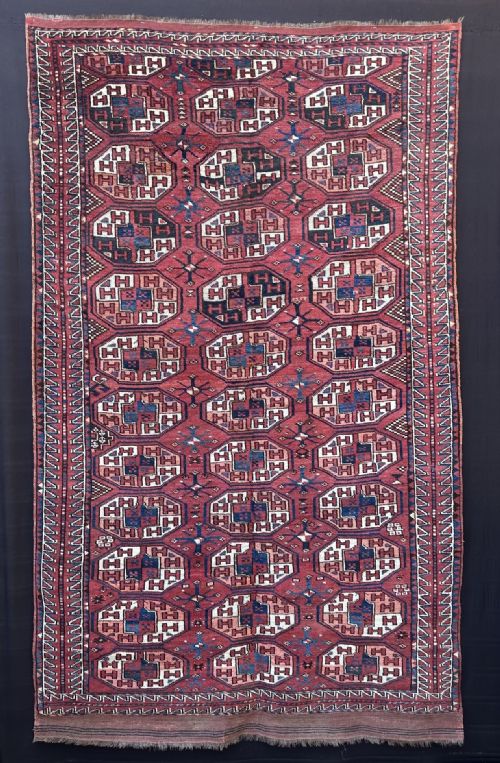
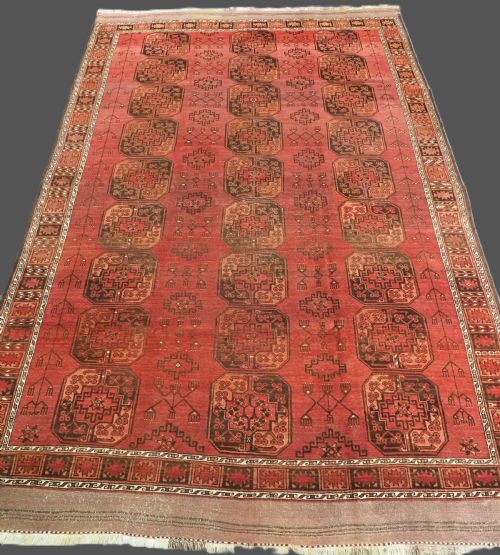
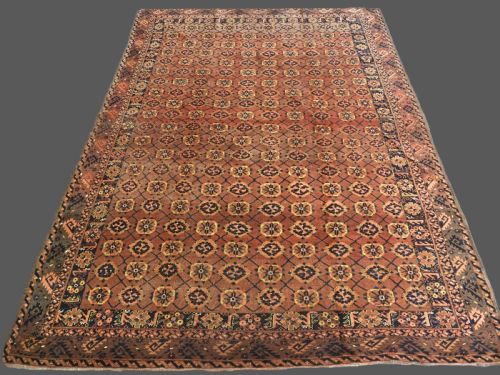
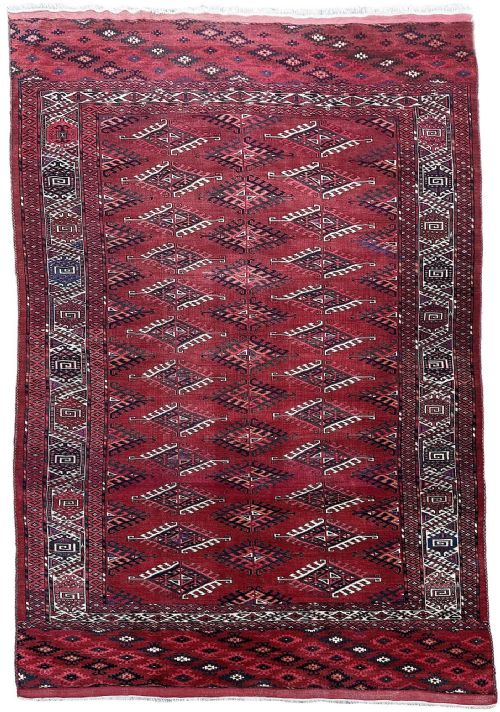
When you search for hand knotted turkmen rug, you enter a world of tribal textile tradition defined by deep reds and geometric guls.
Hand Knotted Turkmen Rug
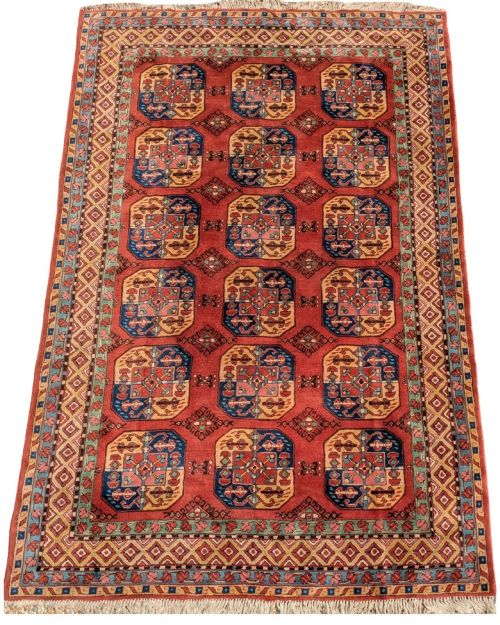
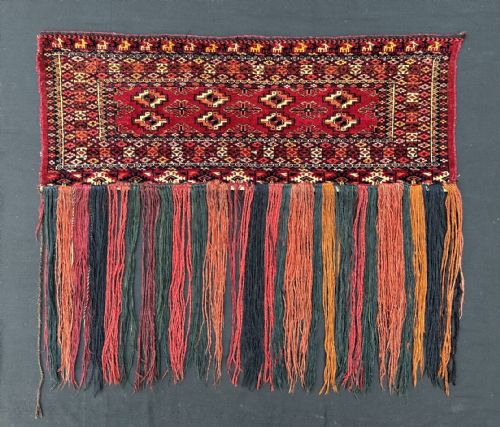
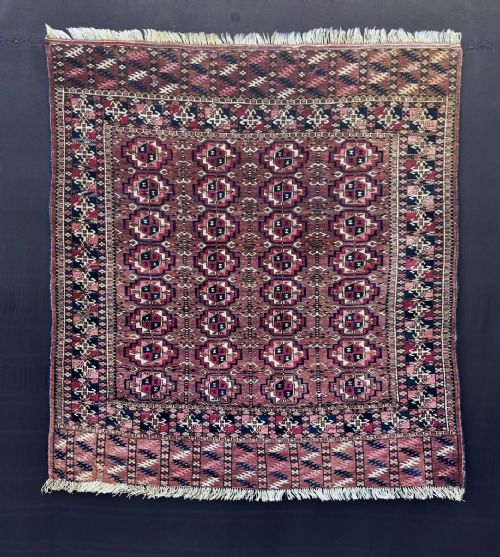
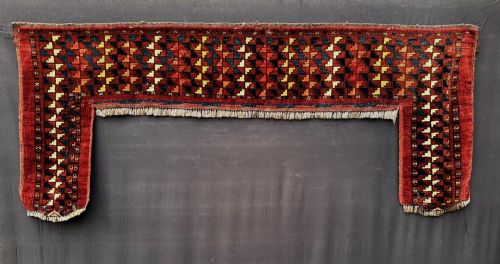
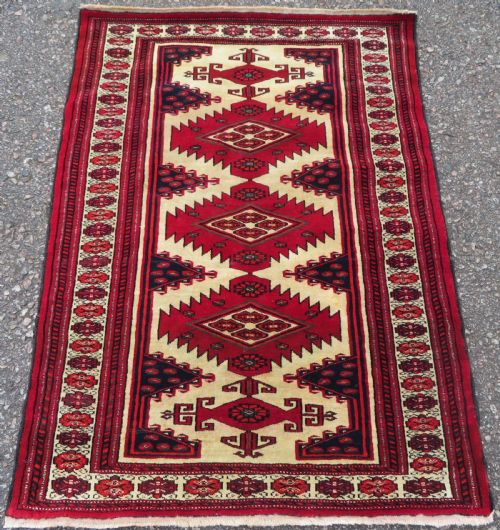
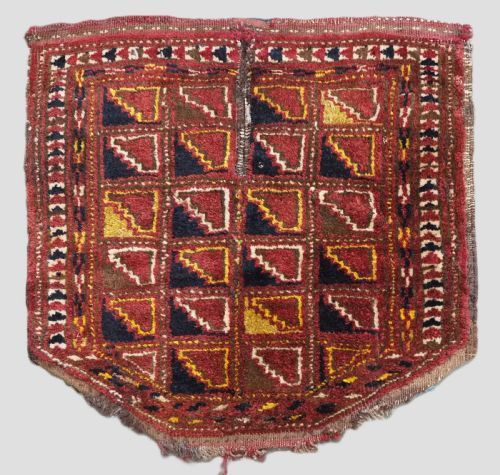
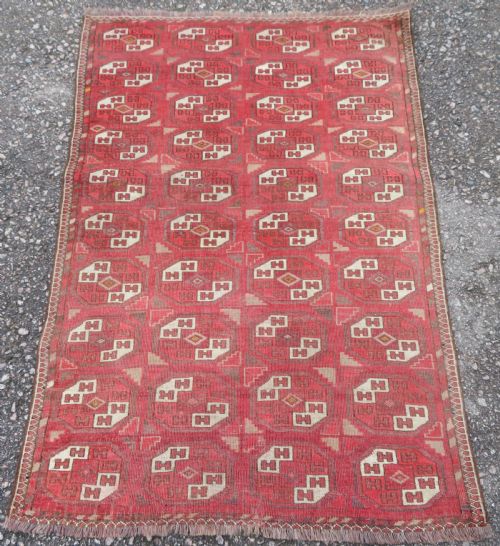
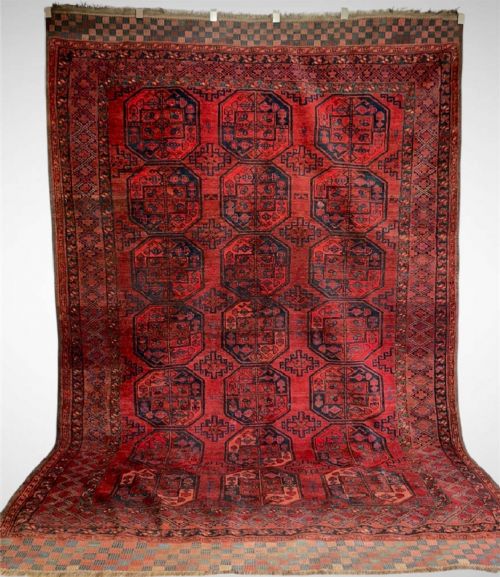
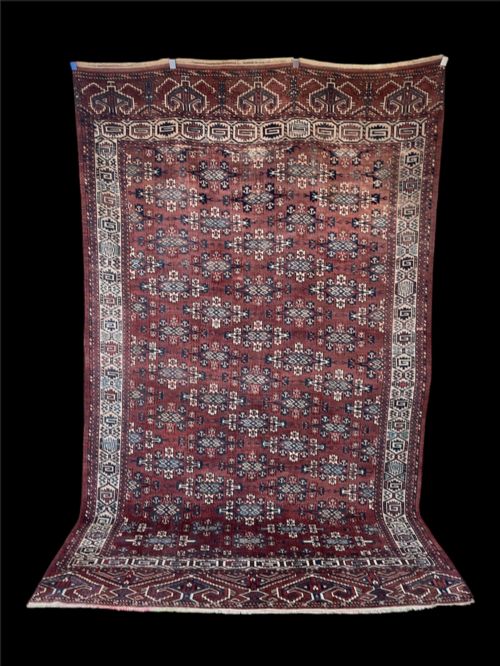
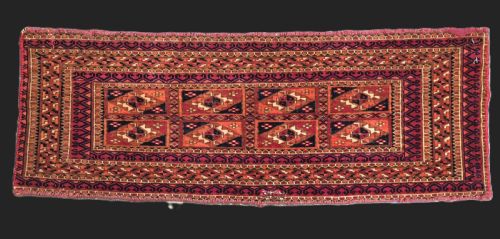
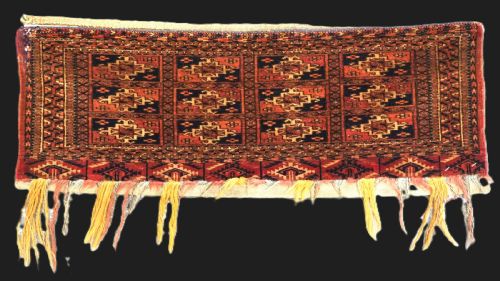
Main carpets and large floor coverings appear alongside smaller domestic items like torbas, chuvals, and engsis. These smaller formats served practical nomadic purposes within tribal dwellings, functioning as storage bags or tent door hangings. Each piece reflects the distinct visual vocabulary and weaving heritage of its specific Central Asian region.
Assessing quality and execution
Knot density and structural fineness distinguish the finest weaving, particularly visible in early Tekke and Yomut examples where the pile is exceptionally tightly packed. The precision of the geometric layout and the clarity of the gul design also dictate the standard of execution.
The integrity of the natural dyes determines visual depth, with superior pieces displaying rich, saturated tones that have aged with harmonious complexity. Preservation of original borders, plain weave backs, and complete formats significantly enhances the standing of any textile.
Object forms include main carpets, prayer rugs, tent door hangings, and various storage bags.
The Hand Knotted Turkmen Rug Glossary
- Gul
- The repeated octagonal medallion motif characteristic of Central Asian tribal weaving. Different tribes utilised distinct gul designs to signal identity and heritage.
- Chuval
- A large tent storage bag traditionally used for household goods and bedding. They display field patterns similar to those found on full-sized main carpets.
- Engsi
- A specialised tribal rug hung over the interior doorway of a tent or yurt. They typically feature a cross-shaped division separating the field into distinct panels.
- Ersari
- One of the major Turkmen tribal groups known for producing expansive main carpets and prayer rugs. Their work often incorporates bold, large-scale motifs and varied palette choices.
Hand Knotted Turkmen Rug: Frequently Asked Questions
What is a gul on a rug?
A gul is the primary medallion motif repeated across the field of tribal carpets. It acts as an emblem identifying the specific tribe or clan that made the textile.
These motifs follow strict geometric structures handed down through generations of weavers. Variations in the shape and internal drawing of the gul help identify whether a piece originates from Tekke, Yomut, or Ersari weavers.
Where were these rugs made?
Nomadic and settled tribal groups produced these textiles across Central Asia, spanning regions that include modern Turkmenistan, the Amu Darya basin, and surrounding steppes. Local populations relied on locally sourced wool and traditional dyeing techniques.
Weavers worked within specific tribal territories, utilising local design repertoires influenced by geography and ancestral customs.
Can these antique rugs be used on the floor?
Many historical main carpets and large room-sized pieces were built for heavy domestic use and remain durable enough for light floor placement today. High wool density and robust knotting provide natural resilience.
Fragile fragments, delicate dowry pieces, and small bag faces like torbas are better suited to wall display to protect their structure from excessive wear.