


18th Century Wine Bottle
These pieces for an 18th century wine bottle search are genuine vessels and containers designed for serving and storing old vintages.
18th Century Wine Bottle
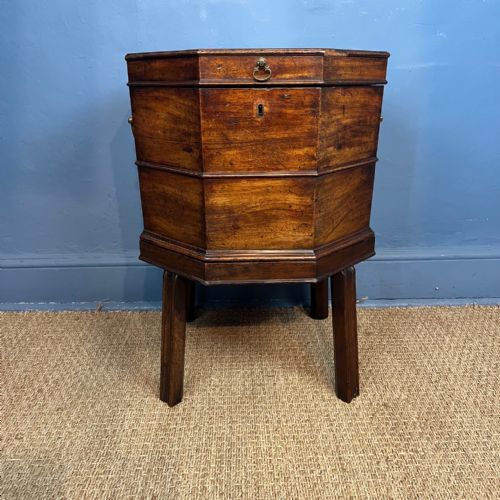
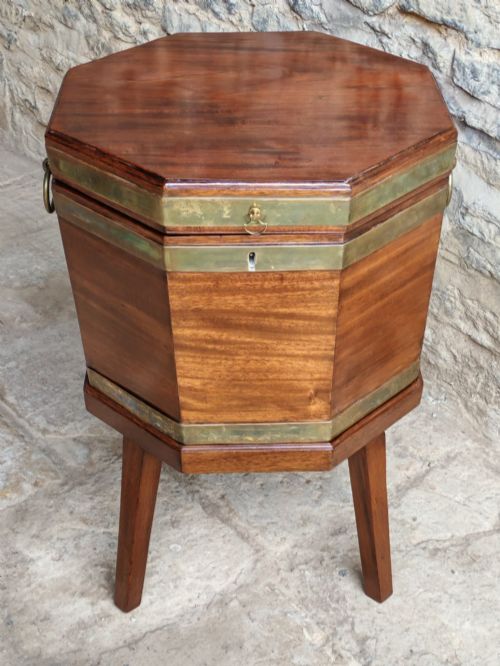
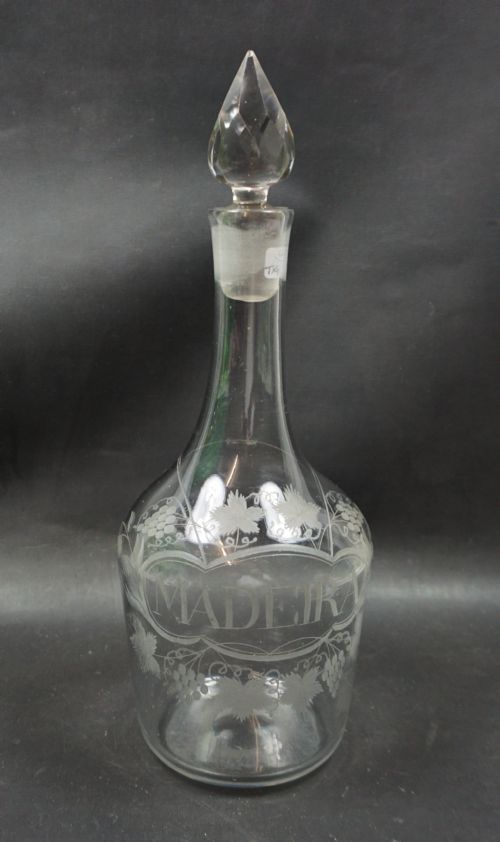
An 18th century wine bottle search encompasses a diverse array of items intended for the storage, cooling, and serving of vintage drink during the Georgian era. Buyers encounter heavy glass bottles, hand-blown glass vessels, and substantial mahogany cellarettes designed to house multiple containers.
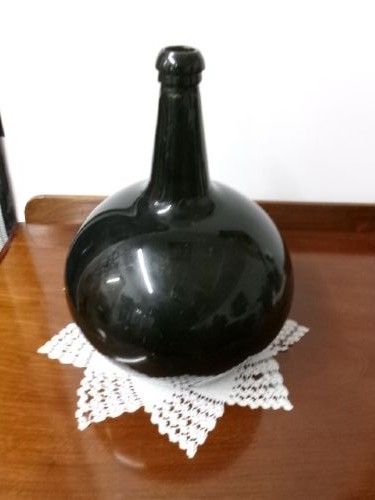
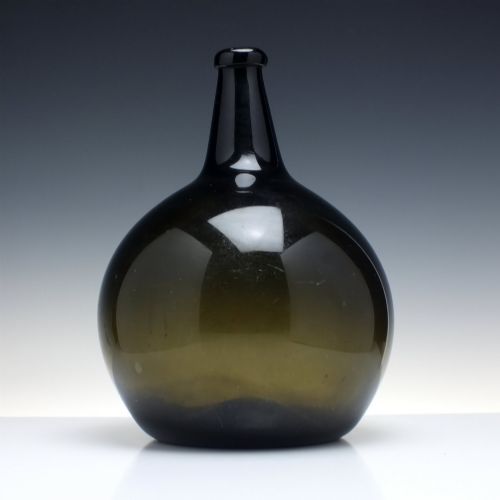
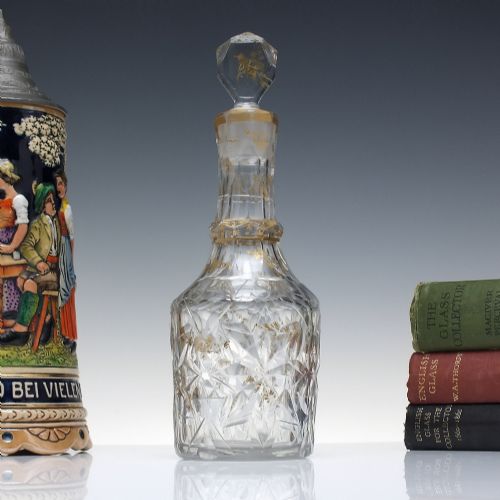
The objects span from dark green glass onion bottles and cylinder wine bottles to refined cut glass decanters and brass-bound mahogany wine coolers. Many pieces date from the reigns of George II and George III, reflecting the domestic habits of the eighteenth century.
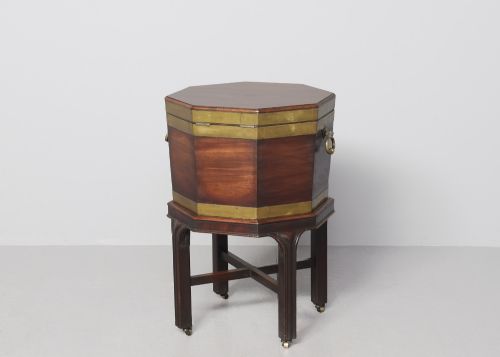
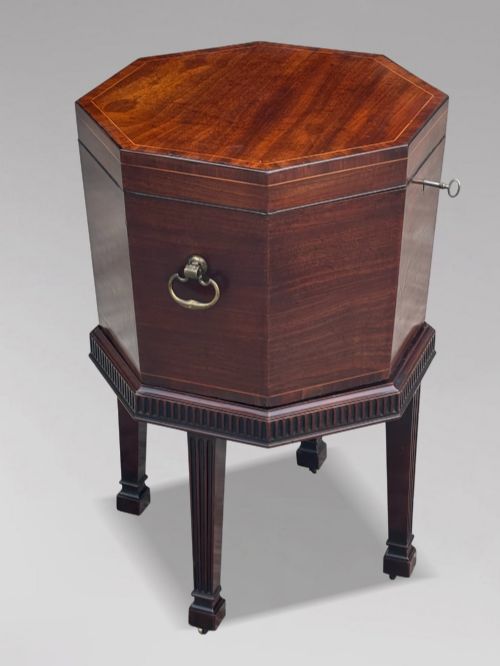
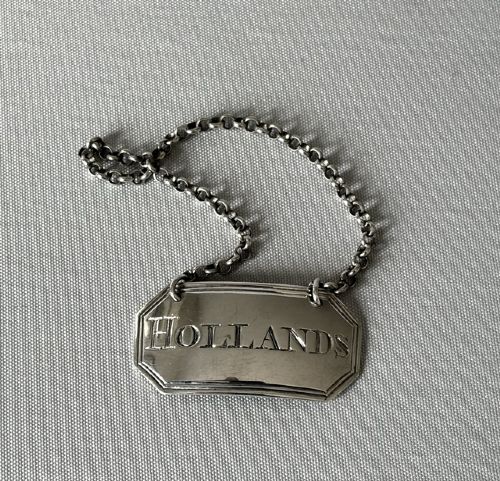
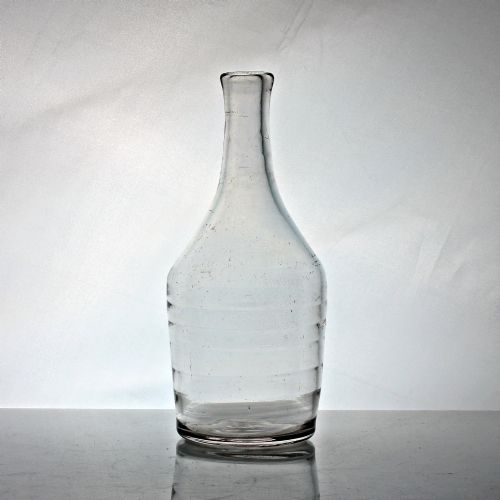
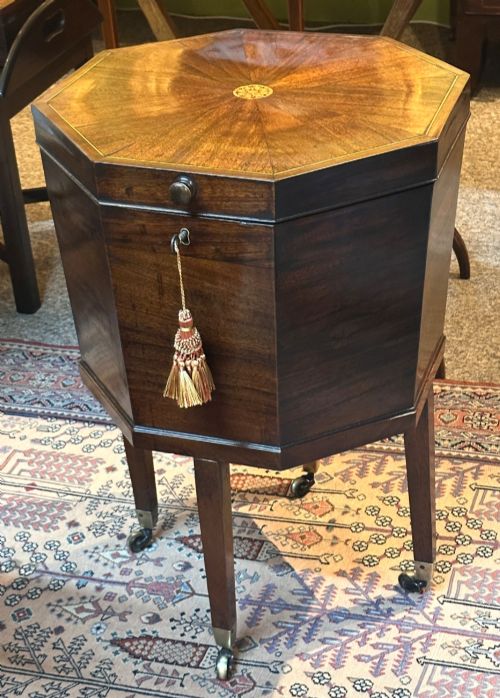
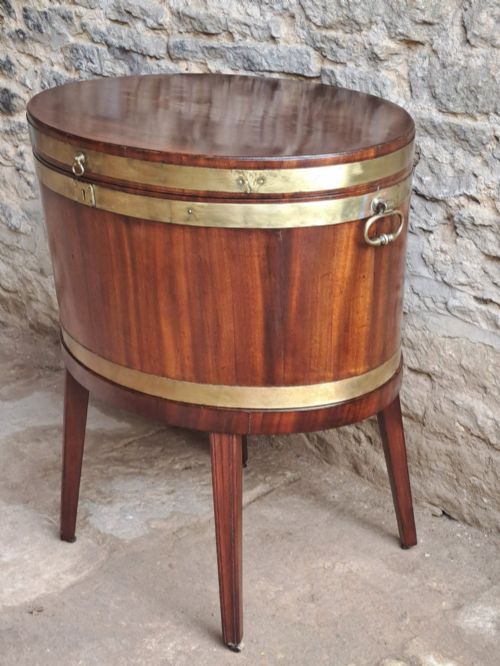
Wooden cellarettes and wine coolers dominate the larger furniture forms, often featuring original interiors and brass banding, while smaller items include glass carafes with Lynn rings and silver decanter labels.
Materials and construction
Makers utilised dense timber such as mahogany, satinwood, and kingwood for furniture pieces like cellarettes and bottle carriers, frequently mounting them with brass bands and carrying handles. Glassware was produced through hand-blowing and lead glass techniques, resulting in deep green tones, iridescent surfaces, and precise cut glass decoration.
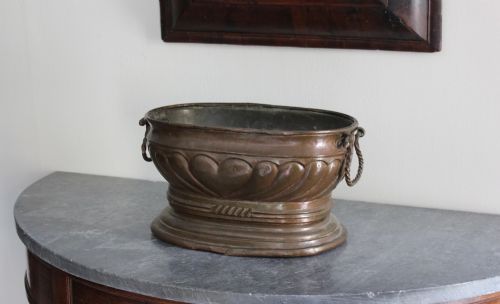
Metalwork played a key role through sterling silver decanter labels, copper wine coolers, and brass fittings that reinforced wooden containers. Artisans applied gilding and hand-engraving to decanters, sometimes in specialised ateliers.
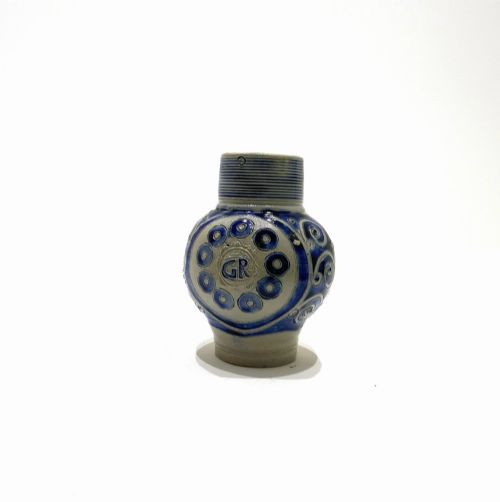
Stoneware examples utilised salt glazing for durability, while portable caddies and coasters required precise joinery to safely hold multiple heavy glass bottles.
18th Century Wine Bottle Retail Price Guide 2026
Typical asking prices for 18th century wine bottle among the pieces listed under this phrase on Sellingantiques today, from the lower quarter to the upper quarter. They describe what is for sale here now, not the wider market.
Evaluation of pieces
The standard of an 18th century wine bottle or associated vessel rests on the integrity of its materials and the preservation of its original components, such as interiors and hardware. Furniture pieces gain distinction through rich patina on the mahogany and the crispness of brass banding.
Glassware quality is determined by the clarity of the lead glass, the precision of the cutting, and the survival of original gilding or engraved labels. Pieces that retain their matched sets of bottles or untouched wooden linings represent the upper tier of survivals.
Atelier of James Giles
The 18th Century Wine Bottle Glossary
- Cellarette
- A lockable cabinet or box designed to hold wine bottles securely near the dining table. They frequently feature fitted interior partitions and brass carrying handles.
- Wine Cooler
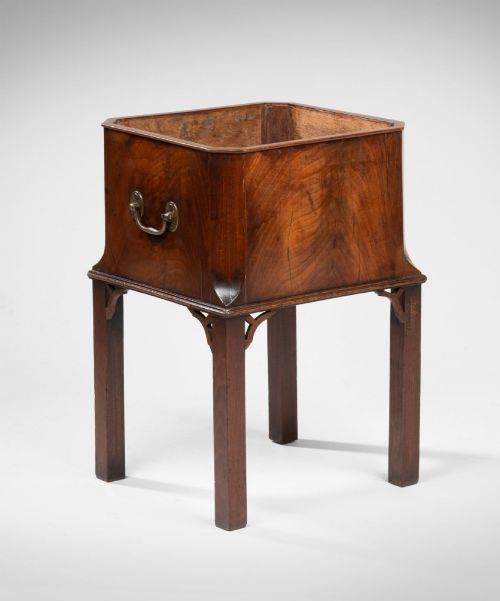
- A large freestanding or tabletop vessel lined to hold ice and water for chilling wine bottles. Examples are often constructed from mahogany with brass binding.
- Lynn Rings
- Applied glass rings encircling the neck of a decanter or carafe to provide a secure grip for pouring. They are characteristic of Georgian glassware.
- Decanter Label
- A small silver or metal tag hung by a chain around the neck of a bottle to identify the contents such as Port or Madeira. These labels form a distinct category of silverware.
- Onion Bottle
- An early form of glass wine bottle with a bulbous, flattened body tapering toward the neck. They date predominantly from the eighteenth century.
18th Century Wine Bottle: Frequently Asked Questions
What is an 18th century wine bottle?
An 18th century wine bottle refers to glass storage vessels, decanters, and the large wooden furniture pieces created to hold wine during the Georgian period. These range from dark green hand-blown glass bottles to mahogany cellarettes.
Buyers look for authentic period materials, original hardware, and traditional forms that reflect eighteenth-century dining practices.
How were wooden cellarettes used?
Wooden cellarettes sat in the dining room to keep wine close at hand before the invention of fitted cellars. Servants placed bottles inside, often surrounded by ice in lined compartments.
These containers protected the wine and secured valuable vintages under lock and key during a period when spirits were expensive.
How do I care for antique glass?
Antique glass requires gentle cleaning with warm water and mild soap, avoiding harsh chemicals that can damage fragile surfaces or historic gilding. Hand-blown lead glass is susceptible to thermal shock, so sudden temperature changes must be avoided.
Display vessels away from direct sunlight and vibrations to protect their structural integrity.
How do I date a glass bottle?
Dating glass involves examining the pontil mark on the base, the depth of the body colour, and the formation of the neck and lip. Eighteenth-century bottles typically show irregularities from hand-blowing and deep kick-ups in the base.
Comparing the shape, from early onion forms to later cylinder styles, helps narrow the period of manufacture.