

18th Century Welsh Sideboard
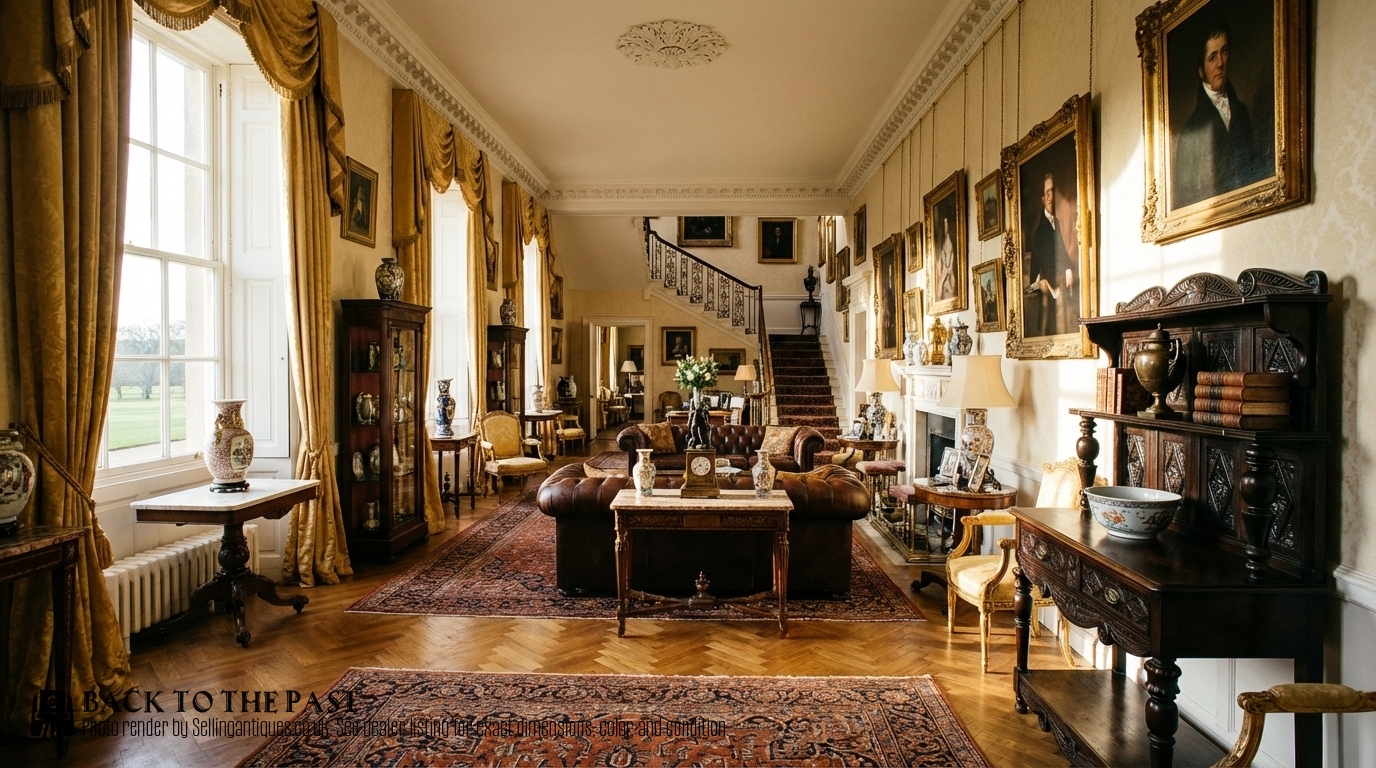
An 18th century welsh sideboard brings robust rural craftsmanship and practical storage to a home through time-honoured timber construction.
18th Century Welsh Sideboard
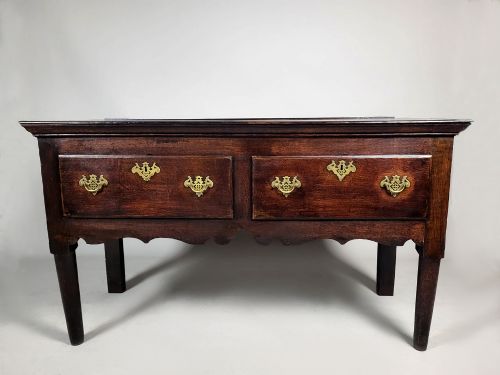
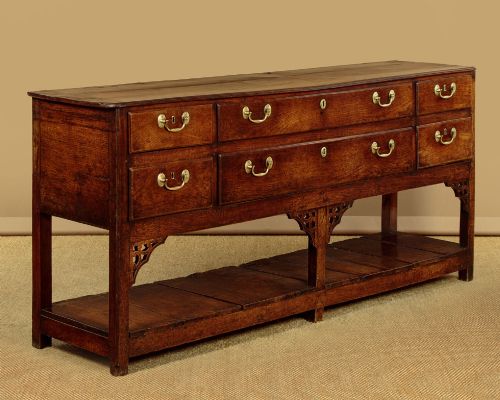
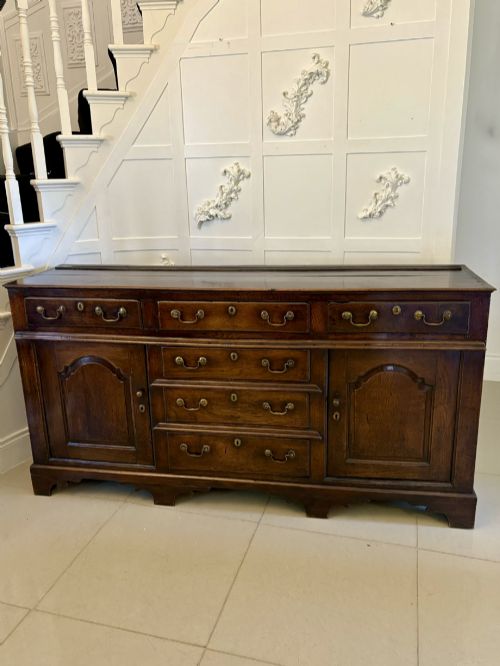
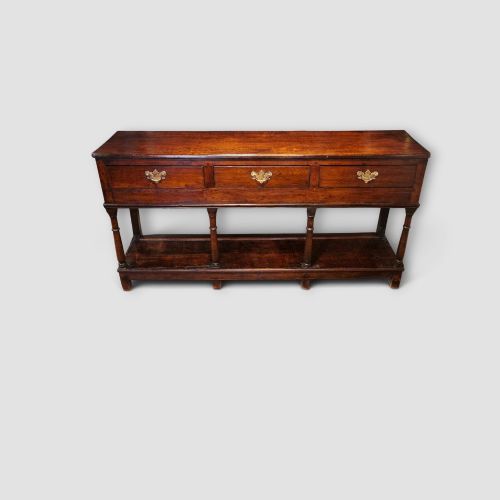
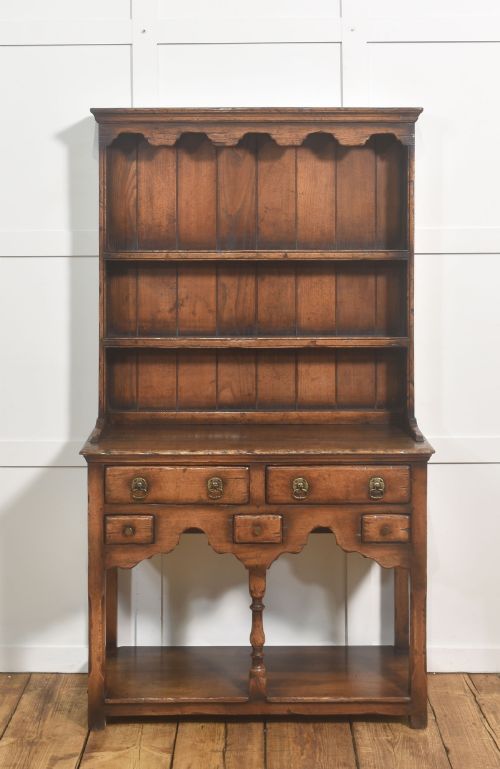
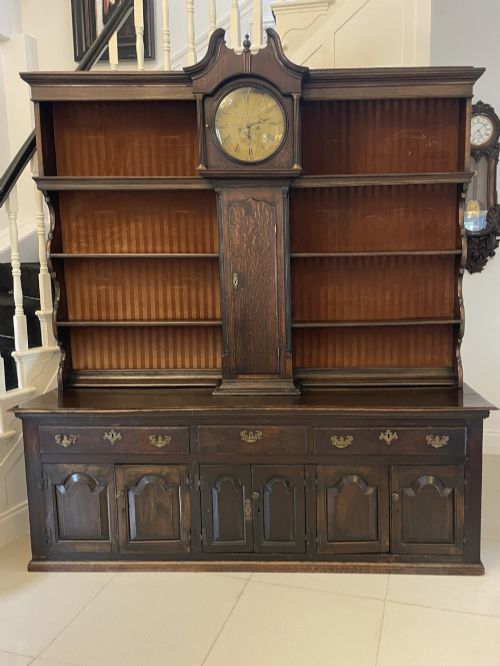
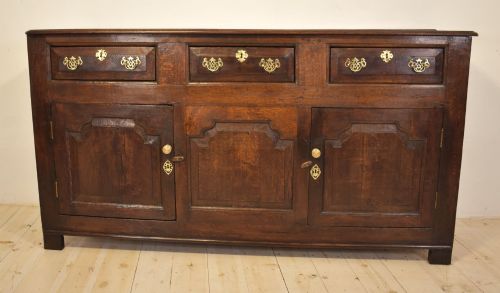
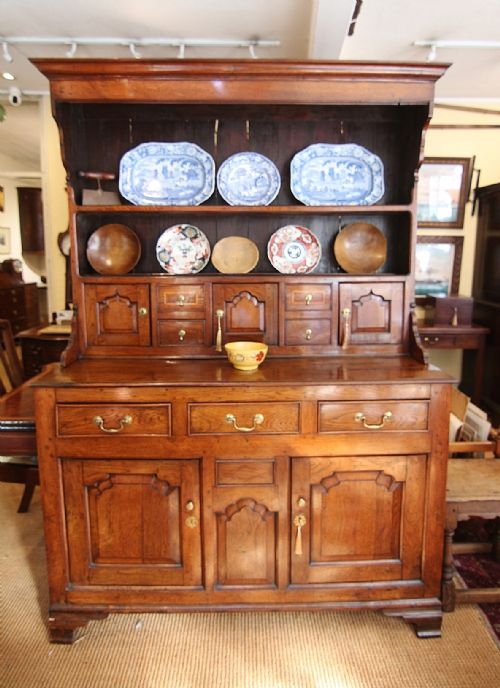
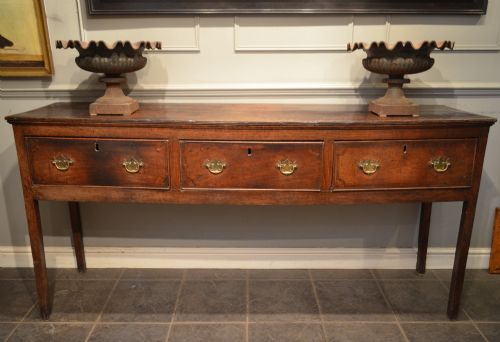
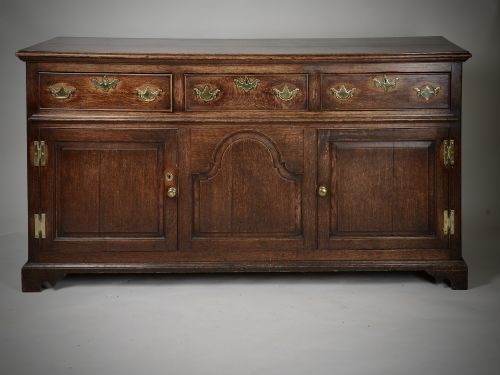
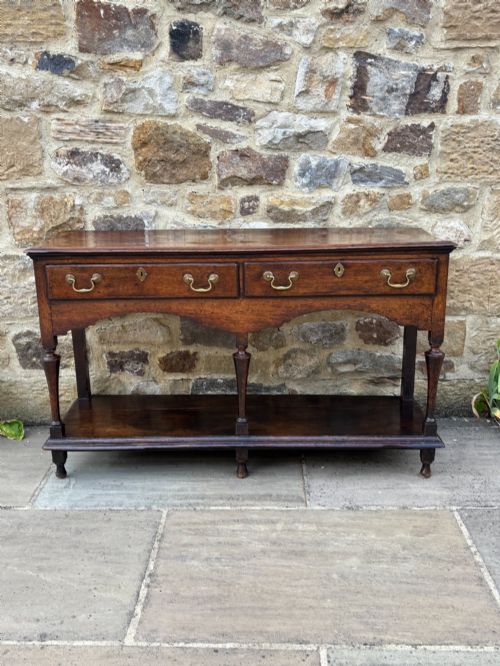
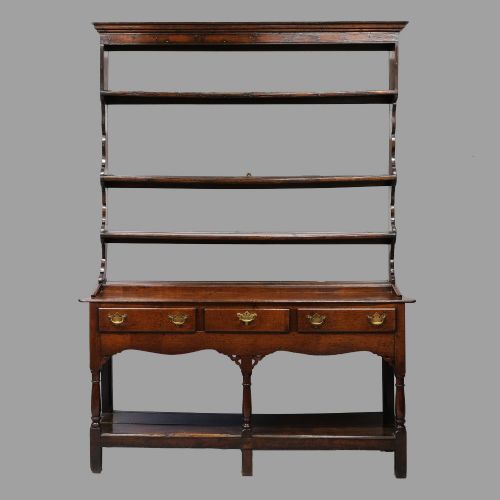
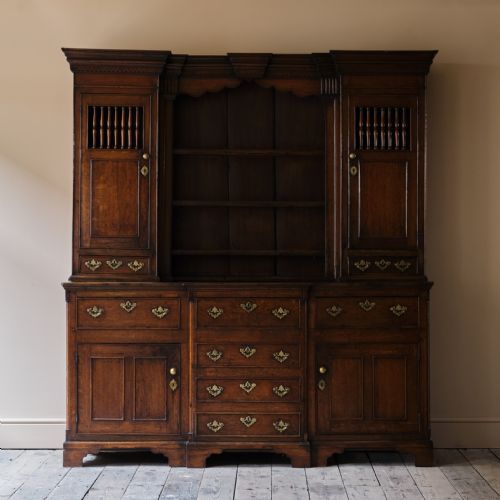
An 18th century welsh sideboard typically presents as a sturdy dresser base, server, or potboard dresser originating from Welsh and English country workshops. These forms provide deep surface boards, multiple drawers, and open lower shelves known as potboards, designed for daily domestic utility.
How they were made
Cabinet makers utilised native timbers including solid oak, elm, and pine, shaping panels with hand tools and securing joints with wooden pegs. Drawer linings and secondary elements often incorporate pine or local hardwoods.
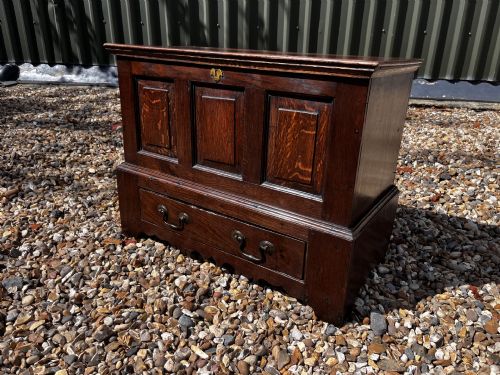
Brass handles, escutcheons, and iron fittings complete the construction, while specific regional variants feature inlaid wood or intricate carved panelling such as seen on traditional coffer baches.
Some provincial drawers show the joyful ghost marks of vanished brass handles replaced generations ago.
What varies in quality
The proportion and balance of the piece dictate much of its distinction, with smaller, well-proportioned dimensions holding particular regard among collectors. The retention of original brass hardware and surface patination further separates standard regional items from exceptional examples.
Regional attribution also influences character; specific localities such as Snowdonia or Llanrwst display distinct construction details and decorative inlay that elevate the complexity of the cabinet work.
The 18th Century Welsh Sideboard Glossary
- Potboard
- An open lower shelf fitted between the legs of a dresser base, traditionally used for storing pots and pans. This platform sits just above the floor level and forms an integral structural element.
- Plate rack
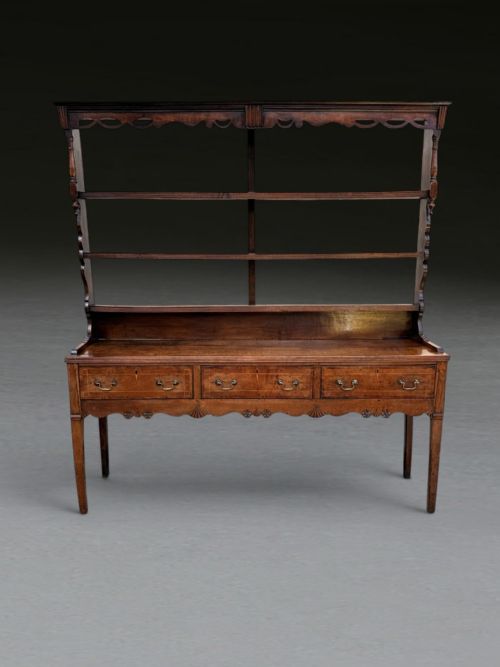
- A wall-mounted or attached wooden framework featuring grooved shelves and vertical slats for displaying ceramic plates. These racks accompany many traditional country dressers.
- Coffer bacha
- A traditional Welsh boarded chest featuring a small cupboard enclosed beneath the main box lid. These compact furniture pieces share the domestic vernacular of rural Welsh workshops.
- Cwpwrdd deuddarn
- A traditional Welsh two-section press cupboard constructed with panelled doors and shelved interiors. These regional pieces reflect early domestic storage methods.
18th Century Welsh Sideboard: Frequently Asked Questions
What is a potboard dresser base?
A potboard dresser base is a heavy timber table fitted with drawers across the top and a low open shelf near the floor. This lower platform provided practical storage for heavy kitchen pottery in rural homes.
These pieces served as central work surfaces for food preparation and serving before fitted kitchens became common. Their robust timber construction allowed them to withstand heavy daily use over centuries.
How do I distinguish regional Welsh styles?
Regional variations appear in the choice of secondary woods, drawer arrangements, and decorative details like inlay work. North Wales pieces from areas like Snowdonia often display distinctive local cabinet-making traditions.
Examining the construction methods on the interior panels and drawer linings helps identify specific workshop origins. Local timber availability dictated the exact blend of oak, elm, and pine used in each district.
Did these sideboards come with plate racks?
Many country dressers were made as complete units with integrated plate racks, though others survived as standalone bases. The racks were designed to display pewter and ceramic plates against the dining room wall.
Plate racks feature narrow timber ledges with integrated plate grooves to hold tableware safely upright. Surviving examples with their original matching racks remain particularly sought after by collectors.
How do I care for 18th-century oak furniture?
Solid oak furniture benefits from a stable indoor environment away from direct heat sources and sudden humidity changes. Regular application of traditional beeswax helps nourish the historic timber surface and maintain its natural lustre.
Avoiding synthetic polishes ensures the aged patination develops properly over time. Gentle dusting with a soft, dry cloth preserves the original finish achieved through centuries of handling.