
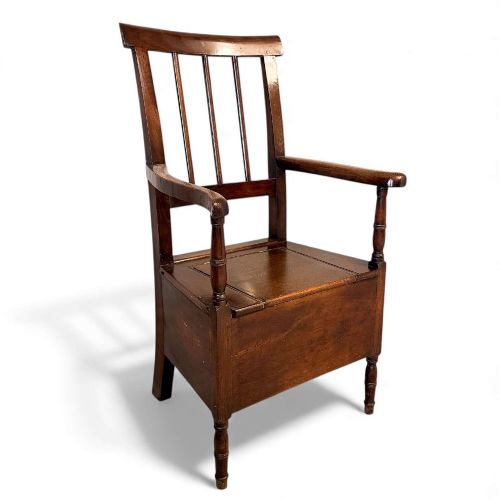
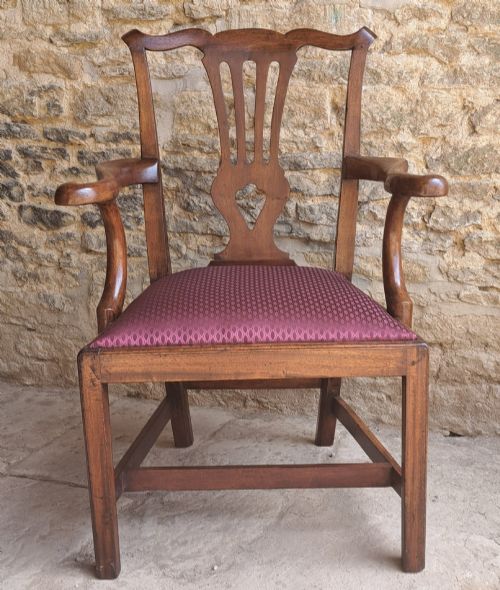
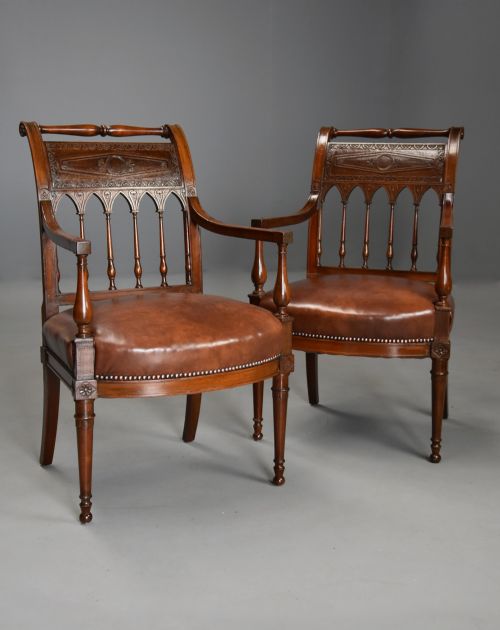
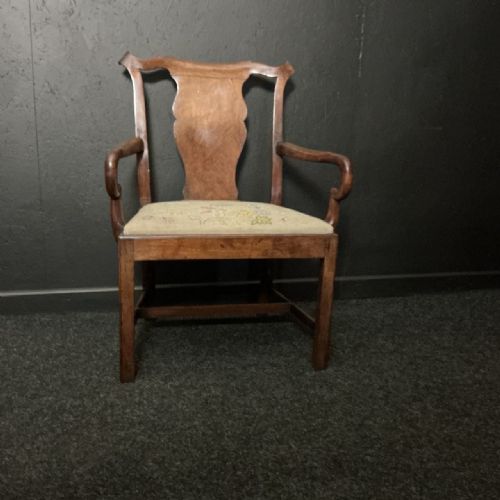


18th Century Walnut Armchair
An 18th century walnut armchair brings tactile warmth and historic presence to a room, offering robust seating shaped by Georgian and continental design.
18th Century Walnut Armchair
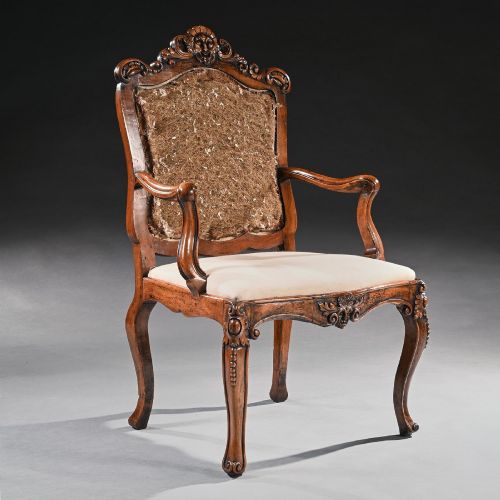
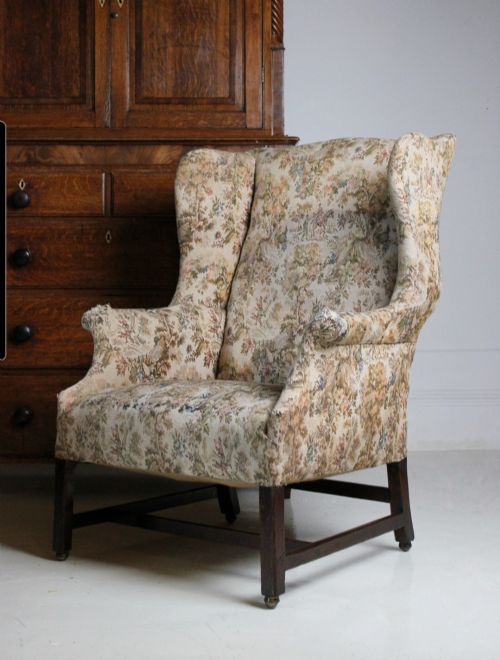
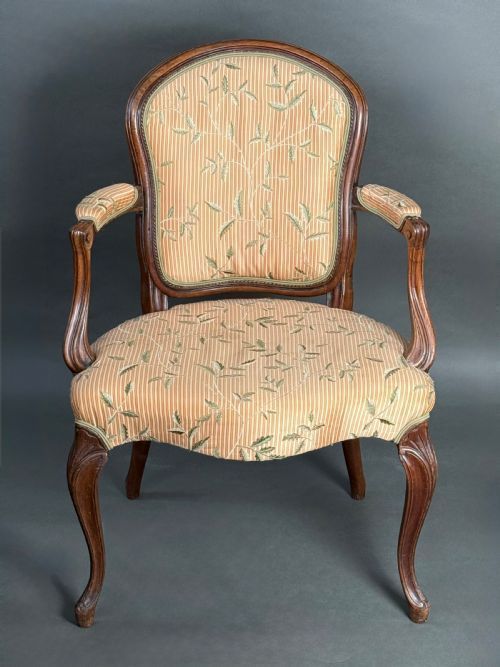
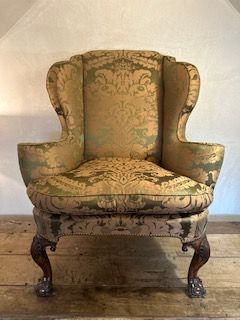
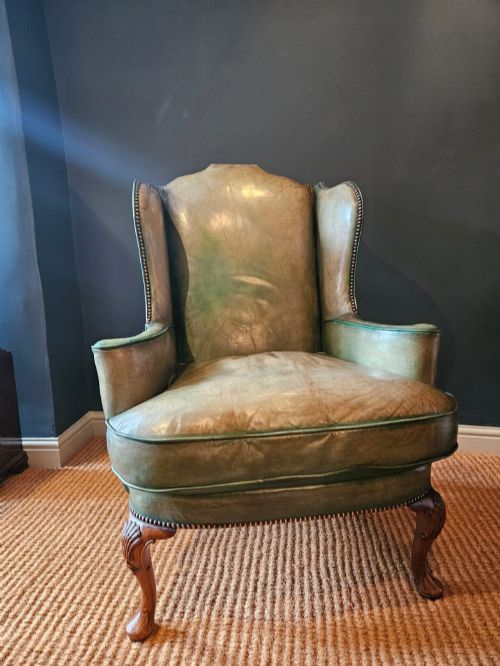
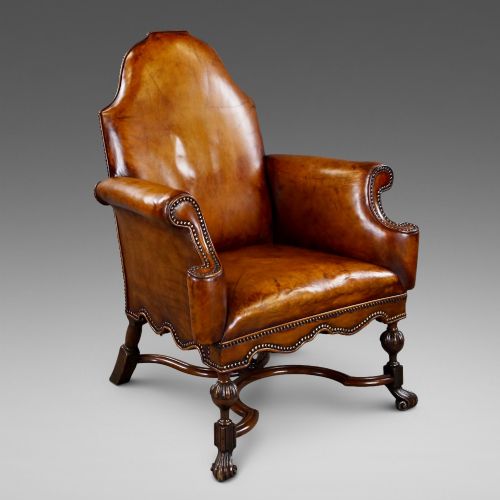
Every 18th century walnut armchair combines structural timber with upholstered elements or exposed carved wood, spanning forms from high backs and wingbacks to corner seats and open armchairs. You will encounter pieces originating from English, French, Italian, and Dutch workshops, reflecting regional preferences in carving and silhouette.
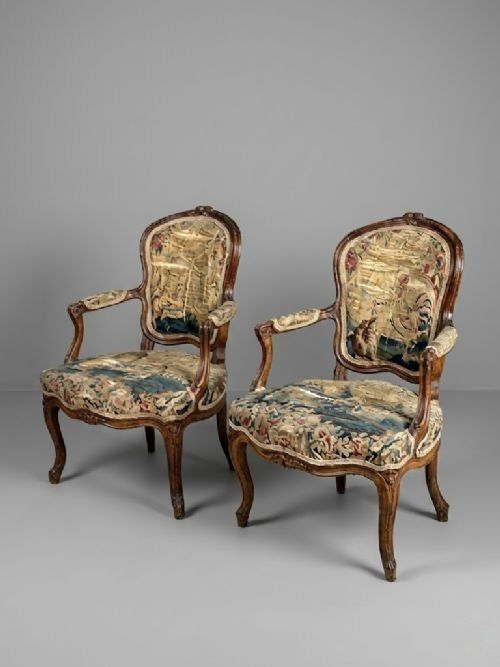
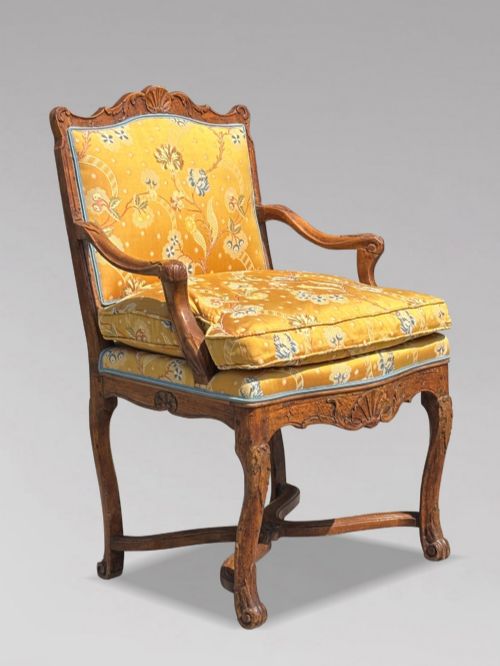
The selections on this page range from early forms featuring cabriole legs to later continental styles including Louis XV, Rococo, and Directoire expressions. Alongside standard armchairs, the inventory includes specialised seating such as desk chairs, commode chairs, and children's chairs.
Makers of the period utilised walnut for its rich grain and reliable density, often pairing the timber with textiles like silk, tapestry, needlepoint, and leather. Whether designed for study rooms, dining sets, or fireside placement, these chairs demonstrate the cabinetmaker's mastery of proportion and comfort.
What varies in quality
The distinction between tiers rests upon the crispness of the hand-carving and the integrity of the underlying walnut frame. Superior examples display fluid lines in cabriole legs and finely executed details like marquetry inlay, whereas lesser pieces show blunt edges and simplified joinery.
Material selection also dictates distinction, with dense, beautifully figured walnut heartwood commanding greater appreciation than plain timber. The survival of original textiles, needlepoint, or period upholstery adds significant authority to a piece.
Listings feature walnut furniture spanning the seventeenth century through the nineteenth century, encompassing regional English, French, Italian, and Dutch workshops.
The 18th Century Walnut Armchair Glossary
- Cabriole leg
- A furniture leg that curves out and then narrows inward, typically ending in a pad or claw foot. This design mimics animal limbs and appears frequently on Georgian and Queen Anne seating.
- Wingback armchair
- A high-backed chair with side panels designed to shield the sitter from drafts. These pieces often feature deep upholstery and prominent armrests.
- Marquetry
- The art of applying decorative veneer pieces to a structure to form intricate patterns. Dutch examples frequently employ this technique on walnut surfaces.
- Corner chair
- A chair designed to fit into the corner of a room, featuring a diagonal seat and a continuous curved back rail supported by posts. They frequently served as desk or reading chairs.
- Needlepoint
- A type of canvas work embroidery used for upholstery and decorative panels. Period examples display hand-stitched wool or silk thread designs.
18th Century Walnut Armchair: Frequently Asked Questions
How do I identify a Georgian walnut armchair?
Look for defining structural markers such as cabriole legs, pad feet, and transitional lines that evolved from earlier Baroque forms into lighter Georgian proportions. The timber exhibits a warm, dense grain native to walnut furniture produced across the eighteenth century.
Check for traditional joinery methods beneath the seat and inspect the carving style on the knees and splats to determine whether the piece aligns with early or late eighteenth-century workshops.
What is a corner chair used for?
A corner chair provided versatile seating in domestic interiors, frequently utilised as a desk or reading chair due to its supportive wrap-around back rail. Its square footprint allowed it to tuck neatly into room angles while offering stability from four corner posts.
These chairs often feature a central drop-in seat covered in fabric or leather, supported by legs positioned at diagonal angles to distribute weight evenly.
How should I care for antique walnut furniture?
Keep walnut chairs away from direct sunlight and strong heat sources to prevent the timber from drying out or splitting over time. Dust the carved surfaces regularly with a dry cloth and apply a quality wax polish sparingly to maintain the finish.
Protect upholstered sections by avoiding moisture and consulting a specialist conservator for any textile repairs or structural reinforcement.
Can I use an antique armchair every day?
Most eighteenth-century armchairs were built for functional domestic use from durable walnut timber and robust joinery. Assessing the stability of the frame and the condition of the joints ensures the chair can safely support daily sitting.
Heavily upholstered pieces or fragile marquetry chairs may require lighter use or professional reinforcement to preserve their historical integrity.