




Carved Cresting Desk Chair
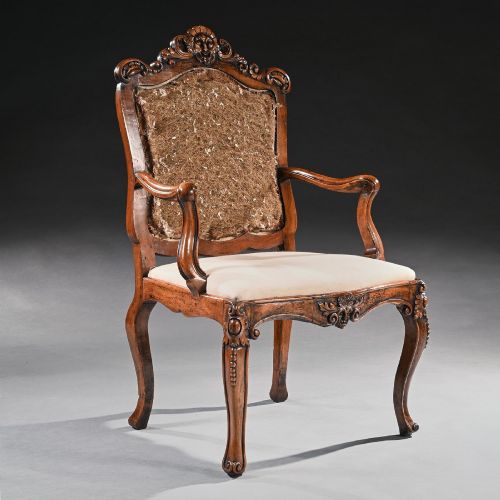
A carved cresting desk chair offers solid timber framing and sculptural top rails designed for practical study.
Carved Cresting Desk Chair
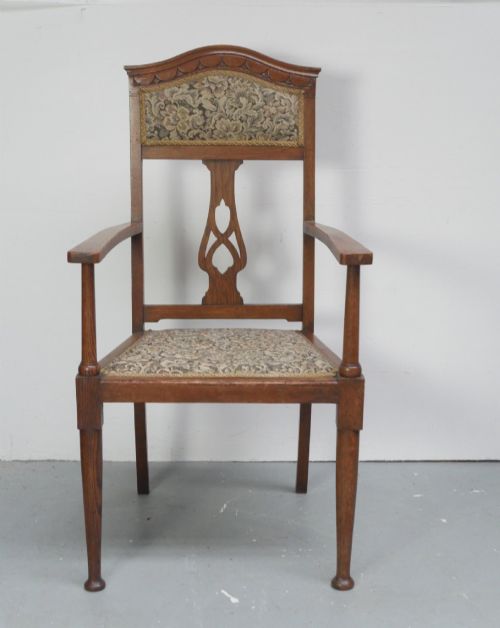
A carved cresting desk chair brings sculptural woodwork and sturdy seating to a study or library, drawing on centuries of cabinet-making traditions. Buyers examining this category encounter forms ranging from Georgian mahogany models to late Victorian oak examples and lighter Edwardian pieces.
Origins stretch across the eighteenth, nineteenth, and early twentieth centuries, capturing shifts in design from Italian Rococo exuberance to Regency restraint and Victorian Gothic Revival.
How they were made
Cabinet-makers relied on dense hardwoods such as mahogany, oak, and walnut, selecting each timber for its grain and structural strength. Joinery typically involved traditional mortise and tenon construction to withstand daily use at a writing table.
Carved cresting rails required skilled hand-chiselling to shape scrolls, foliage, and structural head pieces directly into the solid timber frame. Secondary materials like brass, cane, leather, and woven fabric completed the seating surfaces and support structures.
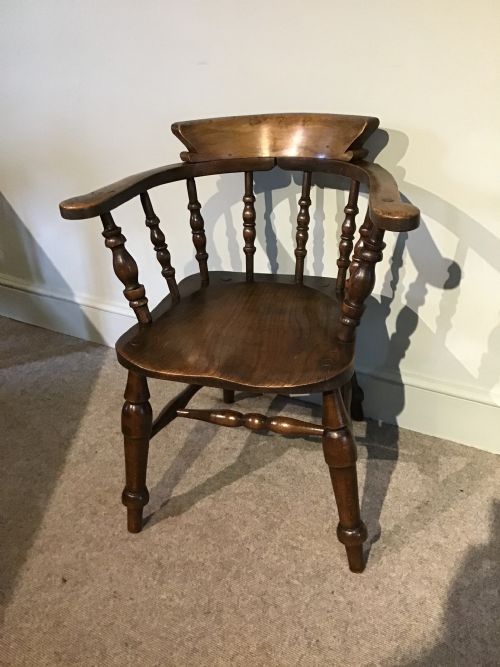
The furniture forms shown include library armchairs, smokers bows, and corner chairs equipped with leather, cane, and fabric seats.
What varies in quality
The distinction between standard seating and superior examples lies in the depth and crispness of the hand-carved cresting. Crisp relief work on the head rail demonstrates greater workshop skill than flat or mechanical profiling.
Timber selection and frame integrity dictate the overall calibre of the piece. Heavy, well-figured mahogany or quarter-sawn oak combined with robust joinery separates finer library chairs from simpler utilitarian seating.
The Carved Cresting Desk Chair Glossary
- Carver
- An armchair designed with elbow supports, traditionally placed at the head of a table or utilised at a desk. These chairs offer a wider seat and more substantial frame than standard side chairs.
- Bergere
- An enclosed armchair with upholstered or caned sides and a fitted seat cushion. This French-inspired form provides a comfortable seat for prolonged reading or writing.
- Sabre leg
- A concave-curved rear or front leg that tapers toward the foot, characteristic of the Regency period. This shape draws inspiration from classical Greek furniture forms.
- Smokers bow
- A low-backed Windsor-style armchair with a rounded continuous arm and spindle back. These sturdy wooden seats were common in nineteenth-century studies and smoking rooms.
Carved Cresting Desk Chair: Frequently Asked Questions
What is a carved cresting desk chair?
A carved cresting desk chair is a wooden seat featuring an ornamental top rail above the backrest, designed for use at a writing table or in a library.
These pieces combine functional support with decorative woodwork reflecting the aesthetic of their specific period of manufacture.
How were library desk chairs used?
Library desk chairs provided stable, comfortable seating for reading, writing, and administrative tasks in private studies and institutional libraries.
Their robust timber frames and supportive armrests made them suitable for prolonged daily use by scholars and gentlemen.
How do I identify Regency desk chairs?
Regency desk chairs often display classical influences such as sabre legs, reeded framing, and dark mahogany timbers.
They favour clean lines and restrained classical motifs over the heavy carving seen in earlier or later Victorian pieces.
How do I live with antique desk chairs?
Integrating antique desk chairs into a modern room involves pairing them with a simple writing table or using them as accent seating in a study.
Regular polishing and careful placement away from direct heat sources help preserve the historic timber and leather surfaces.