

18th Century Wall Hanging
An 18th century wall hanging brings period character and practical storage to a room through centuries-old timber, glass and textile craftsmanship.
18th Century Wall Hanging
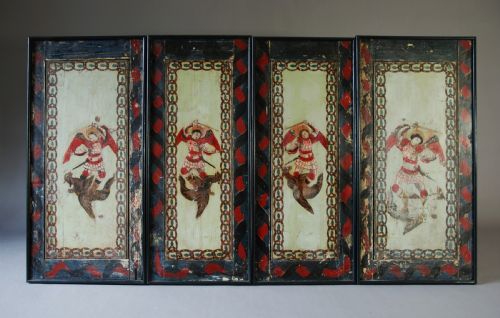
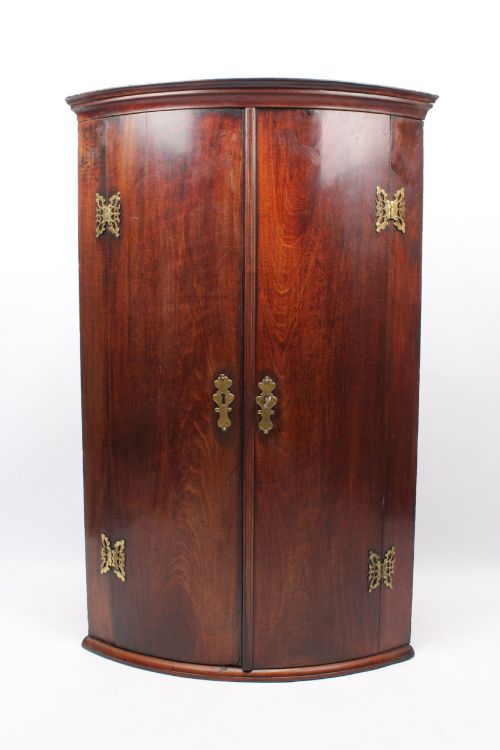
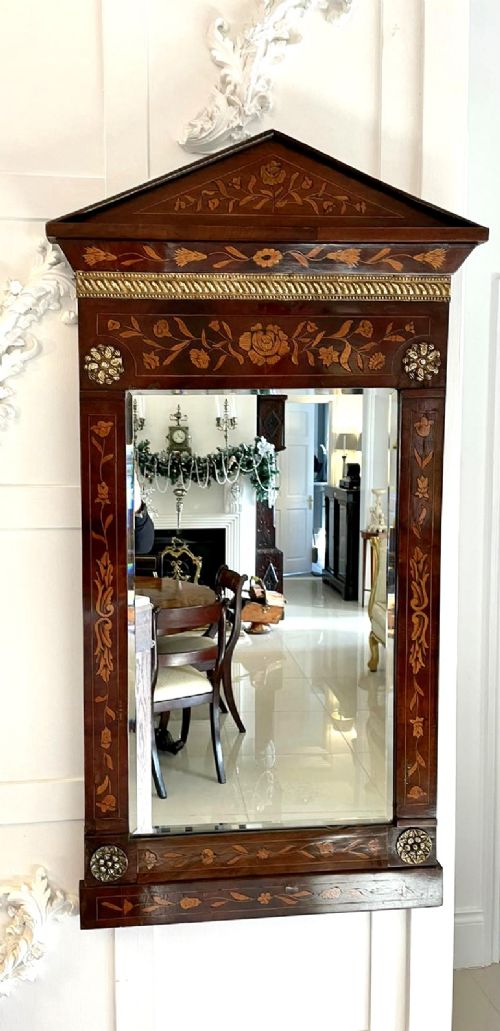
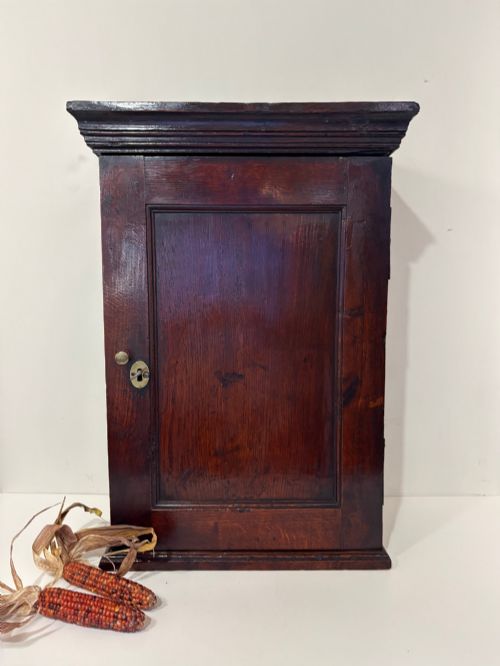
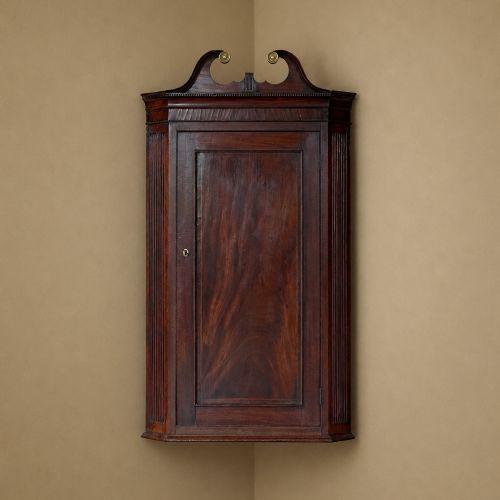
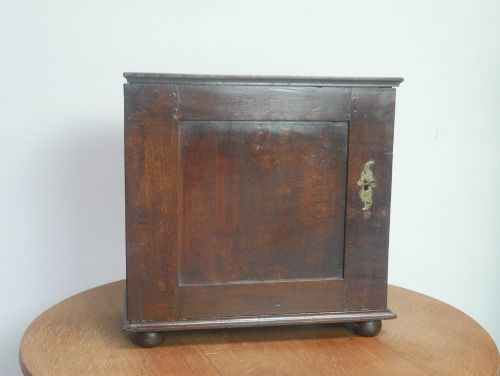
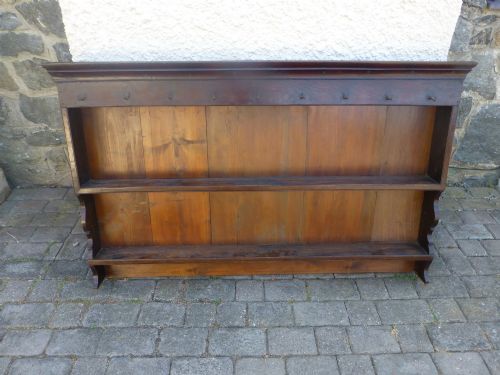
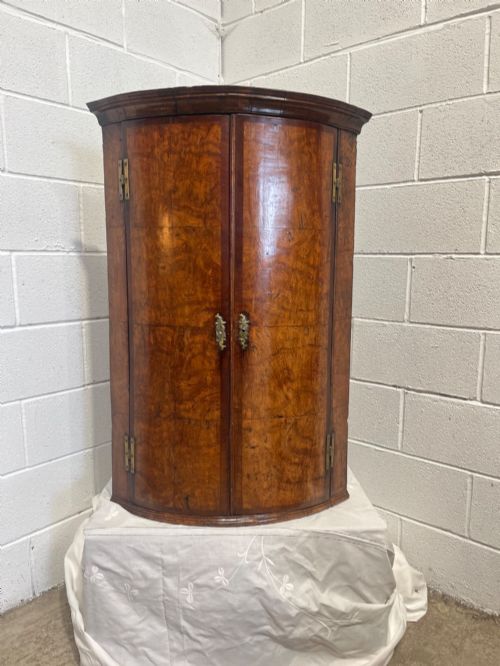
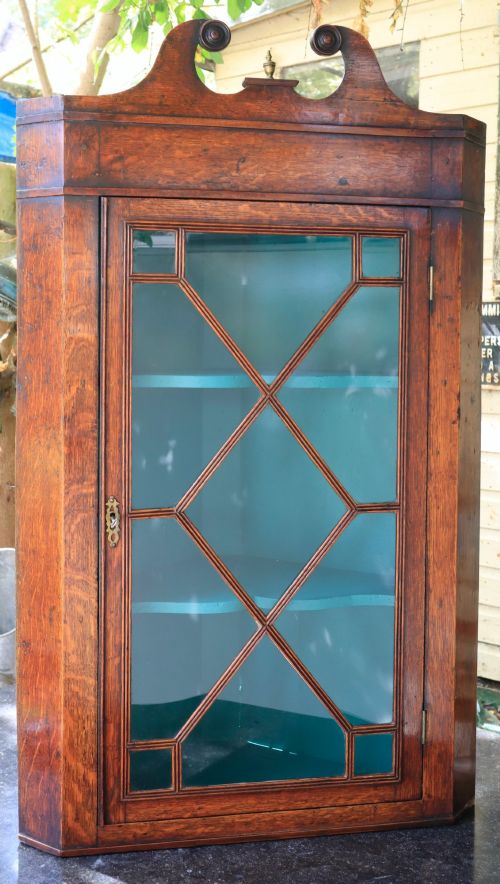
An 18th century wall hanging encompasses a diverse group of objects designed to be mounted above the floor, ranging from corner cupboards and spice boxes to mirrors and tapestries. The most common examples met here are oak and mahogany hanging corner cupboards, often displaying Georgian proportions and panelled doors.
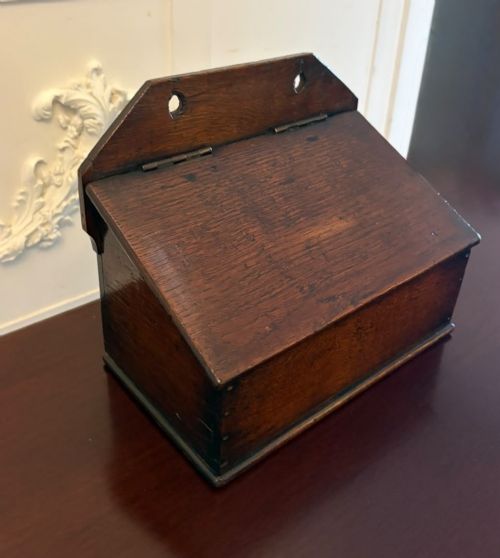
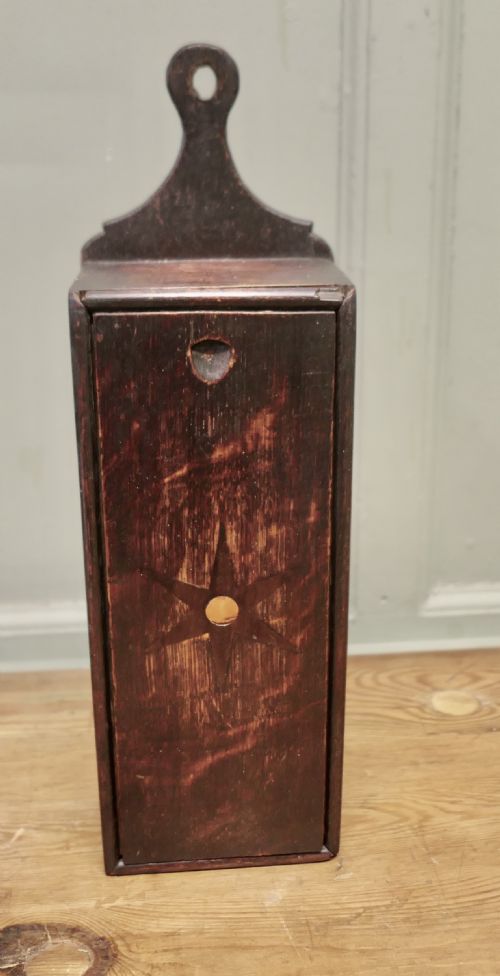
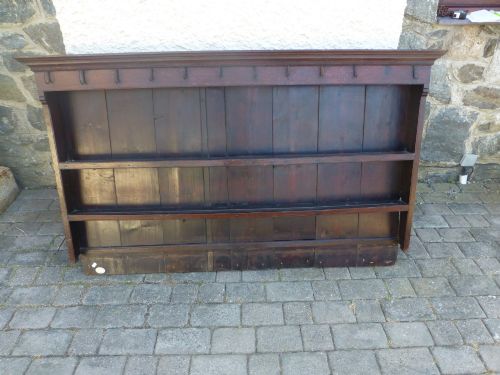
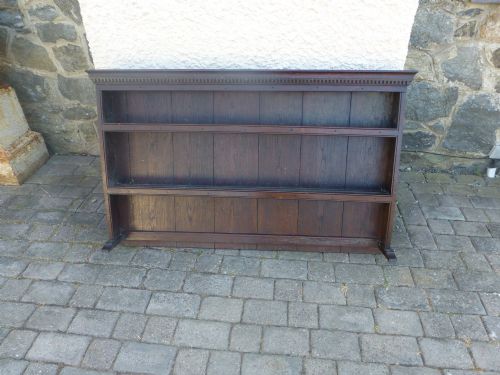
The selection also spans utilitarian items like candle boxes, plate racks and game hook racks alongside decorative giltwood mirrors and French or Aubusson tapestries. These pieces originate predominantly from the 18th century and the broader Georgian era, utilising wall space efficiently in domestic interiors.
Assessing Quality and Execution
Quality rests in the crispness of the carving, the selection of timber figure such as burr oak or plum pudding mahogany, and the preservation of original surfaces. Finer cabinets show careful attention to proportion, dovetail joinery and intact brass or iron hardware.
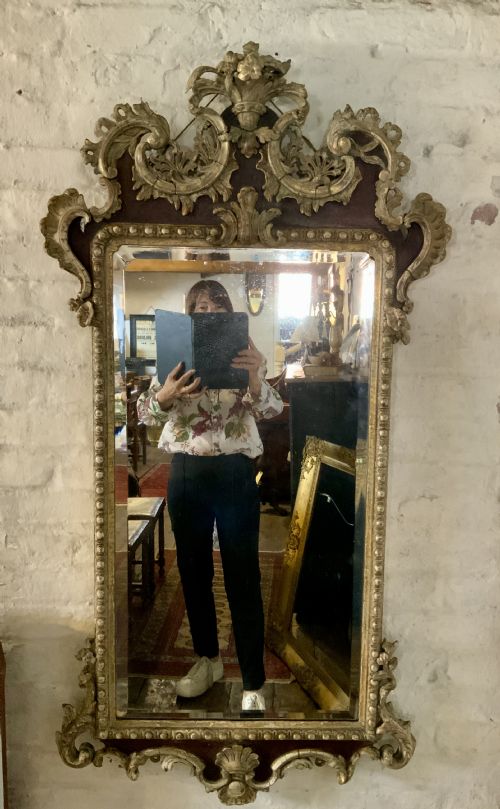
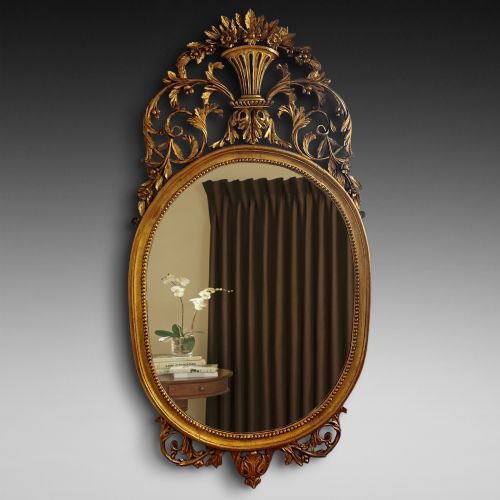
Decorative pieces are distinguished by the skill of the hand-carved giltwood frames, the detail within marquetry panels, and the depth of engraving on mirror plates. The presence of original paint, glass, and keys elevates the integrity of the piece.
Listings feature oak, mahogany, walnut and giltwood across forms including corner cupboards, spice boxes, mirrors and tapestries.
The 18th Century Wall Hanging Glossary
- Giltwood
- Wood that has been coated with gold leaf or a gold-coloured finish. This technique was frequently applied to ornate 18th century mirrors.
- Marquetry
- The art of applying pieces of veneer to a structure to form decorative patterns. Dutch examples often display floral or pictorial designs in contrasting woods.
- Spice Cupboard
- A small wall-mounted cabinet fitted with internal drawers for storing valuable spices and herbs. These typically date from the early 18th century in oak.
- Verdure Tapestry
- A textile wall hanging depicting a stylised landscape filled with foliage, trees and often animals. Aubusson workshops produced notable examples of this type.
- Gesso
- A plaster-like mixture applied to wood surfaces as a base for gilding or painting. It allowed carvers to create sharp, raised relief details on mirrors.
18th Century Wall Hanging: Frequently Asked Questions
How do I hang a heavy wooden cupboard safely?
Heavy oak and mahogany corner cupboards require secure fixing directly into wall studs or masonry using appropriate brackets and screws. Professional installation is recommended to support the weight of the timber and its contents.
Ensure the internal fixings and backboards are sound before mounting. Distributing weight evenly inside helps maintain the stability of the hanging structure.
Were corner cupboards built for specific rooms?
Hanging corner cupboards were designed primarily to utilise unused angles in Georgian dining rooms, parlours and bedrooms. Their triangular footprint maximised floor space while keeping tableware or dry goods accessible.
Many featured glazed doors or display shelves to showcase ceramics, whilst smaller spice and candle boxes hung near hearths or kitchens for daily utility.
What indicates an 18th century mirror plate?
Older mirror glass often displays minor imperfections, slight distortion, or foxing and dark spots within the silvering. Hand-bevelled edges and thinner glass panes are typical characteristics of the period.
The backing boards and frame construction should align with 18th century joinery methods, such as hand-cut panels and traditional fixings.