





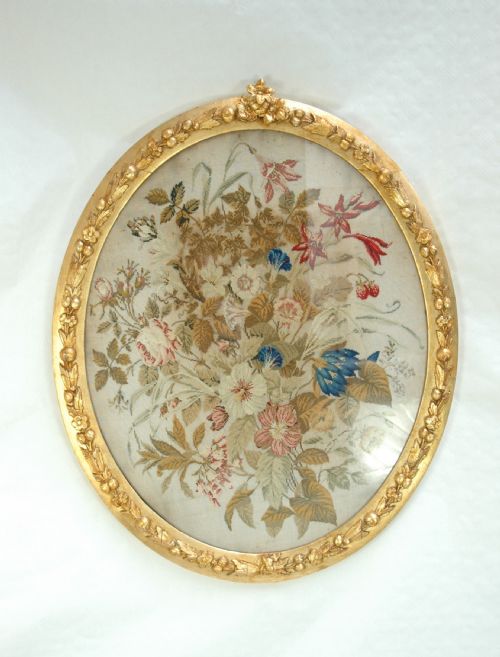
Framed Floral Wall Decor
Framed floral wall decor brings botanical subjects into interior spaces through oil paintings, watercolours, embroideries, and engravings preserved behind glass or within decorative frames.
Framed Floral Wall Decor
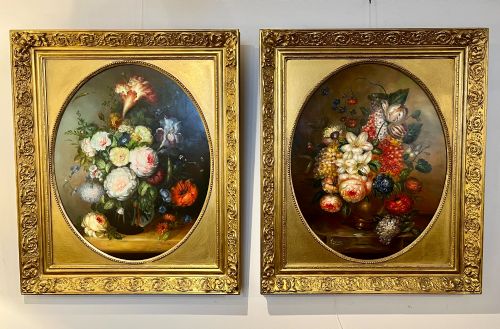
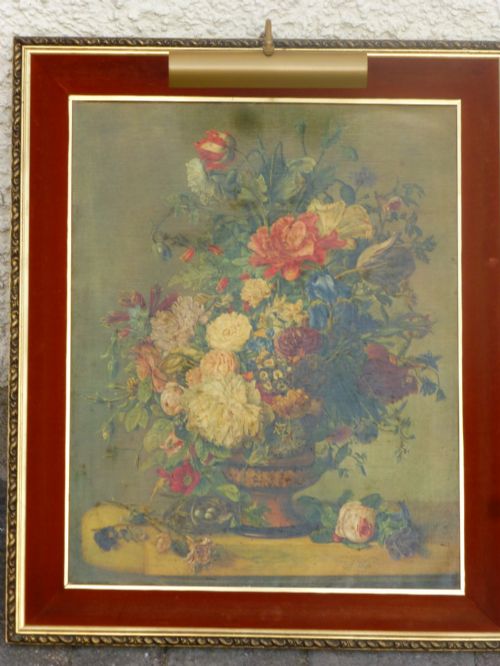
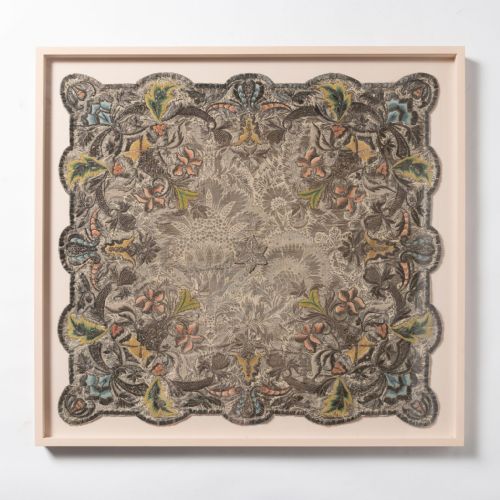
Framed floral wall decor encompasses a diverse range of botanical subjects, from oil paintings and watercolours to embroidered textile panels and engravings. These pieces capture floral forms across centuries of artistic production, offering wall art, paintings, and mirrors.
The versions most commonly met on this page span the eighteenth century to the mid-twentieth century. Examples include Dutch style still life paintings, Chinese embroideries, and botanical engravings featuring plants and insects.
Makers and artists represented across these items range from individual painters such as James Tower, Jennifer Toombs, and Emily Selinger to traditional craftspeople working in Anglo-Indian and Chinese idioms.
Materials and construction
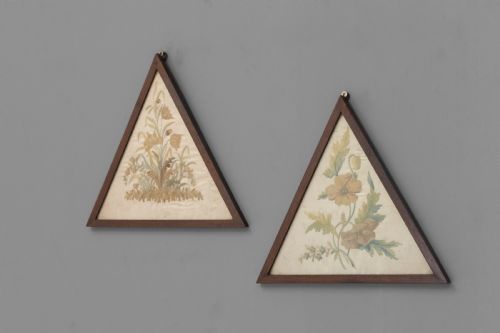
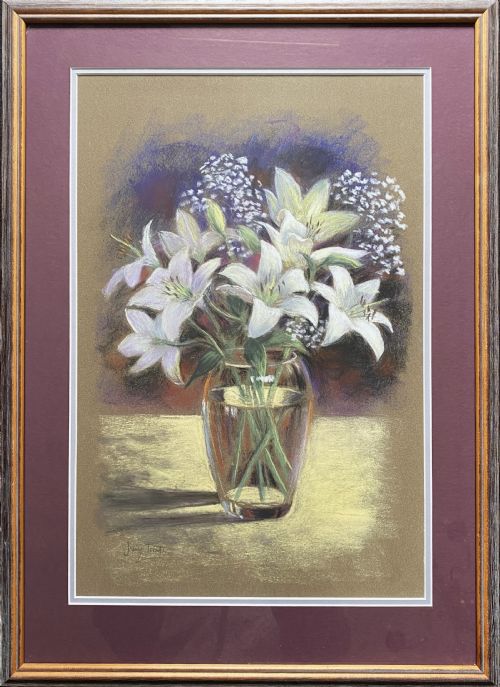
Materials utilised in these works include canvas, paper, silk, and hardwood, often combined with glass, brass, and gilded gesso frames. Painters applied oil and watercolour pigments to board or canvas, while needleworkers stitched intricate designs in silk and thread upon textile grounds.
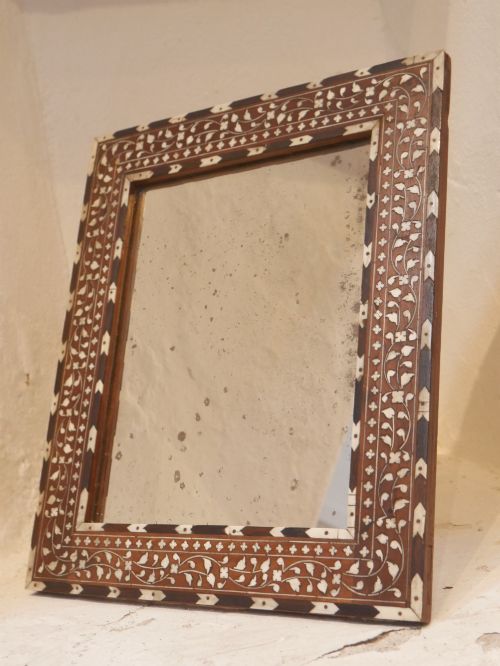
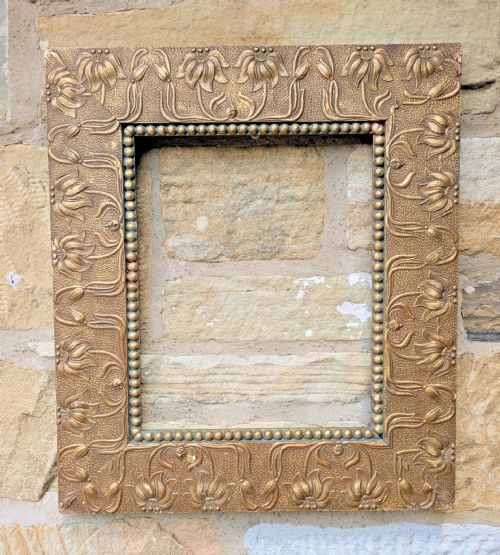
Frames themselves form an integral part of the construction, employing gilded wood, brass inlay, and carved hardwood such as the characteristic work seen on Hoshiarpur mirrors. Engravings on paper record botanical specimens with fine line work, frequently presented behind protective glass.
Several floral compositions discreetly incorporate tiny insects amongst the petals, adding a delightful element of surprise for observant viewers.
Distinctions in quality
Quality in framed floral wall decor rests upon the execution of the primary medium, whether that is the brushwork in an oil painting, the precision of botanical engravings, or the density and finesse of needlework panels. Superior examples display careful attention to botanical detail and chromatic harmony.
The integration between the artwork and its housing elevates certain pieces, with period frames in gilded gesso, brass inlay, or carved hardwood enhancing the visual impact. The reputation of the artist or the distinct cultural origin also shapes the standing of an individual work.
James Tower·Jennifer Toombs·John Curtis·Emily Selinger·Harold Edward Conway
The Framed Floral Wall Decor Glossary
- Oil on board
- A painting executed with pigment suspended in drying oil applied to a rigid wooden or composite board. This surface provided a stable alternative to canvas for many artists.
- Oleograph
- A mechanical colour lithograph designed to imitate the appearance and texture of an oil painting. These reproductions became popular for domestic decoration during the nineteenth and twentieth centuries.
- Needlework
- A piece created through manual sewing or embroidery using yarn or thread upon a fabric ground. Such panels frequently depict floral and garden scenes intended for interior display.
- Gilded gesso
- A plaster-based material applied to wooden frames and covered with a thin layer of metal leaf. This technique produced ornate, reflective surfaces characteristic of nineteenth-century framing.
- Botanical engraving
- An illustration printed from an engraved metal plate, often hand-coloured to record plant species accurately. These prints combined scientific observation with decorative appeal.
Framed Floral Wall Decor: Frequently Asked Questions
What periods do these floral pieces represent?
The pieces span from the eighteenth century through the Victorian era and into the mid-twentieth century. They reflect the shifting artistic preferences of each successive period.
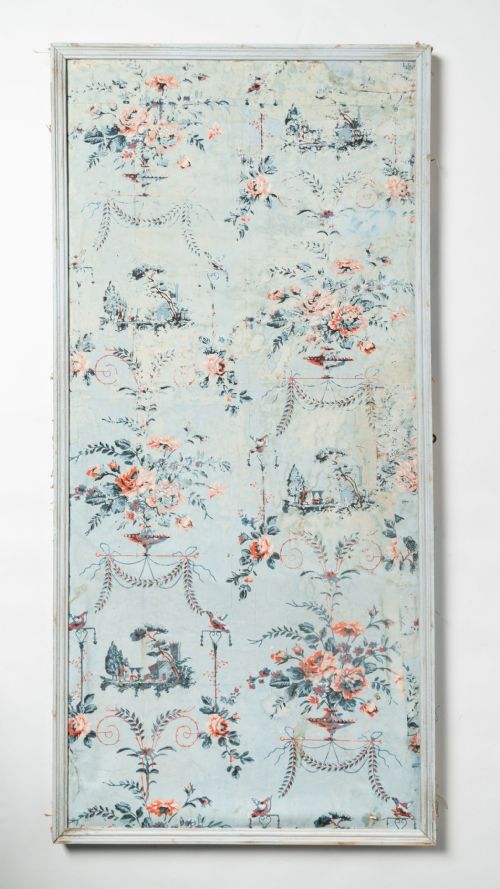
Examples range from eighteenth-century wallpaper panels and botanical engravings to mid-century oil paintings and watercolours.
How were these decorative panels used originally?
These works served primarily as interior ornamentation within domestic spaces, country houses, and formal rooms. They brought natural imagery and botanical studies indoors.
Needlework pictures, paintings, and framed textiles were hung on walls to add colour, texture, and scholarly or artistic interest to reception rooms and parlours.
How should I care for mixed media floral art?
Preserving these pieces requires protecting them from direct sunlight to prevent the fading of watercolours, silk threads, and paper grounds. Maintaining stable humidity protects wood, canvas, and textile fibres.
Keeping glass-fronted frames clean and avoiding damp environments will ensure the longevity of both the artwork and its original frame.
How do I identify different framing styles?
Framing styles vary according to origin and period, from ornate gilded gesso to brass inlaid hardwood and traditional English mouldings. Anglo-Indian pieces often display distinctive carved patterns.
Examining the construction methods and materials of the frame helps connect the piece to its historical context and manufacturing tradition.