


18th Century Wall Art
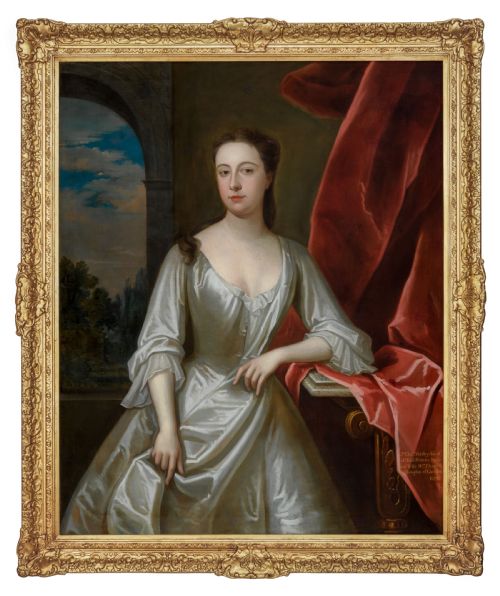
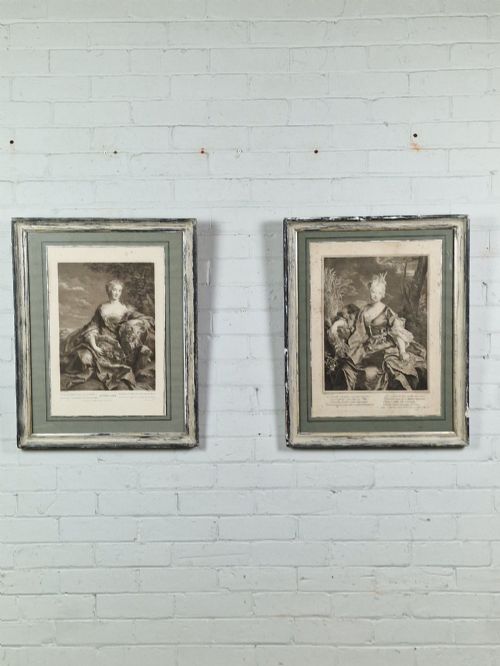
When searching for 18th century wall art, collectors encounter oil paintings, mezzotints, and engraved portraits that bring period character to interiors.
18th Century Wall Art
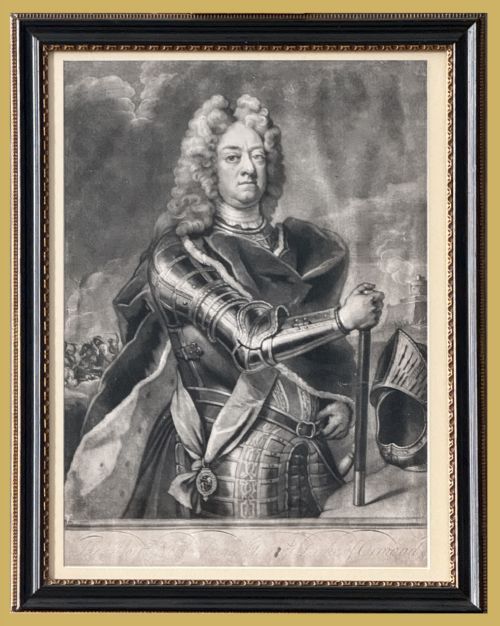
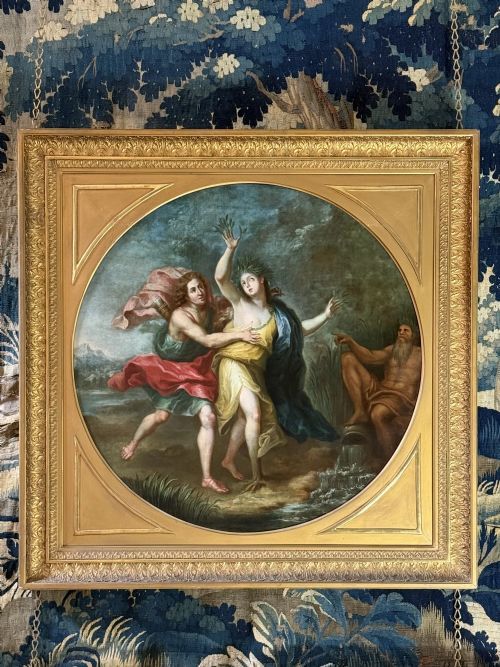
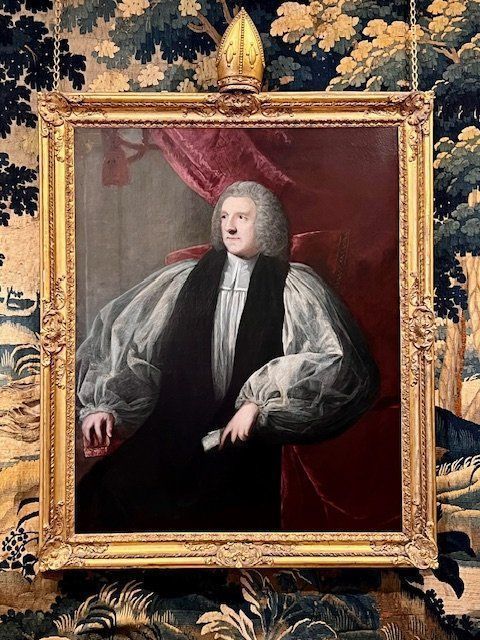
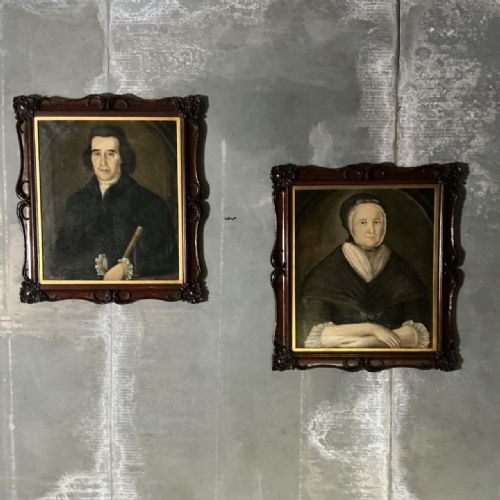
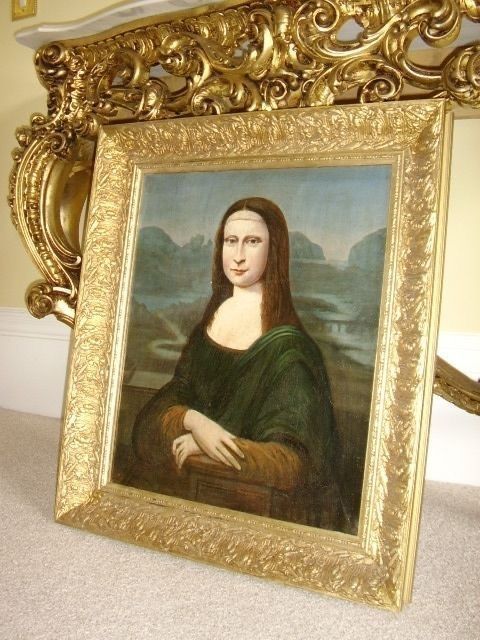
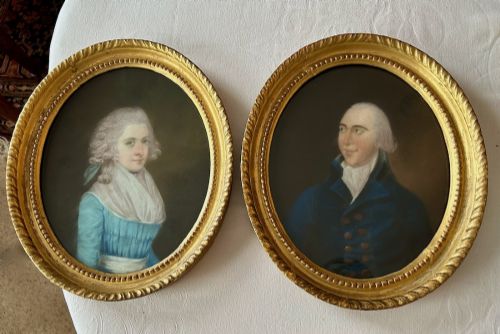
The category of 18th century wall art encompasses oil paintings on canvas, framed prints, mezzotints, engravings, and pastels. Buyers frequently meet portraiture, classical scenes, and botanical or architectural views executed across the European and British schools.
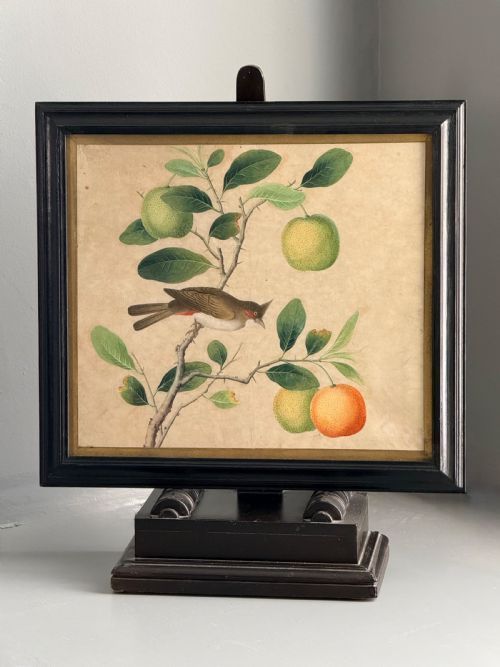
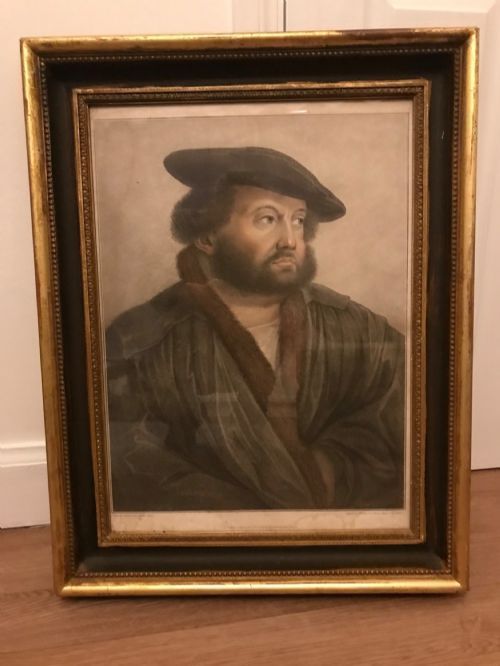
Works range from large oil portraits of military officers and nobility to delicate hand-coloured engravings on paper. Decorative pine panels and gouache paintings on pith paper also appear within the selection.
Many pieces reflect distinct stylistic movements such as Georgian, French Rococo, Baroque, and Neoclassical design. Portrait subjects often link directly to known historical figures through contemporary inscriptions or artist attributions.
Materials and techniques
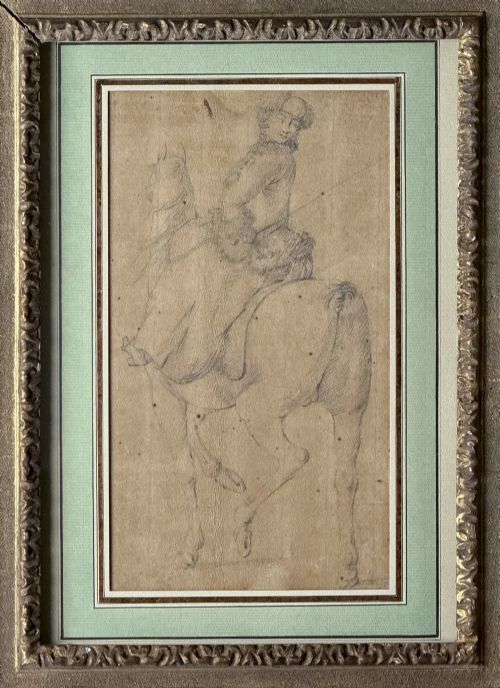
Makers utilised oil paint on stretched canvas or wood panels for major portraits and landscape scenes. Paper served as the primary base for stipple engravings, mezzotints, and ink drawings, frequently enhanced with original hand colouring.
Giltwood and gilt wood frames provided structural support and decorative borders for canvases and mirrors. Specialised techniques included reverse glass painting and delicate pastel work on paper.
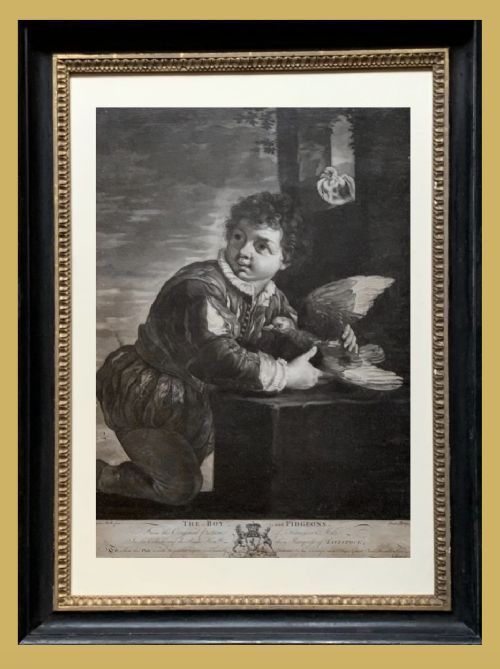
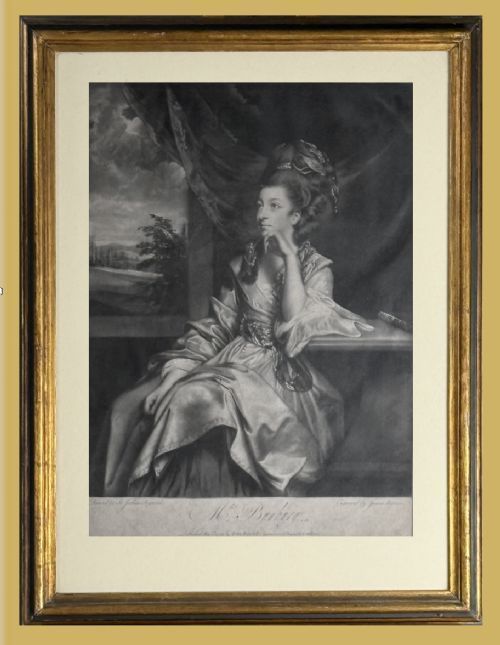
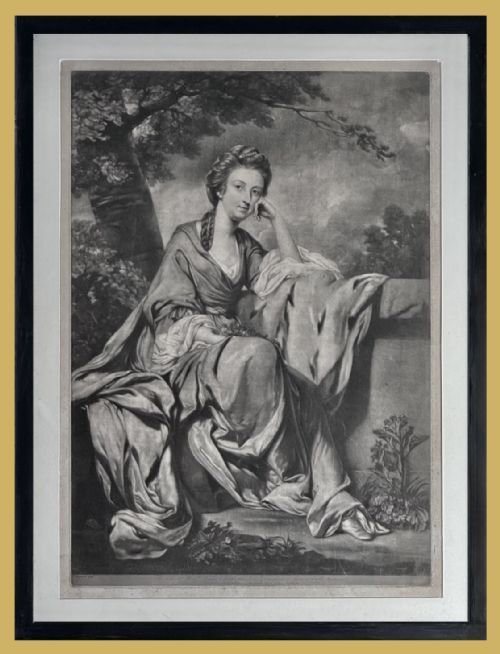
Printmakers employed copper plates to produce detailed mezzotints and engravings, often publishing multiples after prominent painters such as Sir Joshua Reynolds.
18th Century Wall Art Retail Price Guide 2026
Typical asking prices for 18th century wall art among the pieces listed under this phrase on Sellingantiques today, from the lower quarter to the upper quarter. They describe what is for sale here now, not the wider market.
Listings feature works spanning the seventeenth, eighteenth, and nineteenth centuries, executed in oil, pastel, ink, and gouache.
Factors determining quality
The preservation of the original surface, whether pigment on canvas or ink on paper, influences the integrity of the piece. Crisp impressions in mezzotints and engravings separate early strikes from worn later printings.
The authenticity of the framing materials, such as period giltwood frames matching the age of the artwork, contributes to the overall cohesion of the piece.
Sir Godfrey Kneller·John Simon·Michael Dahl·Charles-Antoine Coypel·Sir Joshua Reynolds·John Boydell·Pier Francesco Mola·James Watson·Edward Fisher·Francesco Bartolozzi·John Smith·Sebastiaan Vrancx·George Willison·John Bowles·Sir Peter Lely·Samuel Cooper·Francois Boucher·Katsukawa Shunsho·Thomas Murray·Lemuel Francis Abbott·Stickland Lowry·Charles Spooner·Hendrik Willem Schweickhardt·Jean-Baptiste Greuze·Benedetto Luti
The 18th Century Wall Art Glossary
- Mezzotint
- A printmaking process of the intaglio family where the surface is roughened to produce tones of grey and black. It allows for rich gradations of light and shadow, making it popular for portraiture.
- Gouache
- An opaque water-based paint consisting of pigment, water, and a binding agent such as gum arabic. It yields a flat, dense colour finish on paper.
- Stipple engraving
- A method of creating prints by dotting the copper plate rather than cutting continuous lines. This technique renders soft facial tones and delicate textures.
- Giltwood
- Wood that has been coated with a thin layer of gold leaf or powder. It is commonly found on decorative picture frames from the period.
- Pastel
- A dry painting medium in the form of a stick, consisting of pure powdered pigment and a binder. Works executed in this medium require glass protection.
18th Century Wall Art: Frequently Asked Questions
How do I identify a true period print?
Examine the paper quality, plate marks, and ink consistency under magnification. Period prints typically exhibit distinct impressions where the copper plate pressed into damp paper.
Compare the paper tone and watermark characteristics with known examples from the era to confirm age.
Where should I hang these artworks?
Position oil paintings and works on paper away from direct sunlight and damp environments to protect the pigments. Stable interior walls maintain the structural integrity of canvas and wooden stretchers.
Pair complementary portrait subjects or botanical engravings to create balanced arrangements within period interiors.
What is the difference between an oil painting and an oleograph?
An oil painting consists of hand-applied pigments on canvas or panel by an artist. Brush texture and pigment depth reveal the physical application of paint.
An oleograph is a mechanical reproduction that mimics the texture of an oil painting using a lithographic process.
How are antique frames attributed?
Inspect the joinery, wood type, and gesso application on the reverse of the frame. Period frames often feature hand-carved wooden ornament beneath the gilt layer rather than moulded composition.
Cross-reference the frame style with the date of the artwork to determine if they are original to one another.