


18th Century Vernacular Chair
An 18th century vernacular chair brings everyday domestic history into a room through honest regional craftsmanship and tactile domestic woods.

18th Century Vernacular Chair
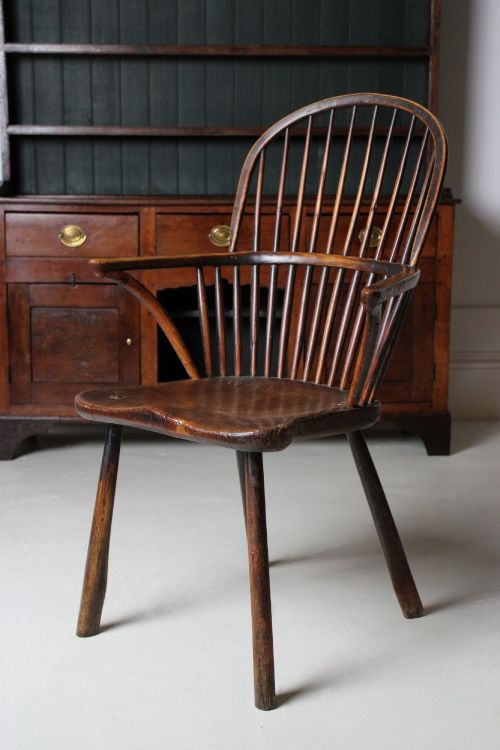
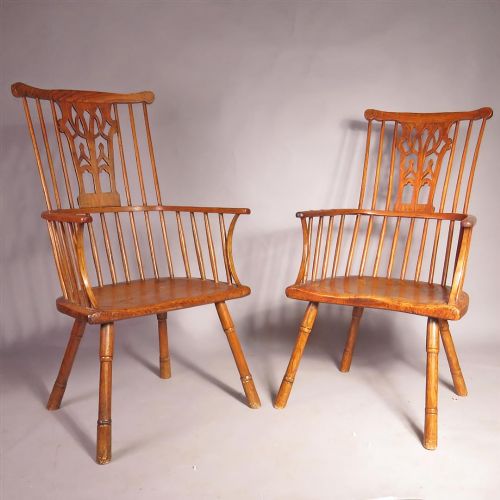
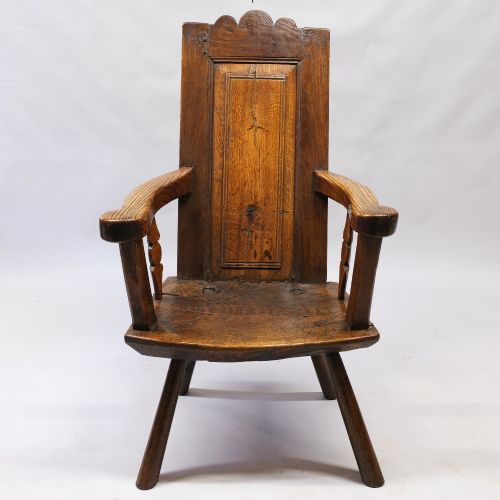
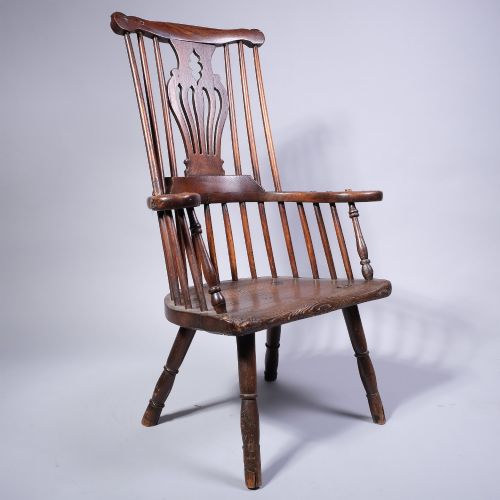
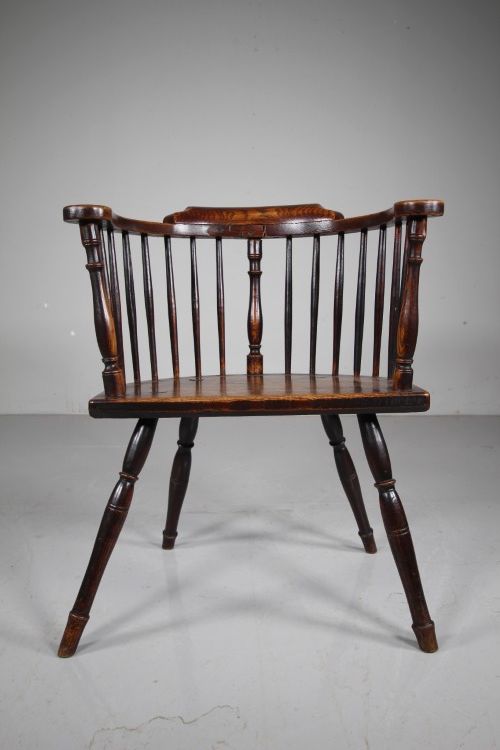
The 18th century vernacular chair encompasses unpretentious domestic seating built by regional rural makers for daily use rather than grand formal display. Buyers examining this page encounter diverse regional forms including comb-back Windsors, lambing chairs, ladder backs, and panel-backed armchairs spanning the Georgian era and beyond. These pieces originate from local traditions across England, Wales, Scotland, and specific locales such as the Thames Valley, Lakeland, and Cheshire.
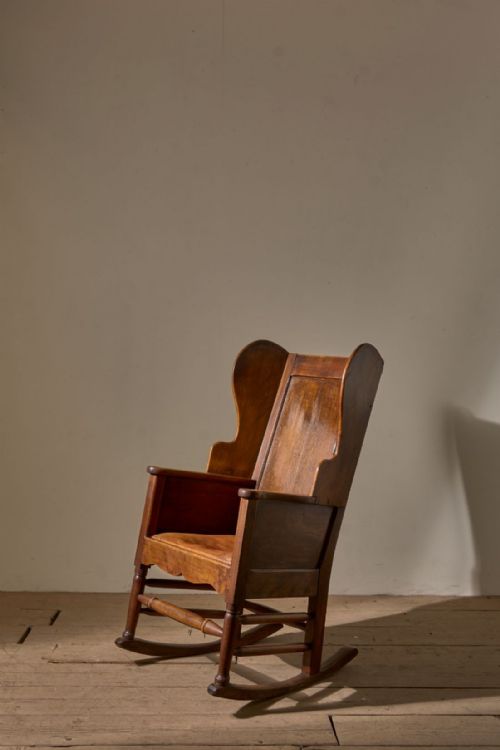
Most examples appearing in current listings skew towards Windsor armchairs and sturdy elm or oak country chairs produced during the eighteenth century. Alongside adult seating, the selection includes smaller pieces such as children's chairs, rocking chairs, and commode chairs. Regional variations emerge clearly in structural details like stick-back frames, rush seats, and low spindles.
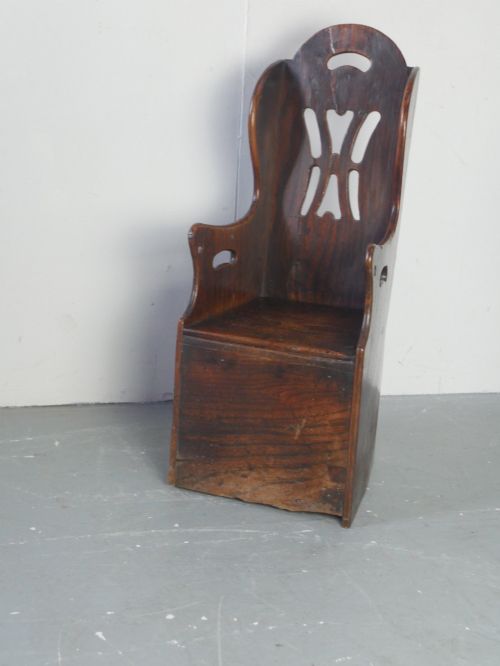
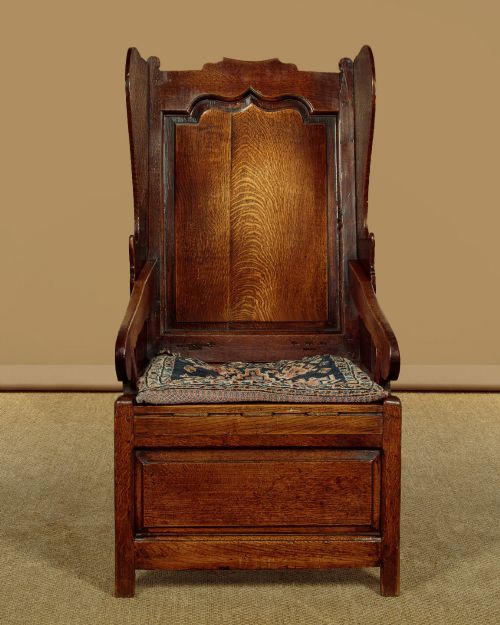
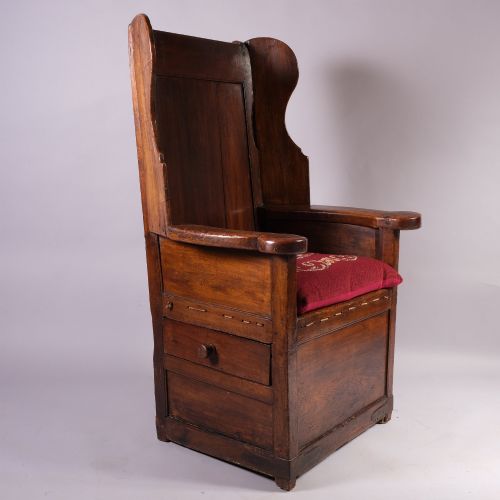
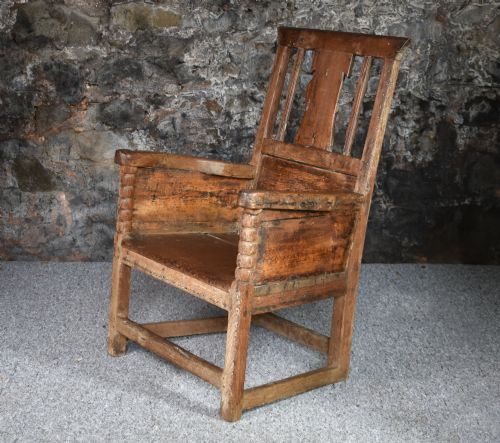
Makers constructed these chairs to serve specific domestic needs, yielding forms like the high-backed lambing chair designed to shield occupants from draughts by the hearth. Other pieces function as simple side chairs or robust dining chairs built with local materials at hand. The survival of original paint surfaces, tool marks, and unpretentious repairs adds direct physical connection to rural life of the period.
Materials and Construction
Rural joiners and bodgers built 18th century vernacular chairs using a combination of native hardwoods tailored to structural demands. Ash and elm appear frequently, providing tough bending strength for spindles and durable seats, while oak forms solid frames and panel backs.
Makers integrated supporting timbers such as yew, fruitwood, laburnum, pine, and birch into specific parts of windsor and stick-back chairs. Seats often consist of carved solid elm planks, and rush forms woven seating surfaces in ladder-back variants.
Workshops utilised traditional joinery like wedged tenons and turned components alongside painted surface finishes. Many surviving examples retain traces of original brown or coloured paint applied to protect and unify the mixed timbers.
Listings feature regional variations spanning Welsh, Scottish, West Country, and Thames Valley traditions, constructed in oak, ash, elm, and yew.
Evaluating Quality and Character
Quality in an 18th century vernacular chair rests upon the integrity of its original construction and the balance of its regional proportions. A superior piece displays harmonious integration of mixed woods, such as contrasting yew and elm in a windsor bow, shaped cleanly by hand.
The preservation of original surface finishes, including early brown paint or natural patination on oak and ash, elevates a piece above examples stripped down to bare wood. Original build elements, such as uncompromised stick joints and unaltered seat bases, distinguish well-surviving provincial work from heavily restored items.
The 18th Century Vernacular Chair Glossary
- Vernacular chair
- Domestic seating produced by regional makers using local traditions rather than mengikuti metropolitan academic styles. These pieces reflect the functional needs and available materials of specific rural areas.
- Windsor chair
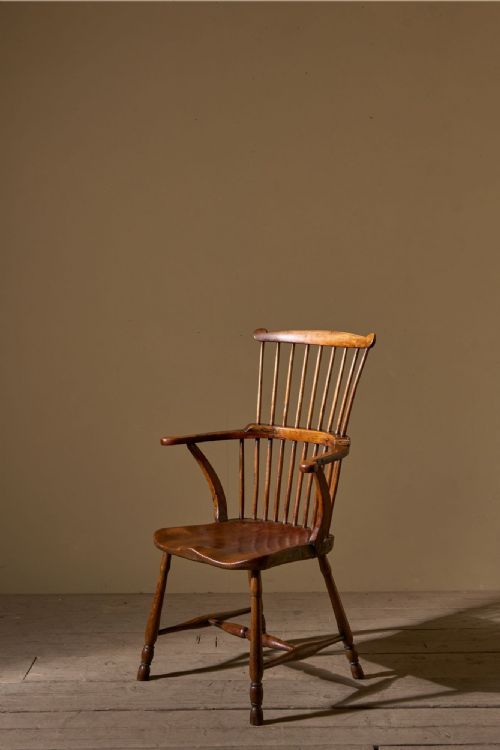
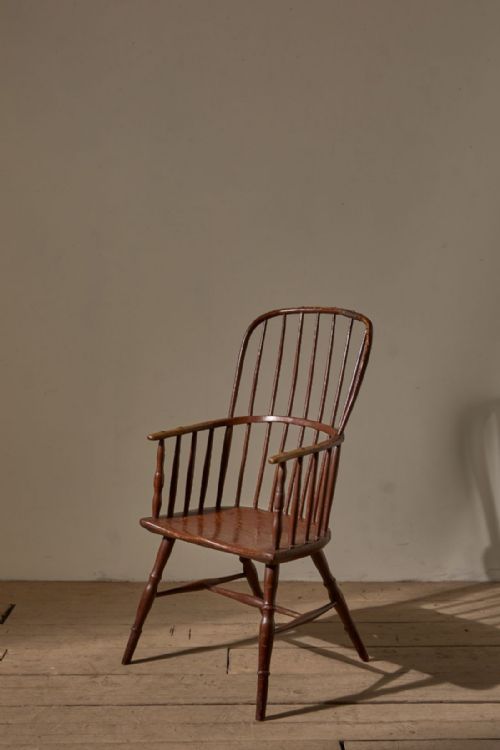
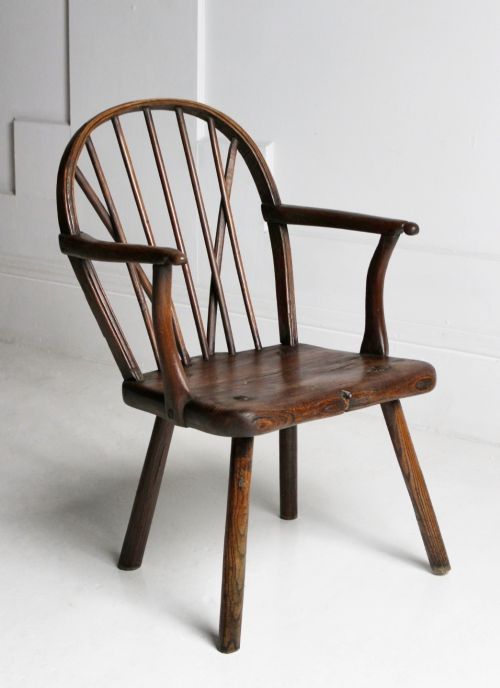
- A chair built with a solid wooden seat into which the legs and back sticks are independently inserted. The design relies on the strength of turned spindles and bentwood bows.
- Lambing chair
- A high-backed enclosed wooden armchair featuring solid side wings designed to block cold draughts near an open hearth. They frequently incorporate integrated under-seat storage boxes.
- Comb back
- A Windsor chair variation where the top of the stick-backed frame finishes in a horizontal headrest resembling a hair comb. This style appears frequently in Welsh and English country seating.
- Rush seat
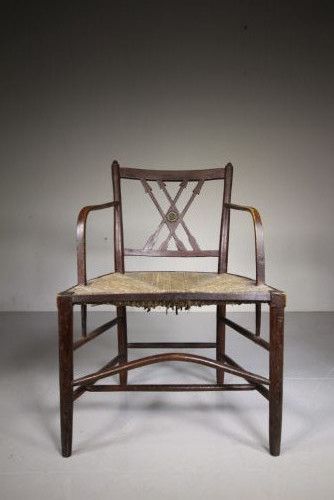
- A seating surface woven from dried marsh rushes twisted into cords and patterned across a chair frame. It provides a flexible and traditional base for ladder-back and country dining chairs.
- Stick back
- A chair construction method utilising multiple turned or cleft wooden rods inserted directly into the seat to form the backrest. This technique defines many regional country chairs.
18th Century Vernacular Chair: Frequently Asked Questions
What is a vernacular chair?
A vernacular chair is a piece of everyday seating made by local rural craftsmen without adherence to fashionable urban design rules. These chairs derive their forms from regional traditions and practical domestic requirements.
They utilise locally sourced timbers such as oak, ash, and elm, resulting in sturdy furniture built for daily use in farmhouses and cottages rather than formal reception rooms.
How do you identify a Windsor chair?
A Windsor chair is identifiable by its solid wooden seat slab that directly anchors the legs underneath and the back spindles above. The backrest is constructed from slender sticks or a bent wooden bow.
Regional variations include comb-back tops, low stick backs, and combinations of woods like yew, elm, and fruitwood within a single frame.
What was a lambing chair used for?
A lambing chair was used beside the domestic hearth to protect the occupant from cold draughts using its characteristic high back and solid side wings. The enclosed design kept heat close to the person sitting.
Many examples also feature an enclosed compartment beneath the seat for storing small domestic items or keeping young animals warm.
Are these chairs comfortable for daily use?
These chairs offer surprisingly supportive seating due to ergonomically carved solid elm seats and shaped back spindles tailored by experienced makers. Their robust construction handles regular sitting.
Adding cushions or sheepskins to wooden seats makes them suitable for modern living rooms, studies, and kitchens.
How can I tell where an 18th century chair came from?
Regional origins are told through distinct construction methods, local timber choices, and specific regional forms like Welsh comb-backs or Thames Valley Windsor details. Makers relied on materials available in their immediate geographic area.
Distinct structural habits, such as specific spindle turnings or ladder-back profiles from counties like Cheshire, help trace their provenance.