

18th Century Tray
When you handle an 18th century tray, you encounter domestic service and dining traditions rendered in solid mahogany, silver, and old Sheffield plate.
18th Century Tray
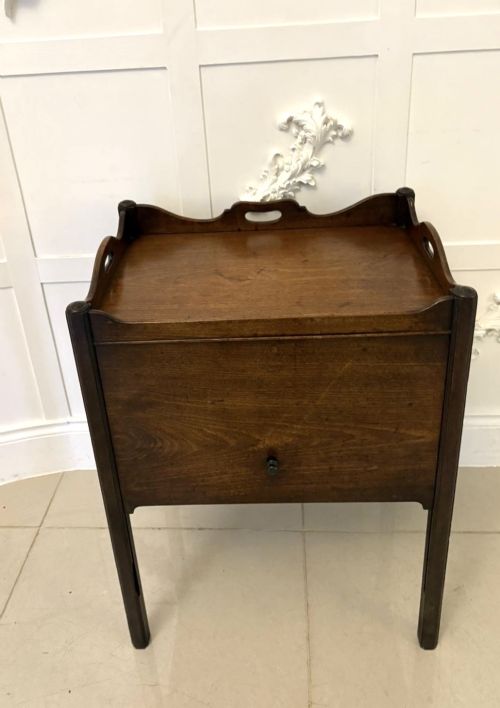
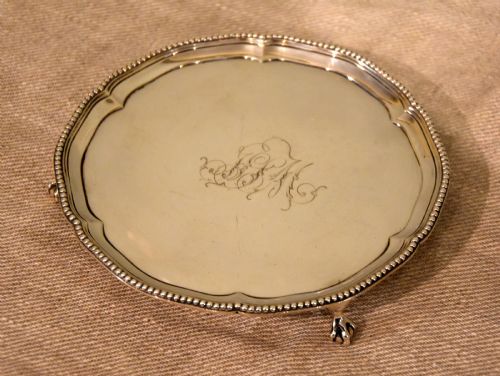
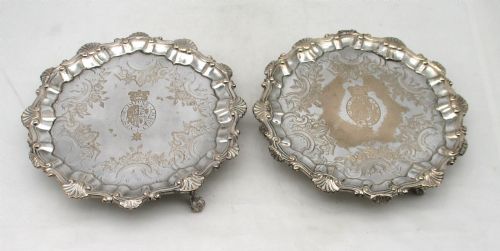
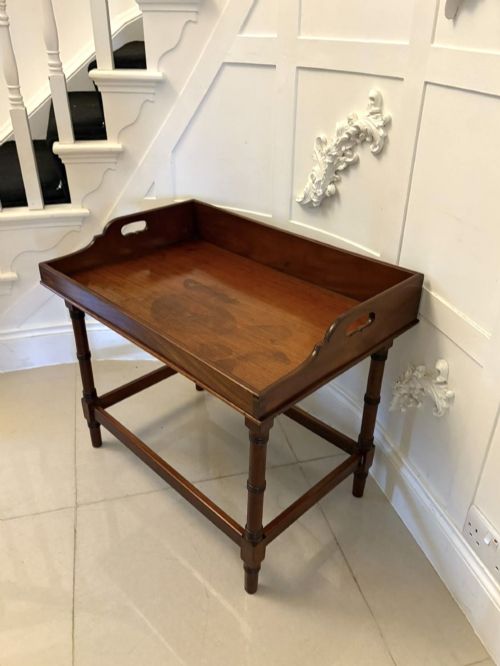
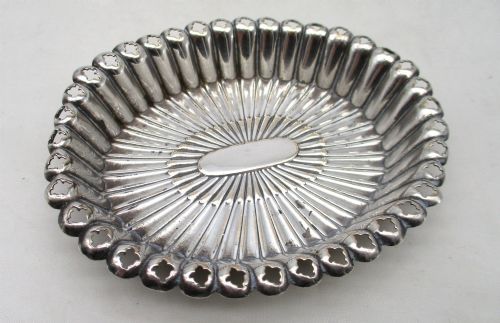
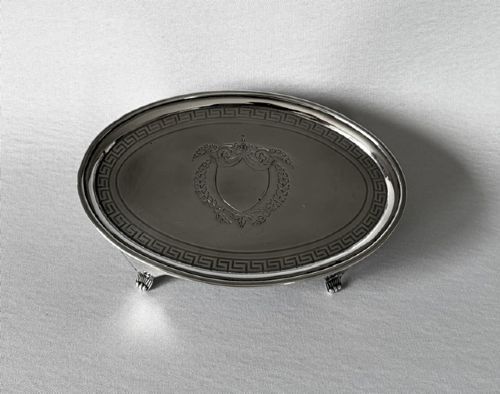
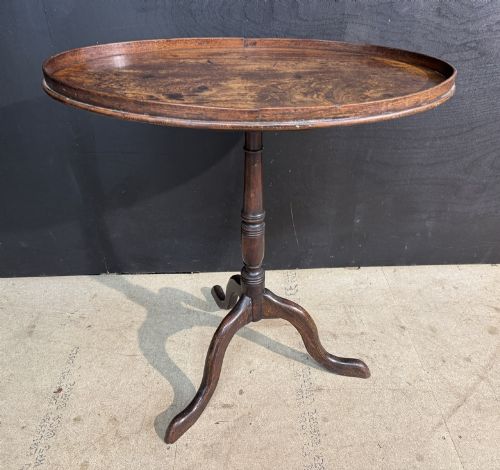
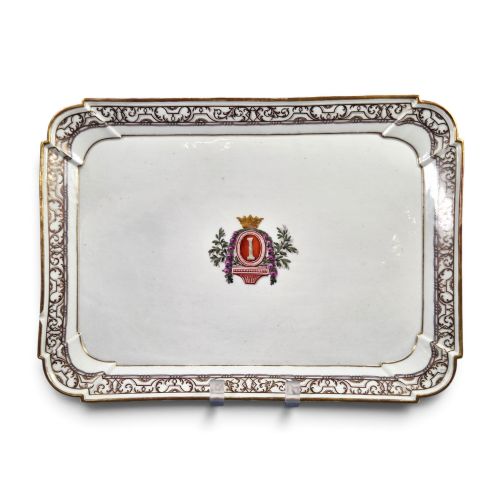
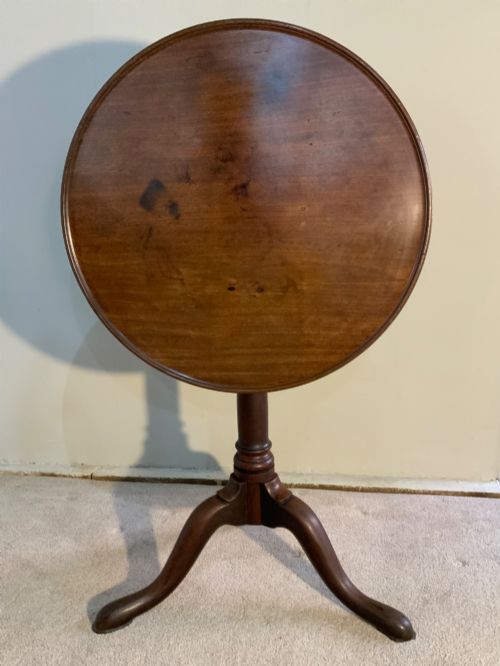
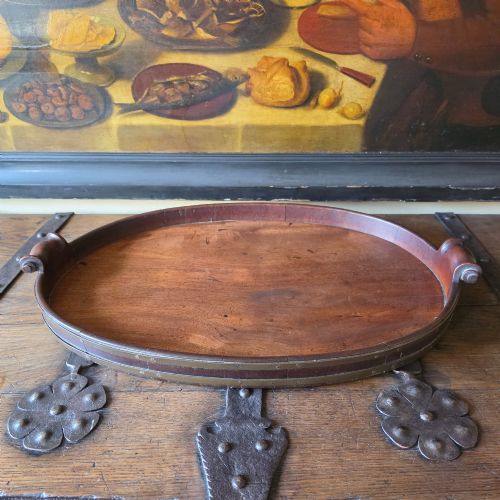
An 18th century tray encompasses serving vessels, card trays, and butler's trays on stands, alongside furniture featuring raised edges designed to secure objects during use. You will frequently meet mahogany butler's trays paired with folding stands, as well as smaller silver and silver-plated card trays intended for visiting cards or small items.
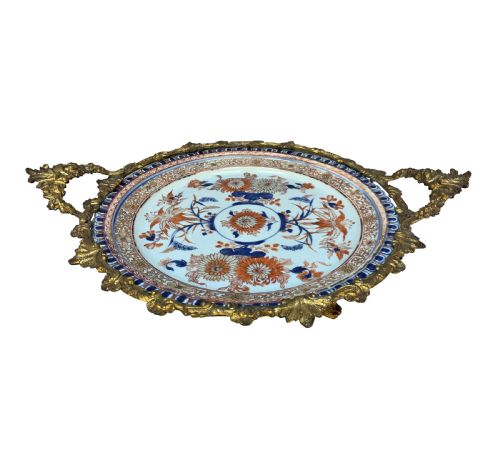
The materials span dense Cuban mahogany, sterling silver, old Sheffield plate, porcelain, and copper, reflecting diverse domestic functions from formal dining to bedside utility. These objects originate predominantly from Georgian workshops, embracing cabinet-making traditions that prioritise structural integrity and refined surface grain.
How they were made
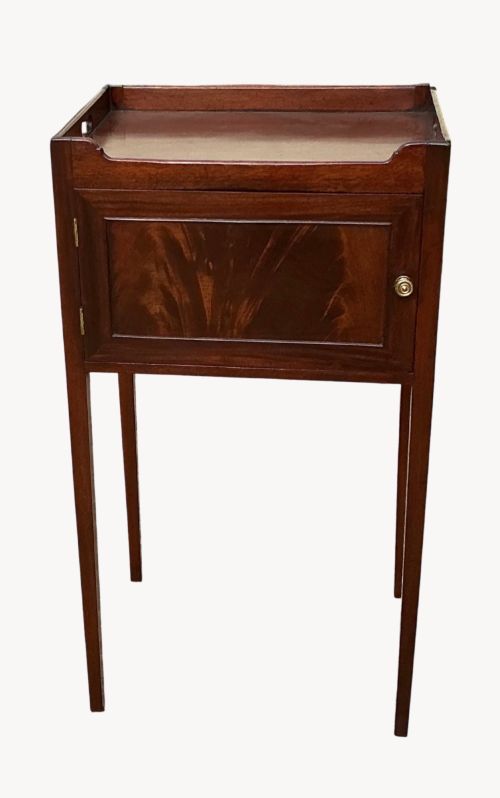
Cabinetmakers constructed wooden trays and tray top tables using solid mahogany or oak, frequently shaping raised galleries from single planks or joining moulded rims with mitred corners. Silver and old Sheffield plate pieces involve smithing, hammering, and fusing silver sheets onto copper bases, often complemented by hand-engraved heraldry or borders.
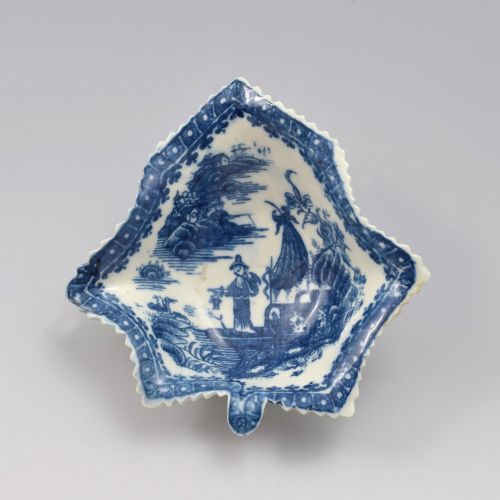
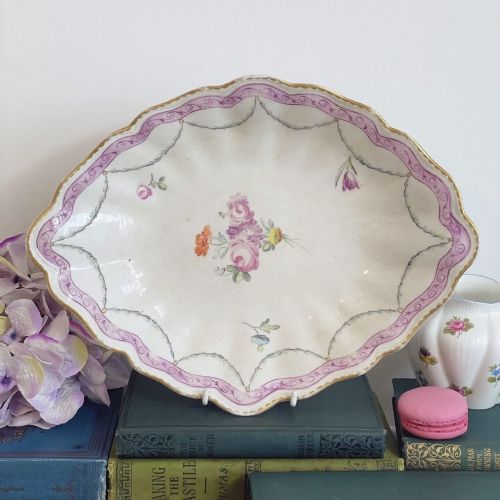
Porcelain examples from factories like Derby, Worcester, and Caughley utilise soft-paste clay bodies shaped in moulds, painted with hand-applied polychrome or underglaze blue enamels, and fired in kilns. Inlaid pieces incorporate delicate contrasting timbers such as satinwood to create geometric or floral motifs across the surface.
Some copper roasting trays retain deep gravy wells designed to capture juices before the Sunday roast met the table.
What varies in quality
Quality rests on the crispness of hand-carved mouldings, the thickness and integrity of silver plating over copper, and the selection of timber grain. Superior mahogany examples display rich natural figuring and robust dovetail joinery, while finer silver pieces exhibit substantial metal gauge and restrained, precise engraving.
Porcelain trays distinguish themselves through the clarity of the painted enamels, the absence of firing distortions in the soft-paste body, and the presence of authentic period factory marks. In plated items, minimal wear to the underlying copper base denotes higher initial production standards.
Robert Abercromby·Joseph Gaspard Robert·Caughley Porcelain·Ludwigsburg Porcelain
The 18th Century Tray Glossary
- Old Sheffield Plate
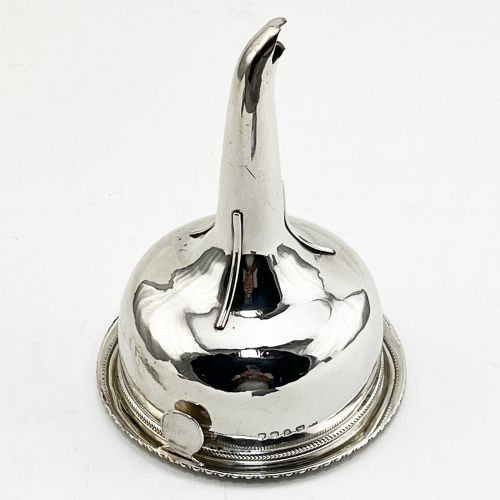
- A composite material formed by fusing a thin sheet of silver to a thicker copper ingot under heat and pressure. This technique preceded modern electroplating.
- Salver
- A flat metal disc with a raised edge or feet, utilised for serving food or drinks. In 18th century usage, it frequently functioned as a card tray.
- Tray Top
- A furniture design featuring a raised rim integrated into the surface of a table or commode. This rim prevented tableware or small items from sliding off during movement.
- Soft-paste Porcelain
- A ceramic composition made from white clay and glass frit rather than hard kaolin. It was widely fired in 18th century European kilns.
- Butler's Tray
- A portable wooden tray with hinged or fixed sides, usually paired with a collapsible folding stand. It allowed domestic staff to transport dining wares efficiently.
18th Century Tray: Frequently Asked Questions
What was an 18th century tray used for?
These pieces served multiple domestic roles, from carrying tea and wine to presenting calling cards in formal reception rooms. Smaller vessels held inkstands or dining implements, while large wooden variants rested on stands for serving meals.
Craftsmen adapted the form to suit specific household tasks, resulting in specialised shapes like cheese coasters, pickle dishes, and cutlery trays.
How do you clean an antique silver tray?
Careful dusting with a soft, dry cloth preserves the aged surface without stripping the natural patina accumulated over centuries. Avoid harsh commercial dips that remove historical depth and soften hand-engraved details.
Professional conservation advice is recommended for pieces with delicate old Sheffield plating to prevent exposing the underlying copper base.
How do I distinguish old Sheffield plate from silver?
Examining the edges often reveals a thin line of copper where the fused silver layer has worn through over generations of use. Sterling silver displays consistent metal colour throughout and bears official hallmarking stamps.
Weight and resonance also differ, as copper-cored pieces respond differently to handling compared to solid silver items of equivalent thickness.
How can I date an 18th century tray?
Stylistic indicators such as Chippendale frets, George III neoclassical lines, or Rococo asymmetrical scrolls provide clear chronological markers. Wood selection, such as heavy Cuban mahogany utilised in earlier decades, also aids attribution.
Porcelain pieces rely on underglaze factory marks, baseline glazing characteristics, and specific hand-painted enamel palettes recorded in manufacturing histories.