




18th Century Textile Art
These pieces of 18th century textile art bring centuries of woven silk, wool, and embroidery into modern interiors as wall hangings and framed panels.
18th Century Textile Art
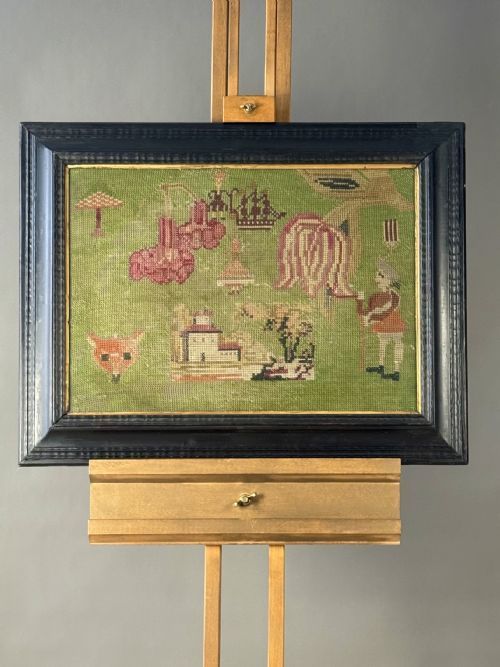
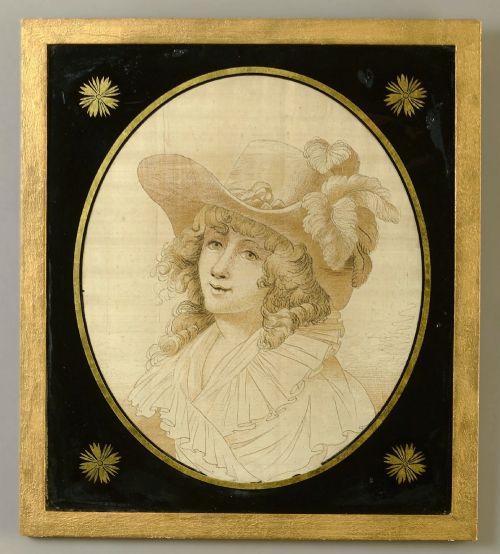
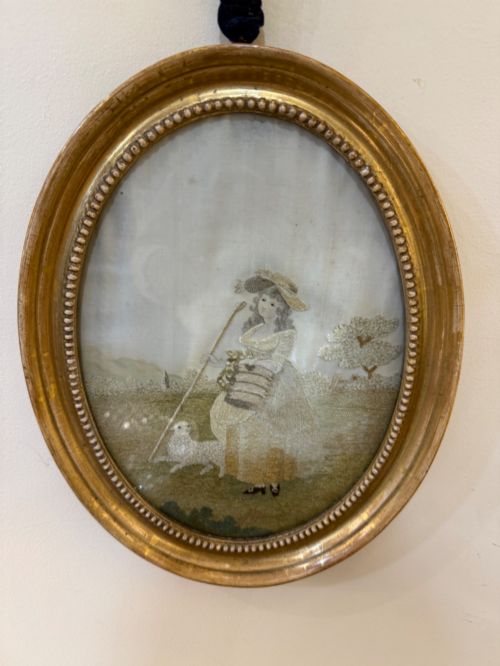
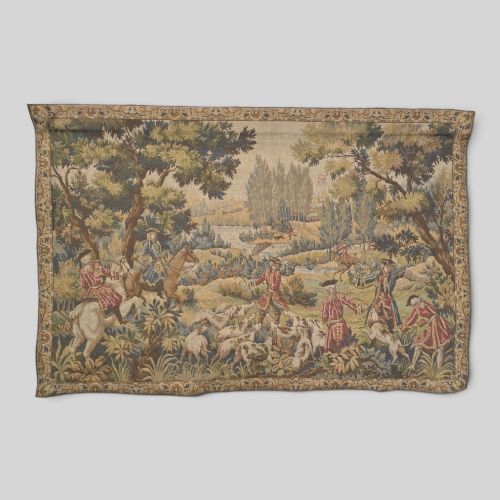
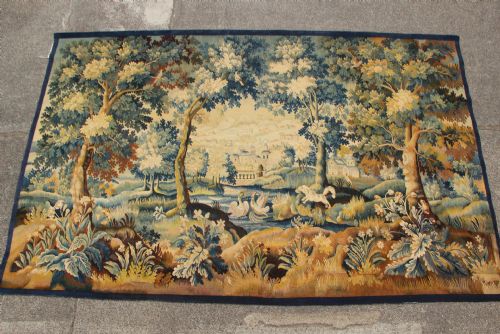
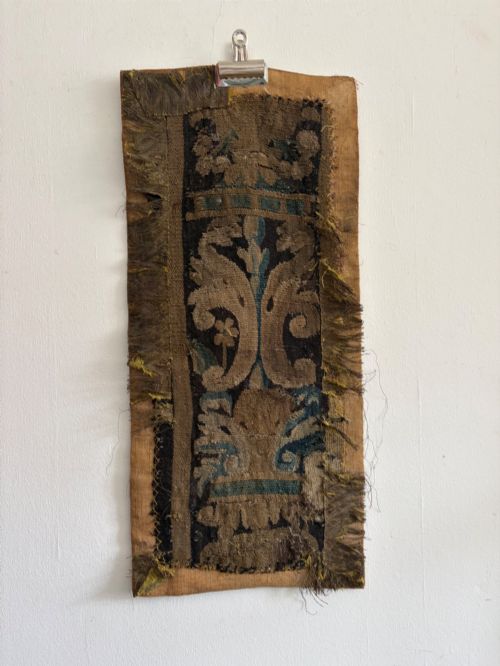
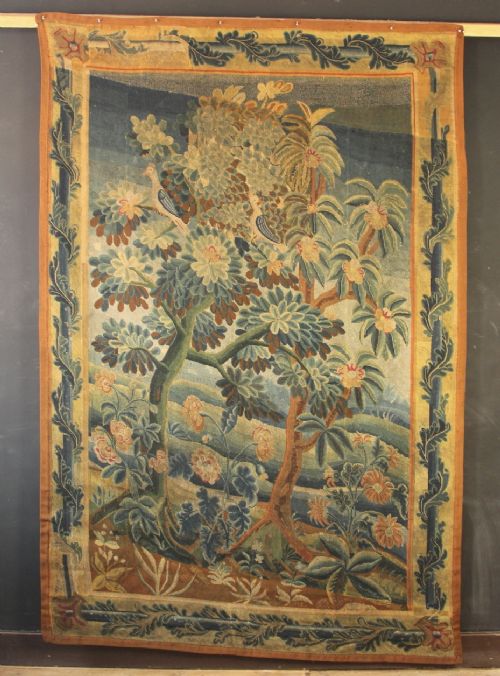
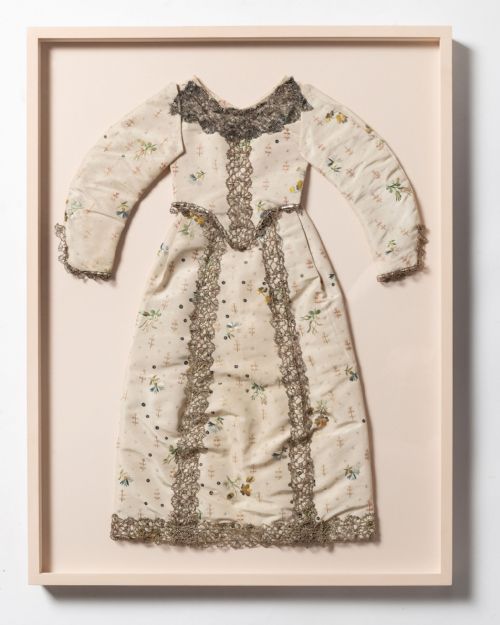
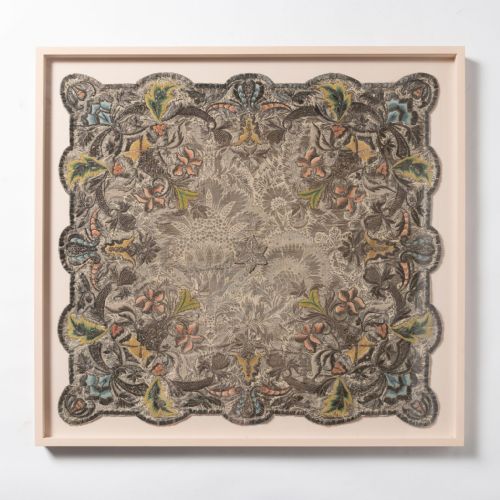
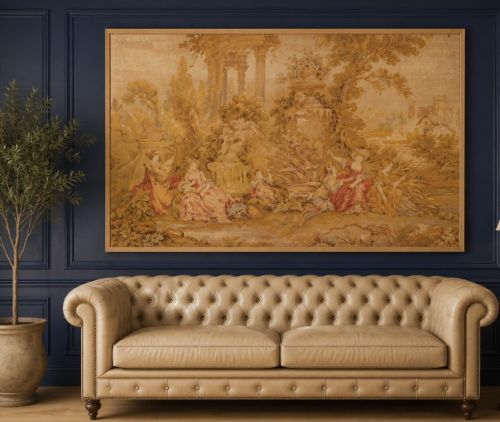
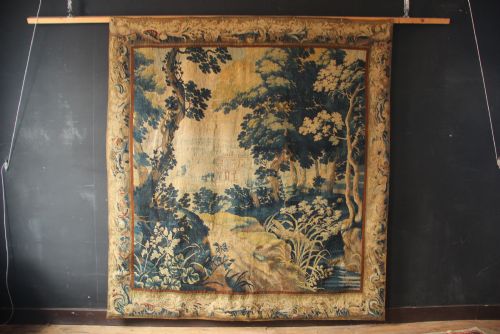
When you search for 18th century textile art, you encounter a diverse range of historic handworked items spanning framed needlework pictures, embroidered samplers, and large wall tapestries. The selection here leans heavily towards woven tapestries, verdure panels from Flemish and French workshops, and detailed silk or wool needlework.
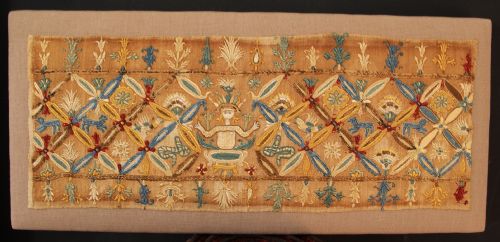
Examples stretch across various origins including English band samplers, Greek island embroideries, and Aubusson wall hangings. These objects often arrive mounted to linen or framed behind glass, preserving centuries-old fabric panels for display.
Materials and construction
Materials recorded in these pieces rely upon natural fibres such as silk, wool, linen, and cotton, frequently accented with metallic thread or silk floss. Artisans worked these textiles using specialised needlework techniques, hand-weaving, and embroidery on canvas or linen grounds.
Larger wall hangings incorporate heavy wool and silk yarns in complex verdure designs, whilst smaller framed panels utilise delicate embroidery stitches. Supporting structures occasionally involve wood, glass, and giltwood frames to mount and protect the fragile fabrics.
Listings feature textiles spanning the 18th century alongside related Georgian pieces, alongside occasional 19th and early 20th century examples.
Judging the quality
Quality in 18th century textile art depends on the fineness of the stitching, the complexity of the design, and the survival of the original materials. Tightly worked needlework pictures and densely woven verdure tapestries demonstrate superior technical skill compared to looser, simpler fragments.
The integrity of the fibres and the retention of vibrant dye colours, particularly in silk and metallic threads, distinguish the finer panels. Framing and mounting choices also influence how well the historic textile displays its original detail.
Mary Greening
The 18th Century Textile Art Glossary
- Sampler
- A piece of needlework produced as a demonstration or test of skill in various stitches, often featuring alphabets, numbers, and motifs. These historic cloths help date needlework by recording the maker's name and year.
- Verdure tapestry
- A woven wall hanging dominated by plant and landscape motifs, typically featuring trees, foliage, and occasionally birds or animals. Flemish and French workshops produced these large decorative panels.
- Ciselé velvet
- A velvet fabric where the pattern is created by cutting some loops of the pile while leaving others uncut. This technique produces contrasting textures against a flat ground.
- Band sampler
- A long, narrow embroidery cloth divided into horizontal bands of distinct patterns and stitches. English makers frequently utilised this format in the historic period.
- Embroidery
- The craft of decorating fabric using a needle to apply thread or yarn. Historic examples incorporate silk floss and metal threads to build pictorial scenes.
18th Century Textile Art: Frequently Asked Questions
How do I hang a heavy textile tapestry?
Large wall tapestries require even weight distribution across a sturdy backing or a specialised wooden batten system. Fastening the textile directly to a supportive linen lining prevents the historic weave from stretching under its own mass.
Position the hanging away from direct sunlight and moisture sources to protect delicate wool and silk fibres from fading or decay.
Were these tapestries used as wall insulation?
Large woven panels originally served both a decorative function and a practical purpose in drafty historic stone buildings. Heavy wool and silk layers trapped warmth inside rooms while displaying elaborate pastoral or verdure scenes.
Over time, these functional hangings evolved into purely artistic wall displays mounted in frames or stretched across dedicated wooden panels.
How should I clean historic embroidery?
Historic silk and wool textiles require professional conservation rather than standard domestic washing methods. Water and modern detergents can dissolve brittle fibres and cause historic dyes to run or fade permanently.
Surface dust can be gently removed with low suction through a protective mesh screen, but any deeper cleaning must be left to textile restoration specialists.
What is the difference between a sampler and a needlework picture?
Samplers primarily functioned as practice pieces displaying an assortment of stitches, alphabets, and geometric motifs, often worked by younger makers. They serve as documentary records with dates and signatures.
Needlework pictures were designed from the outset as finished artworks meant for framing, depicting complete pictorial scenes like landscapes, portraits, or pastoral farming views.