
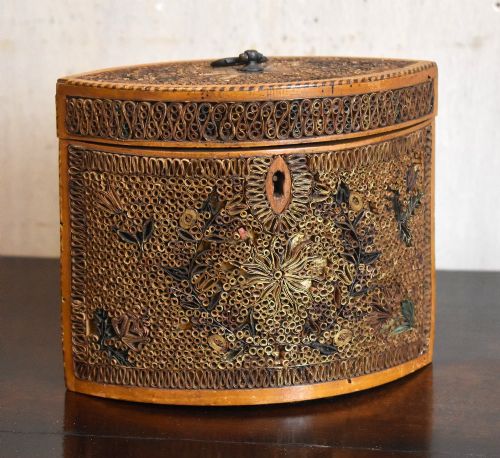


18th Century Tea Box
An 18th century tea box is a small, secure vessel built to preserve precious dry leaves, offering refined joinery and tactile warmth.
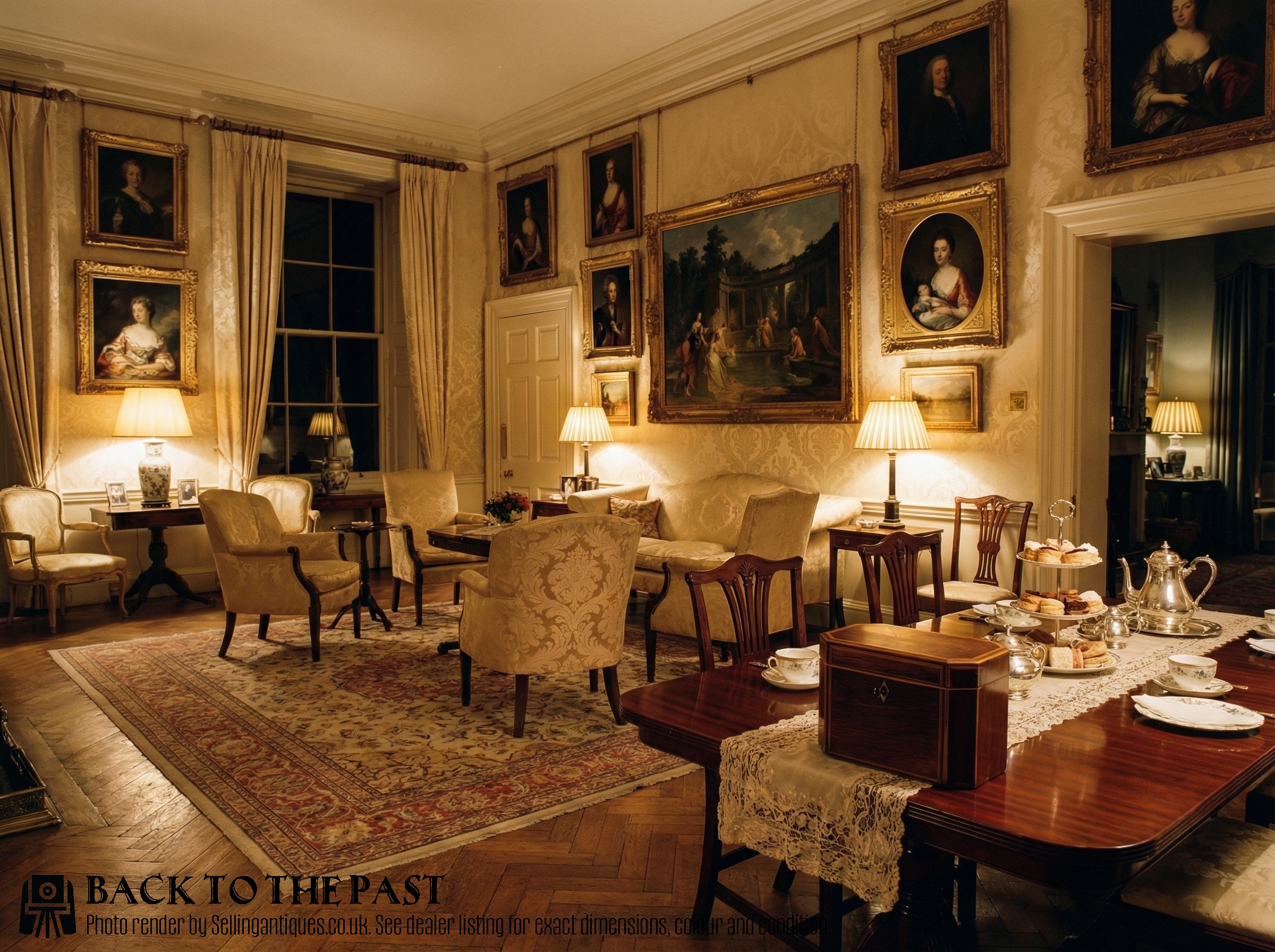
18th Century Tea Box
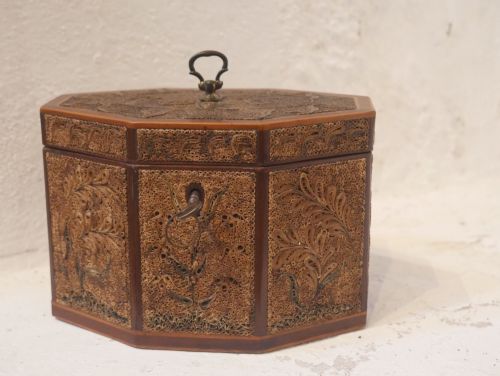
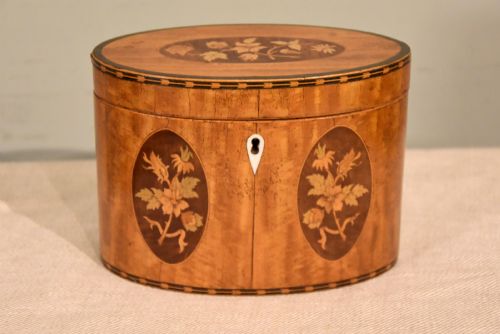
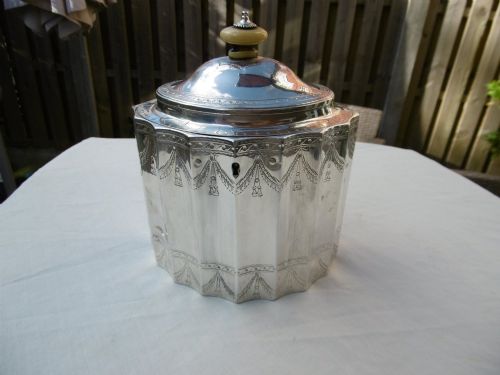
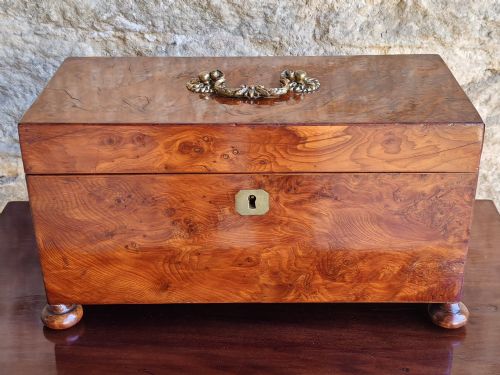
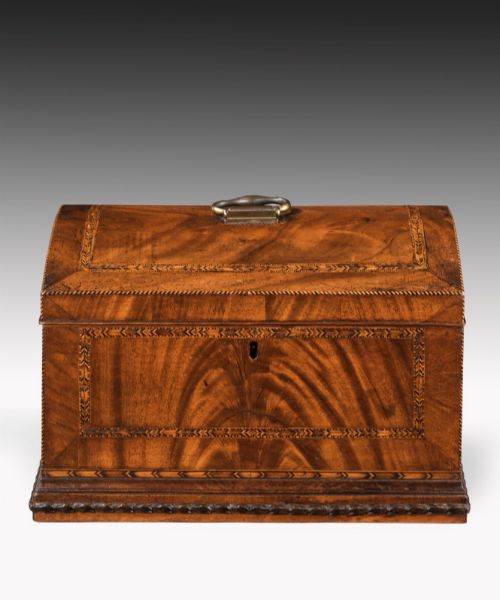
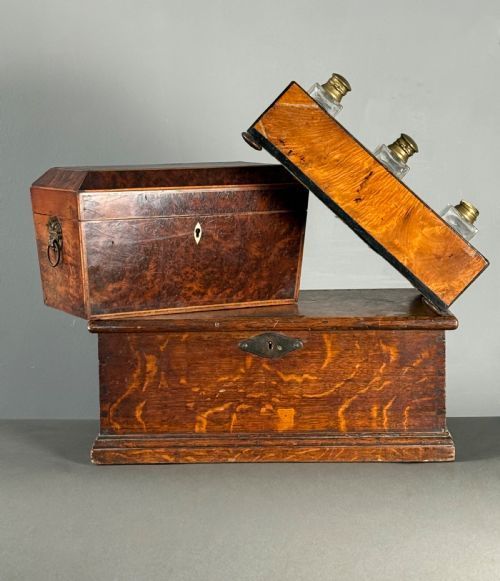
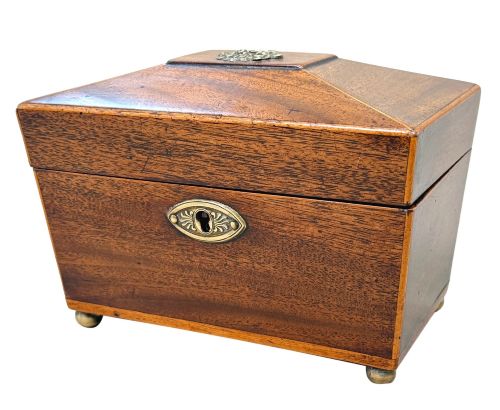
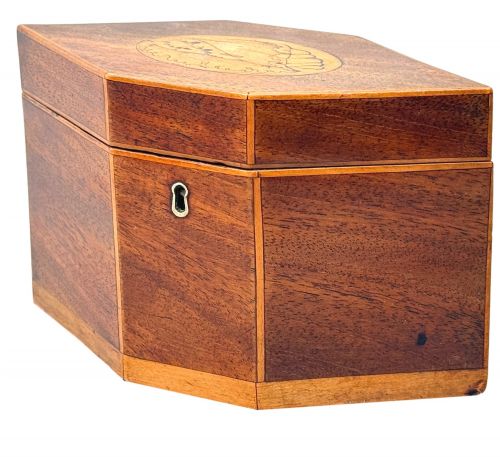
When you search for an 18th century tea box, you encounter timber receptacles shaped to house expensive imported leaves under lock and key. The examples appearing here span rectangular, oval, octagonal, and sarcophagus forms executed during the Georgian, George III, and George II periods.
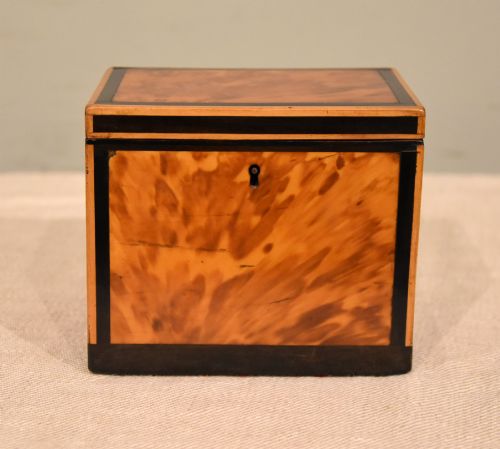
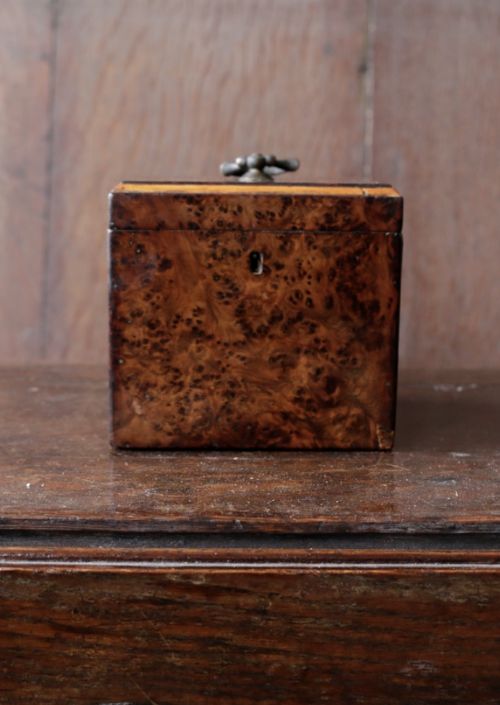
Mahogany remains the dominant wood species encountered on this page, accompanied by lighter decorative veneers like satinwood, harewood, and burr walnut. Artisans also utilised tortoiseshell, partridge wood, and paper filigree to construct containers that doubled as ornamental pieces for the parlour.
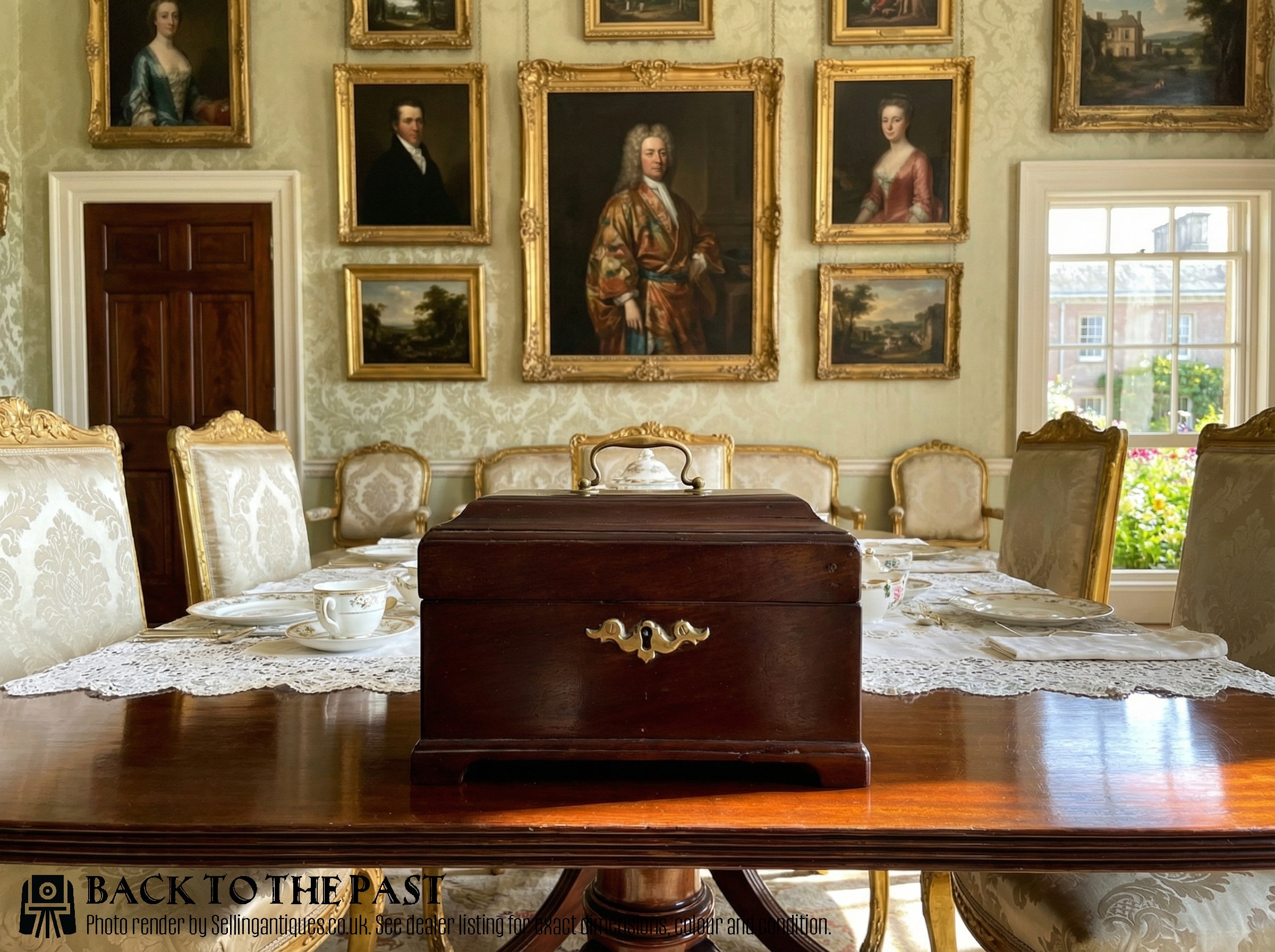
Materials and Technique
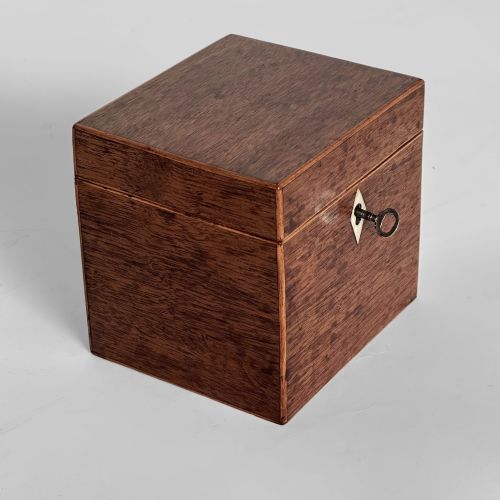
Cabinetmakers built these containers using dense tropical hardwoods and indigenous fruitwoods, often applying figured veneers such as flame mahogany or burr yew across the exterior surfaces. Boxwood and ebony stringing frequently outlines geometric panels, while delicate butterfly and star inlays punctuate the lids.
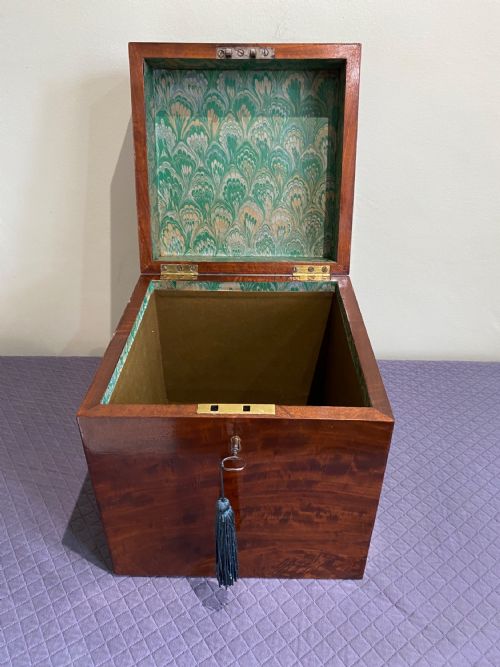
Internal arrangements typically incorporate wooden foil-lined compartments with fitted lids, and select instances retain original glass bowls and mixing sticks. Brass handles, escutcheons, and functioning locks secure the contents, reflecting meticulous metalworking standards of the era.
18th Century Tea Box Retail Price Guide 2026
Typical asking prices for 18th century tea box among the pieces listed under this phrase on Sellingantiques today, from the lower quarter to the upper quarter. They describe what is for sale here now, not the wider market.
Listings feature woods including mahogany, satinwood, burr walnut, harewood, and partridge wood alongside tortoiseshell.
Distinctions in Execution
The degree of refinement rests largely on the complexity of the timber selection and the precision of the surface enrichment. Grain alignment across multiple panels and the crispness of contrasting inlay demonstrate the maker's competence.
Survival of internal components such as secondary lids, dividers, and original hardware elevates an example above a carcass stripped of its fittings. The integrity of the polish and the subtlety of shaping further distinguish standard production from exceptional pieces.
Robert Hennell
The 18th Century Tea Box Glossary
- Escutcheon
- A protective brass plate surrounding the keyhole of a box. It prevents the surrounding timber from splintering through repeated use.
- Caddy
- A small container designed for holding tea. The term derives from catty, the Chinese unit of weight.
- Stringing
- Thin inlaid lines of contrasting wood used to outline panels on furniture and boxes. It creates a crisp, linear border.
- Sarcophagus
- A monumental coffin shape adapted for tea caddies during the Georgian period. These boxes feature stepped pedestals and curved sides.
- Navette
- A pointed, boat-shaped outline popular for oval boxes during the late eighteenth century. This geometry offers a slender silhouette.
18th Century Tea Box: Frequently Asked Questions
What is an 18th century tea box?
An 18th century tea box is a lidded wooden container created to store dry tea leaves securely. These receptacles protected expensive imported leaves from moisture and light.
Craftsmen built them in various geometric forms using fine timbers like mahogany, satinwood, and tortoiseshell. They often included internal compartments and locking mechanisms.
How were tea boxes used?
Households used these containers in the drawing room to measure out precious tea leaves for daily brewing. Because tea carried immense value, the box remained locked, and the host kept the key.
Some interiors featured glass mixing bowls where different leaf varieties could be blended before brewing. Secret drawers occasionally concealed hidden compartments for personal items.
How do I identify a Georgian tea box?
Georgian tea boxes display characteristic period woods such as flame mahogany, burr yew, and harewood. Details like boxwood stringing, shell inlays, and brass escutcheons help anchor them to the 18th century.
Shapes range from straightforward rectangular forms to elegant oval, octagonal, and sarcophagus silhouettes. Construction methods rely on traditional dovetail joints rather than modern fasteners.
How do I care for an antique tea box?
Maintain these wooden boxes in stable indoor conditions away from direct sunlight and extreme humidity fluctuations. Excessive dryness can cause delicate veneers and inlays to lift from the carcass.
Clean surfaces gently with a soft, dry cloth without applying modern chemical polishes or oils. Preserving the original polished finish ensures the timber maintains its historic character.