


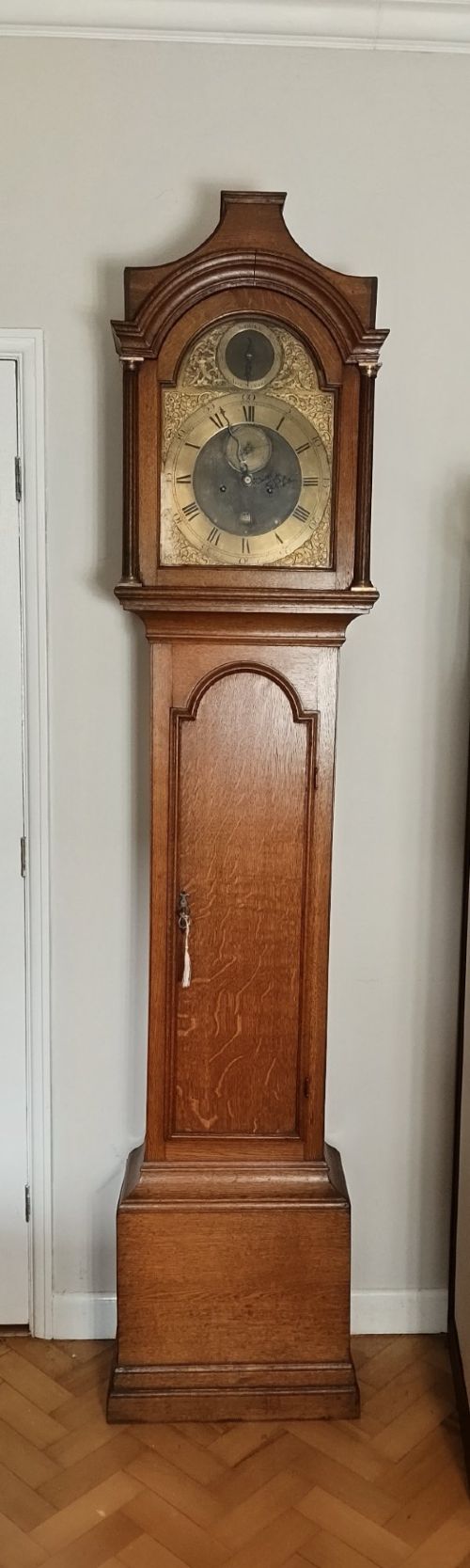
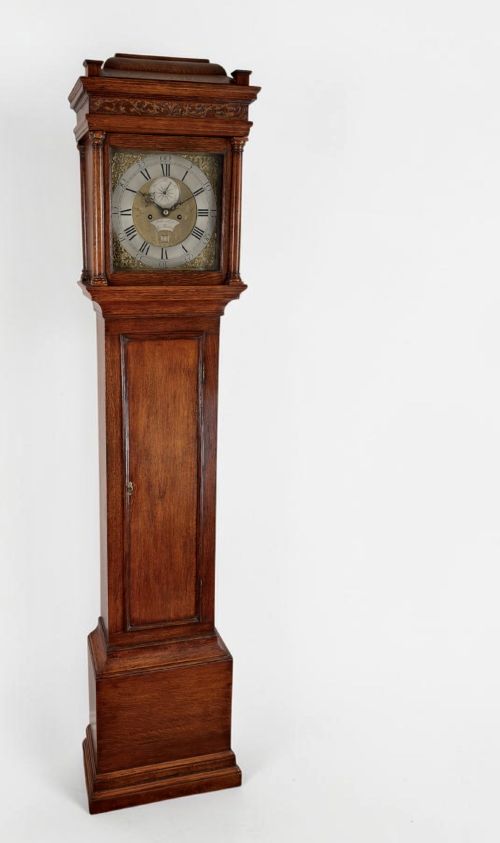
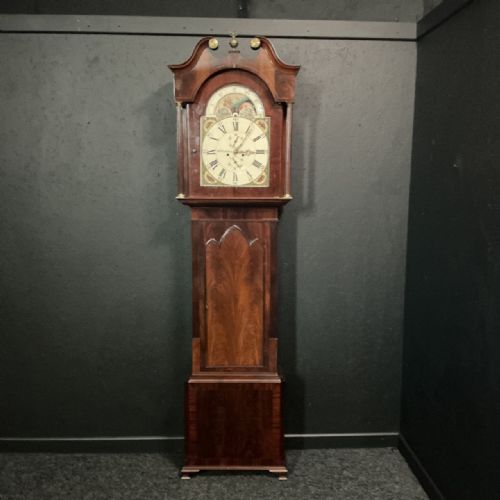
18th Century Tall Clock
These substantial floor-standing timepieces, commonly known as an 18th century tall clock, bring both mechanical heritage and architectural presence to a room.
18th Century Tall Clock
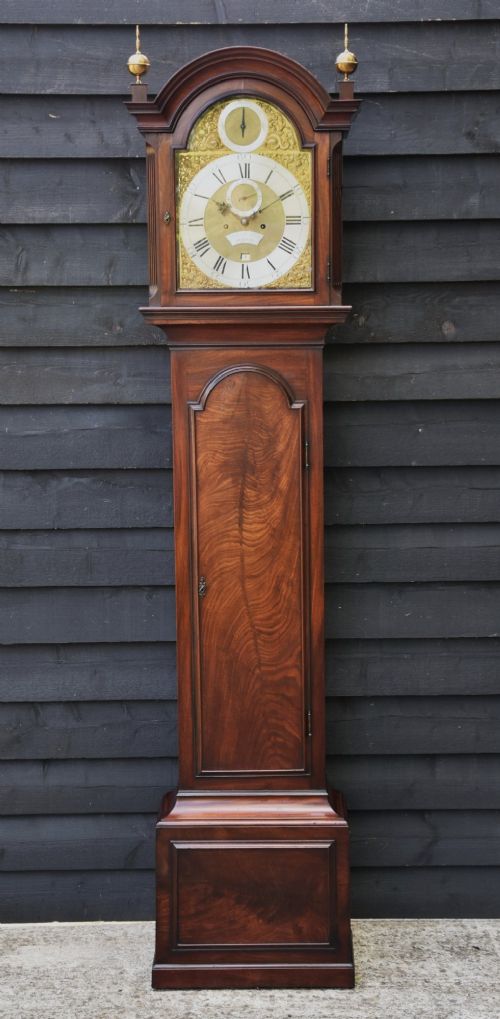
An 18th century tall clock encompasses floor-standing timekeepers built predominantly during the Georgian, George III, and Queen Anne periods. These vertical machines house weight-driven movements within protective wooden cases designed to stand directly on domestic floors.
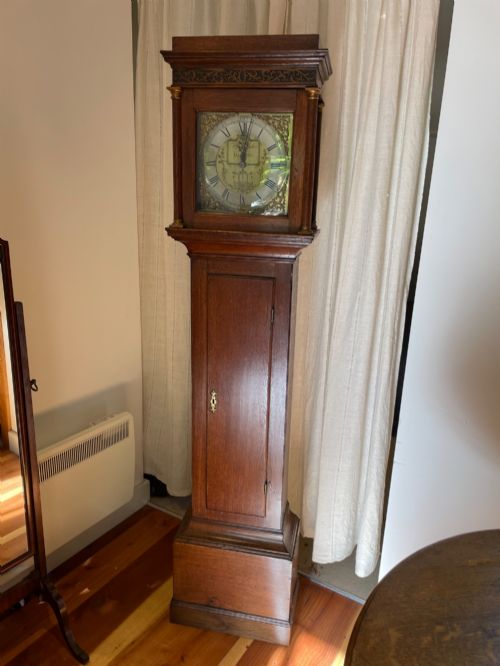
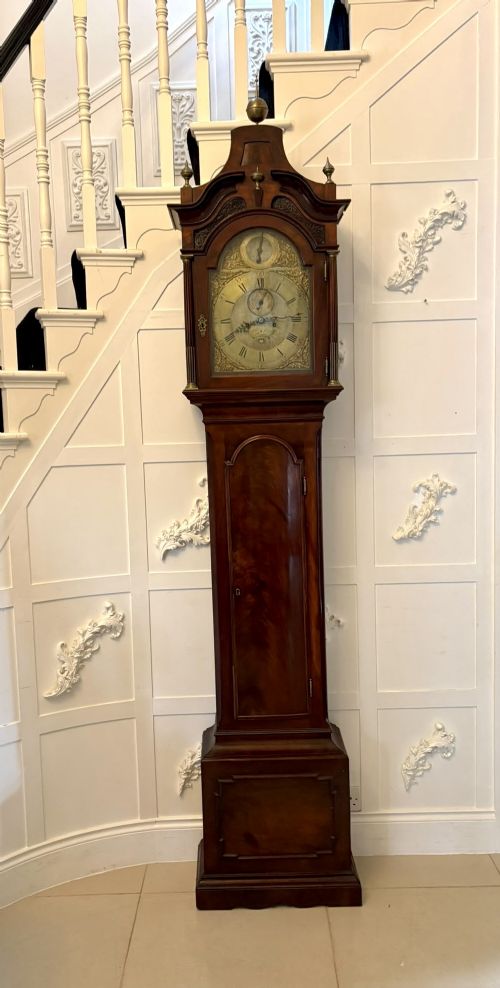
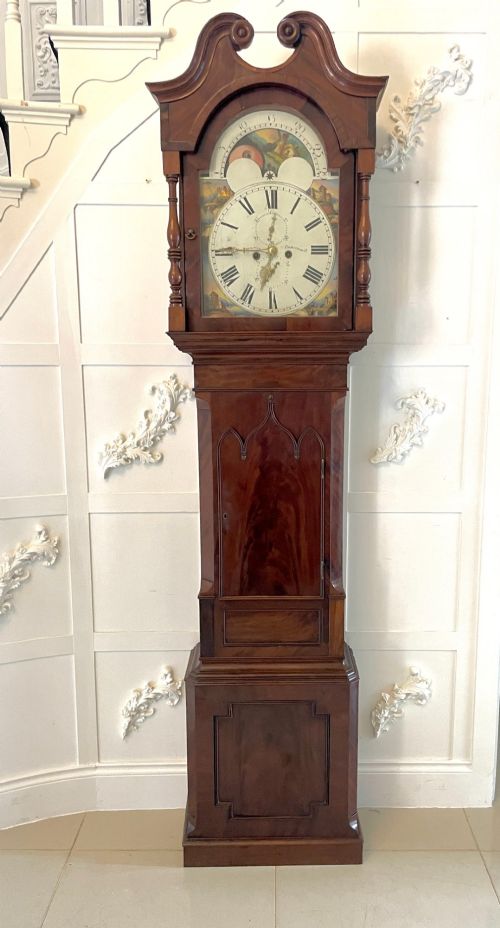
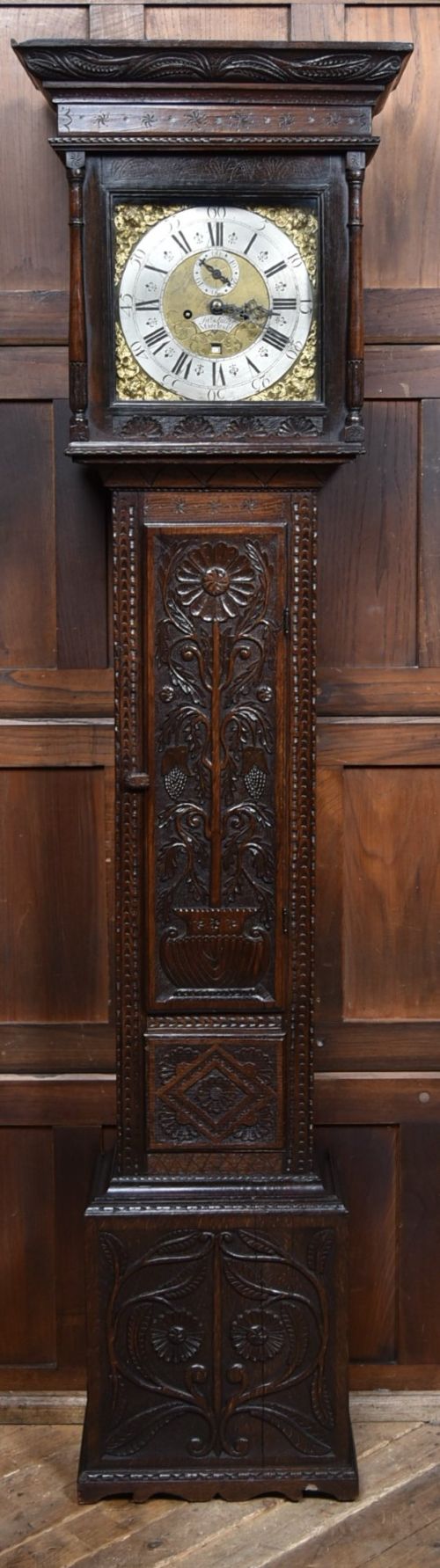
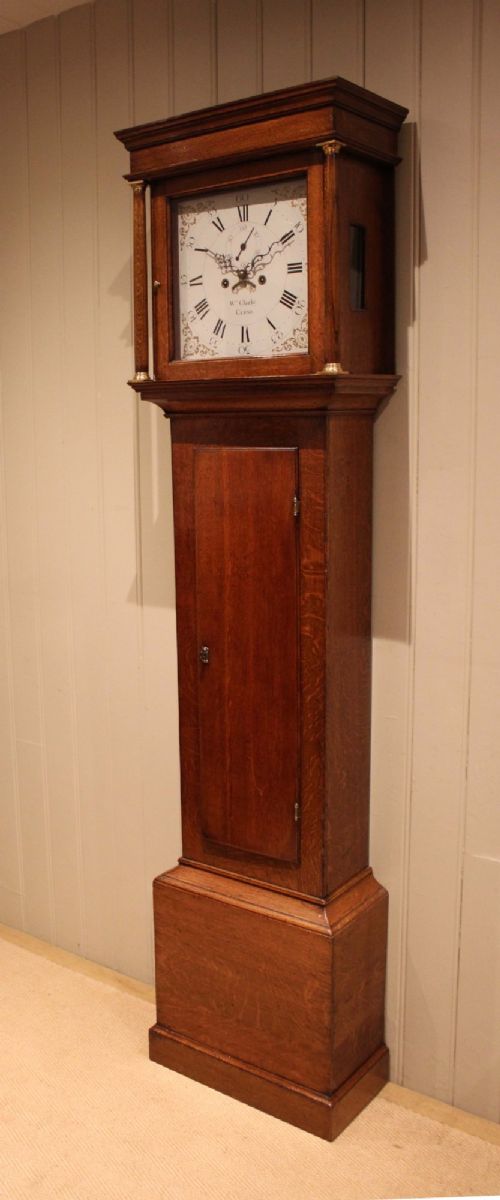
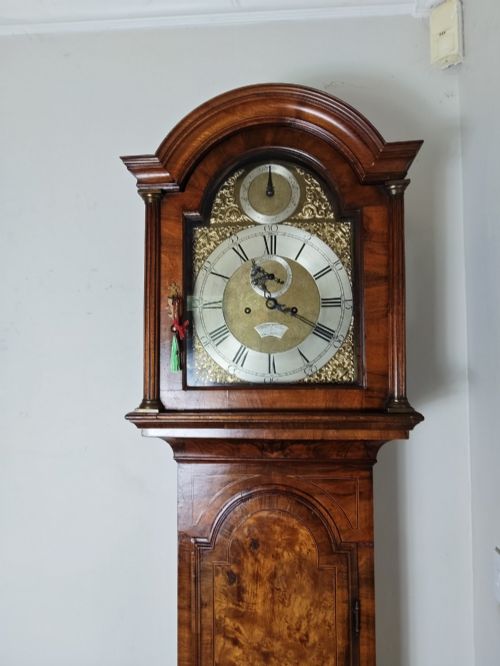
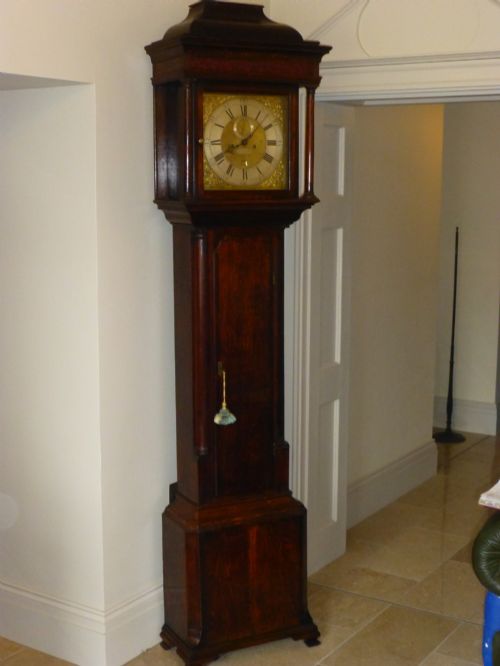
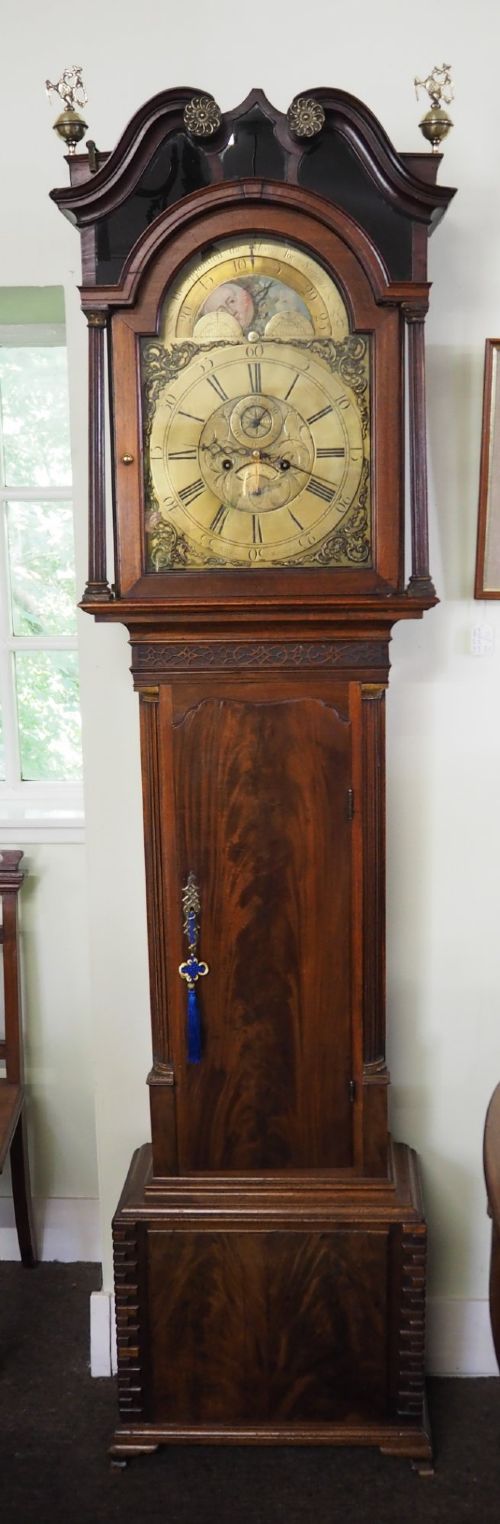
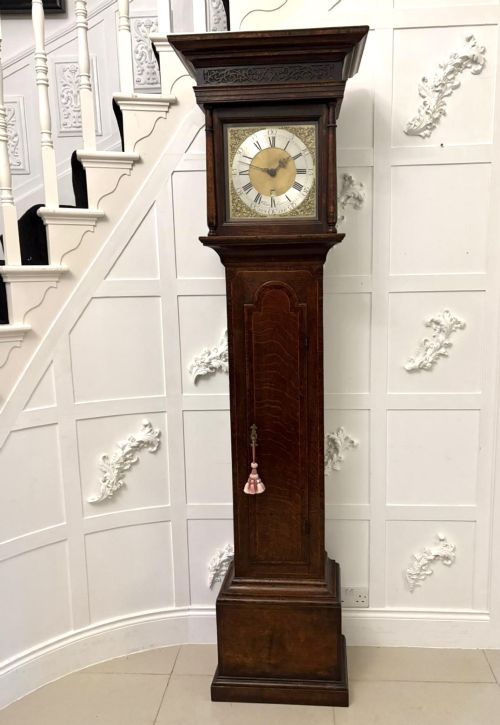
Buyers meet versions constructed primarily in regional timbers like oak and walnut, alongside more formal examples executed in mahogany or finished with japanned and lacquered surfaces. The prevailing forms range from simple single-handed oak timepieces to complex eight-day movements featuring moon dials and strike-silent mechanisms.
Originating from both London workshops and provincial makers across England, Scotland, Wales, and Ireland, these longcase clocks reflect distinct regional preferences in dial design and cabinet proportion. The domestic interiors they inhabit today benefit from their combination of precise mechanical display and stately cabinetry.
How They Were Made
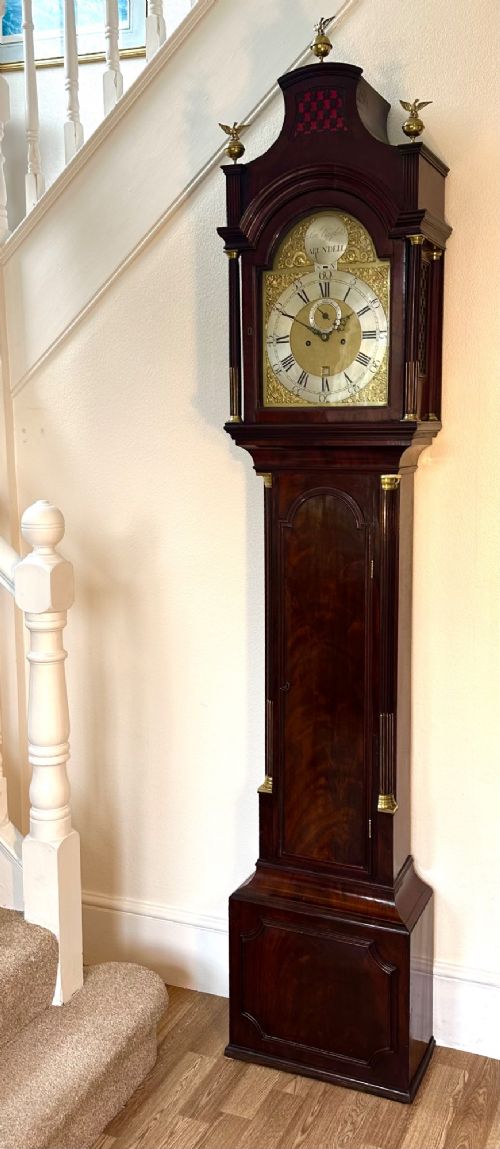
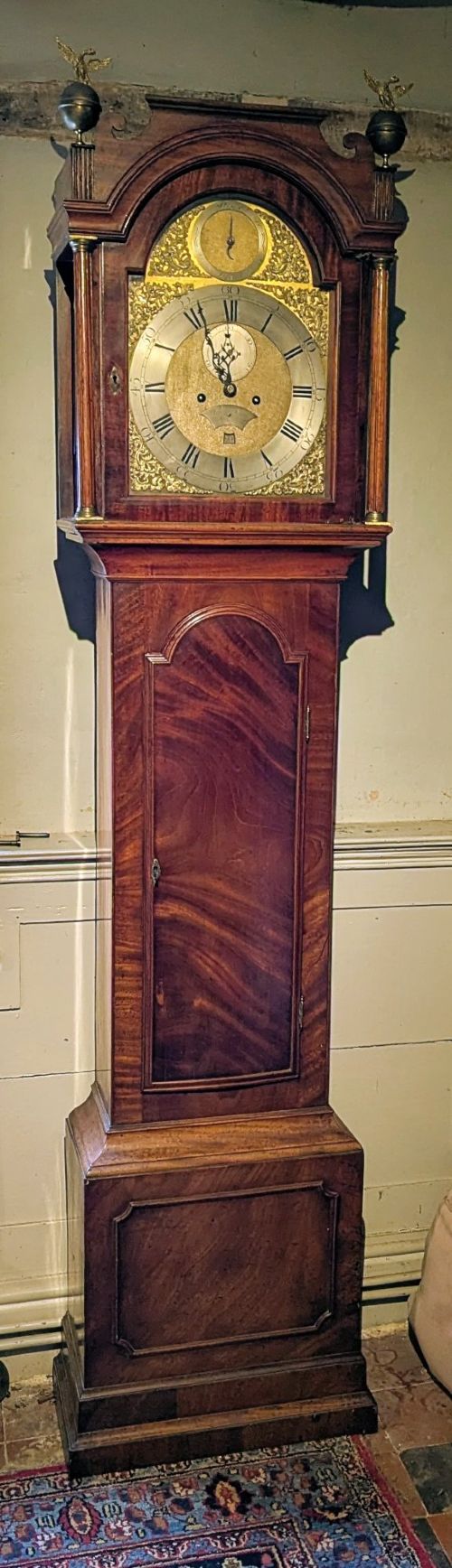
Cabinetmakers utilised solid native timbers such as oak and walnut, later turning to imported mahogany for sophisticated urban commissions. Selected woods were frequently chosen for figuration, employing burr walnut veneers or burr oak panels to add visual depth to the tall trunk doors.
Clockmakers constructed brass movements utilising cast brass dials, often embellished with engraved chapter rings, subsidiary seconds, and calendar apertures. Cases required precise joinery to ensure the long trunk door sealed correctly while supporting heavy lead weights and swinging pendulums.
18th Century Tall Clock Retail Price Guide 2026
Typical asking prices for 18th century tall clock among the pieces listed under this phrase on Sellingantiques today, from the lower quarter to the upper quarter. They describe what is for sale here now, not the wider market.
Current listings feature oak, mahogany, and walnut cases housing brass dials produced across the eighteenth century.
What Varies in Quality
Cabinet proportion and timber selection separate regional vernacular pieces from high-status urban commissions produced by prominent metropolitan makers. The crispness of brass dial engraving, the complexity of movement mechanics like moon phases, and the integrity of the original wood finishes dictate the standing of an individual clock.
Cohesion between the movement and the case remains central to an evaluation, as movements and housings were occasionally paired together over centuries of domestic use. Pieces retaining their original signed dial and matching fitted cabinetry represent the upper tier of surviving examples.
Lee of Great Marlow·Jn° Smith·James Field of Hempstead·Richard Corless of Stockport·William Jourdain·Windmills and Wightman·George Hallifax Of Doncaster·Edward Shepley·Thomas Webbe·William Kipling London·Charles Dowsett·Thomas Vernon·Will Lassell·William Betagh
The 18th Century Tall Clock Glossary
- Longcase clock
- A tall, floor-standing pendulum clock enclosed within a protective wooden case comprising a hood, trunk, and base. These pieces are frequently referred to colloquially as grandfather clocks.
- Moon roller
- A mechanical disc located on the dial that tracks the phases of the lunar cycle through painted representations of the moon. This complication required gearing linked directly to the primary movement.
- Japanned
- A European imitation of Asian lacquerwork utilised on decorative clock cases during the period. The technique involves building layered resin finishes over a prepared ground.
- Chapter ring
- The metal ring fixed to the dial face displaying the numerals for hours and minutes. These rings were often silvered and engraved to provide contrast against the brass dial plate.
- Strike-silent
- A mechanism allowing the clock's striking train to be disengaged so the piece chimes silently during the night. It offers practical control over domestic sound output.
18th Century Tall Clock: Frequently Asked Questions
Where were these clocks placed in Georgian homes?
These tall timepieces typically stood in hallways, stairwells, or principal reception rooms where their chimes could be heard throughout the household.
Their vertical proportions allowed them to occupy narrow wall spaces while providing an imposing architectural feature for visitors upon entry.
How do single-hand dials differ from two-hand movements?
Single-handed dials rely on a single pointer to indicate hours, with the dial face subdivided into fractions to allow reading of approximate minutes.
Two-hand movements incorporate separate hands for hours and minutes, reflecting advances in precision timekeeping adopted across the eighteenth century.
What is the function of the trunk door?
The long wooden door on the front of the case provides access to the hanging weights and the swinging pendulum inside.
It protects the internal mechanism from dust and air currents while allowing the owner to wind the movement using a specialised key.
How do you distinguish regional styles?
Provincial examples often feature sturdy oak cases with simpler brass dials, reflecting the materials and tools available to local country makers.
Metropolitan pieces from London or major cities frequently display refined mahogany cabinetry, silvered chapter rings, and more intricate mechanical complications.