

18th Century Style Table
When searching for an 18th century style table, you encounter pieces drawing on Georgian, Sheraton, and French Provincial designs.
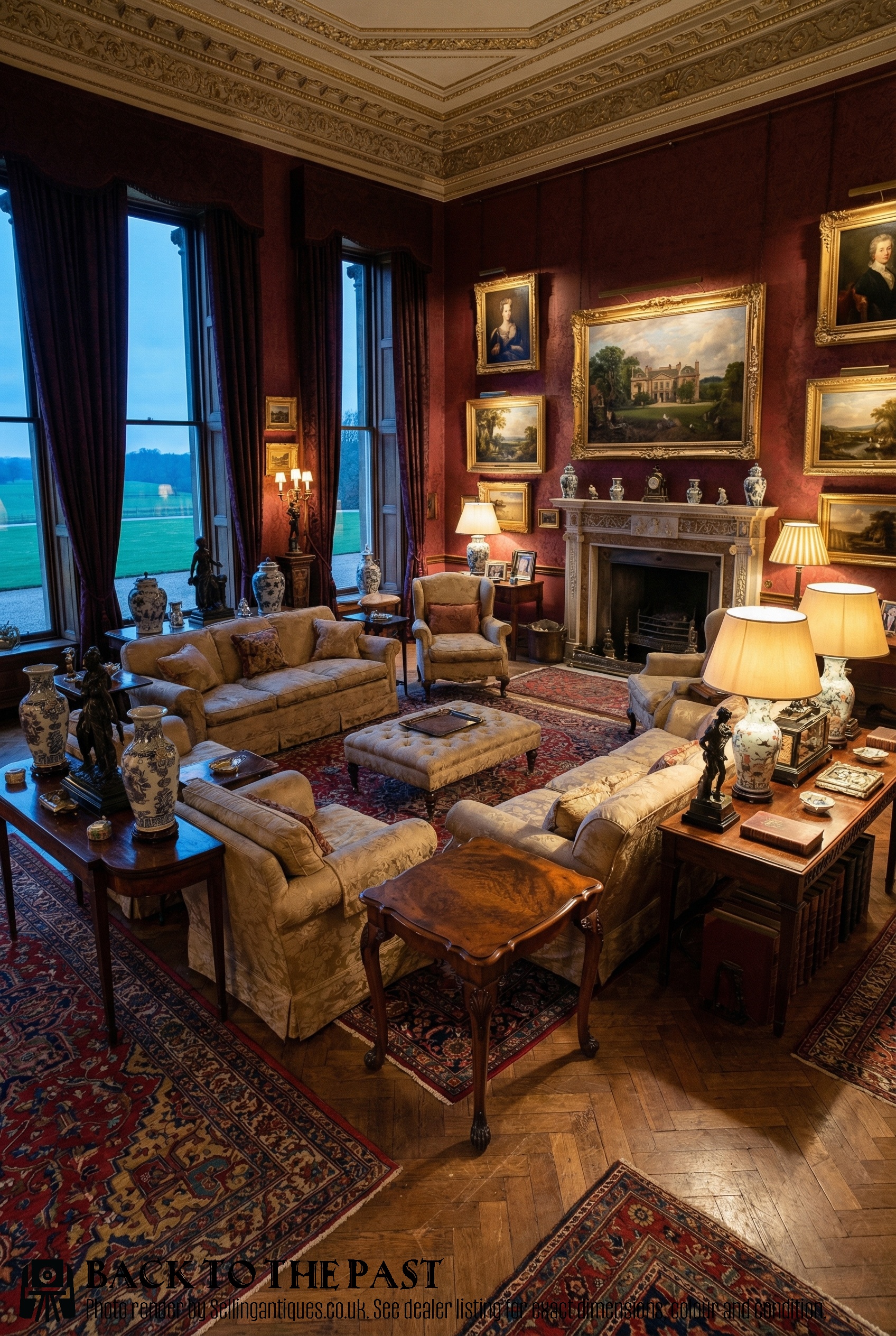
18th Century Style Table
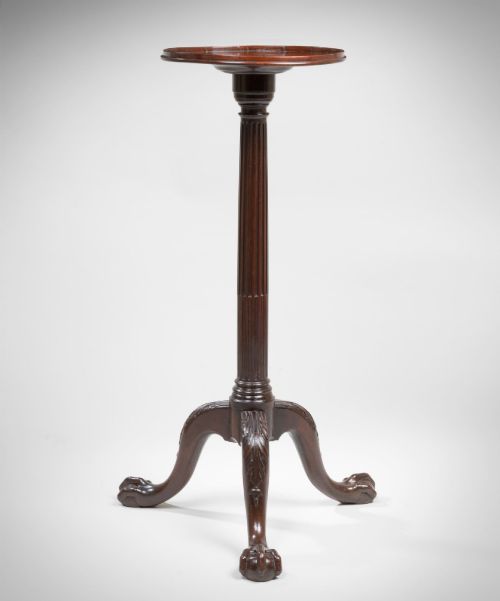
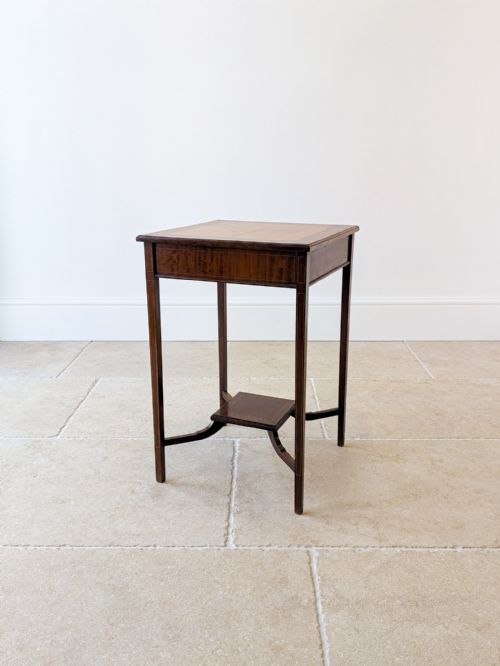
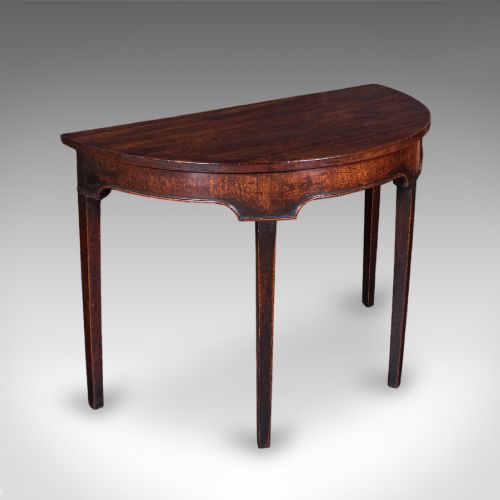
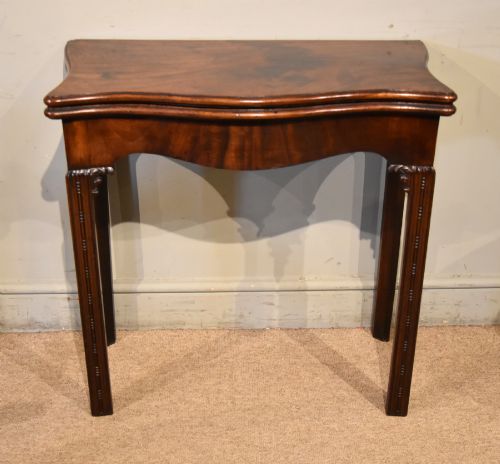
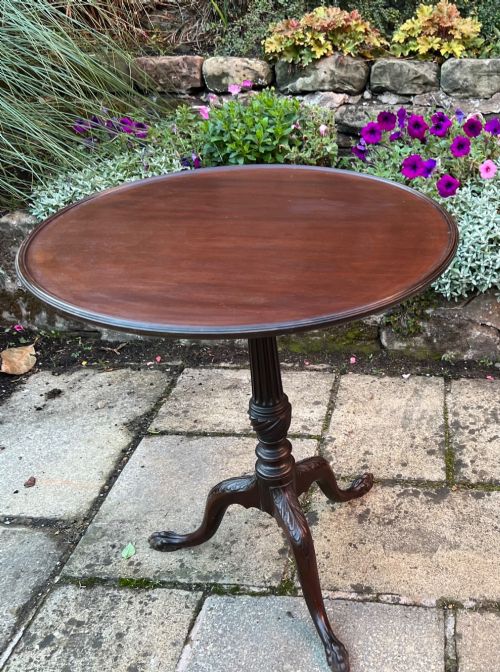
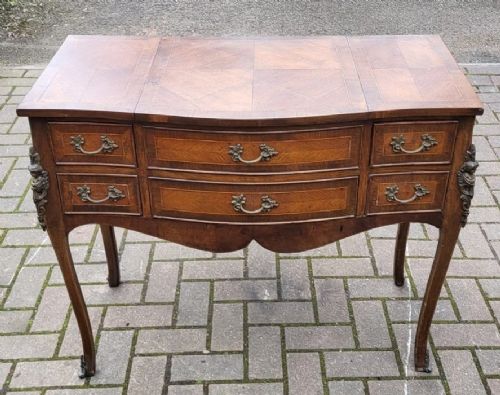
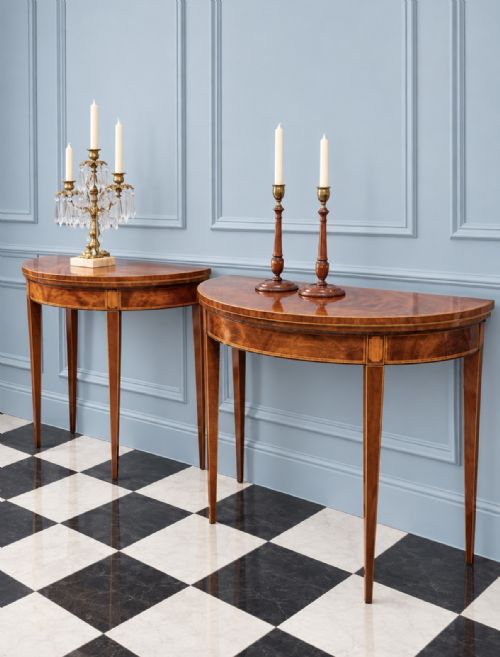
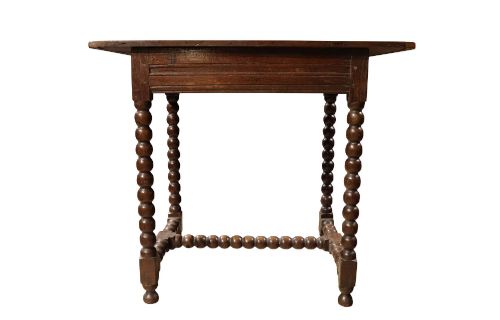
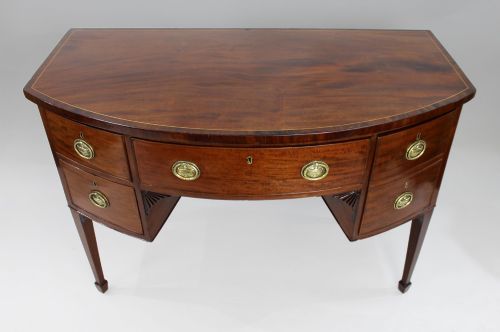
An 18th century style table encompasses side tables, refectory dining tables, console tables, and card tables produced during the Georgian period as well as later revival eras. These forms follow historic proportions, adapting classical English and continental furniture patterns for domestic use.
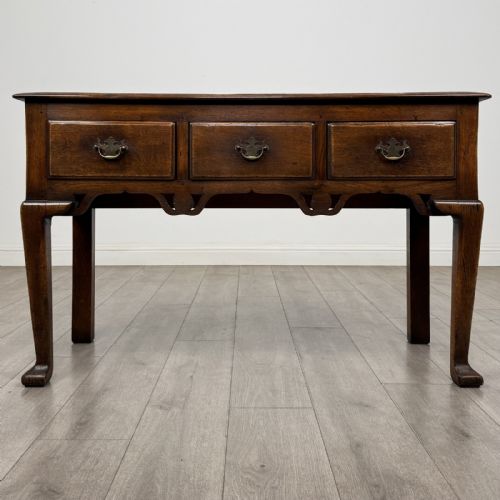
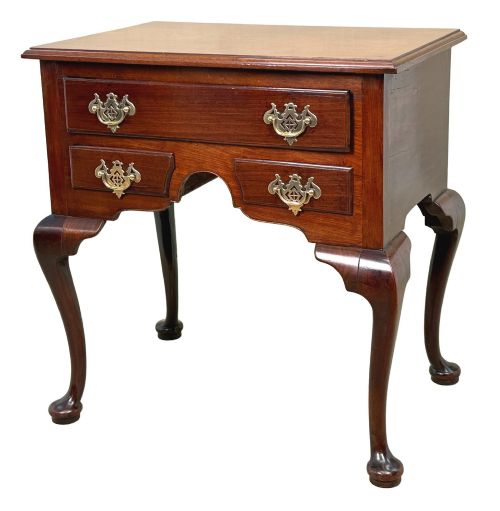
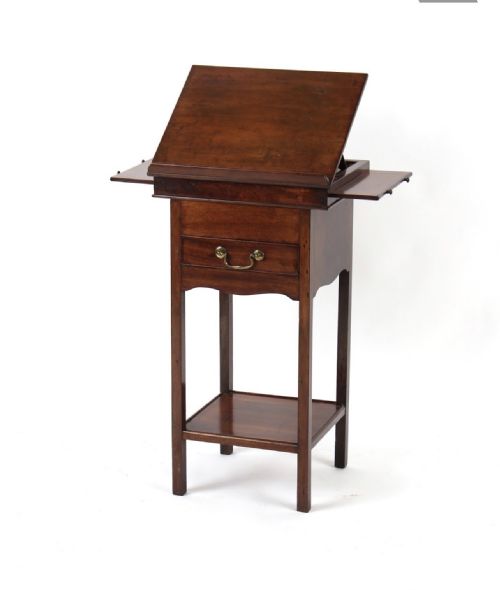
The domestic selection frequently ranges from robust oak refectory tables and lowboys to finely veneered mahogany and satinwood card tables. Side tables and Pembroke tables dominate the current offerings, alongside larger dining and refectory formats.
Pieces span both authentic period manufacture and later interpretations created during the nineteenth and twentieth centuries. The latter category often employs traditional cabinet-making techniques to replicate earlier Georgian and French aesthetic standards.
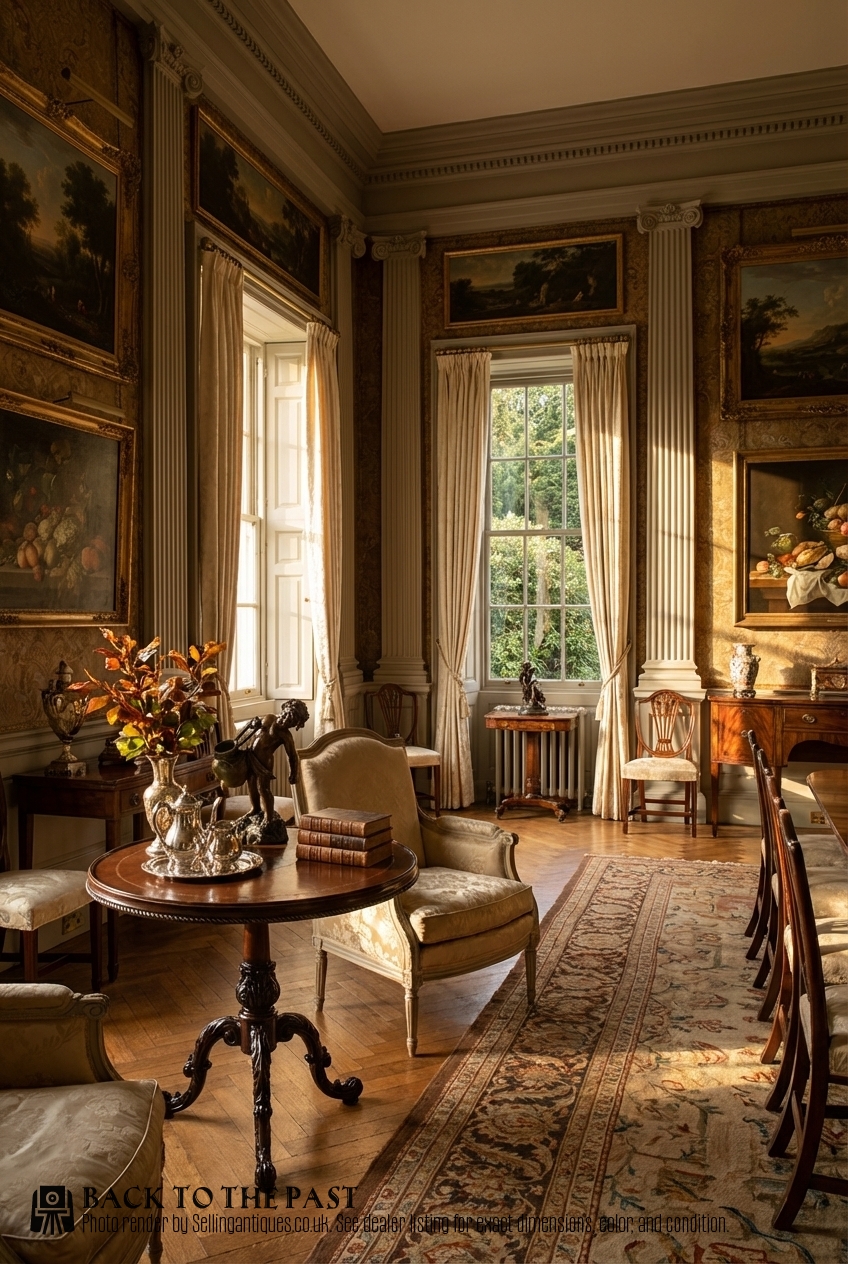
How They Were Made
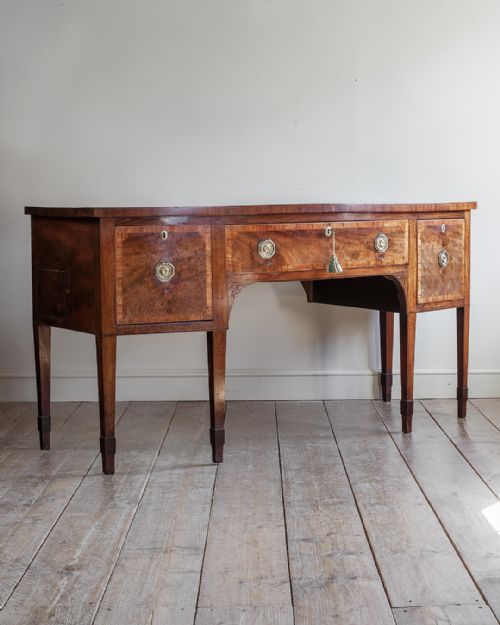
Makers constructed these tables primarily in solid timbers such as mahogany and oak, applying decorative veneers including burr yew, satinwood, and walnut to primary surfaces. Cross-banding in contrasting woods like partridge wood defined the borders of tabletops and drawer fronts.
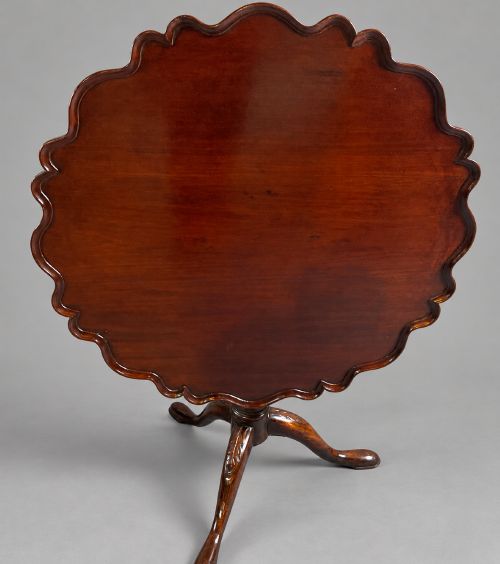
Joinery relied on traditional methods such as mortise and tenon frames for structural stability, alongside hand-cut dovetails for drawer construction. Surface ornamentation incorporated marquetry inlay, boxwood stringing, and hand-carved details like cabriole legs or pie crust edges.
18th Century Style Table Retail Price Guide 2026
Typical asking prices for 18th century style table among the pieces listed under this phrase on Sellingantiques today, from the lower quarter to the upper quarter. They describe what is for sale here now, not the wider market.
The inventory combines English Georgian furniture with French provincial, Louis styles, and Italian console designs.
What Varies In Quality
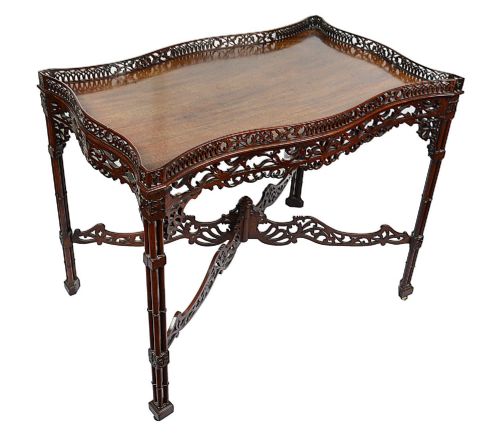
Quality rests upon the selection and matching of timber veneers, where symmetrical grain patterns and choice hardwoods distinguish finer examples from standard production. The crispness of hand-carved elements, such as foliage or claw-and-ball feet, demonstrates the maker's proficiency.
Structural integrity depends on the precision of the underlying joinery and the retention of original brass hardware or galleries. Subtle details like secondary wood choices inside drawer linings reveal whether a piece was built with economy or uncompromising standards.

Giles Grendey·Thuret
The 18th Century Style Table Glossary
- Pembroke table
- A small, rectangular table featuring two hinged drop leaves on opposing sides, often equipped with a single drawer. This form originated in the mid-eighteenth century and served versatile functions in domestic drawing rooms.
- Refectory table
- A long, narrow dining table traditionally built with solid oak timbers and sturdy stretcher supports. These pieces trace their lineage to communal dining halls before being adapted into domestic dining furniture.
- Card table
- A folding or pivoting table designed specifically for board and card games, frequently lined with baize or leather. Georgian iterations often featured concertina actions or swing legs to support the opened leaf.
- Marquetry
- The art of applying decorative veneer pieces in various coloured woods to form geometric or pictorial patterns. Master cabinet makers utilised this technique on tabletops and cabinet doors.
- Lowboy
- A small, low dressing or side table featuring a finished top and one or more rows of drawers beneath the surface. These pieces typically stand on slender cabriole or straight legs.
18th Century Style Table: Frequently Asked Questions
What is an 18th century style table used for?
These tables served specific domestic functions ranging from card playing and writing to serving meals and displaying ornaments. Pembroke and side variants provided flexible surface space in formal sitting rooms.
Larger refectory and dining formats accommodated communal gatherings in country houses and provincial residences. Smaller lowboys and occasional tables functioned as dressing surfaces or hallway furniture.
How do I identify a Georgian period table?
Authentic Georgian pieces exhibit timber characteristics, construction methods, and hardware consistent with the reigns of the Hanoverian kings. Examination of interior drawer linings and secondary woods provides insight into the period of manufacture.
Stylistic markers such as bracket feet, hand-cut dovetailing, and specific veneer choices help separate original eighteenth-century items from later revival pieces.
Where were these tables originally placed?
Side tables and console tables stood against drawing room or hallway walls, frequently positioned beneath mirrors or paintings. Pembroke and card tables occupied central spaces when in use and folded away against boundaries.
Dining and refectory formats anchored large entertaining spaces, while bedside tables and urn stands occupied private chambers and dressing rooms.
How do I care for antique wood surfaces?
Historic timber surfaces require stable environmental conditions protected from direct sunlight and sudden humidity shifts. Regular dusting with a soft cloth preserves the natural patina without stripping the polish.
Periodic application of traditional wax feeds the wood and protects the delicate veneers and marquetry inlay from drying out over time.