


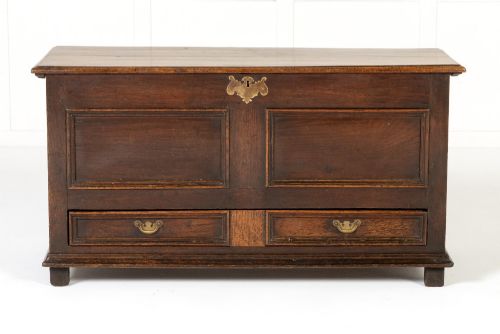
18th Century Storage Trunk
An 18th century storage trunk brings centuries of utility and character into a room, offering robust construction designed to hold household goods.
18th Century Storage Trunk
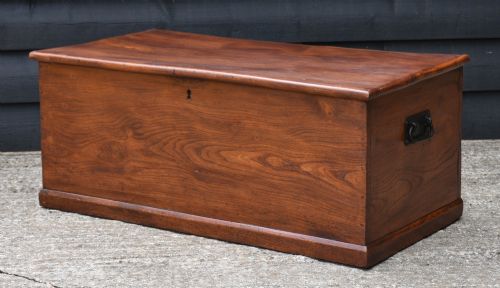
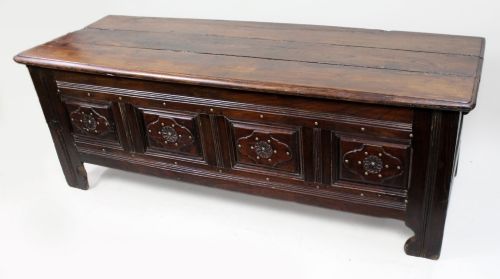
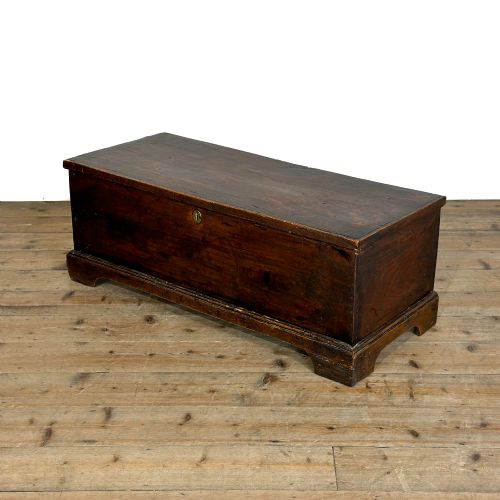
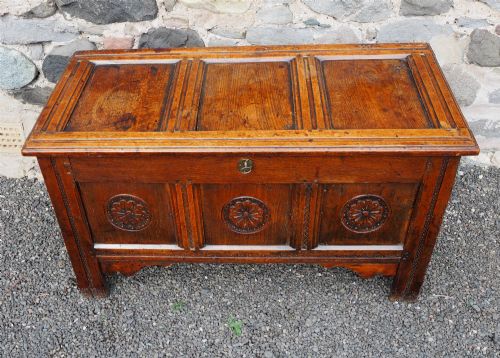
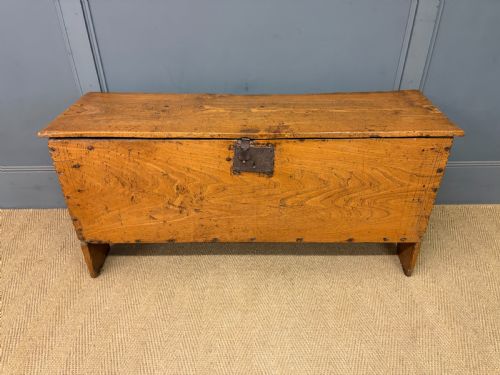
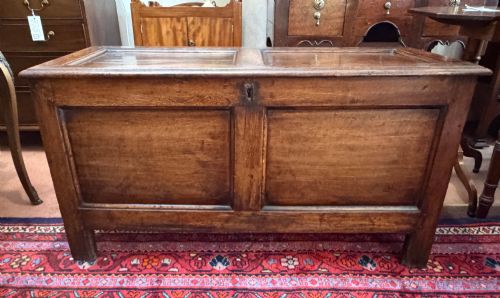
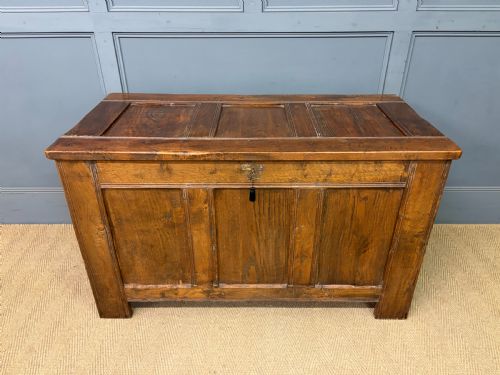
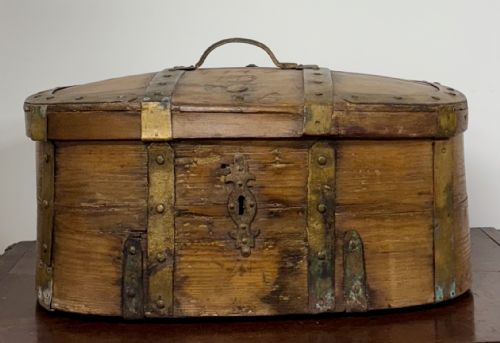
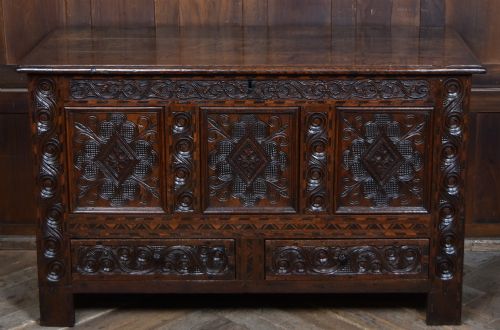
When searching for an 18th century storage trunk, buyers encounter a diverse range of heavy-duty vessels historically used for domestic storage, travel, and security. The most common forms on this page are oak coffers and blanket chests originating from English, Welsh, and French provincial workshops.
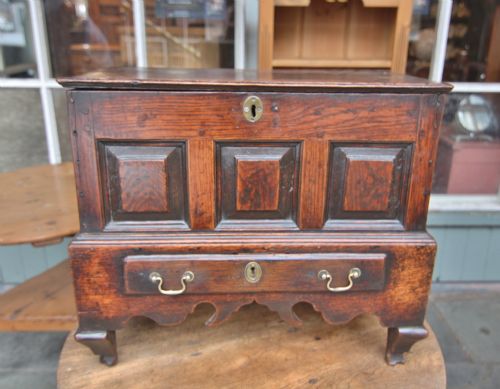
These items span periods including the 17th century through the Georgian era, alongside later 19th-century adaptations. Forms vary from simple pine and elm storage boxes to elaborate mule chests fitted with lower drawers and dome-top leather variants.
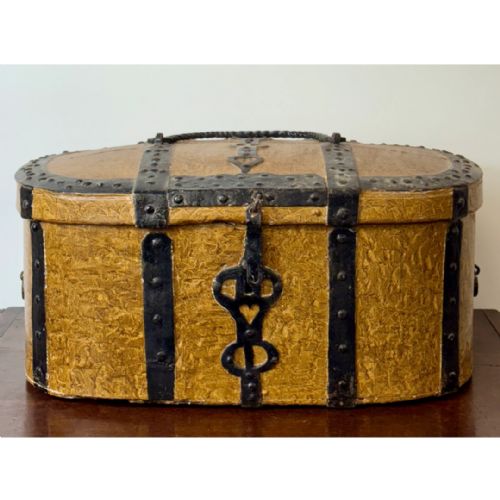
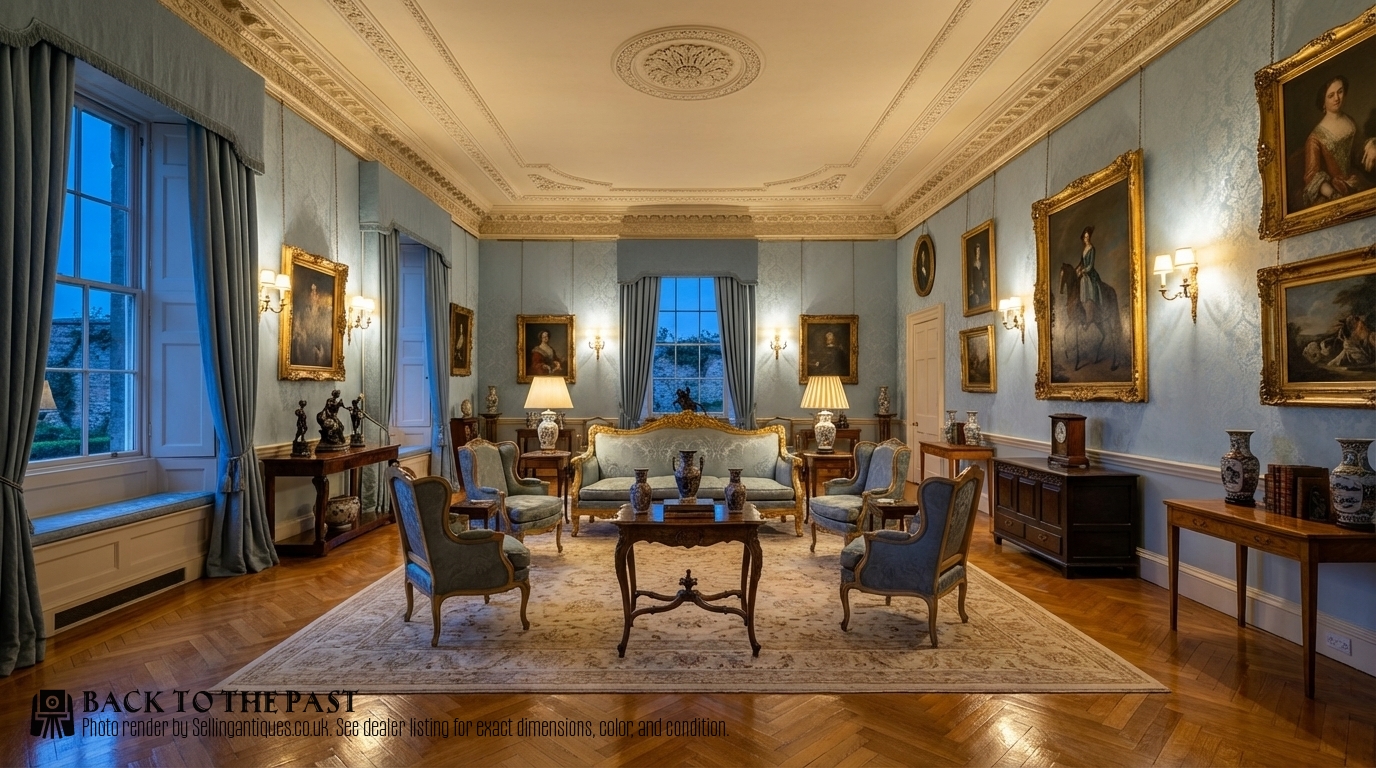
Regional styles dominate the selection, including Scandinavian and Swedish folk art trunks, Dutch colonial strongboxes, and Welsh coffer bachs. Buyers often select these pieces to function as coffee tables, blanket repositories, or statement furniture in traditional interiors.
How they were made
Cabinet makers and vernacular joiners relied primarily on native timbers such as oak, elm, pine, and walnut, frequently enhancing panels with burr elm or carving. Exotic woods like padouk, ebony, teak, and camphor appear in colonial and overseas transport chests.
Iron, brass, and leather played vital structural and decorative roles, providing reinforcement through heavy-duty hinges, carry handles, studwork, and robust locks. Surfaces were often left with a waxed finish or painted in folk art traditions, depending on regional workshop practices.
Current listings feature timber varieties including oak, elm, pine, walnut, teak, padouk, and camphor.
What varies in quality
Quality in these trunks is defined by the integrity of the timber selection, the depth of carving, and the sophistication of the joinery used in the panels. Pieces featuring burr elm highlights or dense, well-figured oak stand apart from simpler utilitarian pine boxes.
The presence of original metalwork, including brass mounts, iron straps, and working locks, significantly elevates a piece. Furthermore, untouched surface patination acquired through centuries of waxing distinguishes superior examples from heavily restored or stripped alternatives.
The 18th Century Storage Trunk Glossary
- Coffer
- A large wooden chest traditionally used for holding valuables or household goods. They often feature hinged lids and sturdy plank construction.
- Mule chest
- A storage chest featuring one or more drawers built into the base beneath the main compartment. This form bridges the gap between a traditional coffer and a chest of drawers.
- Coffer bach
- A small Welsh chest or coffer, often translated as a little coffer. These miniature versions were traditionally made as presentation pieces or dowry chests.
- Strongbox
- A heavily reinforced security box constructed for transporting valuables. They frequently incorporate iron binding and complex locking mechanisms.
- Dome top
- A curved lid design seen on trunks and chests. This shape helped shed water during travel and offered increased interior clearance.
18th Century Storage Trunk: Frequently Asked Questions
What is the difference between a coffer and a mule chest?
A coffer is a traditional storage chest with a top-opening lid and a deep single compartment. It represents the earliest form of domestic container.
A mule chest incorporates one or more drawers beneath the main lift-top compartment. This evolution allowed easier access to stored clothing without moving items stacked on top.
How were these trunks used historically?
These vessels served primary roles in storing textiles, blankets, valuables, and personal documents. Their robust construction made them suitable for safeguarding important household goods.
Many travelled across regions or overseas, functioning as luggage or secure strongboxes for merchants and military officers before settling into static domestic use.
Can I use an antique trunk as a coffee table?
These sturdy chests adapt well to modern living spaces as coffee tables. Their flat lids and substantial proportions provide a practical surface for books and daily items.
Buyers should ensure the lid stability and finish can handle everyday usage while preserving the historic wood surface.