


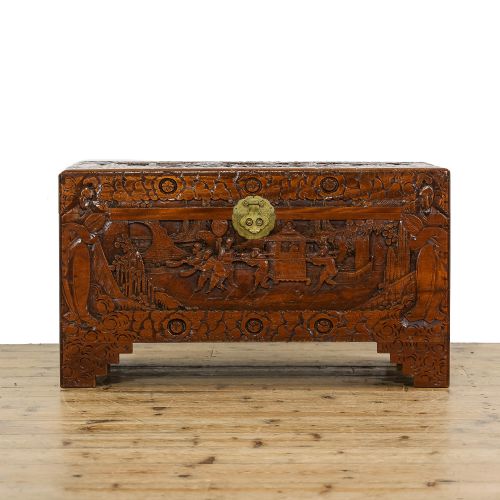


Traditional Chinese Coffer Trunk
These traditional chinese coffer trunk pieces bring enduring utility and rich grain to a room, offering robust storage rooted in centuries of craftsmanship.
Traditional Chinese Coffer Trunk
When you search for traditional chinese coffer trunk pieces, you encounter substantial storage furniture designed for security, travel, and domestic organisation. These items serve as blanket boxes, storage chests, and specialised travelling boxes that anchor a room with functional presence.
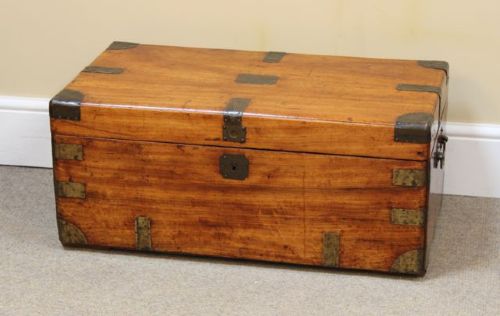
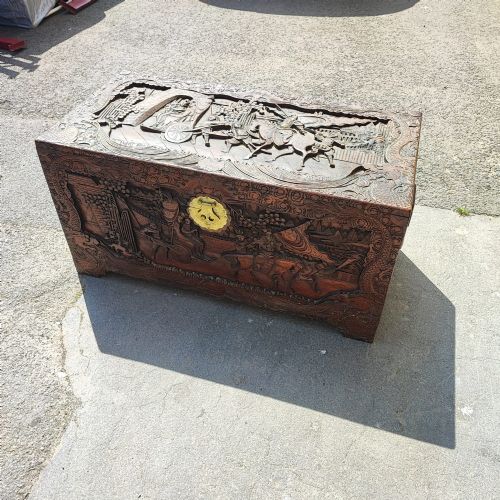
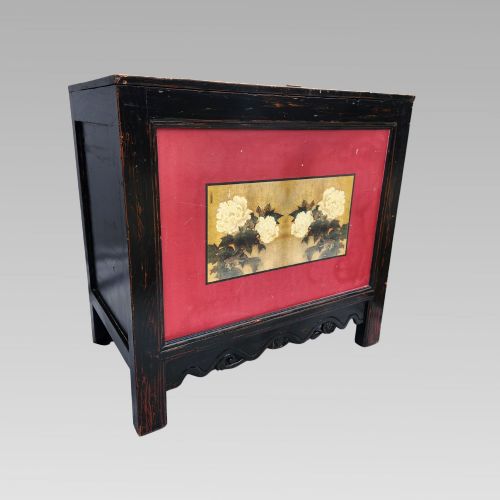
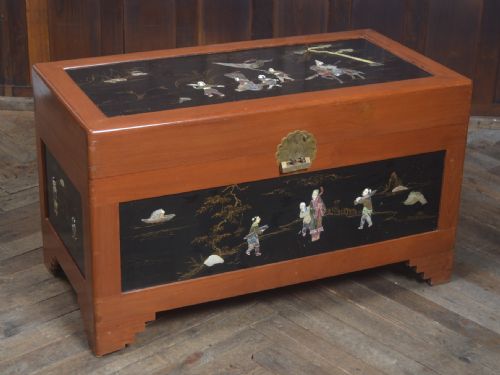
The pieces you are most likely to meet on this page span the eighteenth, nineteenth, and early twentieth centuries, alongside Victorian examples. They appear in forms such as carved chests, lacquered storage boxes, and campaign cases.
Originating largely from Chinese workshops and export traditions, these trunks combine utilitarian volume with decorative surface treatments. They transition easily from historic focal points to everyday storage furniture in modern interiors.
How they were made
Construction relies heavily on timbers such as camphor wood, camphorwood, elm, and dense hongmu, selected for durability and aromatic qualities. Artisans joined these boards with traditional carpentry methods to build rigid frames capable of withstanding travel and daily use.
Surface decoration involves intricate carving directly into the timber alongside the application of black lacquer and polychrome pigment. Metal fittings in brass and iron reinforce the corners, lids, and edges while providing secure latching points.
Camphor wood trunks retain their distinct, natural aroma for centuries, quietly repelling moths long after their travelling days are done.
What varies in quality
The depth and crispness of the carving separate standard utilitarian boxes from richly ornamented pieces. Sharp, detailed floral and figural relief work indicates a higher standard of workshop production.
The integrity of the timber and the preservation of original finishes determine the standing of an individual trunk. Intact lacquer, stable camphor wood grain, and original brass or iron hardware maintain the historic character of the piece.
The Traditional Chinese Coffer Trunk Glossary
- Camphor wood
- A fragrant timber prized for its insect-repellent properties and distinct grain. It is frequently utilised in storage trunks and blanket boxes.
- Lacquer
- A durable resin finish applied in multiple layers to seal and decorate wooden surfaces. It often provides a smooth, glossy base for painted chinoiserie designs.
- Campaign case
- Portable furniture fitted with recessed handles and metal corner braces designed for travel. These items were built for mobility without sacrificing structural rigidity.
- Hongmu
- A dense, dark hardwood used in traditional Chinese furnituremaking. It offers exceptional weight and a fine natural finish.
- Chinoiserie
- European-influenced interpretation of Chinese artistic motifs. It appears on decorative storage chests and lacquered surfaces.
Traditional Chinese Coffer Trunk: Frequently Asked Questions
What is a traditional chinese coffer trunk used for?
These pieces function primarily as secure storage for blankets, clothing, and valuables. Historically, they served domestic and travelling needs alike.
Today, they act as functional furniture that provides enclosed storage while adding historic texture to living spaces and bedrooms.
How do I care for camphor wood trunks?
Keep the timber away from direct heat sources and sudden humidity changes to prevent warping. Dust the carved surfaces gently with a dry cloth.
Avoid harsh chemical cleaners that can strip the natural oils or dull the historic finish of the wood.
How do I date a Chinese storage chest?
Examine the timber species, construction methods, and hardware style. Eighteenth and nineteenth-century examples often display hand-carved details and forged iron or brass fittings.
Twentieth-century pieces may show standardised machining or different lacquer applications compared to earlier export items.
Are these trunks suitable for daily use?
Their robust construction makes them well-suited for holding everyday items like linens and seasonal clothing. The sturdy wood and reinforced corners withstand regular handling.
Ensure that hinges and latches are operated with care to preserve the original metalwork over time.