
18th Century Spoon
An 18th century spoon brings centuries of domestic heritage to the table through fine silver, pewter and oak forms.
18th Century Spoon
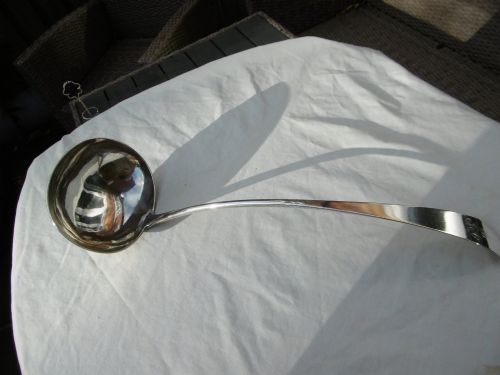
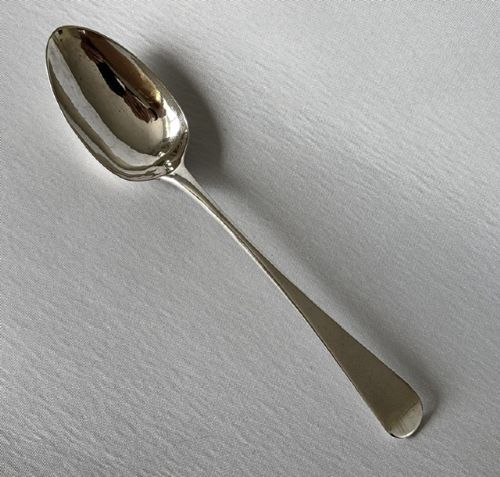
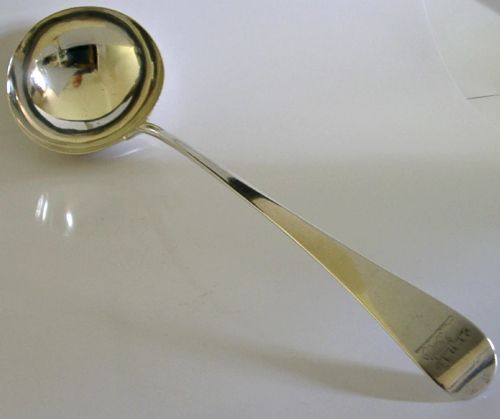
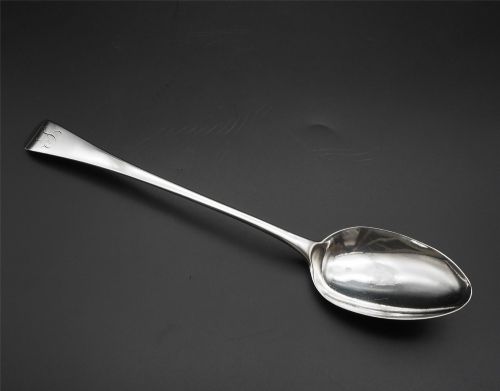
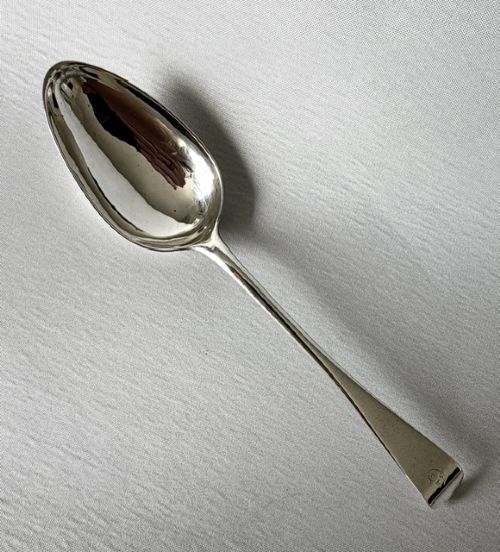
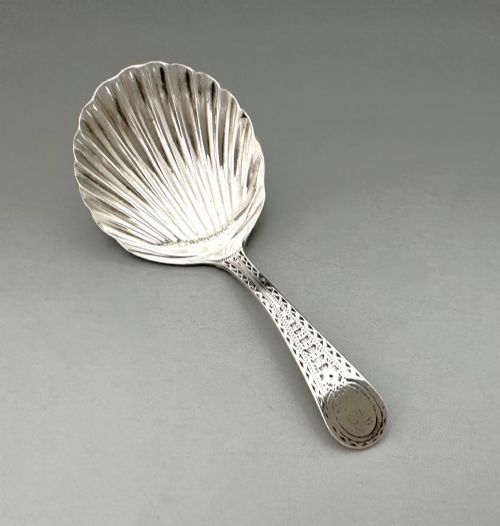
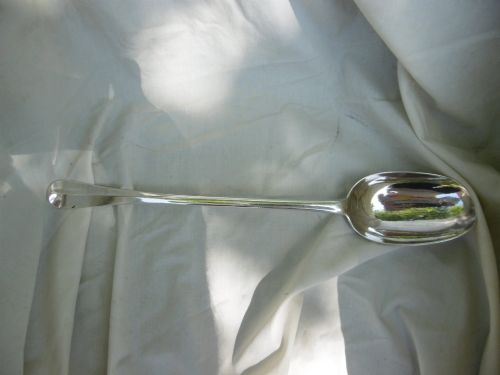
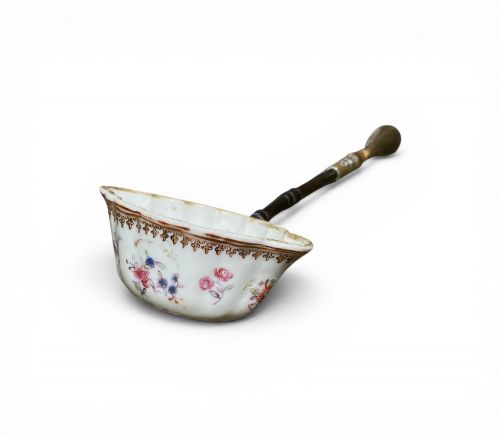
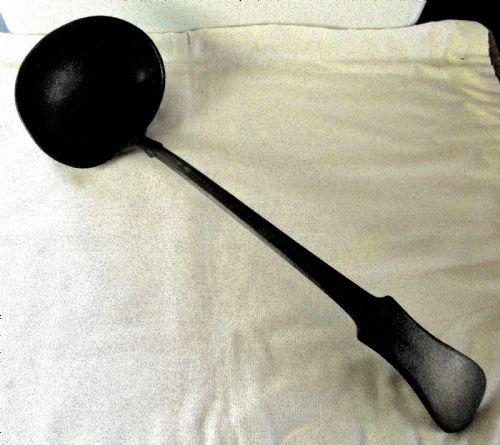
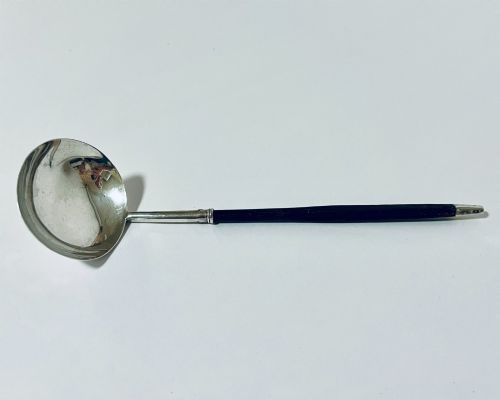
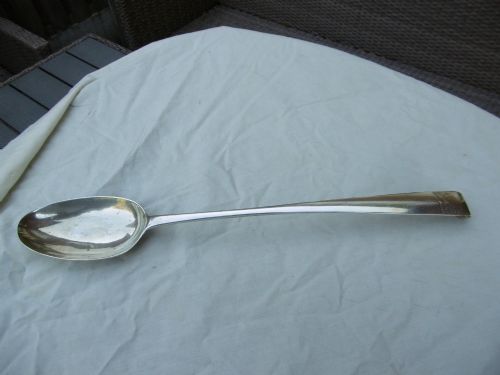
When searching for an 18th century spoon, collectors encounter a diverse range of utensils spanning the Georgian era, from simple early pewter examples to elaborate sterling silver serving pieces. The most common varieties appearing in these collections include tablespoons, basting spoons, caddy spoons and punch ladles fashioned during the reigns of George I, George II and George III.
The material palette reflects the period's domestic priorities, featuring sterling silver, Britannia silver, pewter, wood and porcelain. Provincial hubs such as Newcastle, Exeter, Cork and Dublin produced distinct regional variations alongside the dominant London output.
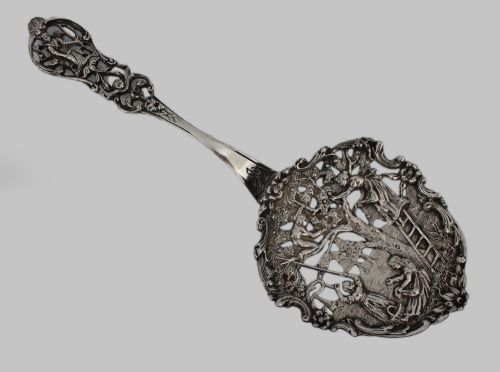
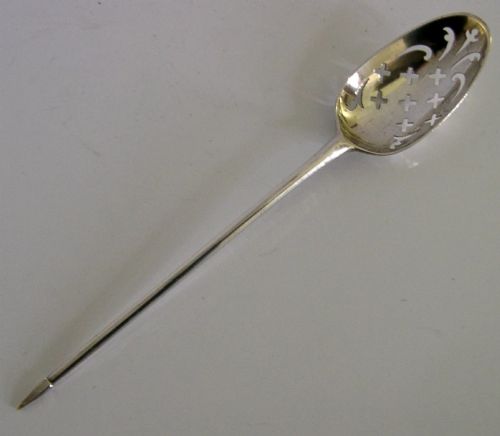
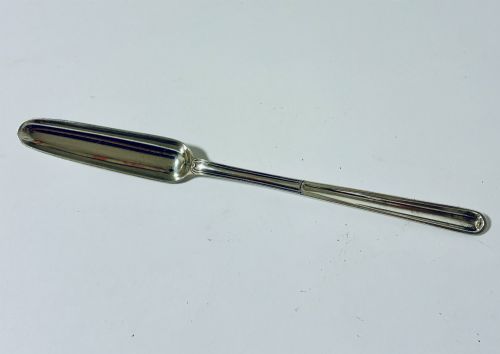
Beyond standard dining implements, specialised forms such as marrow scoops, mote spoons and sifter spoons demonstrate the specific culinary habits of Georgian households.
Materials and Techniques
Metalsmiths utilised sterling and Britannia standard silver alongside durable pewter, shaping molten or cast metal through hammering, annealing and careful hand-finishing. Handles often received decorative treatment through bright-cutting, engraving or the application of cast shell and scroll motifs.
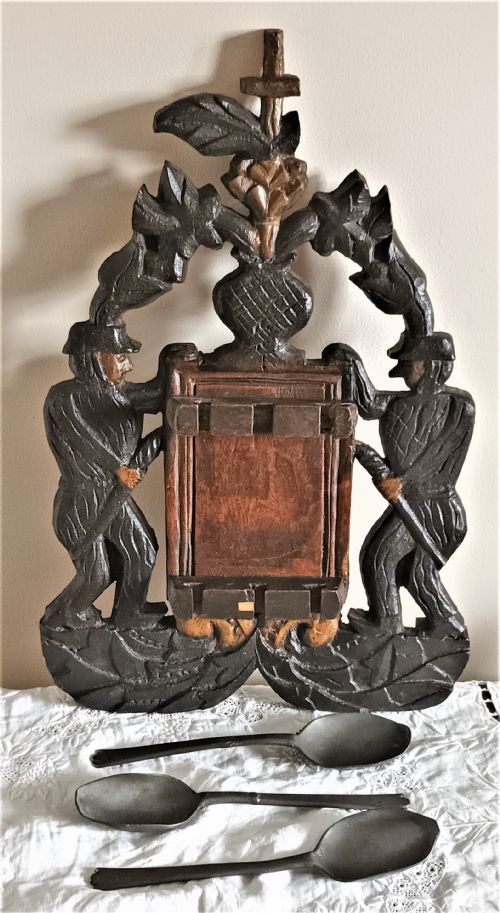
Wooden utensils and storage racks were constructed from native timbers like oak, mahogany and walnut, employing traditional joinery methods suited to daily domestic use.
Assessing Craftsmanship
Quality in these domestic items rests on the crispness of the original hallmarks, the retention of original bowl shape without excessive thinning from polishing, and the clarity of engraved crests or bright-cut patterns. Maker marks from prominent silversmiths like the Bateman family or regional provincial makers elevate an item's historical standing.
The balance of the piece in the hand, the integrity of joins on ladles and caddy spoons, and the survival of original surface patinated through centuries of use distinguish standard utility items from exceptional examples.
Peter and Jonathan Bateman·Hester Bateman·Andrew Archer·John Craig·William Scarlett
The 18th Century Spoon Glossary
- Mote spoon
- A specialised small implement featuring a pierced bowl used for straining tea leaves, equipped with a tapered terminal for clearing tea strainer spouts.
- Britannia standard
- A higher purity silver standard introduced by English law in 1697, containing 95.8 percent pure silver compared to the 92.5 percent of sterling.
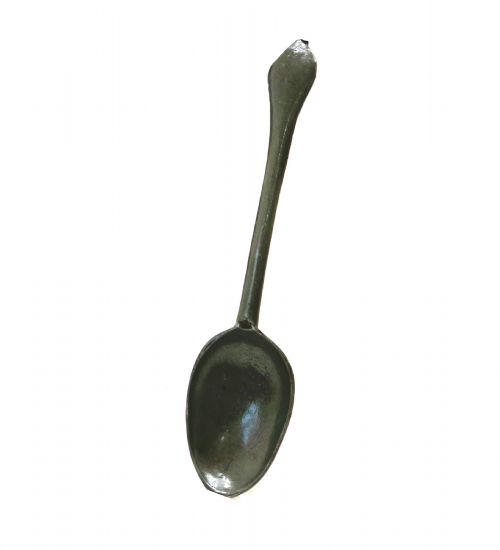
- Trefid spoon
- An early form characterised by a flat, three-lobed terminal handle, prevalent around the late 17th and early 18th centuries.
- Caddy spoon
- A short, decorative utensil designed specifically for scooping dry tea leaves from a caddy into the teapot.
- Bright-cut
- An engraving technique utilising faceted V-shaped cuts to create glittering geometric or floral patterns along the handle borders.
18th Century Spoon: Frequently Asked Questions
How do I identify a Georgian silver spoon?
Examine the hallmarks stamped on the reverse of the stem, which typically include a maker's mark, a lion passant indicating sterling standard, a leopard's head for the London assay office, and a date letter.
Stylistic cues such as rat-tail backs, Hanoverian terminals, or bright-cut engraving also point directly to the Georgian period.
What is the difference between a basting spoon and a tablespoon?
Basting spoons are substantially larger, frequently measuring over thirty centimetres in length, and were designed for culinary preparation and serving rather than individual dining.
Tablespoons are scaled for table use and appear either singly or in matched sets.
Why do some spoons feature pierced bowls?
Pierced or slotted bowls served specific functions at the tea table or sideboard, such as straining leaves from liquid or serving fruit preserved in syrup.
Mote spoons and sifter spoons are prime examples of this functional perforation.
Were all 18th century spoons made of silver?
Silver was standard for wealthy households, but everyday domestic life relied heavily on alternative materials including pewter, wood and occasionally porcelain.
Pewter trefid spoons and oak spoon racks illustrate the broader material culture of the era.