




18th Century Silver Pot
An 18th century silver pot brings genuine domestic history to the table, offering substance and proportion that modern vessels simply cannot match.
18th Century Silver Pot
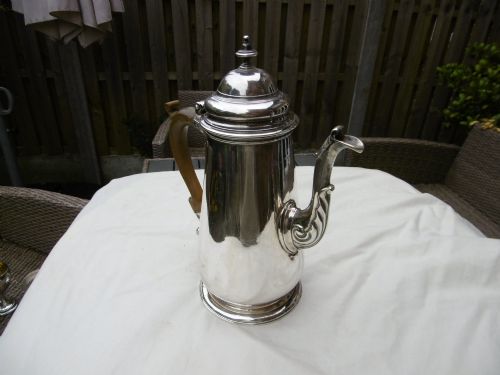
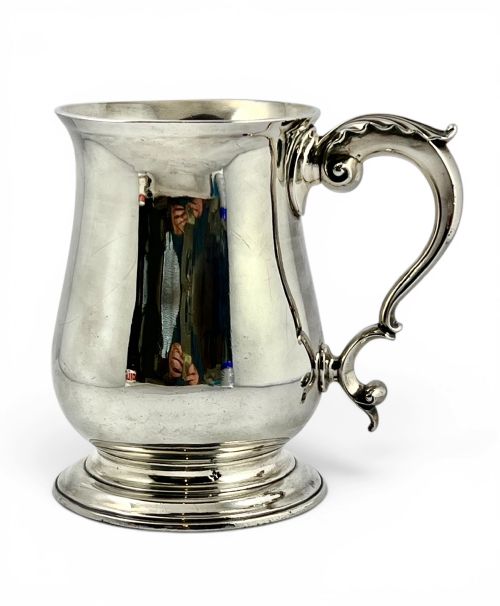
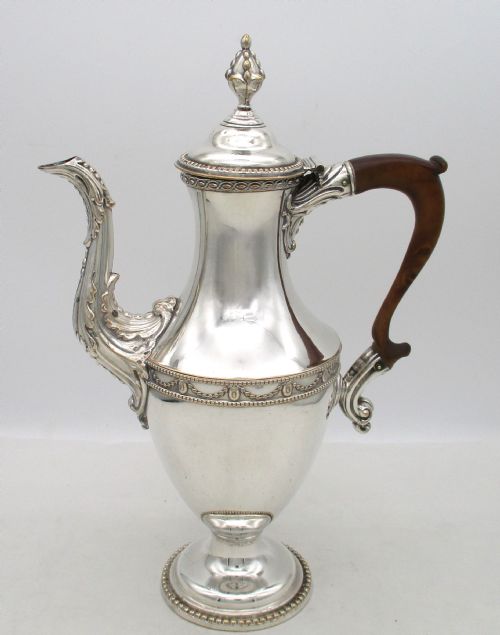
When you search for an 18th century silver pot, you encounter a diverse group of hollowware designed for the consumption and service of hot drinks, condiments, and writing powders. The pieces span coffee pots, teapots, chocolate pots, mustard pots, pounce pots, and pepper pots, originating from Georgian workshops and continental makers.
The most common examples you meet on this page are tall coffee pots and teapots formed in sterling silver or Old Sheffield plate. These vessels reflect the social rituals of the Georgian period, serving as functional centrepieces for wealthy households.
The material record includes solid sterling silver alongside Old Sheffield plate, copper, and silver plate, occasionally accompanied by hardwood elements such as insulated handles. Origins stretch from London and Newcastle assay offices to continental and Japanese export workshops.
How they were made
Smiths formed sterling silver vessels through raising from a single flat sheet of metal, hammering the silver over stakes to create hollow bodies without seams. Details such as finials, spouts, and cast feet were produced separately and soldered onto the main body.
Old Sheffield plate pieces utilised a fusion technique, melting a thin sheet of silver onto a thicker copper ingot and rolling them together into plated sheets. Makers then shaped these composite sheets into large coffee jugs and tankards, concealing the copper edges with silver wire mounts.
Makers incorporated organic materials like hardwood for handles to insulate against heat, securing them with silver pins to metal sockets. Castors and smaller pots utilised cast components, finished with hand-cut pierced decoration and engraved armorials.
The inventory records diverse domestic forms, ranging from towering coffee jugs and tea service pots to miniature mustard pots and pepper shakers.
What varies in quality
The thickness of the metal and the integrity of the original construction separate the finer examples from standard production. Heavy gauge sterling silver retains crispness in its hand-chased ornamentation and structural rigidity across the body.
In Old Sheffield plated pieces, quality depends on the preservation of the surface silver layer over the underlying copper base. Pieces displaying deep, clear maker marks and minimal bleed of the copper core demonstrate superior original manufacture and careful handling.
The execution of cast decorative elements, such as scroll handles and heraldic armorial engravings, defines the hand of the maker. Sharply defined chasing and balanced proportions indicate master craftsmanship in the workshop.
Richard Gurney·William Grundy·John Hoyland·James Goodwin·Robert Hennell I·Thomas Pritchard·Robert Arbin Cox
The 18th Century Silver Pot Glossary
- Pounce pot
- A small container with a perforated lid used to sprinkle resin powder onto rough paper to create a smooth writing surface. These small vessels often match inkstands.
- Old Sheffield plate
- An early fused composite material made by melting silver to a copper core before rolling it into sheets. This technique preceded modern electroplating.
- Argyll
- A covered metallic vessel used for keeping gravy warm at the table, containing an internal cylinder for boiling water or a heated iron. It ensured sauces stayed liquid during long meals.
- Assay office
- An official body responsible for testing the purity of precious metals and stamping them with hallmark symbols. London and Newcastle are prominent examples seen on these pieces.
- Armorial
- A heraldic design or coat of arms engraved onto silver to display family lineage. These personal crests help trace the provenance of individual pieces.
18th Century Silver Pot: Frequently Asked Questions
How do I clean an 18th century silver pot?
Clean silver vessels with a soft cloth and a gentle, non-abrasive polish specifically formulated for antique silver. Avoid harsh chemical dips that strip original patination and damage soldered joints.
Take special care around engraved armorials and maker marks to prevent wearing away the details. Wash the interior with warm soapy water and dry thoroughly after use.
Can I use an antique silver pot for tea?
Most solid sterling silver teapots and coffee pots remain structurally sound enough for daily service. Ensure you fill them gradually with warm water first to prevent thermal shock to older soldered seams.
Old Sheffield plated pieces require more cautious handling because the thin silver layer can wear down with aggressive daily scouring. Many collectors prefer to keep them for display or occasional use.
What is the difference between sterling and plate?
Sterling silver consists of a legally defined alloy containing ninety-two point five percent pure silver throughout the entire object. It holds its intrinsic metal value and develops a deep, soft patina over centuries.
Plated items, such as Old Sheffield plate, consist of a base metal core covered by a thin layer of exterior silver. They offered households the appearance of solid silver at a lower cost.
How do I identify a Georgian silver pot?
Examine the base or interior lid for stamped hallmarks, which typically include a maker mark, a purity standard symbol like a lion passant, and a town mark. These stamps indicate the assay office and production era.
Stylistic cues such as pear-shaped bodies, wooden scroll handles, and gadrooned borders also point towards the Georgian period. Compare these details against documented maker signatures to confirm the date.