



18th Century Silver Pitcher
An 18th century silver pitcher brings tangible Georgian domestic elegance to a table, combining utility with master silversmithing.
18th Century Silver Pitcher
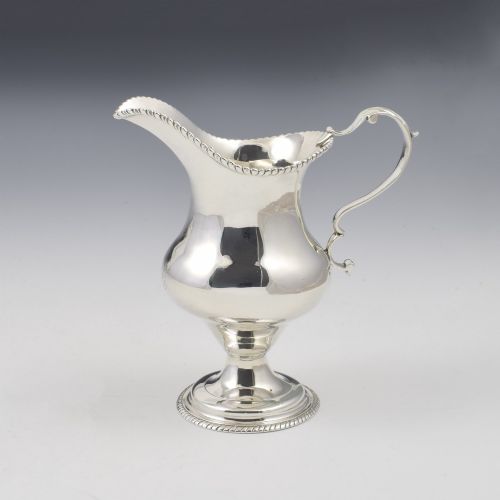
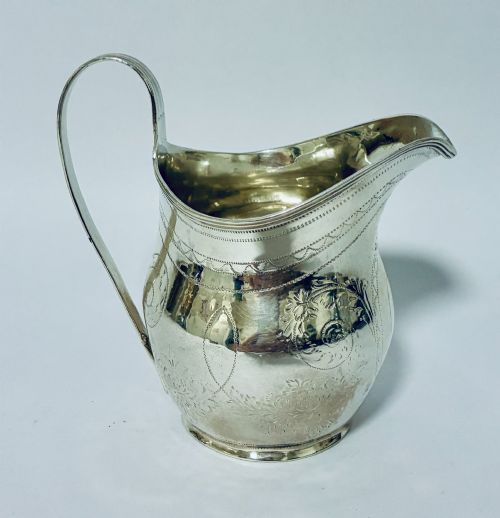
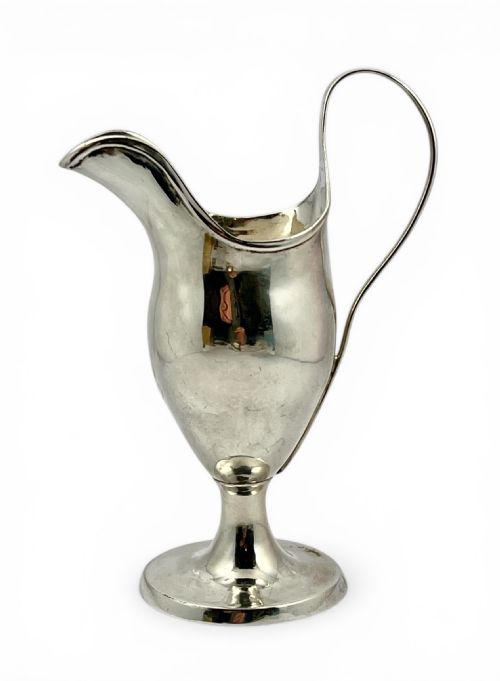
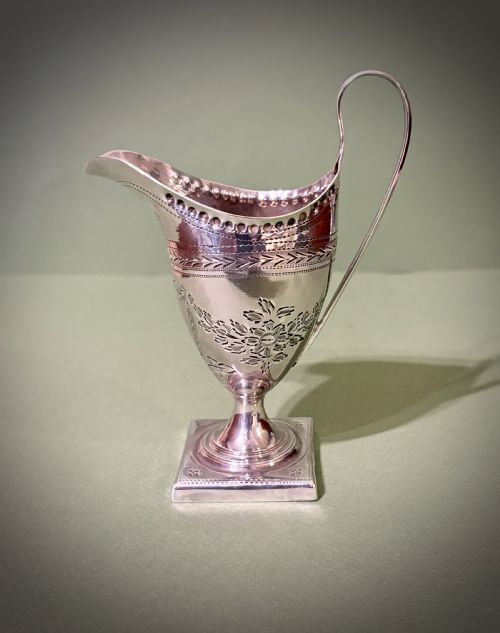
When you search for an 18th century silver pitcher, you enter a diverse field of domestic vessels spanning cream jugs, milk jugs, ewers, and ale pitchers. The pieces you are most likely to meet on this page belong to the Georgian period, particularly taking the form of cream jugs and helmet jugs made in sterling silver.
The selection ranges from small sparrow beak jugs to larger lidded tankards and coffee pots, alongside related materials such as Old Sheffield plate, pewter, and stoneware with silver-plated lids. These items served functional roles in tea and dining service, reflecting the social rituals of the era.
Geographic diversity is present within the British entries, with provincial centres like Newcastle and Aberdeen represented alongside London work. Occasional global pieces, such as Japanese Imari ewers from the same broad timeframe, sit alongside domestic pewter and copper items.
Materials and Construction
The primary material across the core listings is sterling silver, shaped through traditional hammering and casting techniques by period silversmiths. Many domestic vessels utilise handles incorporating wood elements or cast scrollwork to insulate against heat.
Alternative manufacturing methods appear in Old Sheffield plated items, which fuse a thin layer of silver onto a copper base, and in ceramic bodies like Mortlake stoneware fitted with silver-plated lids. Pewter and porcelain also provide alternative material expressions for utility vessels of the era.
Factors That Distinguish Quality
Quality in these vessels is evident in the crispness of chased and embossed Rococo or Neoclassical decoration and the balance of the handle to the body. Superior examples demonstrate substantial weight in the silver and precise execution of spouts, such as the distinct formation seen on sparrow beak forms.
The integration of maker marks and hallmarks contributes significantly to the standing of a piece, with clear punches from recognised provincial or London workshops indicating rigorous guild standards. Material integrity, whether in the preservation of the silver plating on copper or the retention of original wooden components, marks out the superior survivals.
Stalker and Mitchison·James Gordon·Peter and Ann Bateman·John Scofield
The 18th Century Silver Pitcher Glossary
- Sparrow beak jug
- A small cream jug featuring a distinctively pointed, pinched spout resembling a bird's beak. These early Georgian forms typically date from the first half of the eighteenth century.
- Helmet jug
- A cream or milk jug shaped with a flared foot and an upturned rim resembling a classical helmet. This neoclassical silhouette became popular during the reign of George III.
- Old Sheffield plate
- An early composite material made by fusing a sheet of silver to a thicker copper core under heat and pressure. It predates electroplating and often reveals traces of copper along high-wear edges.
- Sterling silver
- An alloy consisting of ninety-two point five percent silver and seven point five percent other metals, usually copper. British pieces of this standard carry hallmark guarantees.
- Ewer
- A large pitcher with a wide spout and a curved handle, traditionally used for holding and pouring liquids. Eighteenth-century examples appear in both metal and ceramic forms.
- Provincial silver
- Silverware marked and made outside of London in regional assay offices such as Newcastle, Edinburgh, or Aberdeen. These pieces often display distinct local design variations.
18th Century Silver Pitcher: Frequently Asked Questions
How do I identify a sparrow beak jug?
A sparrow beak jug is characterised by its small scale and a pinched, protruding lip that resembles a bird's beak. These pieces generally date from the early eighteenth century and served the tea table.
They often sit on three small feet and feature simple, elegant handles made of cast silver or occasionally wood to prevent heat transfer during use.
What is the difference between silver plate and sterling?
Sterling silver is a solid precious metal alloy regulated by strict standards and identified by hallmarks. Old Sheffield plate consists of a thin layer of silver fused to a copper base.
Over long periods of handling, plated pieces may show hints of the underlying copper coming through at the high points, which collectors view as a sign of age.
How were these pitchers used in the eighteenth century?
These vessels fulfilled specific domestic functions at the dining table and in the parlour. Cream jugs and helmet jugs held milk or cream for tea service, while larger pitchers managed beer, ale, or water.
Coffee pots and lidded tankards were central to the consumption of hot beverages and malt drinks during social gatherings in Georgian households.
Where can I find the maker's mark on a silver jug?
Maker marks and standard hallmarks are usually stamped on the base of the vessel, near the rim, or occasionally underneath the handle. These punches include initials for the silversmith, a lion passant indicating sterling standard, and town marks.
Provincial pieces often feature distinct regional symbols that help trace the exact workshop and maker.