




18th Century Silver Dish
An 18th century silver dish brings tactile weight and period grace to a modern room.
18th Century Silver Dish
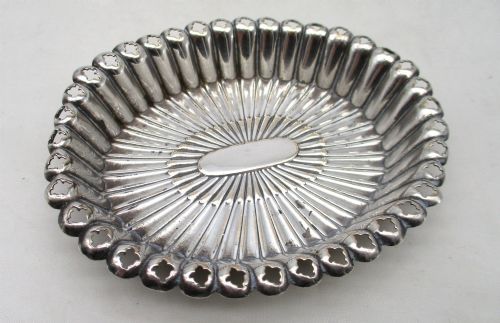
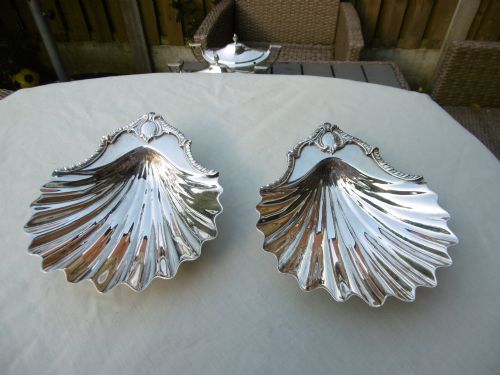
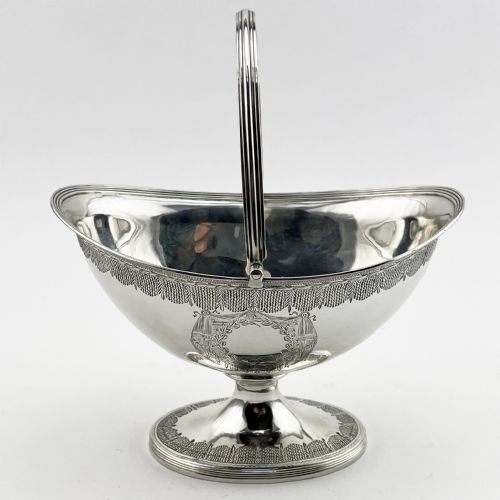
When you search for an 18th century silver dish, you encounter a range of forms spanning flat plates, patens, butter shells and sweetmeat baskets from the Georgian era. The selection draws on items produced across the 18th century, including specific pieces from the reigns of Queen Anne and George III.
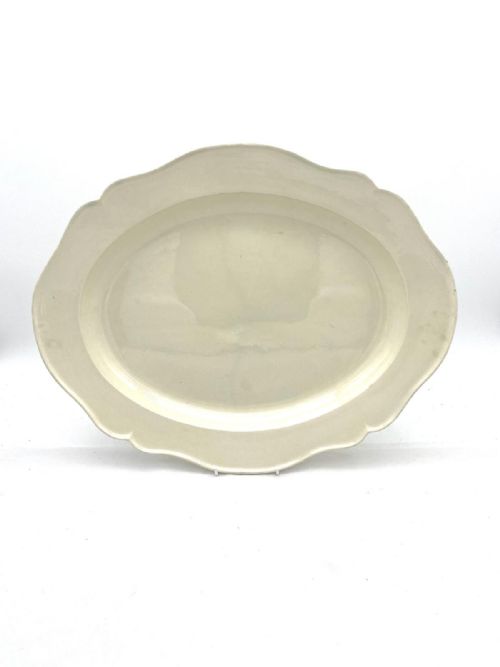
Beyond solid sterling silver, the category encompasses related dining and serving vessels in pewter, creamware and Old Sheffield plate. Makers worked in Dublin, London, Aberdeen and across wider European workshops to produce items that served dining tables and domestic interiors.
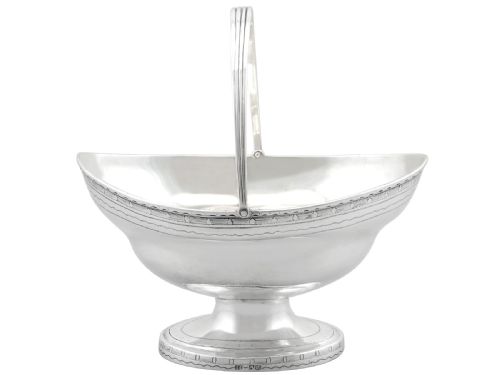
The objects vary from plain rim plates and chargers to pierced swing-handled baskets and specialised butter dishes. These pieces reflect the domestic habits of the 1700s, whether utilised for sugar, bread, butter or personal trinkets.
Materials and construction
Silversmiths shaped sterling silver and Britannia standard silver through hammering, casting and piercing, creating butter shells, patens and delicate sweetmeat baskets. Workshops also utilised Old Sheffield plate, fusing silver and copper to achieve durable dining items.
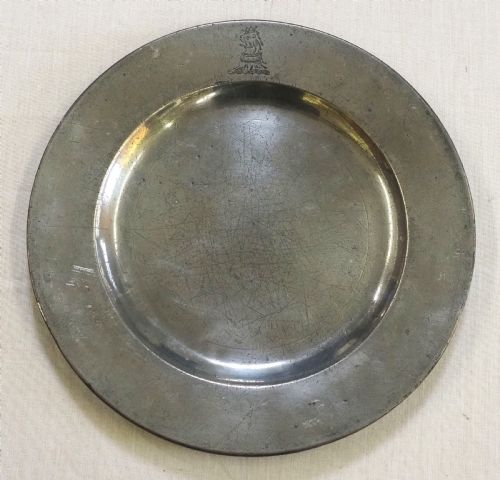
Pewterers cast tin-alloy mixtures into plates and chargers featuring plain rims or wavy edges, often marking their work with personal touchmarks. Artisans working in mahogany and walnut additionally produced silver tables designed to support these metal vessels.
Listings feature items spanning the 17th, 18th and 19th centuries, executed in sterling silver, pewter, Old Sheffield plate, copper, brass, mahogany and creamware.
Distinctions in quality
Quality rests on the crispness of maker marks, the integrity of chased or pierced decoration, and the preservation of original form without excessive thinning from polishing. Pieces bearing clear hallmarks for London, Dublin or regional silversmiths command distinct attention.
The weight of the metal and the balance of handles on baskets or butter shells indicate the maker's initial investment of labour and material. Superior examples retain their intended geometry, whether oval, round or shaped as a shell, alongside legible crests or engravings.
William Plummer·James Spackman·Matthew Boulton·Robert Breading·George Cooper·William Garrard·Peter and Anne Bateman·William Grundy·William Bond·S Duncomb·Walter Brind
The 18th Century Silver Dish Glossary
- Paten
- A small plate or dish used in ecclesiastical settings or as a secular serving vessel, often raised on a small foot. These pieces frequently date to the early 18th century.
- Britannia Standard
- A higher grade of silver purity introduced by English legislation in 1697 to prevent the melting of coinage. It contains ninety-five point eight percent pure silver.
- Old Sheffield Plate
- A composite material made by fusing a thin layer of silver to a thicker copper base, developed in the eighteenth century for tableware. It reveals thin lines of copper where wear occurs.
- Porringer
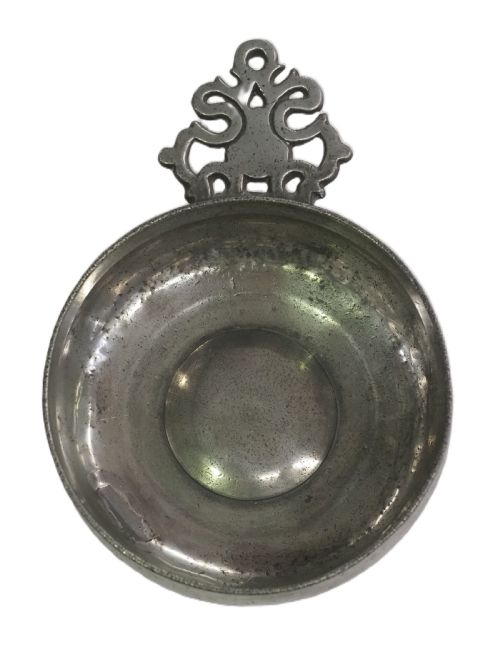
- A small, two-handled bowl used for porridges or liquids, appearing in pewter within early 18th century domestic inventories. They typically feature flat, pierced lugs.
- Charger
- A large decorative or serving plate placed beneath other courses or used independently on the dining table. Eighteenth century examples appear in both pewter and creamware.
18th Century Silver Dish: Frequently Asked Questions
How do I clean an 18th century silver dish?
Use a soft cloth and a gentle, non-abrasive silver cleaner formulated for antique metal to preserve the underlying surface and any delicate engraving. Avoid harsh chemical dips that strip the natural patination built up over centuries.
Store the piece away from direct sunlight and damp environments to minimise tarnishing. Regular, light dusting with a microfiber cloth keeps the silver stable between careful washes.
What is the difference between sterling and Britannia standard silver?
Britannia standard silver contains ninety-five point eight percent pure silver, whereas traditional sterling silver contains ninety-two point five percent. Parliament mandated the higher purity standard for a period starting in 1697 to deter coin melting.
Silverware bearing the Britannia standard mark usually feels slightly softer and displays a distinct, pale lustre. Pieces from this era often carry hallmarks showing the figure of Britannia rather than a lion passant.
How can I tell Old Sheffield plate from solid silver?
Old Sheffield plate consists of a thin sheet of silver fused over a copper core, a technique invented in the 18th century. Close inspection under magnification often reveals a faint line of reddish copper showing through along high friction edges or rims.
Solid silver maintains a uniform metallic composition throughout and does not show copper telegraphing beneath the surface layer. Weight can also offer a clue, as copper and silver composites differ slightly in density from solid sterling.
Were pewter dishes used for dining in the 18th century?
Pewter plates, chargers and porringers served as standard tableware for middle and upper-class households throughout the 18th century. They provided a durable and affordable alternative to solid silver before creamware and porcelain gained widespread popularity.
Many surviving pewter pieces retain maker touchmarks and ownership crests stamped directly into the rim. They suit modern display or table use when handled with care.