
18th Century Serpentine Chest
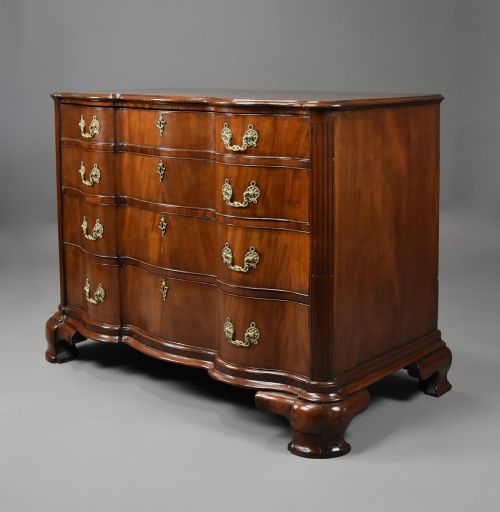
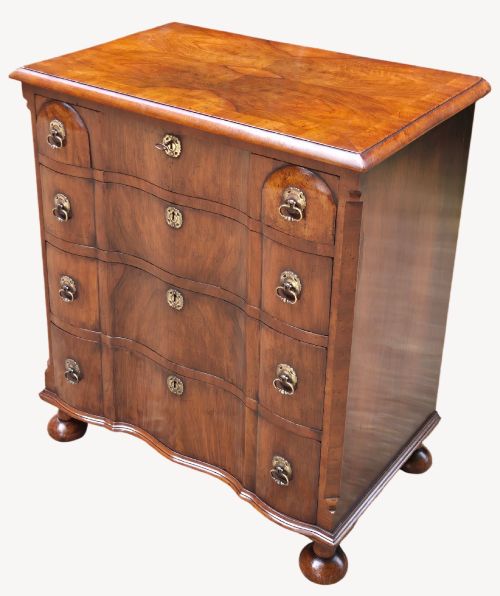
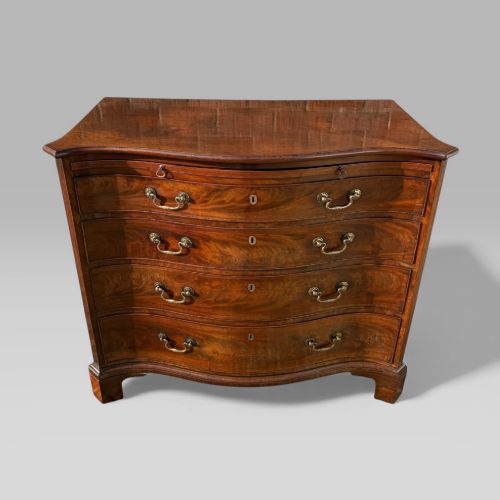
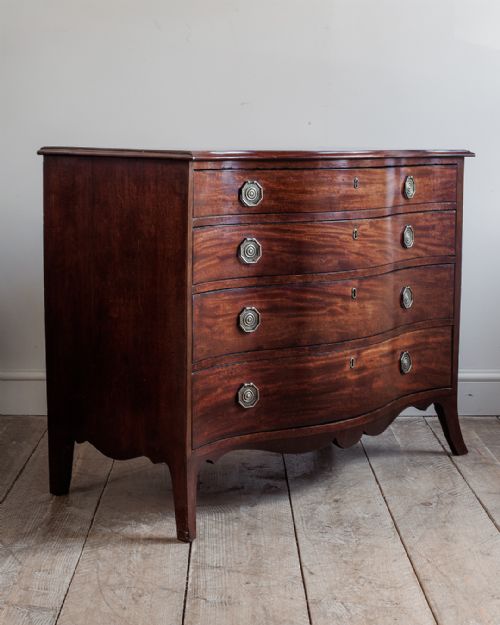
An 18th century serpentine chest brings fluid, undulating movement to formal room schemes through sophisticated cabinetwork.
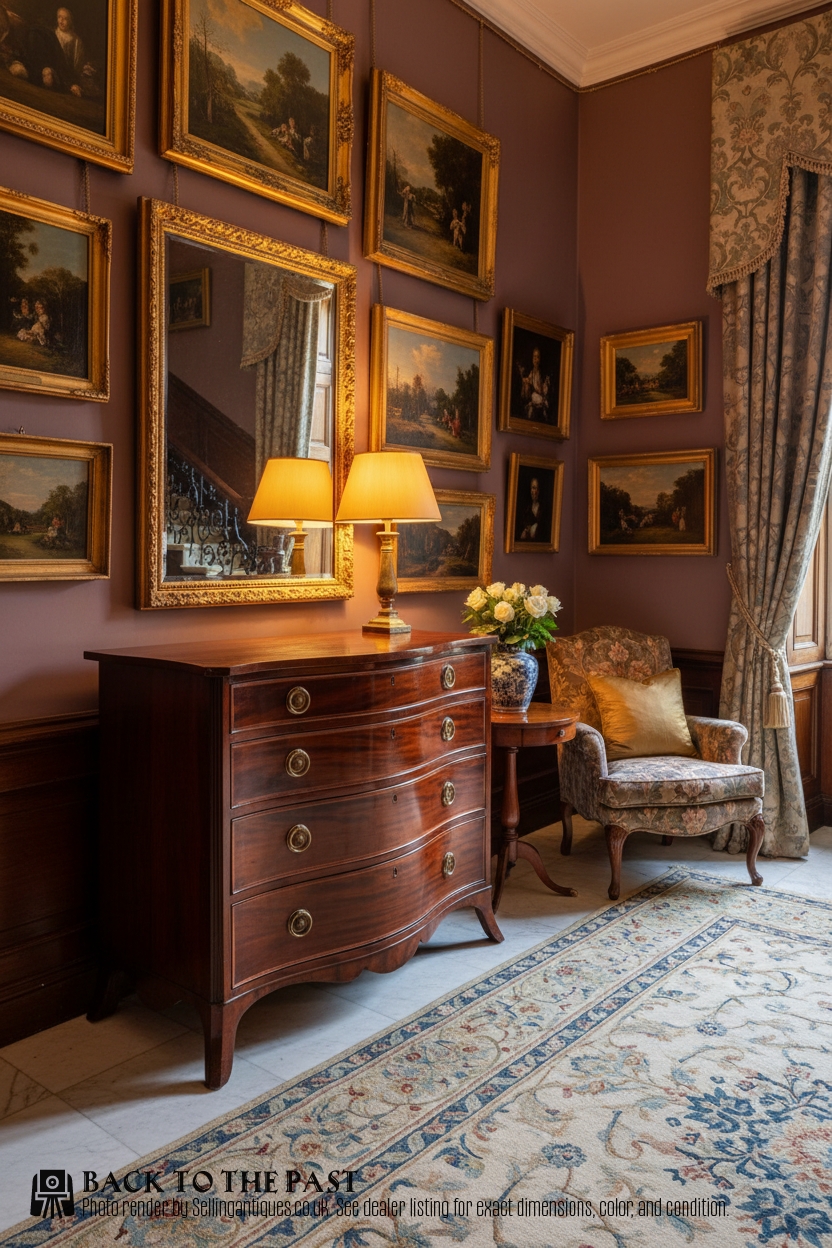
Form and Period
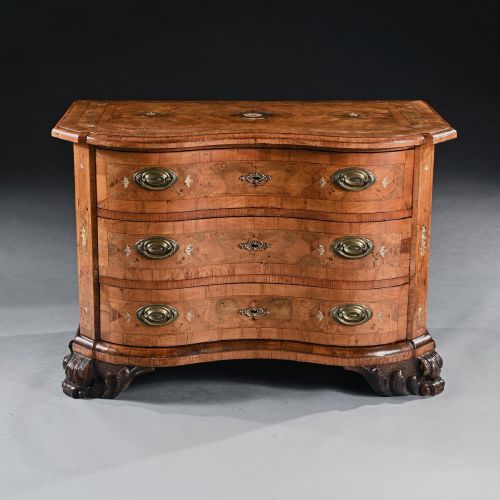
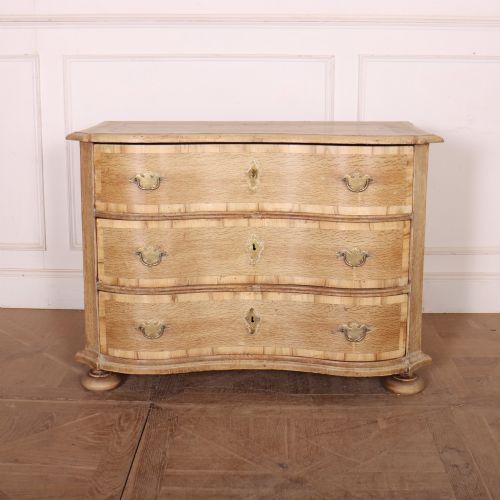
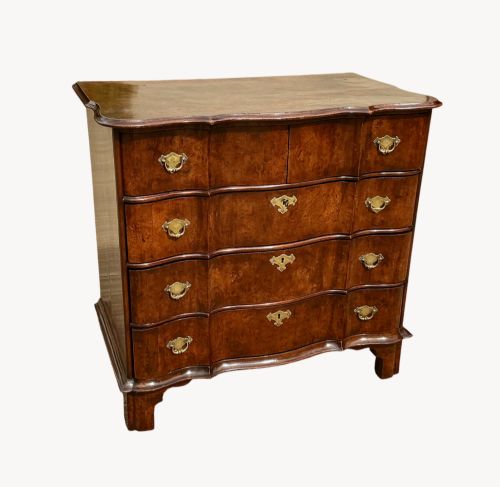
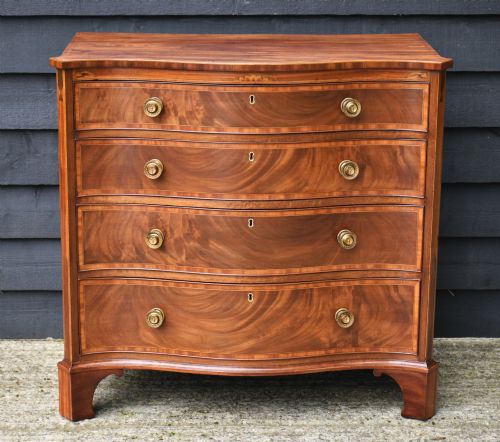
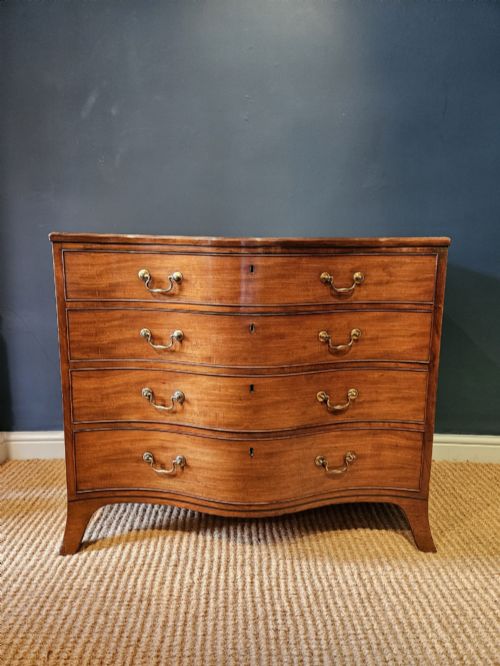
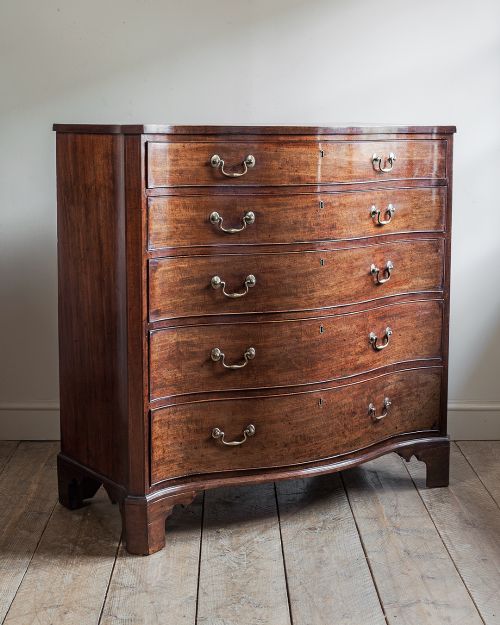
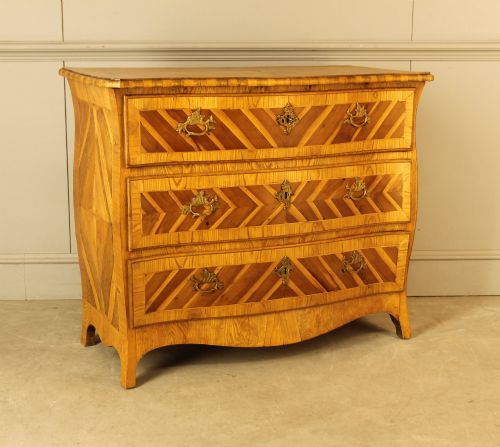
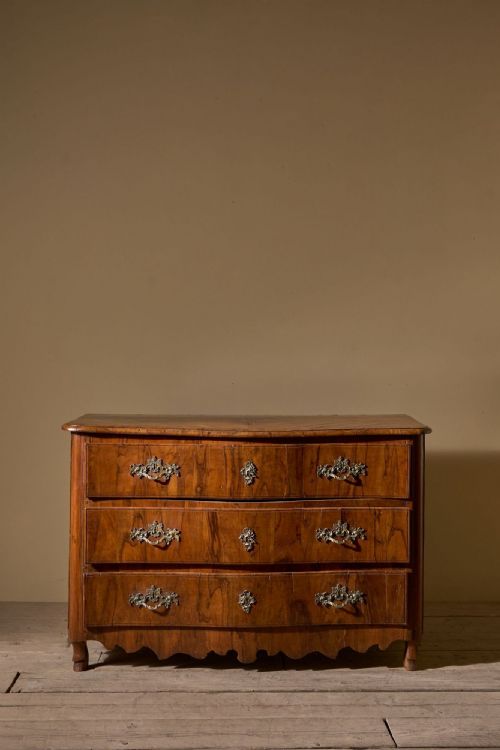
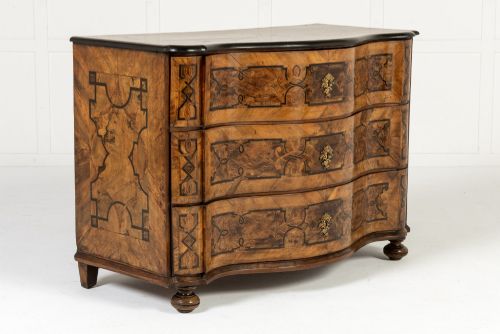
An 18th century serpentine chest is a sophisticated form of drawer furniture defined by its curving front, which swells outward at the centre and recedes toward the corners. These pieces date from the Georgian and George III eras, encompassing related stylistic influences such as Chippendale, Hepplewhite, Sheraton, Baroque, and Rococo.
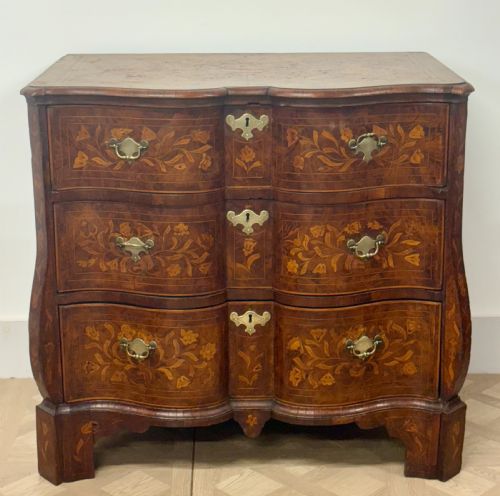
Mahogany is the dominant wood seen across these listings, often selected for its figured grain, alongside burr walnut, oak, chestnut, and painted surfaces. Cabinets frequently incorporate decorative details like parquetry inlay, conch shell motifs, and boxwood or satinwood stringing.
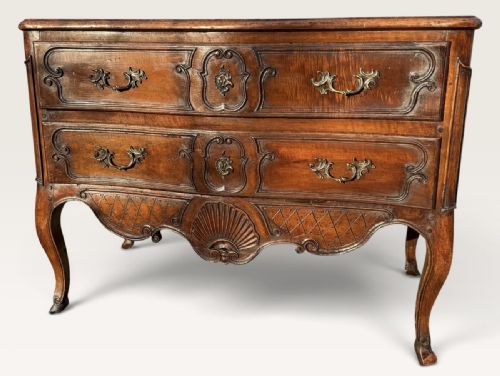
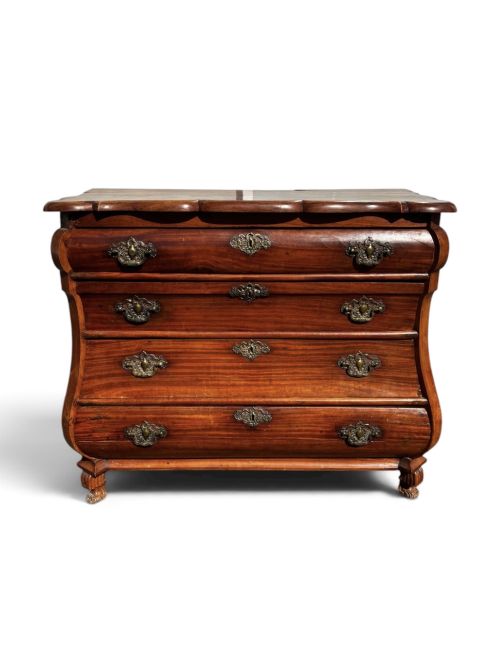
Most examples function primarily as chests of drawers or commodes, though occasional variants include dressing chests or marble top designs. Dimensions range from small proportions to larger case furniture intended for principal bedchambers.

Materials and Construction
Cabinetmakers constructed these curving drawer fronts from dense timbers like mahogany, burr walnut, and oak, frequently employing figured veneers to accentuate the undulating profile. Secondary woods provided structural stability to the interior carcase and drawer linings.
Specialised joinery techniques allowed craftsmen to shape solid timber and veneered panels into the characteristic serpentine contour. Decorative enrichment relied on fine parquetry inlay, satinwood banding, and conch shell motifs.
Hardware typically includes cast brass pulls and escutcheons secured to the drawer fronts, complementing the rich tones of the polished wood surfaces.
Retail Price Guide 2026
Typical UK retail prices for 18th century serpentine chest, calculated from the Sellingantiques database of over a million retail prices indexed since 2003. This retail price guide relies exclusively on Sellingantiques data; no external sources or auction records are used, so the figures do not describe the wider market.
Listings feature mahogany, burr walnut, oak, and chestnut timbers, frequently decorated with parquetry inlay and boxwood stringing.
Craftsmanship and Design
The sophistication of the undulating front largely determines the calibre of the piece, with crisp, deeply moulded curves showing superior cabinetmaking skill. Figured mahogany or burr walnut veneers demonstrate careful selection by the maker to enhance the visual impact of the cabinet face.
Detailing such as parquetry inlay, boxwood stringing, or conch shell motifs separates standard examples from more elaborate commissions. The integration of marble tops or distinctive stylistic elements like Sheraton and Hepplewhite proportions further distinguishes the range.
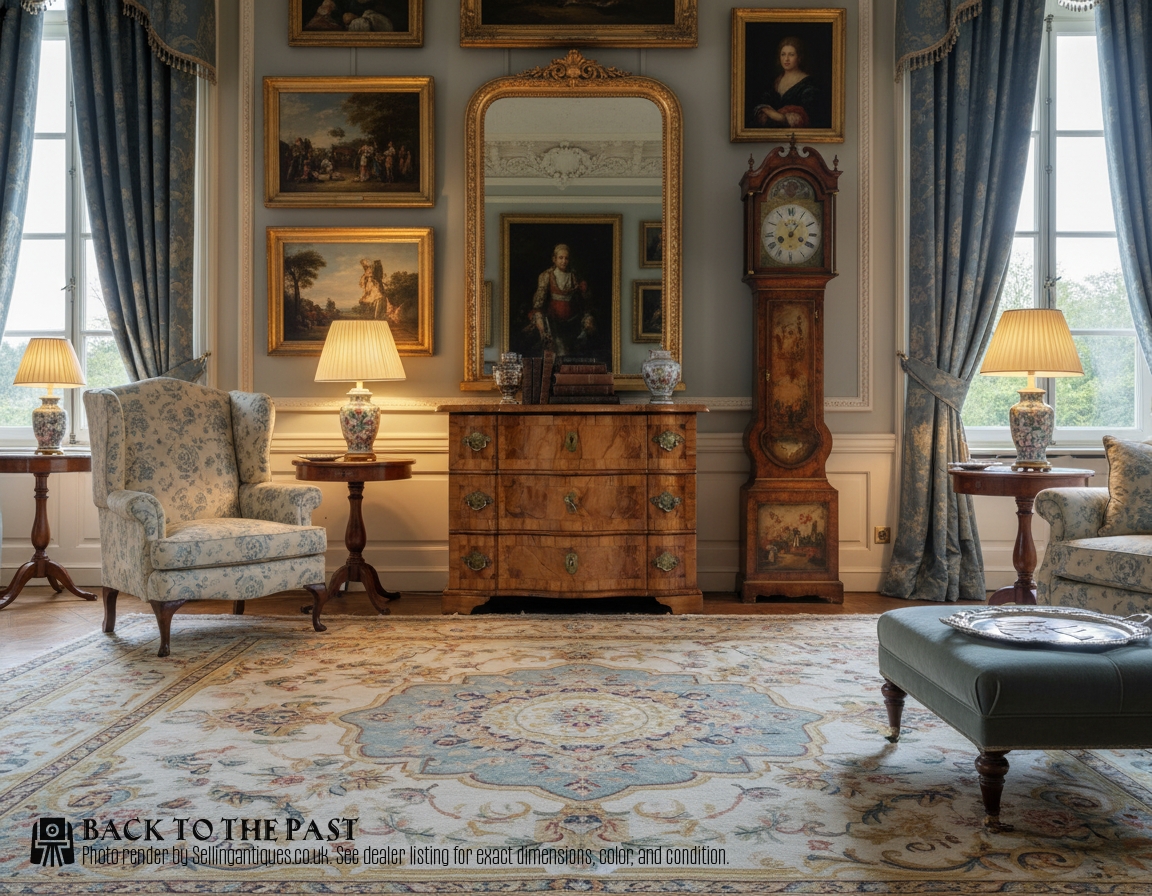
Hepplewhite
The 18th Century Serpentine Chest Glossary
- Serpentine chest
- A chest of drawers featuring a front that curves outward in the middle and inward at the sides. This distinctive shape requires advanced woodworking skill to execute properly.
- Commode
- A decorative chest of drawers or cabinet originating from French influence. These often feature ornate parquetry inlay or marble tops.
- Parquetry
- Geometric wood inlay work used to create decorative patterns on furniture surfaces. It adds visual texture and highlights the craftsmanship of the period.
- Figured mahogany
- Timber with an attractive, mottled grain pattern prized for its appearance. Cabinetmakers selected these boards for the primary display surfaces.
- Stringing
- Thin lines of contrasting wood inlaid into the surface of furniture to create borders. This linear detail defines panels and outlines drawer fronts.
Frequently Asked Questions
What is a serpentine chest?
A serpentine chest is an 18th century storage piece featuring a distinctive curved front that sweeps outward in the middle and curves inward at the ends. This undulating contour defines the aesthetic of high-status Georgian case furniture.
Craftsmen built these pieces primarily in mahogany and burr walnut, often enhancing the design with decorative stringing, inlay, or marble tops.
Where were these chests used?
These chests served primarily as principal storage furniture within formal Georgian bedchambers and dressing rooms. Their finished appearance also suited them for placement in grand reception spaces and parlours.
With surfaces designed to display personal items or serve as dressing consoles, they combined practical drawer storage with high decorative display value.
How do I identify George III pieces?
George III pieces date from the second half of the 18th century and often reflect the refined neoclassical styles associated with designers like Hepplewhite and Sheraton. Look for balanced proportions, tapered or bracket feet, and precise inlay work.
Earlier examples may exhibit more robust Baroque or Rococo curves, while later 18th century iterations favour crisper geometric lines and lighter contrasting woods.
How should I care for antique mahogany?
Maintain antique mahogany by keeping the timber away from direct heat sources and strong sunlight, which can dry out and fade the historic polish. Regular gentle dusting with a dry lint-free cloth preserves the natural lustre of the wood.
Avoid modern liquid polishes or silicone sprays, as these can build up over time and alter the appearance of the original finish.