


18th Century Secretaire Desk
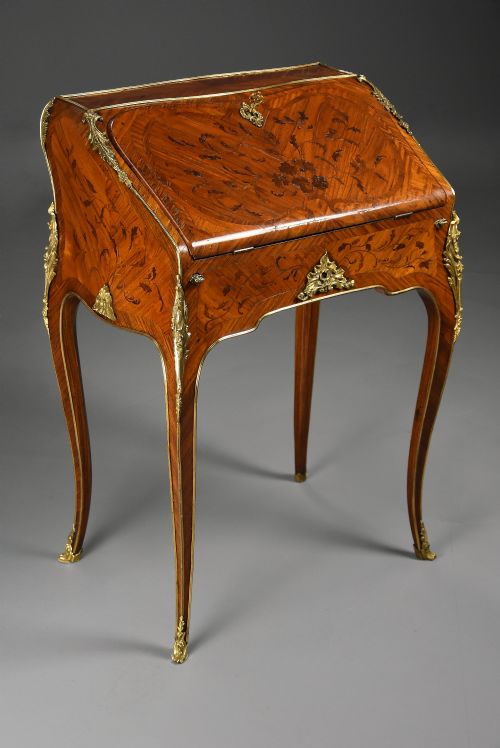
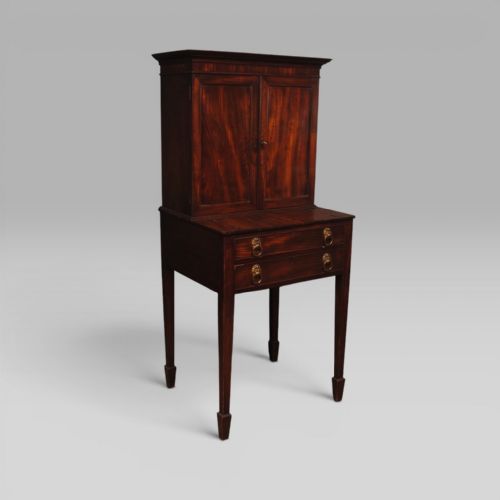
An 18th century secretaire desk offers concealed writing drawers behind a drop-front panel, combining storage with a compact writing surface.
18th Century Secretaire Desk
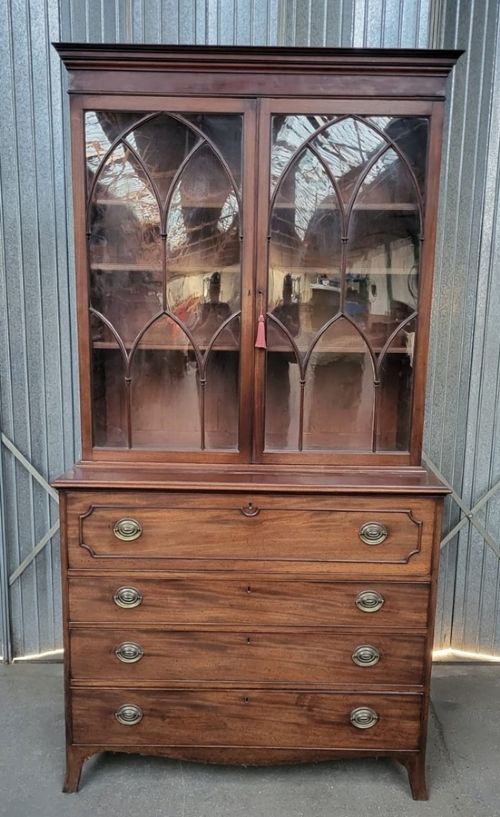
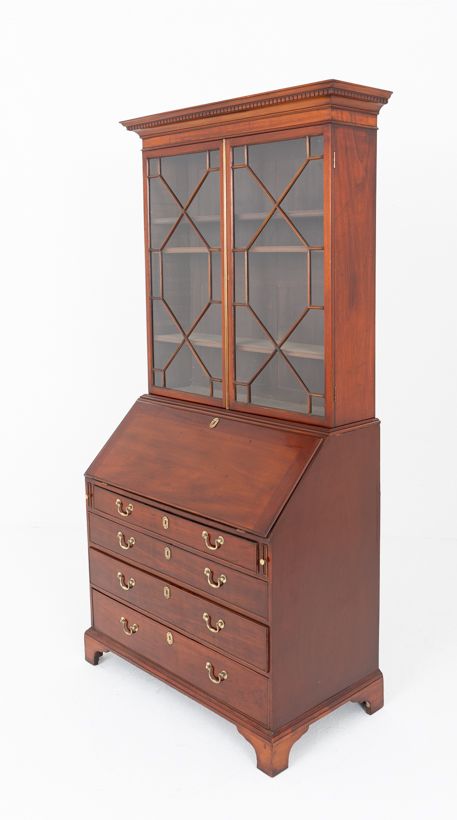
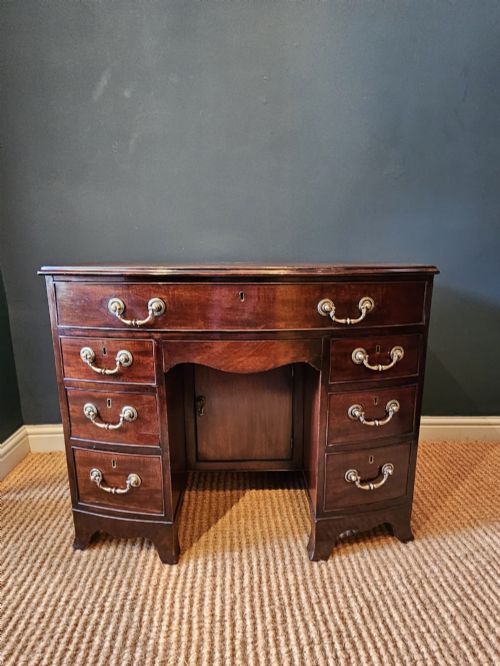
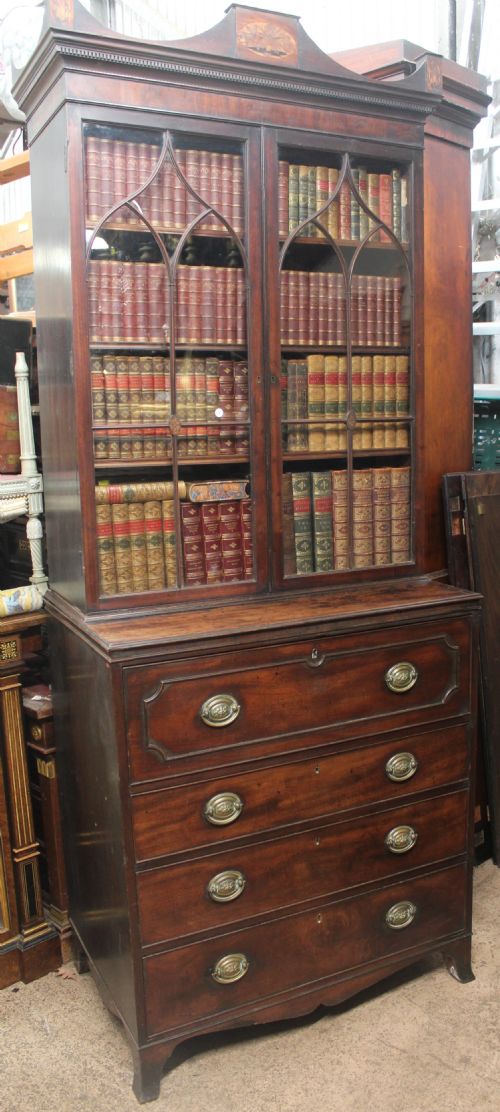
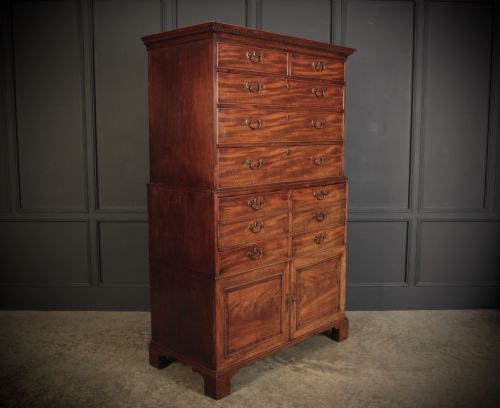
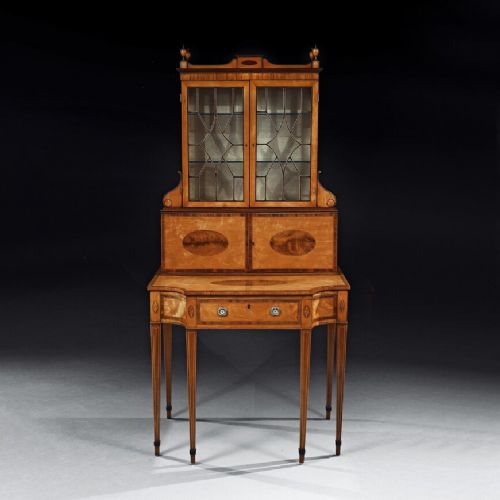
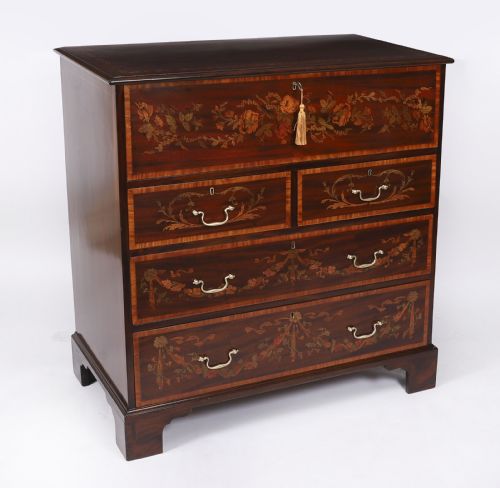
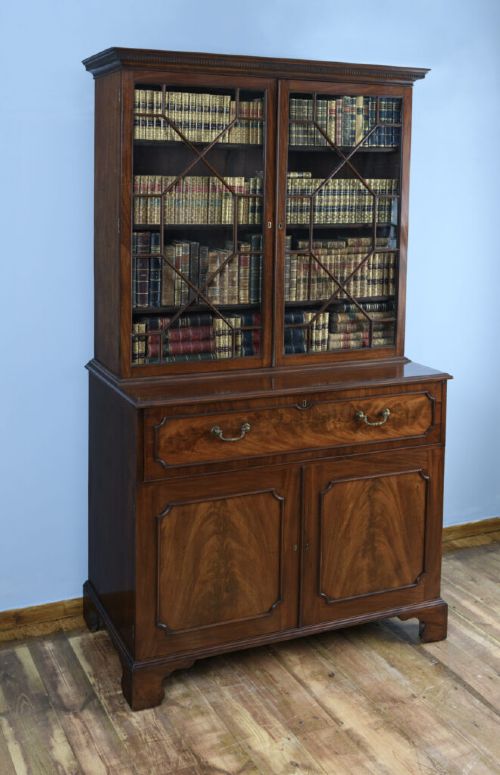
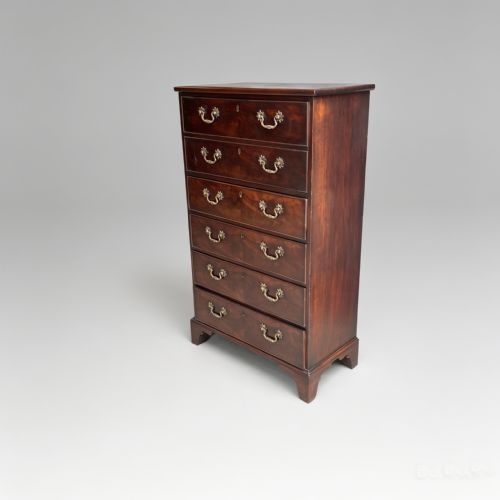
When you search for an 18th century secretaire desk, you encounter tall bookcases, chests on chests, and kneehole desks originating across Georgian England and continental Europe. The most common forms on this page include secretaire bookcases and bureau bookcases fitted with glazed or panelled upper sections.
Makers from the 17th century through the early 19th century built these pieces primarily in walnut, oak, and mahogany. Styles range from plain Queen Anne and early Georgian iterations to elaborate George III and Louis XV designs incorporating satinwood and marquetry.
Materials and Construction
Cabinetmakers constructed carcases in sturdy native timbers like oak and walnut before applying fine face veneers of mahogany and satinwood. Secondary woods provided structural stability to large secretaire bookcases and tallboys.
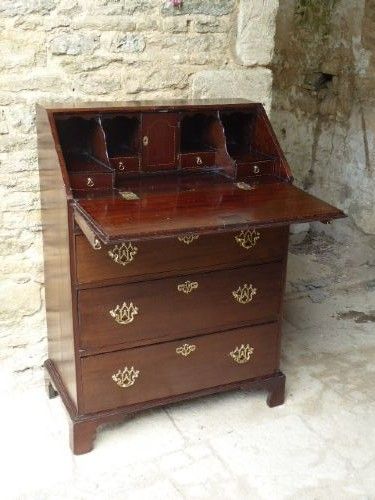
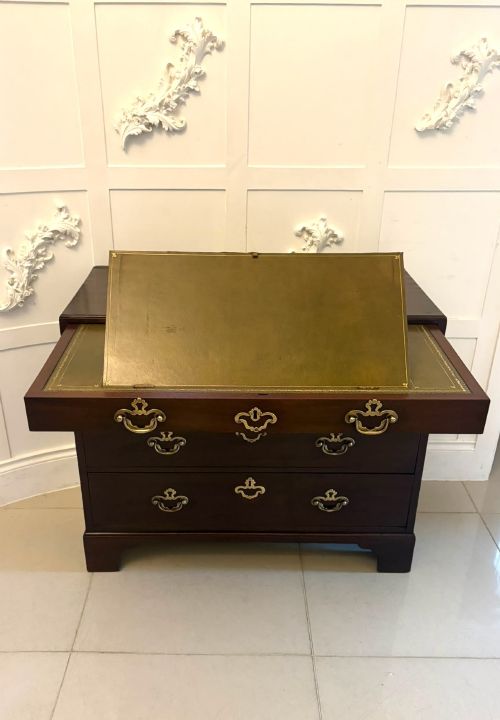
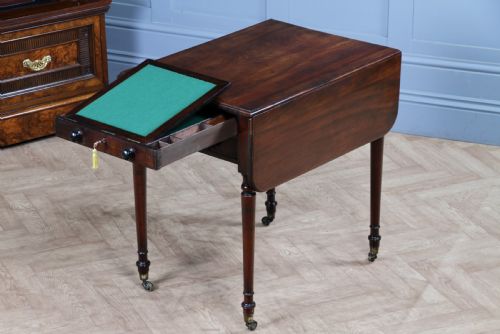
Workshops integrated brass handles, escutcheons, and leather or baize writing surfaces into the fall-front drawers. Glazing bars formed geometric patterns on bookcase doors, while internal pigeonholes and small drawers organised correspondence.
Secret compartments hidden inside these writing drawers were designed to keep love letters and family debts safely out of sight.
Distinguishing Quality
The standard of a piece rests on the figure of the timber and the precision of the cabinetwork. Figured walnut and select mahogany show deliberate grain matching across drawer fronts and fall-front panels.
Complexity of the internal writing compartment distinguishes simpler desks from important cabinets. Sophisticated fitted interiors with secret compartments, inlaid satinwood, and original brass hardware elevate the status of a desk.
BVRB
The 18th Century Secretaire Desk Glossary
- Secretaire
- A desk or cabinet featuring a pull-out or drop-down writing flap that conceals small drawers and pigeonholes. This term applies to both standalone writing cabinets and the writing drawers integrated into larger chests.
- Tallboy
- A tall chest of drawers consisting of one chest stacked on top of another. In this inventory, they often incorporate a secretaire drawer within the upper section.
- Marquetry
- Decorative veneer work formed by fitting pieces of various woods and materials into a complex pattern. Dutch examples frequently employ floral marquetry across the entire exterior.
- Escritoire
- An alternative term for a writing cabinet or desk. Eighteenth-century pieces under this name often utilise figured walnut.
- Glazed
- Fitted with glass panes, typically in the upper doors of a bookcase. This protects library contents while displaying bookbindings.
18th Century Secretaire Desk: Frequently Asked Questions
How do I identify a George III secretaire?
George III secretaires typically display classical proportions, refined mahogany or satinwood veneers, and understated bracket feet or French feet. Stylistic details often include astragal glazing bars on bookcase doors.
Cabinetmakers of this period focused on functional interiors within the fall-front writing drawer, sometimes incorporating secret compartments and miniature drawers.
Where were secretaire desks placed?
These desks served as functional writing and storage furniture in the private studies, libraries, and withdrawing rooms of large houses. Their dual purpose allowed owners to store correspondence and books in a single piece.
Because they combined a bookcase or chest of drawers with a writing surface, they economized space in domestic interiors.
How do I care for antique mahogany?
Antique mahogany requires stable indoor humidity and protection from direct sunlight to prevent the timber and veneers from drying out or fading. Gentle dusting with a dry cloth maintains the finish without stripping historical wax.
Avoid placing these desks near direct heat sources such as radiators or fireplaces, which cause wood to warp and joints to shrink.