



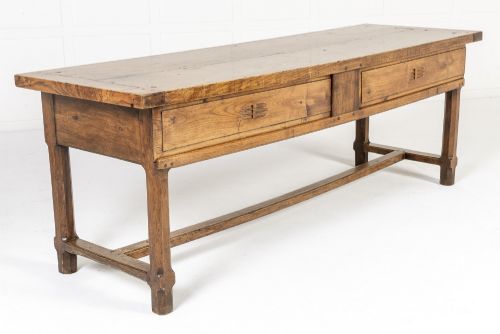
18th Century Provincial Table
An 18th century provincial table brings direct, honest regional craftsmanship into a room, offering sturdy utility and deep historical character.
18th Century Provincial Table
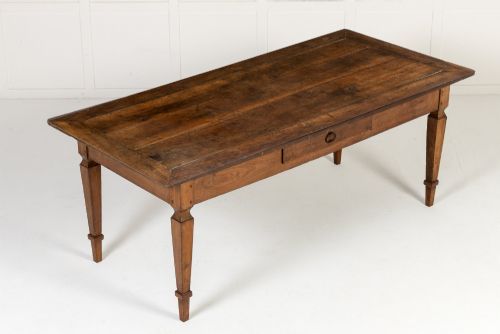
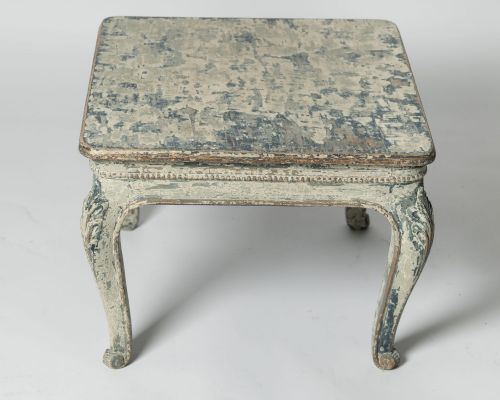
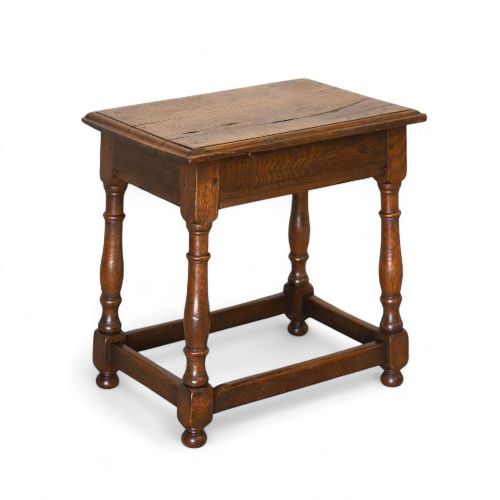
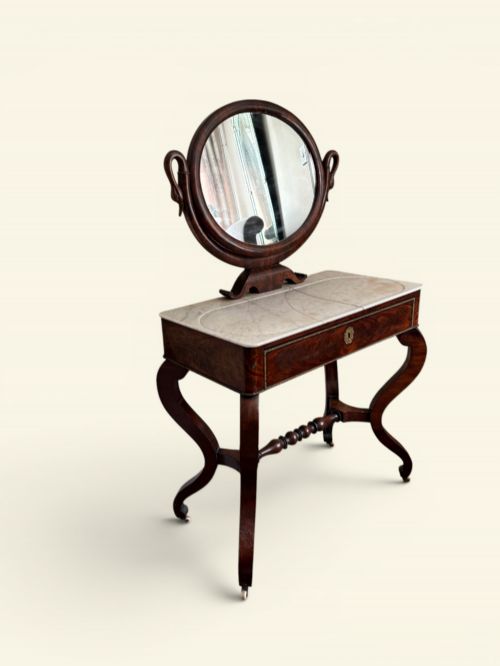
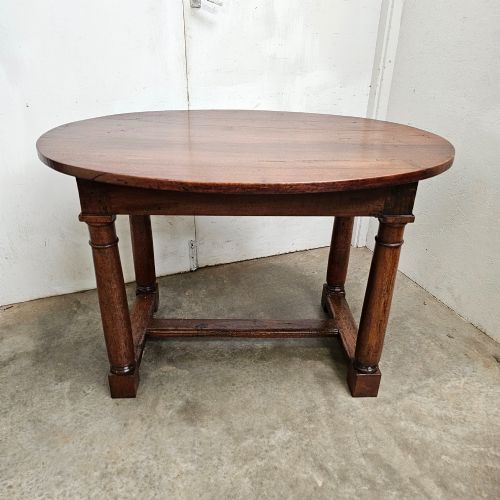
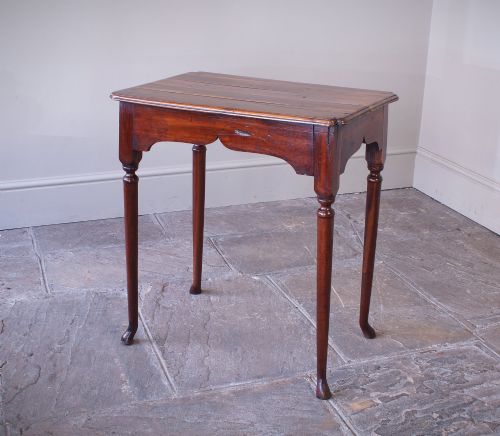
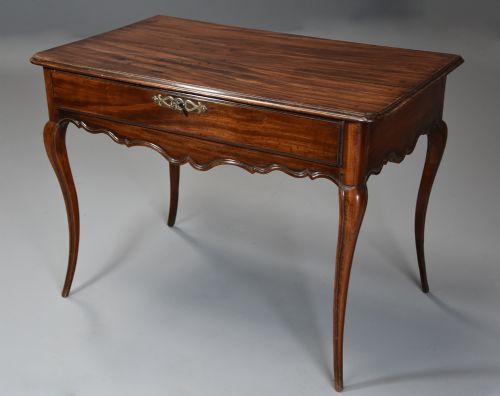
An 18th century provincial table represents the utilitarian and domestic furniture made outside metropolitan centres, spanning regional workshops in Britain and across the continent. When searching for an 18th century provincial table, buyers encounter forms ranging from side tables and lowboys to large farmhouse dining tables and occasional consoles.
The pieces appearing on this page display the distinct regional tastes of French, English, Italian, and Welsh makers. Oak, walnut, fruitwood, and elm dominate the selection, reflecting the local timber available to provincial joiners and cabinet makers.
Functional forms such as dressing tables, writing surfaces, and refectory tables show how daily life shaped the design of these domestic objects. Their survival in oak, cherrywood, and pine demonstrates the robust construction intended for everyday provincial use.
How they were made
Makers utilised solid regional timbers like oak, walnut, fruitwood, and elm, often selecting woods native to the immediate district. Construction relied on traditional joinery methods, such as mortise and tenon joints, designed to withstand heavy daily wear without metal fasteners.
Surface preparation involved hand planing and polishing, which over centuries developed the rich patinas and painted finishes seen today. Details like parquetry, carved walnut, and marble tops occasionally appeared on continental examples, adding refinement to sturdy country frames.
One listed dining table incorporates elm alongside oak, proving that country joiners simply used whatever sturdy timber was lying behind the barn.
What varies in quality
The distinction between ordinary and exceptional pieces rests primarily on the integrity of the original surface and the proportion of timber retained. Pieces retaining a superb original patina and untouched surface finish command greater appreciation among collectors than those stripped or overly restored.
Structural honesty and the clever use of regional timbers also separate standard utility items from finer workshop output. Selection of figured walnut or well-matched fruitwood indicates a maker working with greater ambition beyond basic domestic requirements.
James Tait
The 18th Century Provincial Table Glossary
- Provincial
- Furniture made in the regions outside the capital city. These pieces often adapt metropolitan styles using local timbers and straightforward construction.
- Lowboy
- A small table with one or more drawers, typically supported on four legs. This form served various domestic functions including dressing or serving.
- Refectory table
- A long dining table traditionally used in communal dining halls. Provincial examples in oak and elm provide substantial surface area.
- Patina
- The surface sheen and colour developed over decades through use, waxing, and ageing. A rich patina indicates undisturbed historical surfaces.
- Parquetry
- Geometric patterns of wood veneer laid down on a surface. This technique appears on selected tables to create decorative top designs.
18th Century Provincial Table: Frequently Asked Questions
How do I live with an antique table?
Living with these pieces involves using them much as intended, while protecting aged wood from extreme humidity and direct heat sources. Regular waxing with traditional beeswax helps maintain the historic surface.
Embrace the knocks and marks accumulated over centuries as part of the narrative. These tables adapt easily to modern interiors as side surfaces, desks, or dining tables.
How can I tell French from English tables?
French provincial tables frequently employ fruitwood, walnut, or cherrywood, often displaying subtle curves influenced by Louis styles or regional tastes. English and Welsh versions lean heavily towards sturdy oak and elm with simpler, more linear frames.
Hardware choices and construction secrets within the frame also signal the origin workshop. Examining the timber species provides the clearest clue to regional provenance.
Were these tables painted originally?
Many provincial tables featured painted finishes applied to protect cheaper utility woods or to follow regional decoration fashions. Original painted pine and decorated surfaces survive on select surviving examples.
Buyers should assess whether paint layers are period or later additions. Surviving early paint adds significant visual character to country pieces.