




18th Century Low Table
When searching for an 18th century low table, buyers encounter versatile low-slung surfaces that bridge historical utility and modern interior demands.
18th Century Low Table
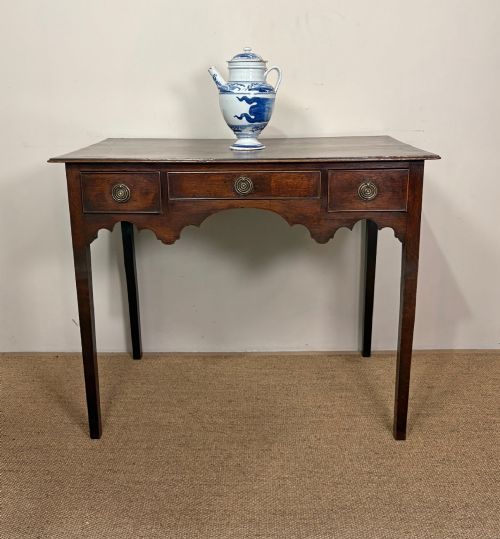
Buyers browsing for an 18th century low table frequently encounter lowboys, dresser bases, and compact side tables adapted from earlier domestic contexts. These pieces originate primarily from English, Welsh, and French provincial workshops operating during the Georgian and George III periods.
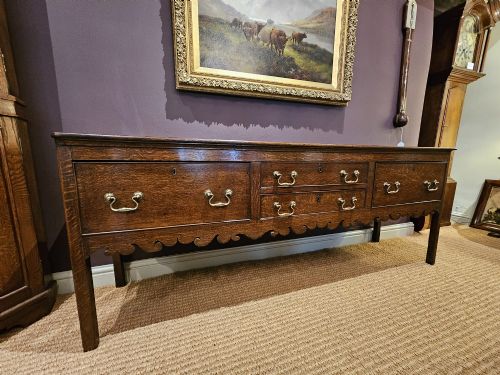
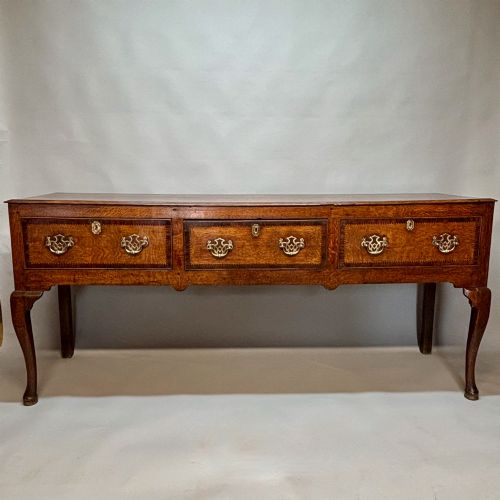
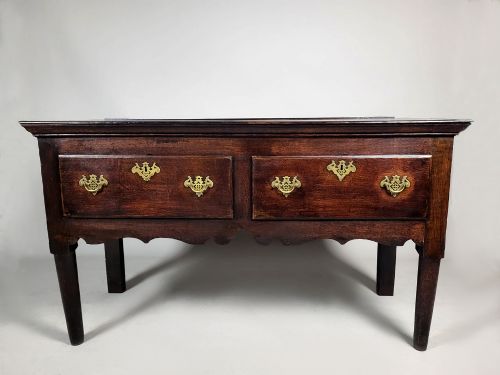
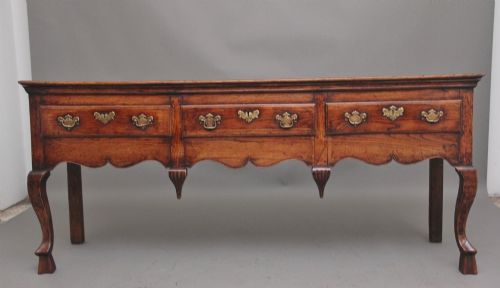
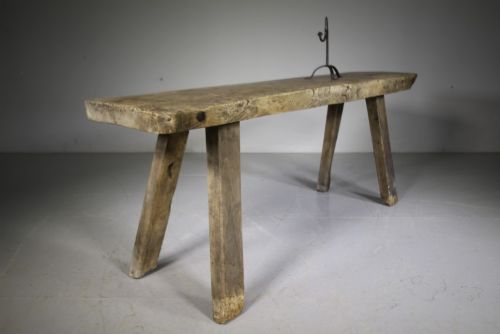
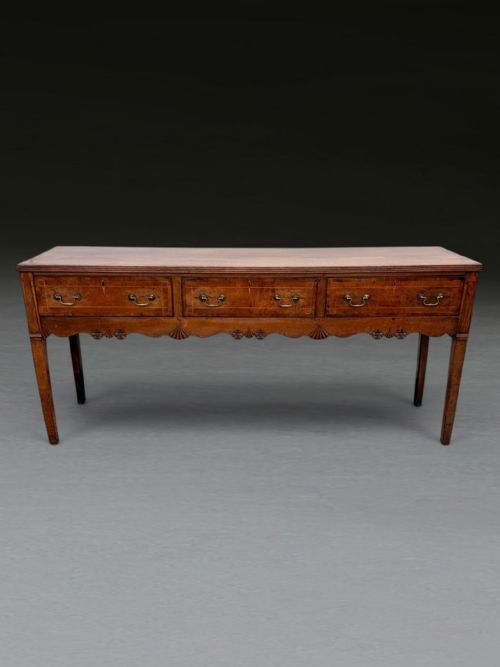
The category encompasses low timber forms including potboard dressers, writing desks, and pig benches alongside occasional marble-topped low centre tables. Oak and mahogany versions dominate the selection, reflecting the robust materials utilised by period cabinetmakers.
Many items designated as low tables today functioned historically as dressing tables, side tables, or auxiliary surfaces rather than dedicated coffee tables. Their modest height and proportion suit contemporary living spaces while retaining authentic period character.
What varies in quality
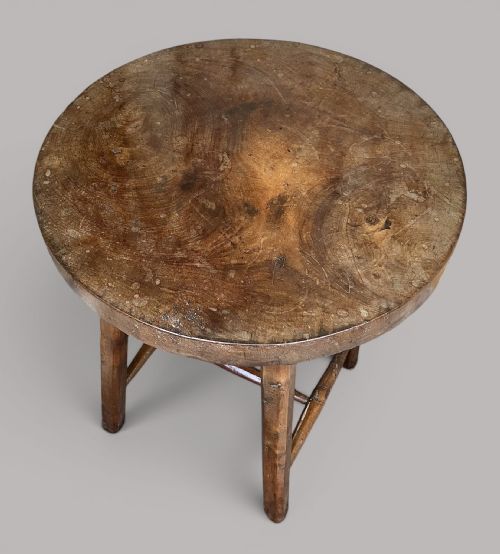
Proportion and timber selection separate standard utilitarian items from finer examples produced in regional workshops or urban centres. Grain figure in walnut and mahogany or the choice of quarter-sawn oak elevates the visual weight of a piece.
The preservation of original surface finishes, patination, and brass hardware dictates historical integrity. Alterations to legs, reduced heights, or replaced tops influence the standing of an item within the broader range.
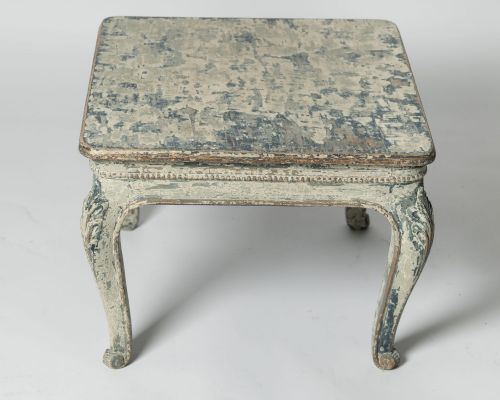
Listings feature oak, walnut, mahogany, and elm across Georgian and Victorian periods, alongside painted wood variants.
Gillows Lancaster
The 18th Century Low Table Glossary
- Lowboy
- A small pedestal table or dressing table featuring drawers beneath the surface, standing on four legs. These pieces typically date from the early to mid Georgian era.
- Potboard Dresser
- A sideboard or dresser featuring an open lower shelf positioned near the floor for storing pots and kitchen utensils. This form is frequently constructed from solid oak.
- Cabriole Leg
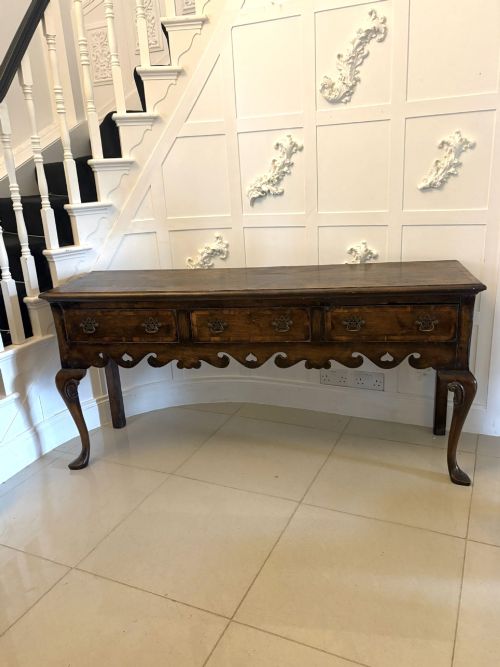
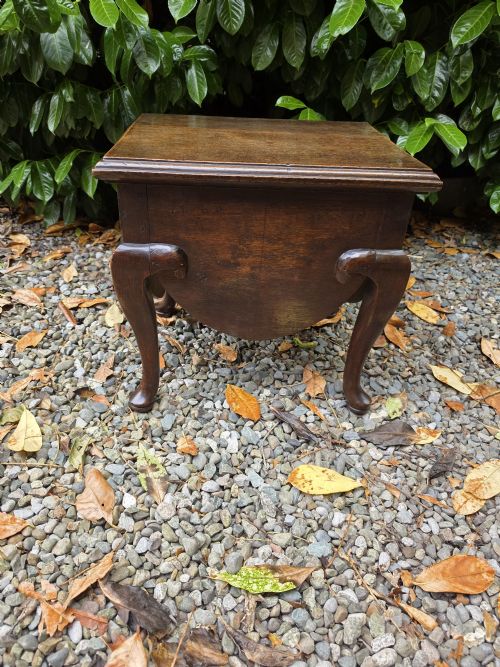
- A furniture leg that curves outward at the knee and tapers inward toward the foot, often ending in a pad or hoof. This design appears frequently on walnut and mahogany pieces from the eighteenth century.
- Patina
- The surface sheen and colour developed on timber through decades of handling, polishing, and light exposure. Collectors value this visual depth as an indicator of age.
- Dovetail
- A joint formed by interlocking wedge-shaped fingers, utilised primarily in drawer construction to secure corners. Hand-cut variations indicate period craftsmanship.
18th Century Low Table: Frequently Asked Questions
What was a lowboy used for?
Lowboys functioned primarily as dressing tables or writing desks in eighteenth-century bedchambers and parlours. Their shallow drawers held personal items, documents, or grooming accessories.
Over time, their compact scale allowed them to transition into hallways and reception rooms as decorative side tables. Today, their height adapts them well to use as coffee tables in domestic interiors.
Are these tables suitable for daily use?
Period low tables offer sturdy timber construction designed to withstand centuries of domestic service. Their solid oak, walnut, or mahogany frames handle regular placement of books and decorative objects.
Careful placement away from direct heat sources and moisture preserves the original timber and finish. Using coasters protects historic surfaces from condensation and ring marks.
How do I distinguish regional styles?
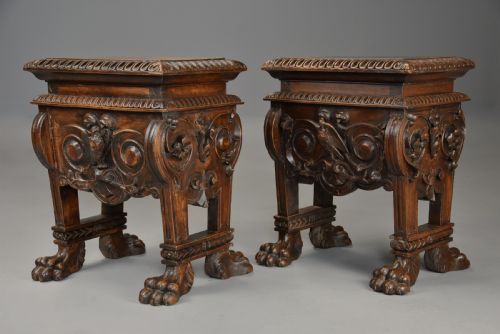
Welsh and English country pieces often utilise solid local oak with simpler linear forms and robust potboard structures. French provincial and Italian examples frequently incorporate carved walnut details and cabriole legs.
Urban workshops in centres like London or Lancaster employed finer veneers, intricate brass hardware, and polished mahogany. These regional variations reflect the materials accessible to local cabinetmakers.