



18th Century Plate
An 18th century plate is a domestic table or display piece shaped by hand centuries ago, offering tangible history and skilled artistry for the modern collector.
18th Century Plate
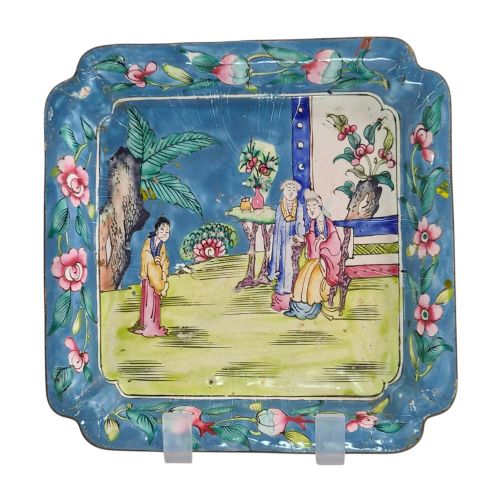
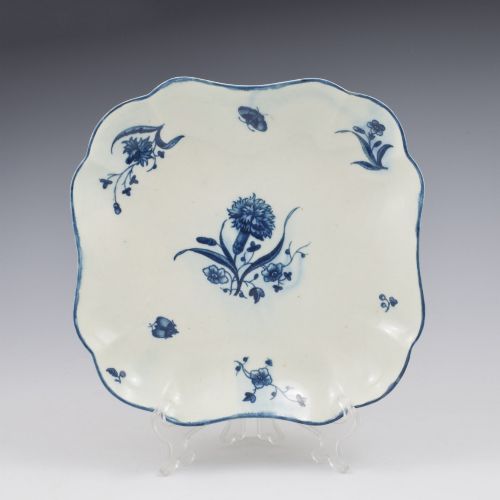
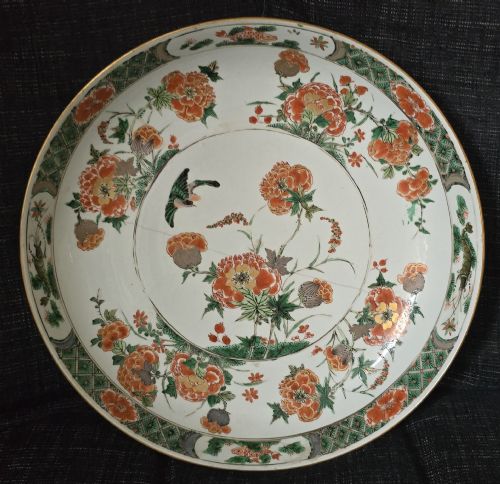
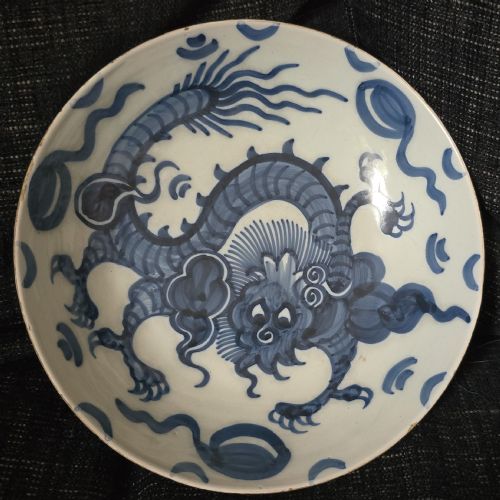
When you search for an 18th century plate, you encounter items shaped from porcelain, soft-paste porcelain, earthenware, and tin-glazed pottery across various global traditions. English factories such as Worcester, Bow, Leeds, and Derby feature prominently, alongside Chinese export wares and Dutch or English delftware chargers.
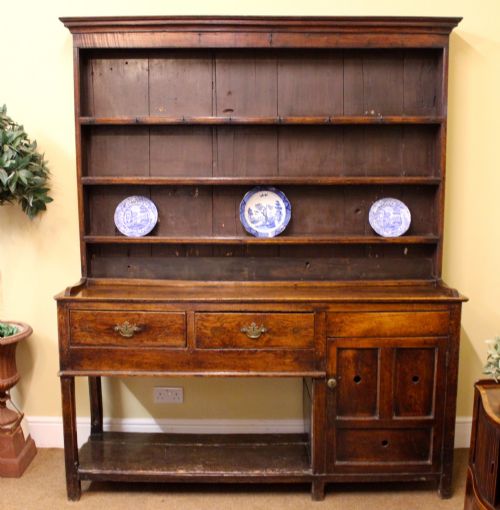
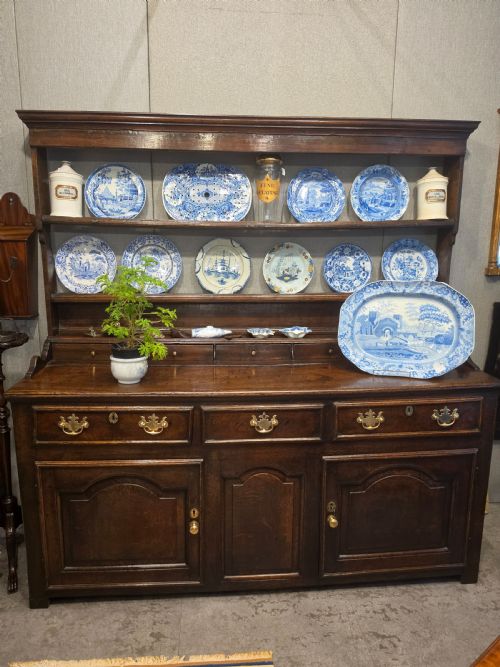
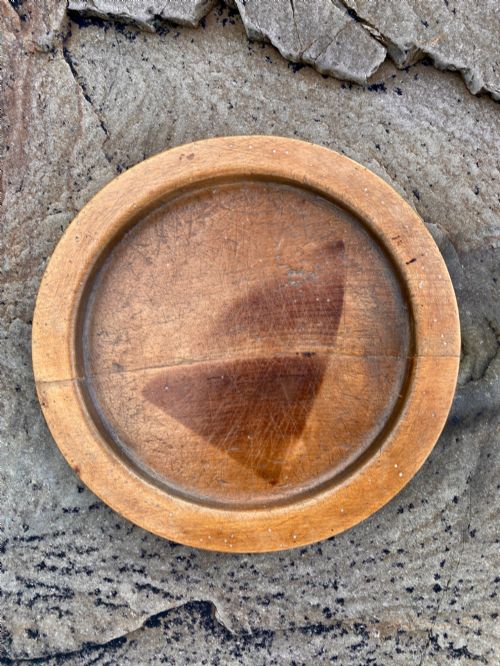
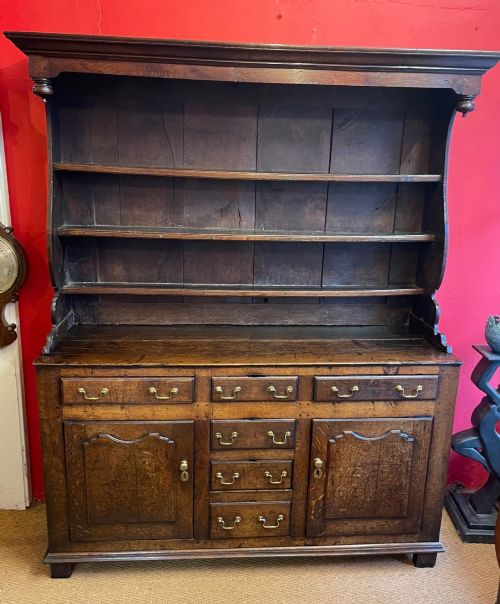
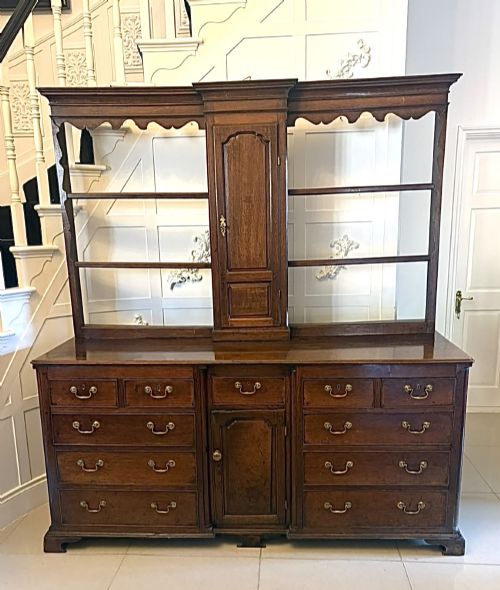
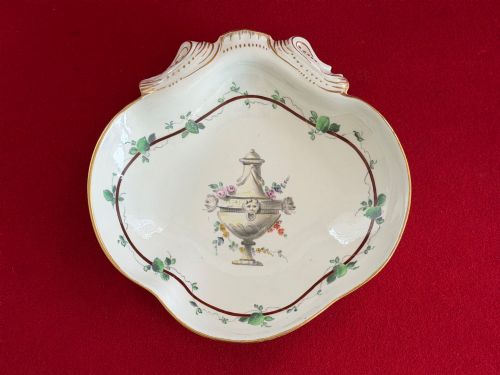
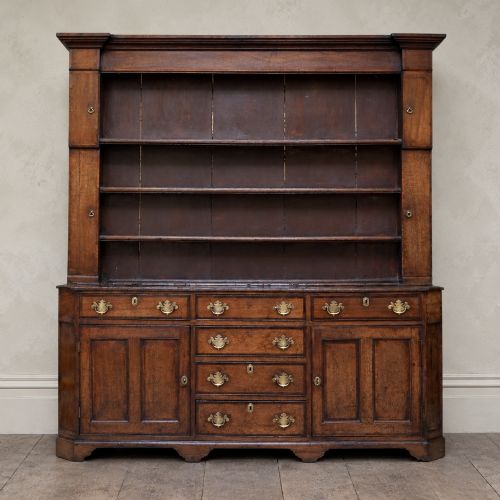
The forms span from standard dining plates and dessert dishes to large chargers and scalloped display pieces designed to hold food or ornament a wall. Dressers and plate racks also appear frequently in this category, reflecting how these ceramics and wooden display fixtures were stored and exhibited in historic homes.
Most examples originate from the Georgian era, spanning George II and George III reigns, with some extending into Dutch Baroque and Qing Dynasty periods. Buyers will find that painted floral motifs, orientalist patterns, and cobalt blue tin-glazes dominate the visual landscape of these domestic objects.
Materials and Craftsmanship
Potters of this era shaped soft-paste porcelain and earthenware by hand or on the wheel, utilising mineral pigments and tin glazes to achieve durable white and cream surfaces. English delftware relied on opaque tin glazes to cover coarser earthen bodies, while factories like Worcester refined delicate soft-paste bodies suited for intricate painted decoration.
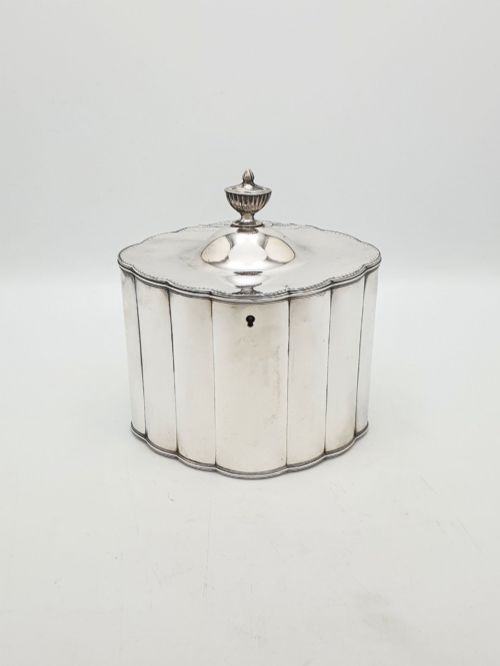
Painters applied polychrome enamels and underglaze blue by hand, often working in specialised studios or established porcelain manufactories. Artisans also utilised copper and brass techniques for related items such as Old Sheffield Plate, fusing thin sheets of silver onto copper bases.
18th Century Plate Retail Price Guide 2026
Typical asking prices for 18th century plate among the pieces listed under this phrase on Sellingantiques today, from the lower quarter to the upper quarter. They describe what is for sale here now, not the wider market.
Form categories include decorative dishes, dressers, wall mirrors, and plate racks alongside standard plates.
Assessing Quality and Execution
Quality rests in the crispness of the hand-painted brushwork and the stability of the glaze during high-temperature firing. Finer porcelain and delft pieces display deliberate, fluent pictorial details without excessive smudging or kiln distortion.
The sophistication of the form and the prestige of the decorating studio separate standard utility wares from exceptional pieces. Items associated with documented periods and established porcelain factories command attention through superior ceramic body formulation and artistic design.
James Giles·Bow Porcelain·Leeds Pottery Liverpool
The 18th Century Plate Glossary
- Delftware
- Tin-glazed earthenware produced in England and the Netherlands, typically featuring a white surface painted with blue designs. This tin-oxide glaze created an opaque background that imitated imported Chinese porcelain.
- Soft-paste porcelain
- An artificial ceramic paste composed of clay, glass, and ground minerals fired at lower temperatures than hard-paste porcelain. English factories utilised this material extensively before discovering native kaolin deposits.
- Old Sheffield Plate
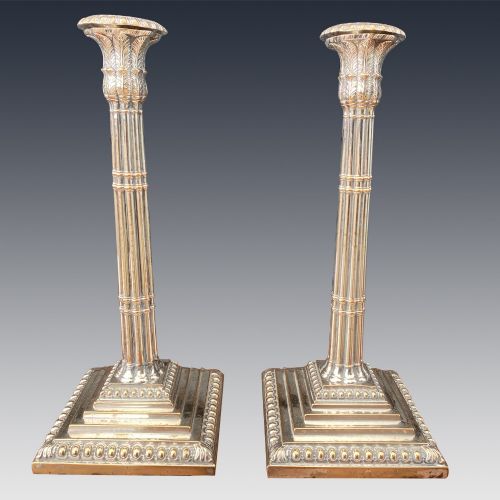
- A composite material formed by fusing a thin layer of silver onto a thicker copper base under heat and pressure. Makers used this technique to produce tableware and candlesticks before modern electroplating.
- Charger
- A large decorative plate or dish intended for display on a sideboard or wall rather than for individual dining. These large earthenware or delft vessels often showcased elaborate painted scenes.
- Crossbanded
- A method of cabinetmaking where veneers are applied across the grain to form a decorative border around furniture panels. This technique appears on oak and mahogany dressers designed to hold tableware.
18th Century Plate: Frequently Asked Questions
What is an 18th century plate made of?
These domestic items are typically formed from soft-paste porcelain, earthenware, or tin-glazed pottery depending on the regional factory of origin. English and continental makers utilised local clays and specialised mineral glazes to achieve durable eating and display surfaces.
Craftsmen also applied hand-painted cobalt blue and polychrome enamels directly onto the raw or fired ceramic bodies. This variety of materials reflects the diverse manufacturing centres active throughout the Georgian period.
How were these plates used historically?
Historic households utilised these ceramics for serving dessert, presenting food at the table, or displaying wealth on dining room walls and dressers. Large chargers and decorated dishes frequently served a decorative function rather than daily dining use.
Plate racks and oak dressers held these items securely while keeping them visible within the domestic interior. Their presence combined practical storage with the display of fashionable ceramic art.
How do I care for an antique plate?
Antique ceramics require gentle hand washing in lukewarm water with mild soap, avoiding modern dishwashers and harsh chemical detergents. Sudden temperature changes should be prevented to protect the fragile historic glazes from thermal shock.
Displaying pieces on secure plate hangers or within stable cabinets protects them from accidental drops. Proper environmental conditions prevent moisture accumulation and preserve the painted enamel surfaces.
How can I tell periods apart?
Distinguishing periods relies on identifying stylistic markers, ceramic body compositions, and characteristic painted motifs associated with specific reigns. Georgian and Qianlong pieces often exhibit distinct floral, landscape, or orientalist decorative schemas.
Backstamps, glaze characteristics, and potting weights provide additional clues to chronological origin. Comparing pieces with documented factory examples helps clarify their historical timeframe.