
18th Century Oak Console
An 18th century oak console delivers sturdy British timber and practical surface space that grounds a hallway or living room with period character.
18th Century Oak Console
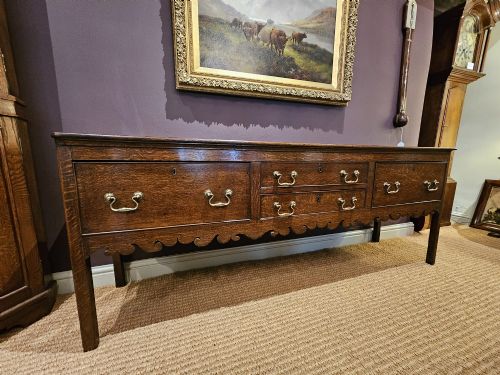
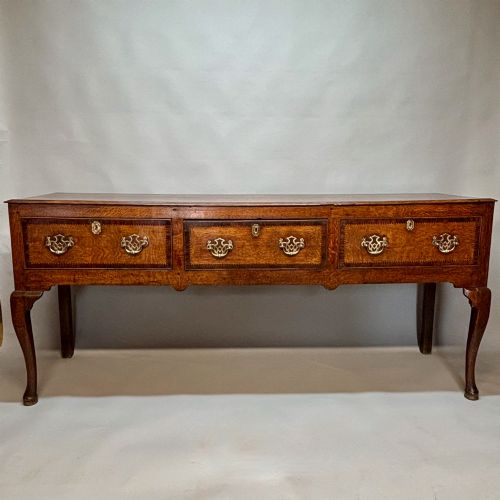
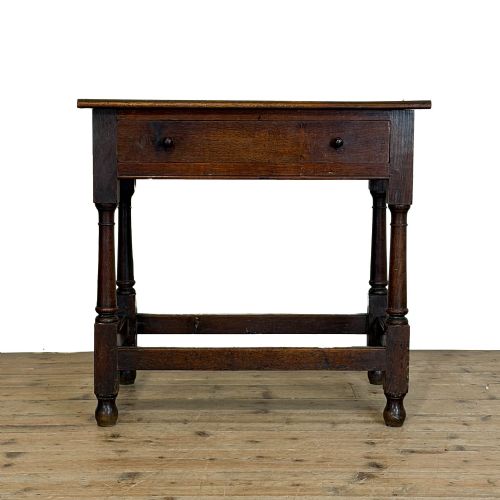
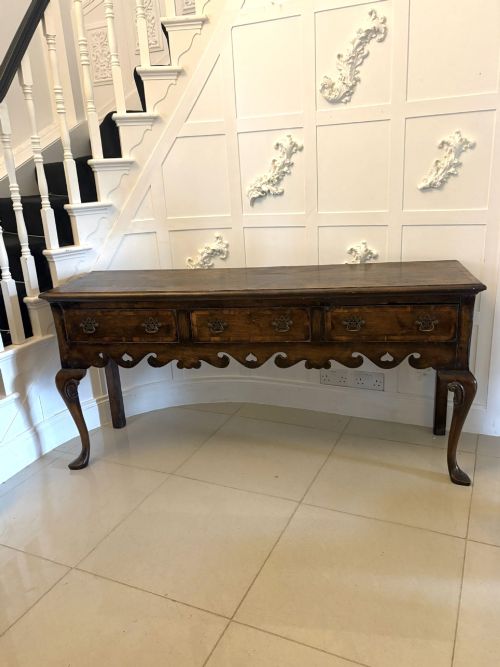
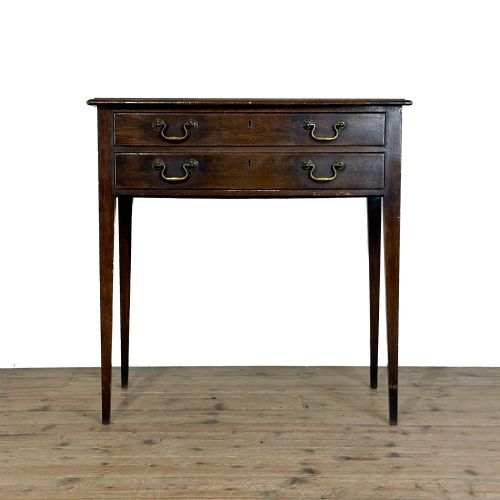
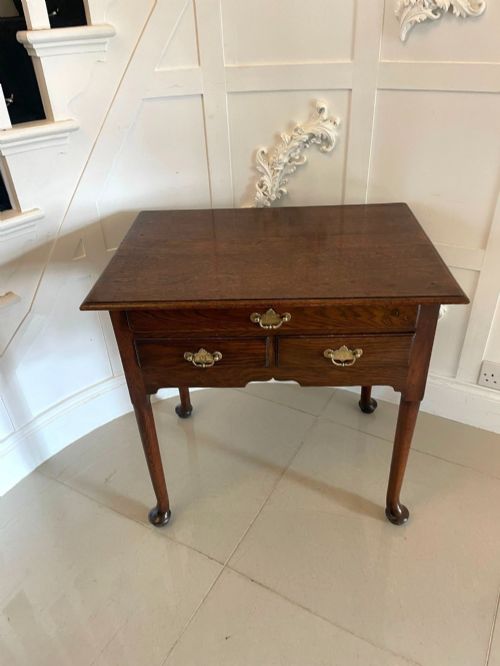
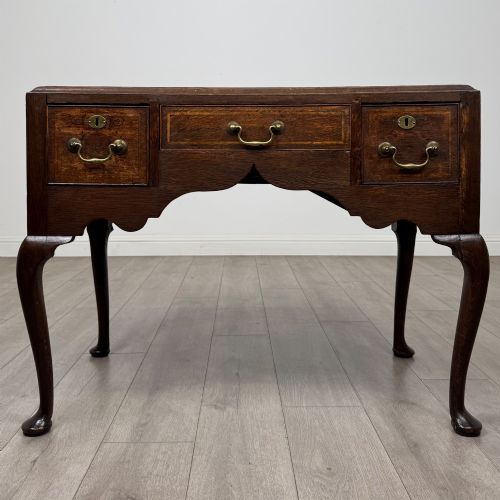
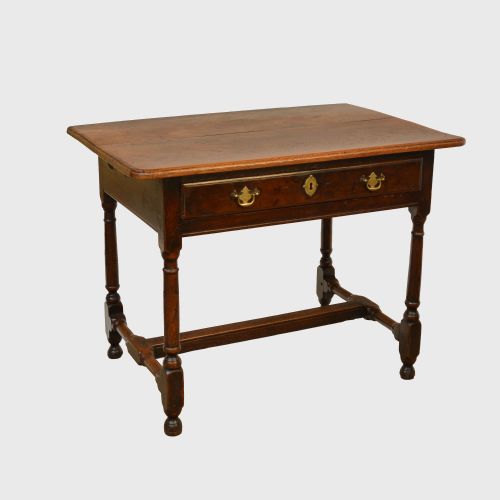
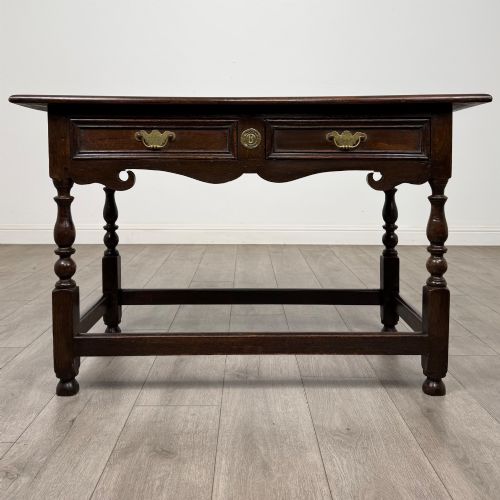
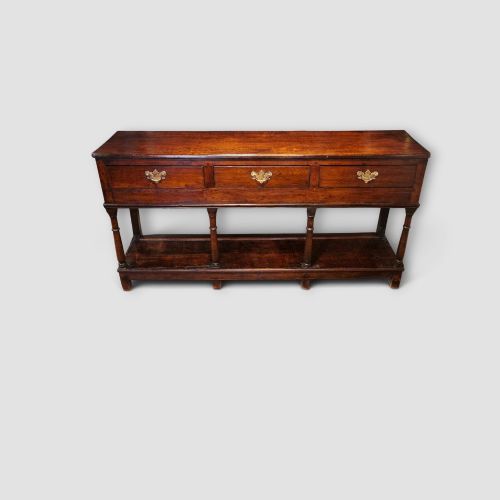
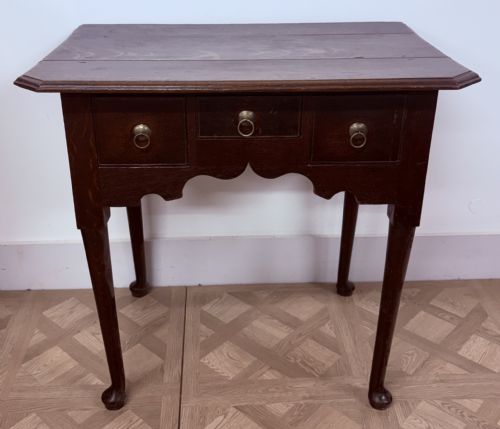
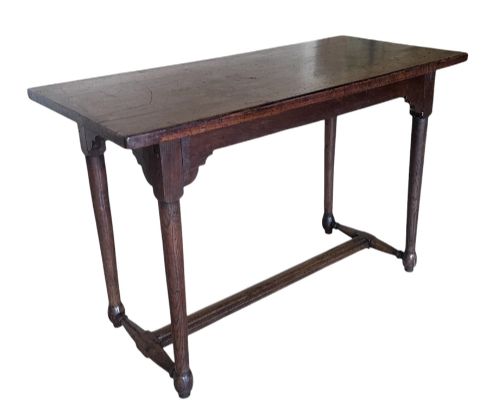
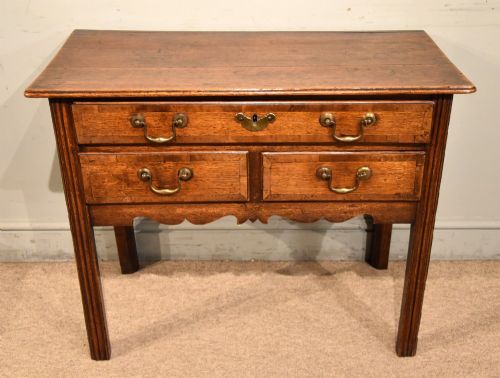
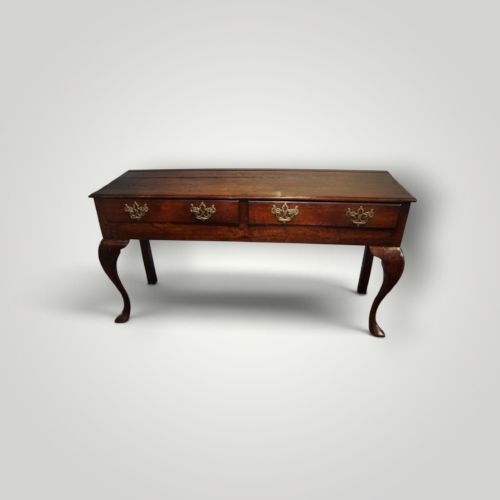
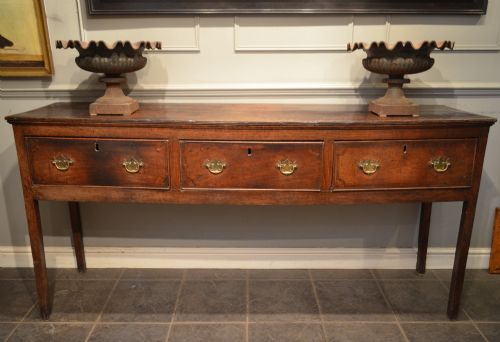
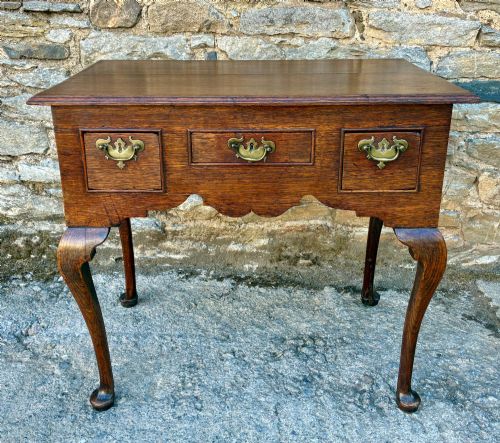
When you search for an 18th century oak console, you encounter a robust variety of side tables, lowboys, and dresser bases utilised for storage and display. The pieces span Georgian, George II, and George III eras, alongside vernacular regional pieces from Wales and Spain.
Side tables and lowboys dominate the selection, often featuring single or multiple drawers set into sturdy timber frames. Dresser bases provide deeper proportions and occasionally include potboards or painted finishes.
English country and provincial workshops produced the majority of these items, prioritising utilitarian strength alongside simple regional decoration.
Materials and construction methods
Makers relied primarily on solid oak, frequently supplemented with secondary timbers such as elm, yew, and occasionally mahogany for specific components. Brass handles, escutcheons, and iron elements appear as functional hardware on drawers and joints.
Joined construction defined the period, using pegged mortise and tenon joints to build rigid frames that withstood daily domestic use. Surfaces were planed and finished by hand, sometimes leaving subtle tool marks that indicate provincial woodworking methods.
Listings feature oak alongside elm, yew, and mahogany, spanning periods from the early 18th century through the Georgian era and into the 20th century.
Distinctions in quality and execution
Superior examples display carefully selected timber grain on the top boards and symmetrical drawer arrangements that reflect deliberate design. The crispness of carved details, where present, separates standard provincial work from finer cabinet-making.
The degree of original surface retention heavily influences the character of a piece, with untouched patination and minimal timber replacement commanding greater appreciation among collectors.
The 18th Century Oak Console Glossary
- Lowboy
- A small table with one or more drawers, typically supported on four long legs and used originally as a dressing or side table.
- Dresser base
- A heavy rectangular table base featuring drawers and occasionally a lower shelf known as a potboard, built for domestic storage.
- Potboard
- An open lower shelf fitted between the legs of a dresser base, traditionally used for storing pots and kitchen utensils.
- Joined construction
- A method of framing furniture using rigid mortise and tenon joints secured with wooden pegs rather than metal nails.
- Patina
- The surface sheen and colour developed over decades through handling, waxing, and ageing of the timber.
18th Century Oak Console: Frequently Asked Questions
How were these tables used originally?
Original domestic use varied by form, with lowboys functioning as dressing or writing tables and dresser bases serving as kitchen or dining room servers. Their surface space accommodated lamps, food preparation, or serving dishes.
Drawers provided secure storage for household linens, documents, or small utensils in rooms throughout the home.
How do I live with an oak console?
Living with these pieces involves placing them in hallways, living rooms, or dining spaces where their durable timber withstands everyday use. Maintain the wood by applying suitable beeswax periodically to preserve the surface.
Avoid positioning the timber near direct heat sources or extreme humidity fluctuations to prevent splitting.
How can I tell the period apart?
Dating relies on observing construction methods, timber choices, and stylistic details such as cabriole legs or straight George III supports. Earlier 18th-century examples often display simpler joined frames, while mid to late-century pieces incorporate refined Georgian proportions.
Hardware styles, drawer linings, and regional variations further help establish the approximate decade of manufacture.