
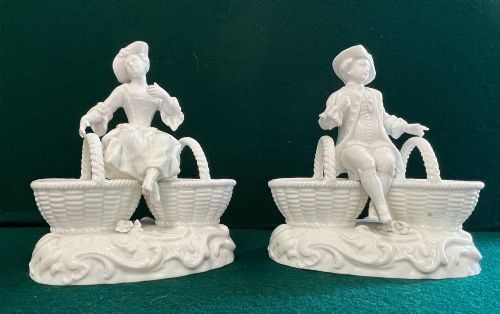

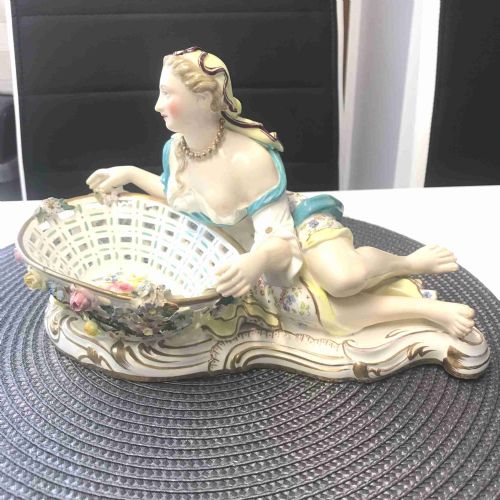


18th Century Meissen Figurine
These porcelain figures capture the grace of the 18th century meissen figurine, offering collectors historic porcelain art with detailed enamel painting.
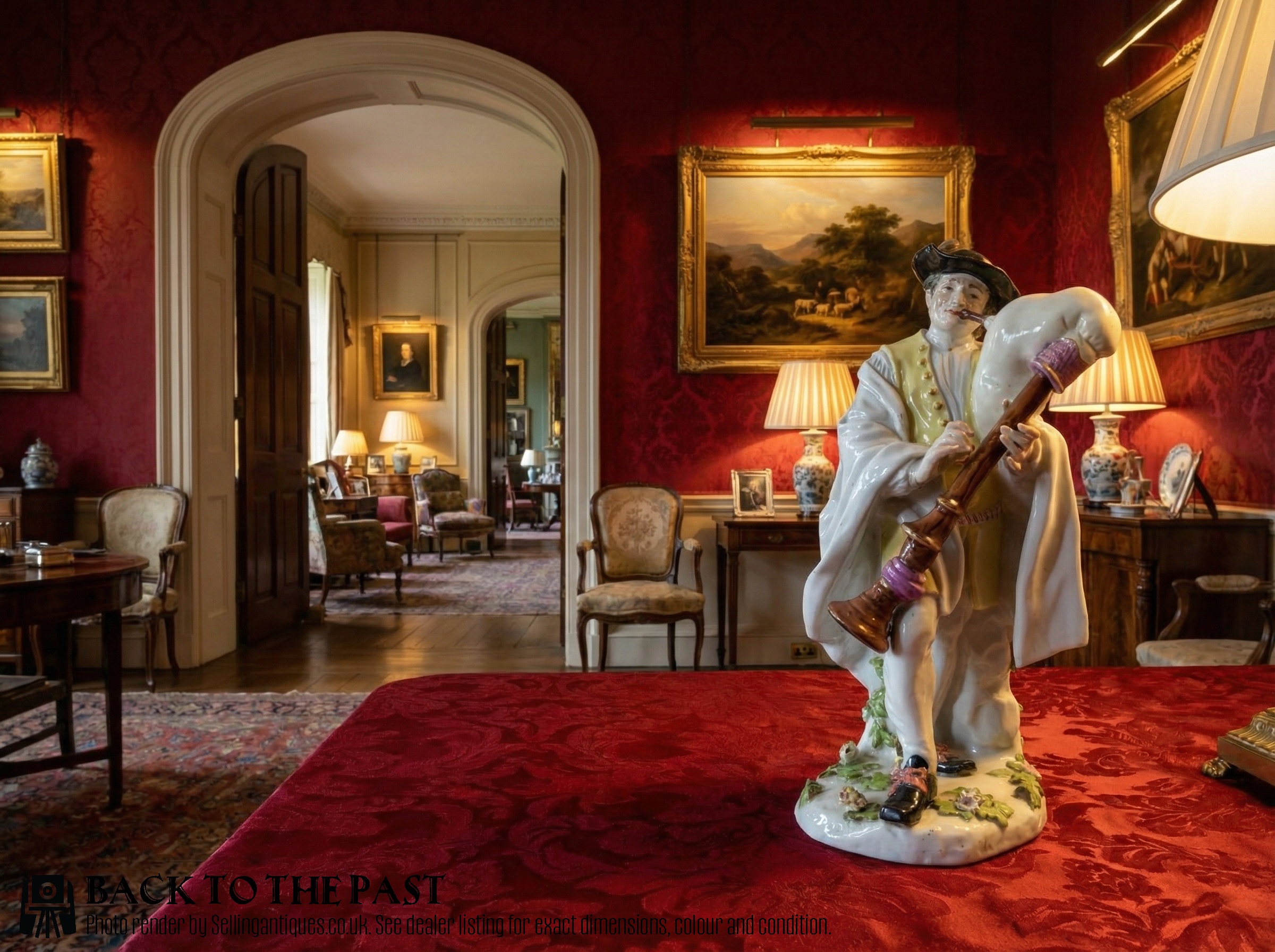
18th Century Meissen Figurine
An 18th century meissen figurine represents European ceramic artistry at its height, depicting figures from mythology, pastoral life, and the natural world. These sculptures range from single figures of street traders and gardeners to complex sculptural groups involving multiple characters.
The pieces appearing on this page span the 18th century, alongside later revival periods such as the Edwardian era, 1880, 1890, and 1920. Buyers frequently encounter representations of angels, musicians, grape harvesters, and animals modelled in hard-paste porcelain.
Many objects show influences from the Rococo and Neoclassical styles, reflecting the aesthetic shifts of European courts. Functional forms also appear, including sweetmeat dishes and bouquetiere figures that combine sculptural modelling with utility.
Assessing Quality
Quality rests upon the crispness of the modelling and the precision of the hand-painted enamels. Superior examples retain fine facial expressions, delicate hand gestures, and sharp relief in garments and naturalistic bases.
The sophistication of the composition also dictates distinction, separating standard decorative output from works associated with master modellers. The integration of gilding and the preservation of the original glazed surface contribute further to the standing of a piece.
Materials represented across the inventory include hard-paste porcelain, enamel, gold leaf, and ormolu.
Johann Joachim Kandler
The 18th Century Meissen Figurine Glossary
- Hard-paste porcelain
- A vitrified ceramic composed of kaolin and petuntse, fired at high temperatures to create a dense, white body. This material forms the durable base for Meissen sculpture.
- Bouquetiere
- A decorative vessel or figure base designed to hold small floral arrangements. These objects combine sculptural charm with functional utility.
- Gilt
- A thin layer of gold applied to surface details such as garment trims or base borders. This finish adds reflective contrast to the glazed porcelain.
18th Century Meissen Figurine: Frequently Asked Questions
What subjects do these figures depict?
The subjects range from allegorical figures and putti to everyday characters like street traders, grape harvesters, and musicians. Animals and complex mythological groups also feature prominently in the historic repertoire.
Collectors will find that many pieces tell pastoral or theatrical stories, reflecting the tastes of European courts during the period.
How do I identify the period?
Dating relies upon examining the style of modelling, the palette of the enamel colours, and the nature of the porcelain body. Rococo pieces often display asymmetrical scrollwork bases, whereas later revival items from the nineteenth century adopt different manufacturing signatures.
Consulting model numbers and factory marks helps establish the chronological context of individual sculptures.
How were they used historically?
These figures served primarily as table decorations and mantelpiece ornaments for wealthy households. Some examples incorporated practical elements, functioning as sweetmeat dishes or candle holders.
They demonstrated the owner's sophistication and taste for fine European porcelain during formal gatherings.
How should I display them?
Display these delicate porcelain sculptures in enclosed cabinets away from direct sunlight to protect the enamel colours and gold leaf. Stable placement ensures that fragile appendages like fingers and floral details remain secure.
Proper lighting helps highlight the intricate modelling and the glossy finish of the glaze.