


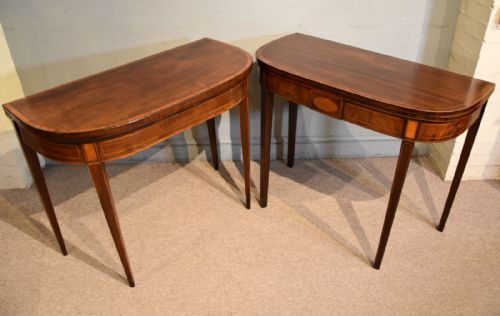
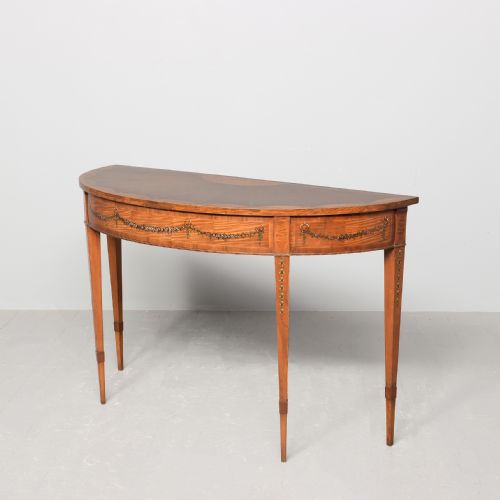
18th Century Marquetry Table
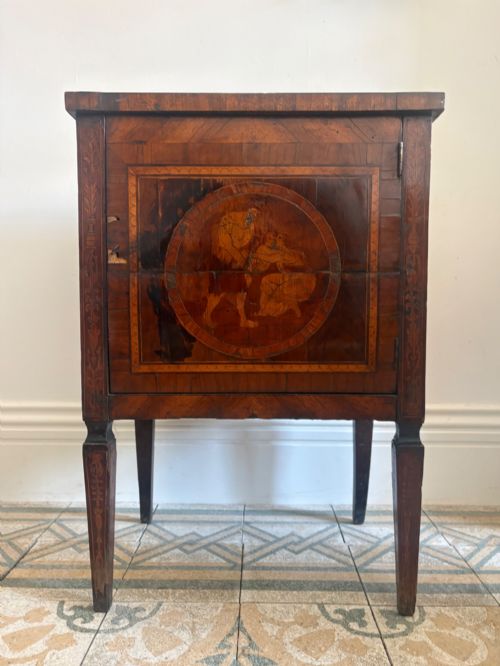
An 18th century marquetry table brings pictorial wooden inlay into domestic spaces through card tables, Pembroke tables, and side tables.
18th Century Marquetry Table
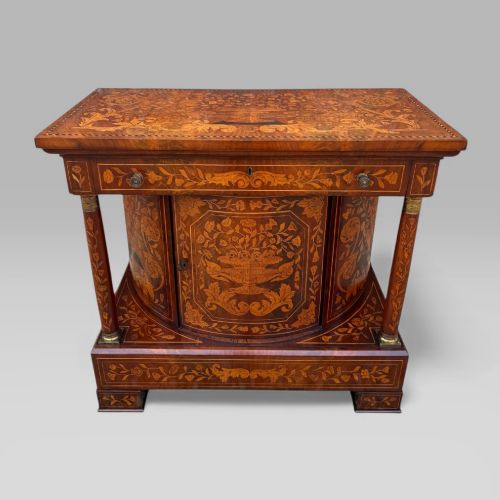
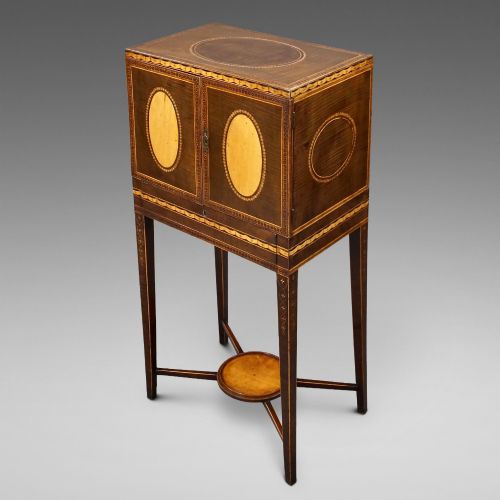
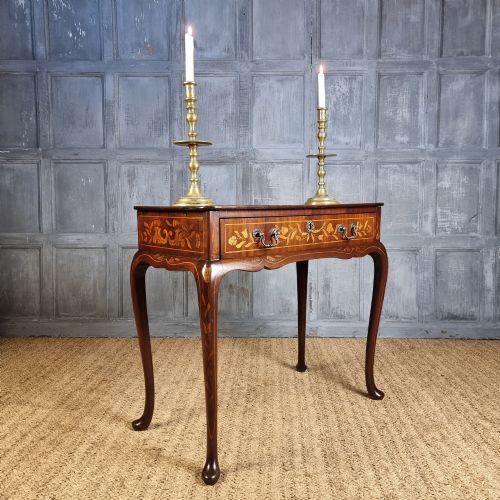
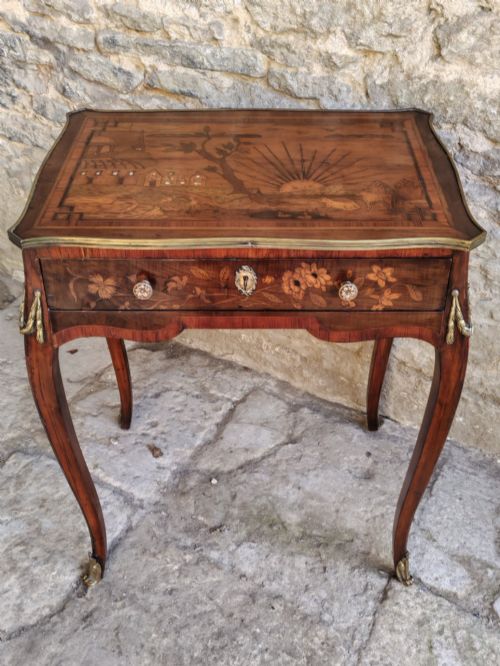
An 18th century marquetry table is a domestic surface decorated with fitted wood veneers that form floral, architectural, or pictorial designs. Buyers encounter console tables, card tables, Pembroke tables, and centre tables originating from British, Dutch, and continental workshops.
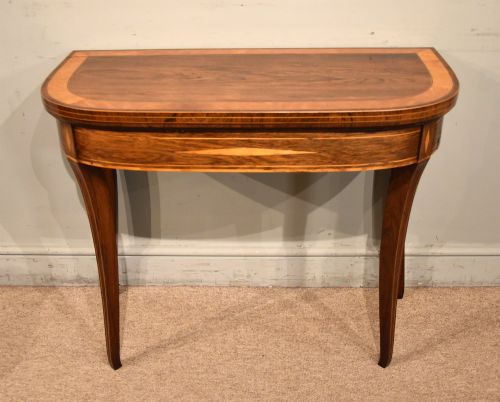
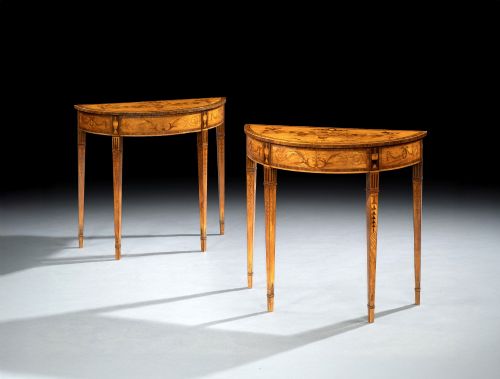
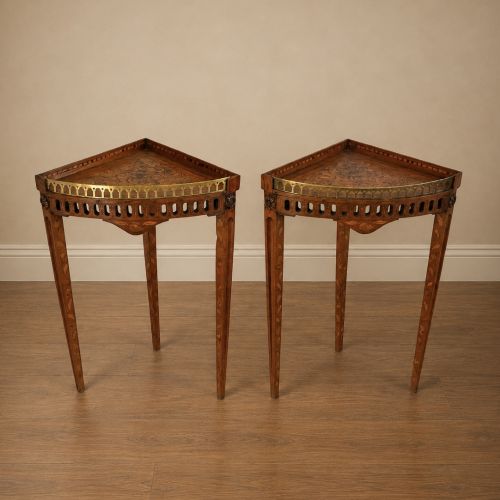
The surviving pieces include demi-lune side tables, games tables, and tea tables spanning George III, Sheraton, and Dutch Baroque styles. Walnut, mahogany, and satinwood provide the structural timber and contrasting veneer grounds for these intricate table surfaces.
How they were made
Cabinetmakers constructed the carcase using solid timbers such as mahogany, oak, or walnut, applying fine veneers to the top and sides. Woods like satinwood, fruitwood, rosewood, and boxwood were cut into thin sheets and shaped into pictorial motifs.
The cut veneers fit together like a puzzle and glue down onto a paper backing before pressing onto the table top. Engraved lines and scorching with hot sand add shadow and depth to floral petals and architectural details.
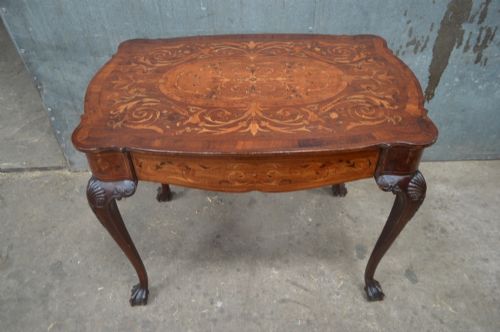
Birds and blooming flowers in Dutch marquetry tables often outlive the forests that supplied their timber.
What varies in quality
Quality rests in the precision of the veneer cutting and the natural contrast between the contrasting timbers. Tightly fitted joints without excessive filler show the skill of the original workshop.
The complexity of the pictorial design separates standard production from exceptional pieces. Natural ageing of fruitwoods and walnut creates depth that heavy restoration or modern veneer replacements obscure.
Donald Ross
The 18th Century Marquetry Table Glossary
- Marquetry
- The art of applying fitted pieces of wood veneer to a structural carcase to create pictorial or geometric designs. This technique covers table tops with flowers, birds, and architectural scenes utilising contrasting timbers.
- Veneer
- Thin slices of fine wood glued onto a secondary timber foundation. Cabinetmakers utilise these thin sheets to display decorative grain patterns and multicoloured inlays.
- Demi-lune
- Half-moon shape characteristic of side and card tables designed to stand flat against a wall. These tables often feature elaborate satinwood and marquetry borders.
- Pembroke table
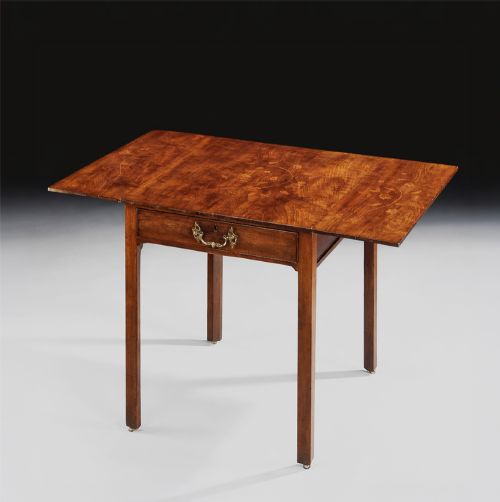
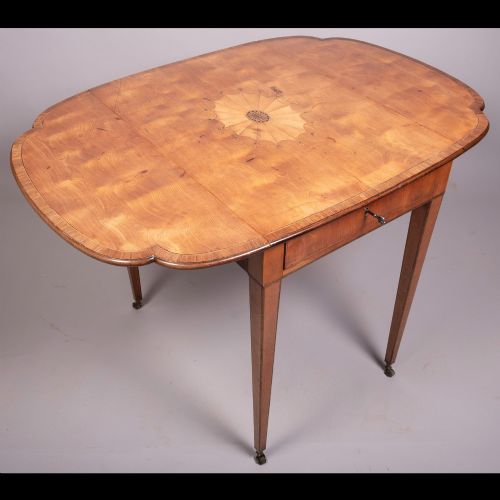
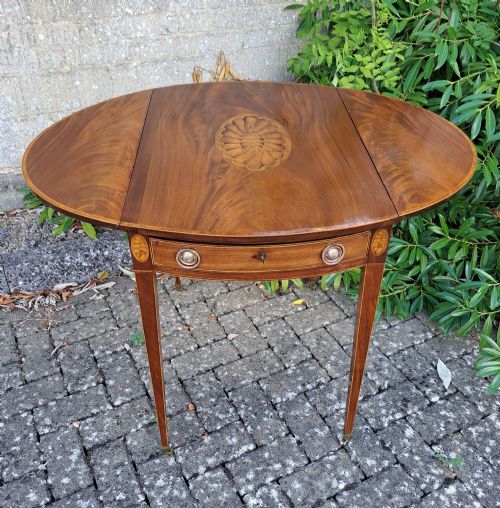
- A small rectangular table with two hinged drop leaves supported by folding brackets. They frequently incorporate inlaid drawers and slender tapering legs.
- Satinwood
- A durable tropical timber with a lustrous yellowish golden sheen. English makers favoured this wood during the late eighteenth century as a bright contrasting ground for marquetry.
18th Century Marquetry Table: Frequently Asked Questions
How do I identify Dutch marquetry?
Dutch pieces typically display dense floral and bird motifs executed in walnut or floral marquetry across side and games tables.
The carcase timber often differs from English furniture, showing heavier proportions and distinct rococo influences.
What rooms suit a card table?
Card tables fit well in living rooms or studies, functioning as console tables against a wall when folded shut.
Opening the fold-over top reveals a baize-lined surface originally intended for evening gaming.
How should I clean the wood surface?
Dust the table regularly with a soft, dry cloth to prevent dirt accumulation in the veneer crevices.
Avoid liquid cleaners and wax buildup, consulting a conservator for periodic maintenance of antique finishes.
Are Pembroke tables stable for daily use?
Pembroke tables provide sturdy surfaces for light writing or display when placed on level flooring.
The drop leaves operate on hinged wooden brackets that require gentle handling to preserve the pivot joints.