

18th Century Mahogany Commode
An 18th century mahogany commode offers deep timber tones and refined storage, drawing collectors who value period proportion.
Defining the 18th century mahogany commode
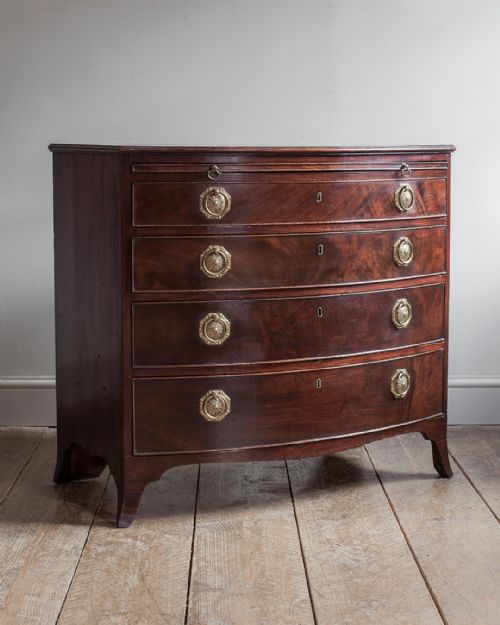
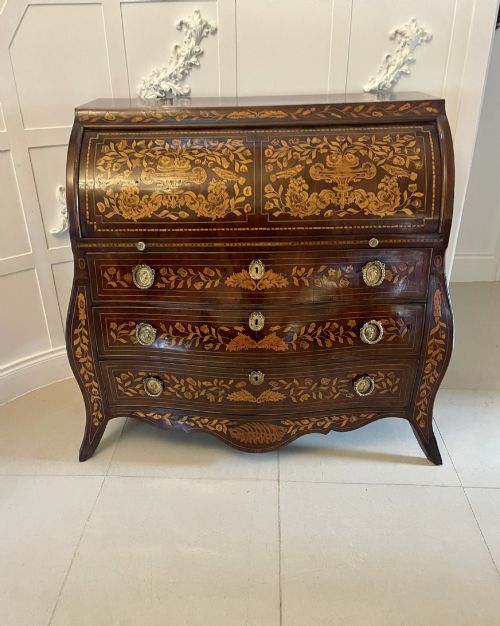
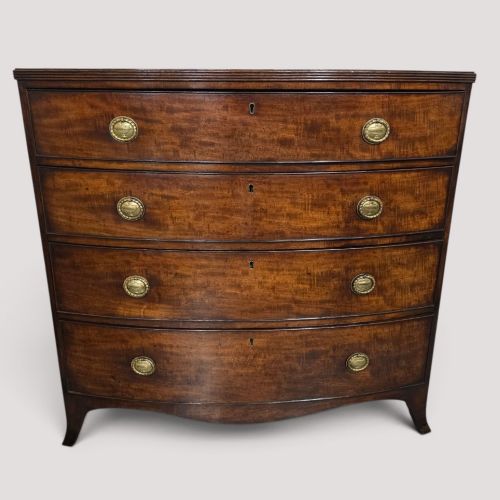
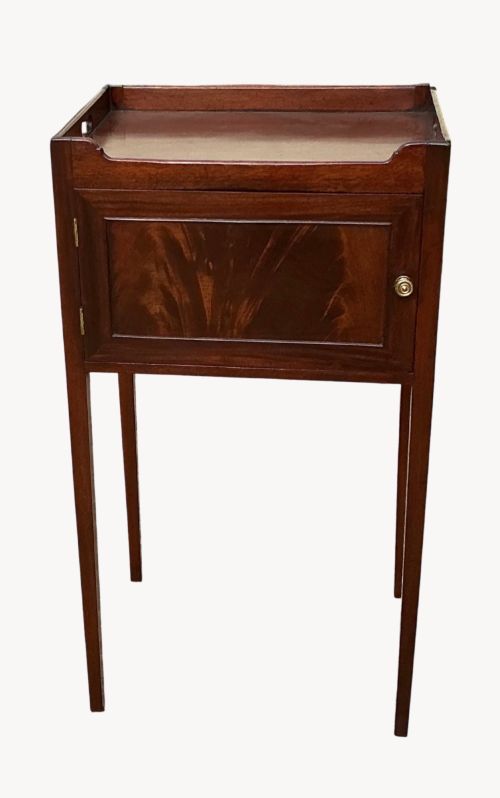
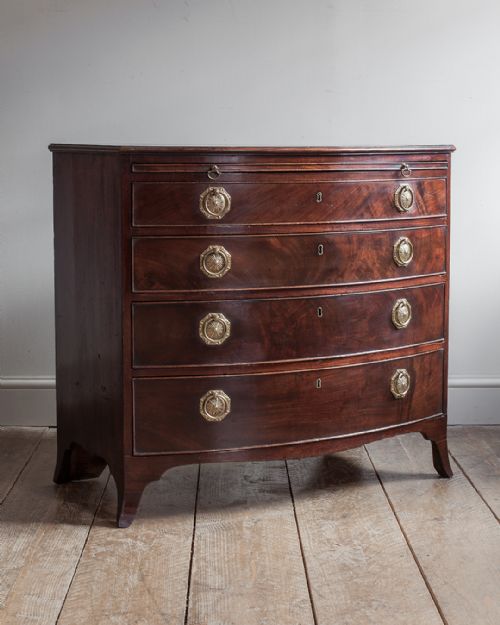
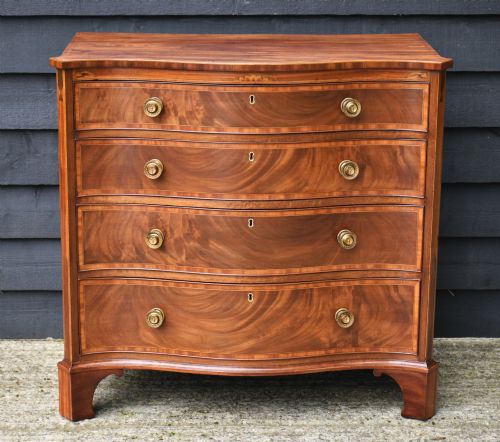
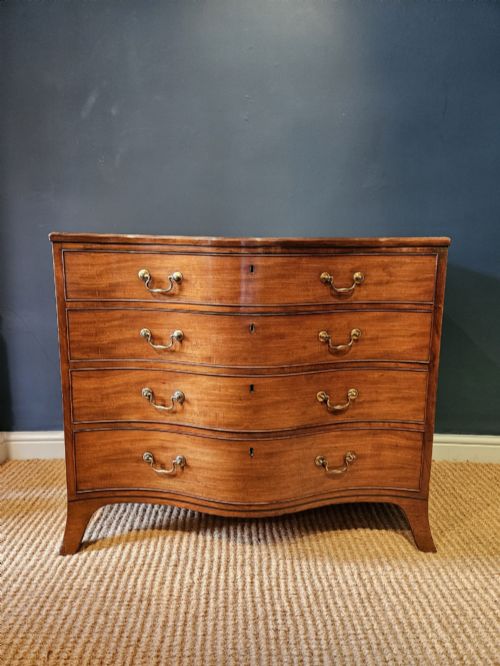
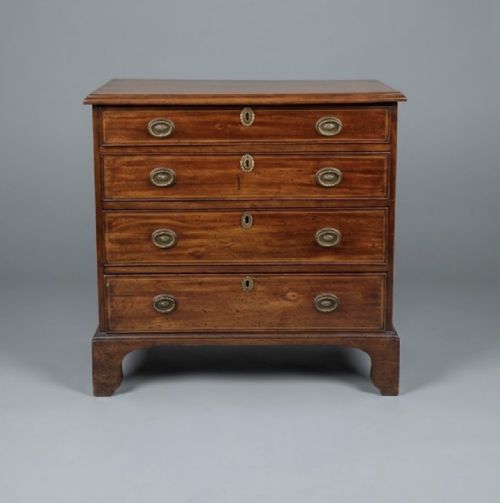
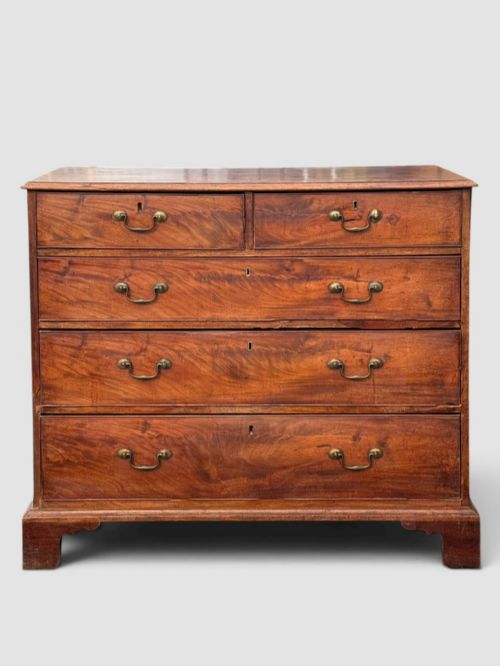
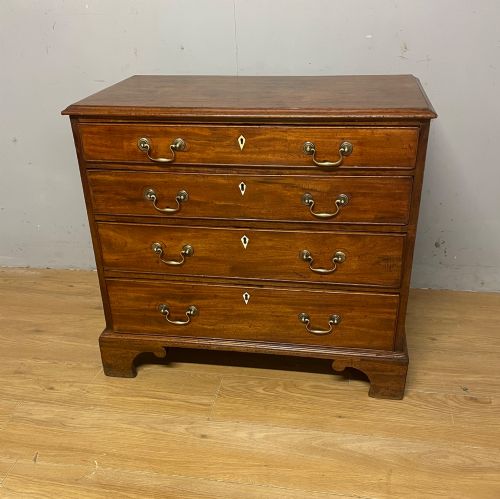
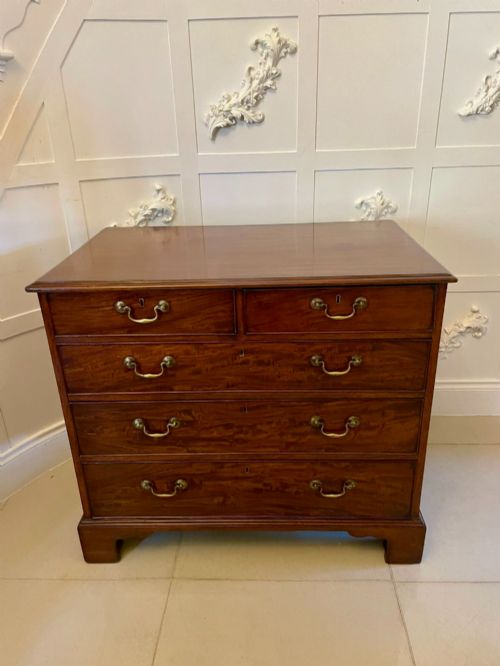
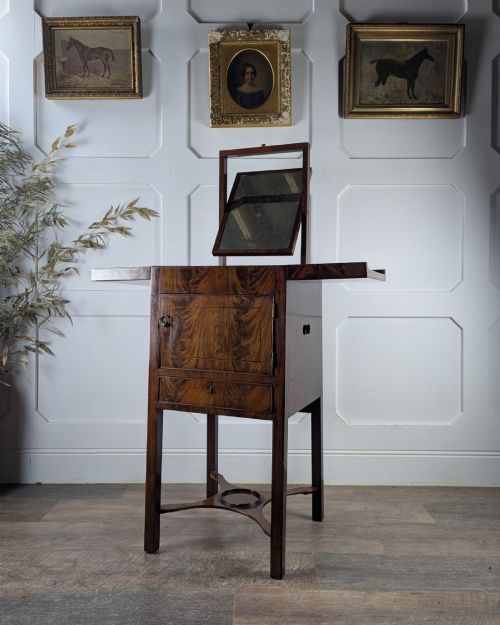
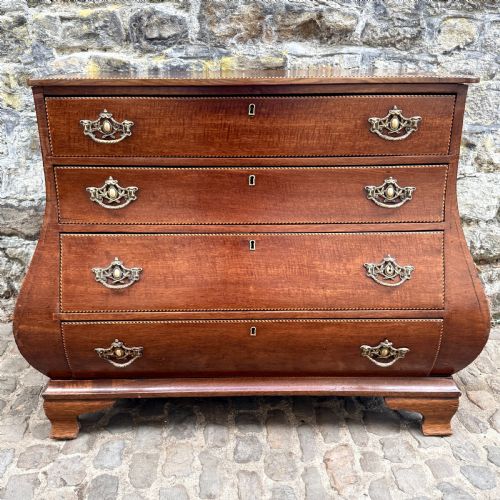
An 18th century mahogany commode spans several distinct forms, crossing between larger drawer chests and smaller bedside or specialised washstand pieces. The pieces appearing here bridge the Georgian eras and continental French workshops, uniting functional storage with decorative presence.
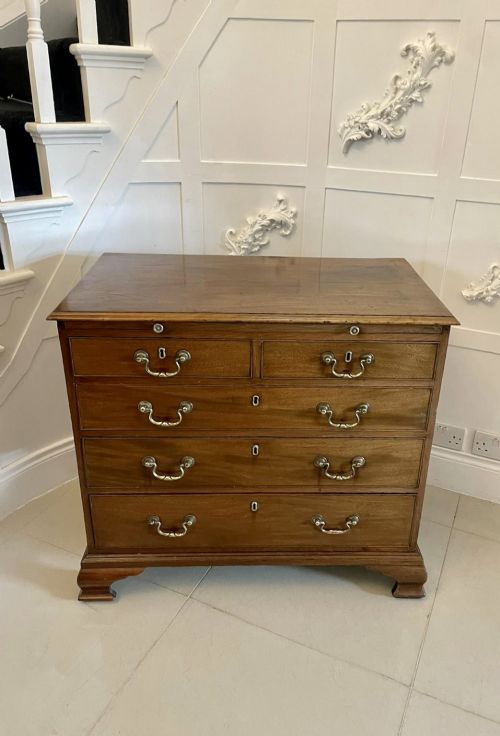
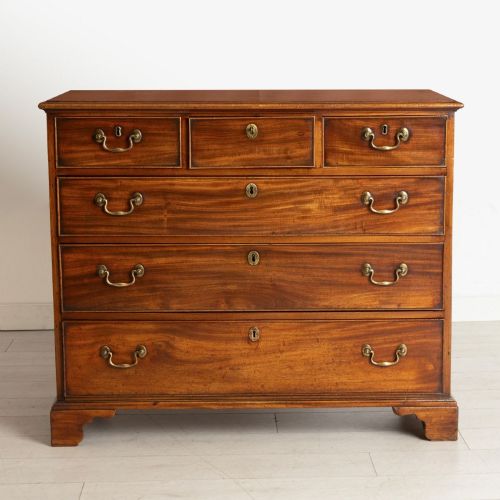
British examples often manifest as chests of drawers fitted with brushing slides or ogee feet, while French variations frequently feature marble tops, brass mounts, or tray tops. Both regional streams utilise the rich grain of mahogany to create striking domestic furniture.
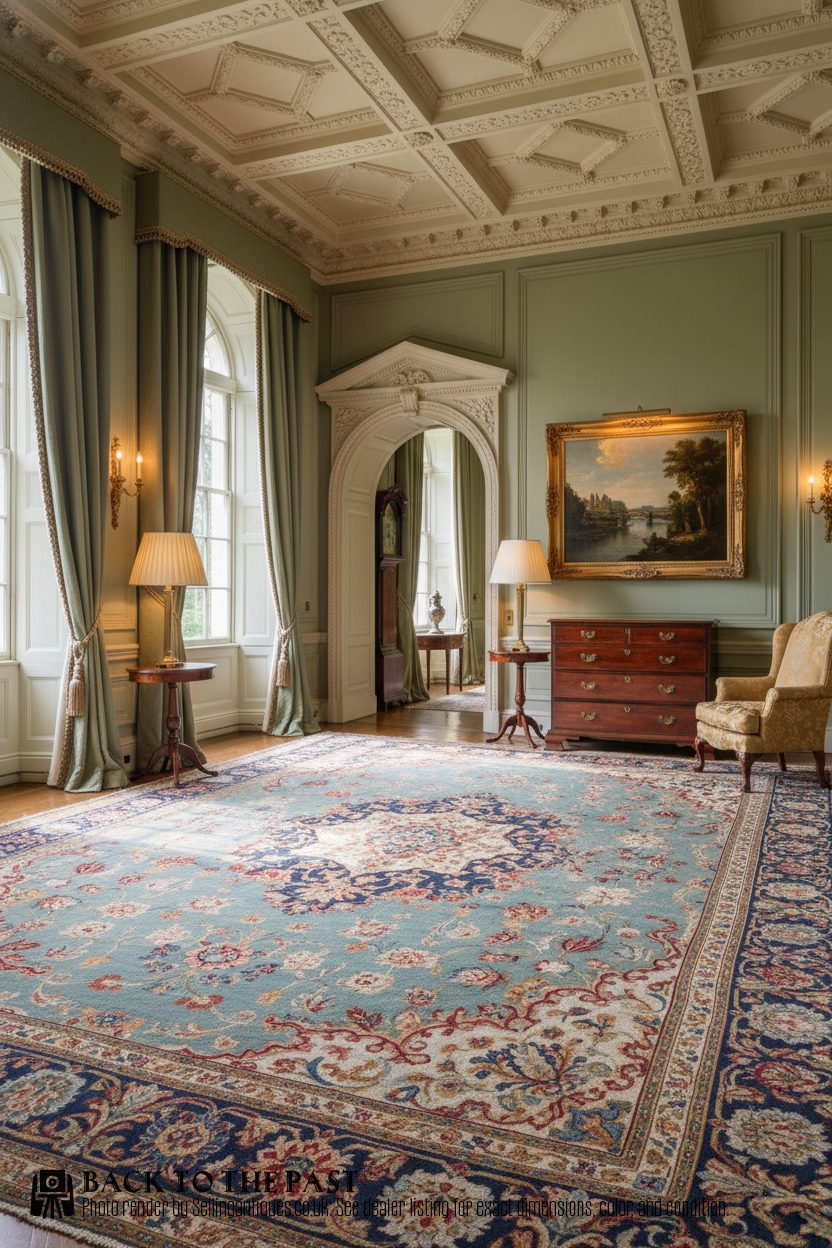
Materials and construction
Cabinetmakers built these pieces primarily from solid mahogany and figured veneers, frequently incorporating boxwood and ebony for fine linear stringing or inlay. Structural integrity relied on traditional joinery within the carcase and drawer framing, supporting heavy timber tops and brass hardware.
Surface finishing emphasised the natural warmth and figuring of the wood, from standard flame mahogany to rich plum pudding variations. Specialised examples integrated fitted elements such as folding tops, mirrors, tambour cabinets, and marble slabs.
Retail Price Guide 2026
Typical UK retail prices for 18th century mahogany commode, calculated from the Sellingantiques database of over a million retail prices indexed since 2003. This retail price guide relies exclusively on Sellingantiques data; no external sources or auction records are used, so the figures do not describe the wider market.
A child-sized commode chair from the early 18th century proves that miniature domestic architecture commanded the same fine mahogany joinery as full-scale furniture.
Judging quality and character
The distinction between tiers of work rests on the choice of timber figuring, the crispness of wood inlay, and the retention of original components such as ogee feet and brass handles. Pieces featuring complex serpentine fronts or integrated marble tops demonstrate higher ambition from the maker.
Proportion and the handling of secondary timbers dictate the overall success of the piece. A balanced silhouette and uncompromised structural unity separate standard utilitarian storage from exceptional cabinet work.
The 18th Century Mahogany Commode Glossary
- Commode
- A low cabinet or chest of drawers designed for domestic use. The term covers both English drawer chests and continental bedside or marble-topped cabinets.
- Brushing slide
- A pull-out shelf integrated above the top drawer of a chest. It provided a clean surface for folding clothes or grooming.
- Ogee feet
- An S-shaped bracket foot that curves outward at the top and inward at the base. It lifts the carcase of early chests with considerable architectural grace.
- Tambour cabinet
- A small enclosed compartment fronted by narrow vertical slats of wood glued to a canvas backing. This allows the door to slide smoothly around a curved track.
Frequently Asked Questions
What is a brushing slide used for?
A brushing slide provided a convenient pull-out shelf for folding garments or grooming without opening the main drawers.
Cabinetmakers integrated these sliding boards just beneath the top surface of Georgian chests and commodes.
How do English and French commodes differ?
English examples typically present as robust chests of drawers or gentleman's washstands in solid mahogany.
French pieces frequently incorporate marble tops, brass inlays, or bedside cupboard formats reflecting Louis XVI and Directoire aesthetics.
What wood figure is plum pudding mahogany?
Plum pudding mahogany refers to a dense, speckled grain pattern resembling the texture of traditional festive puddings.
This highly figured timber resulted from natural variations in tree growth and was selected for high-status commodes.
How do I care for an antique mahogany commode?
Keep the wood away from direct heat sources and strong sunlight to prevent the timber from drying or fading.
Apply traditional wax sparingly and polish gently with a soft cloth to maintain the natural sheen of the finish.