
18th Century Mahogany Box
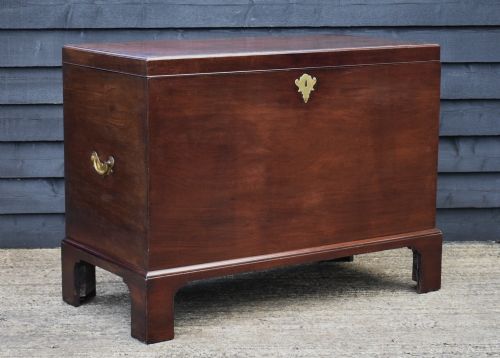
An 18th century mahogany box brings dense timber and straightforward utility into a room, serving as a sturdy container for tea, documents, or personal items.
18th Century Mahogany Box
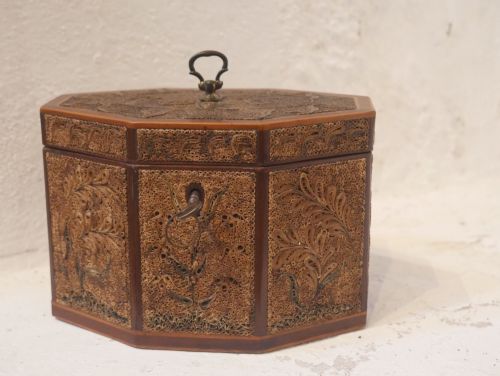
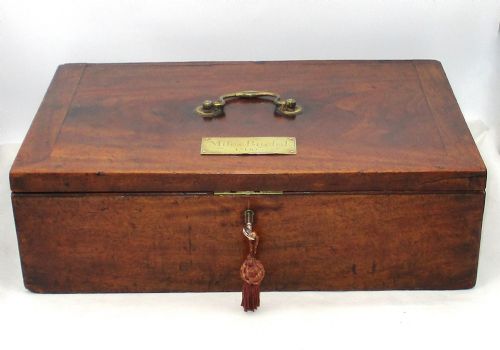
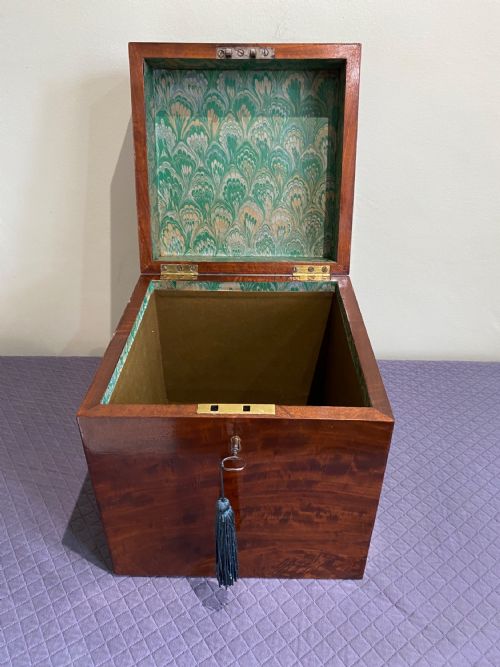
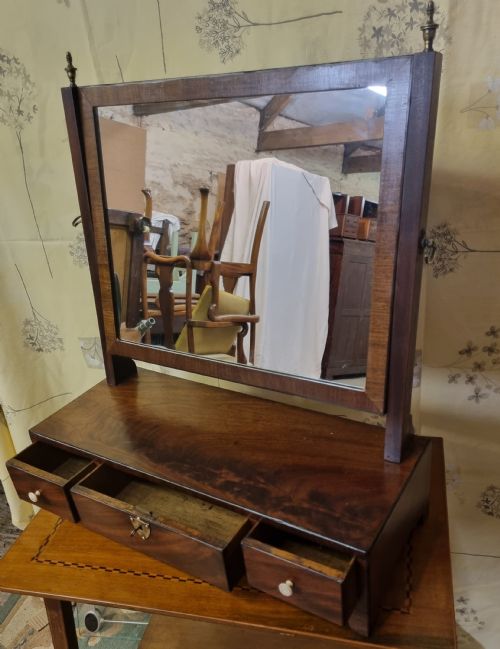
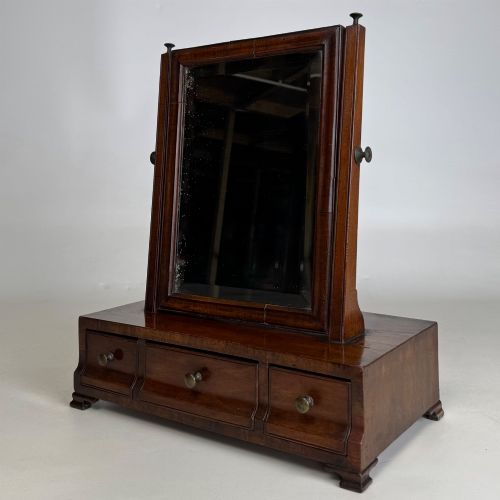
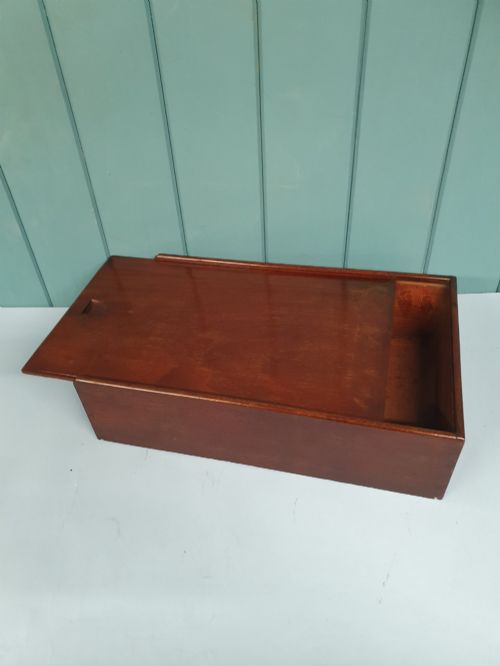
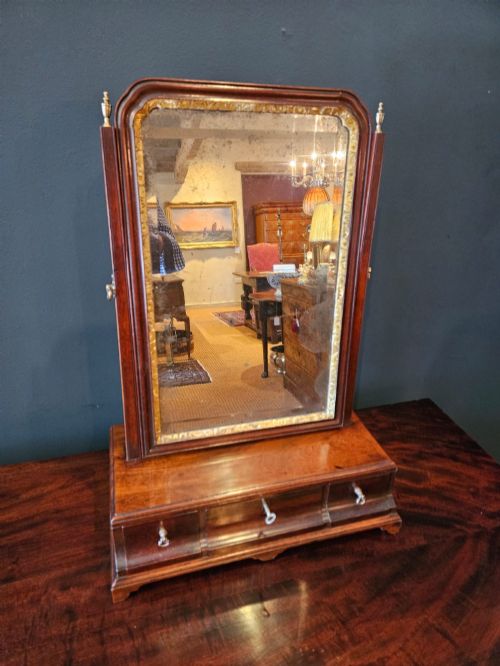
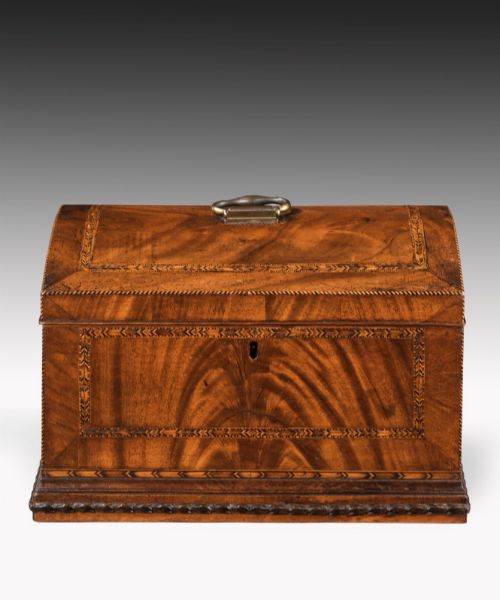
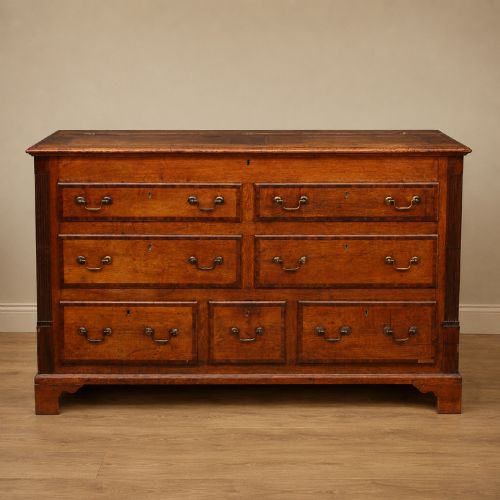
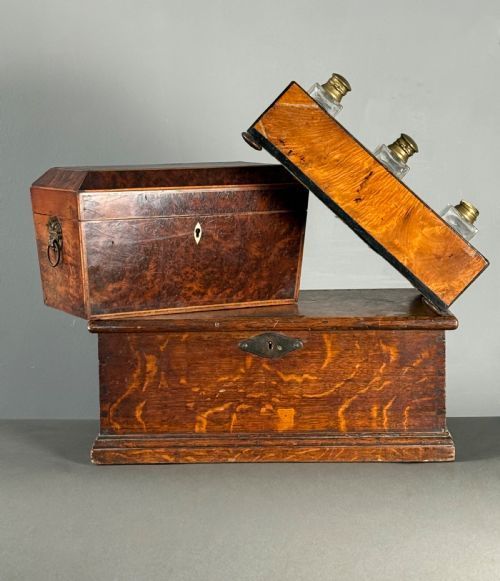
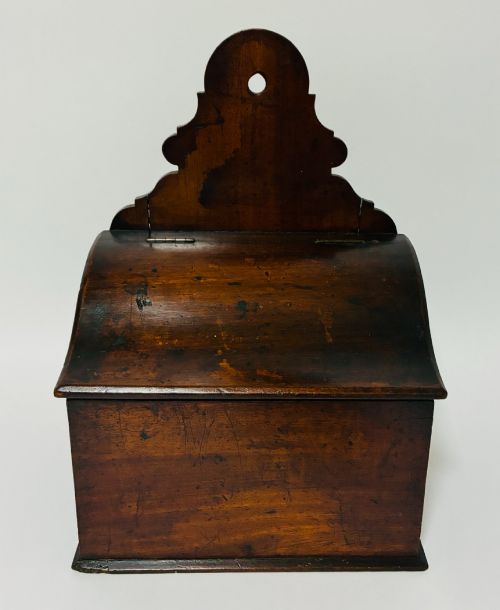
The version most commonly met on this page is the tea caddy or the dressing table mirror, alongside utility containers such as knife boxes and document storage. These pieces reflect the domestic habits of the eighteenth century, when small wooden containers protected precious household goods from moisture and prying eyes.
Origins span standard Georgian workshops in England as well as Anglo-Indian colonial productions utilising padouk alongside traditional timber. The structural vocabulary remains tied to George II and George III stylistic developments, shifting from heavy proportions to refined neoclassical lines.
How they were made
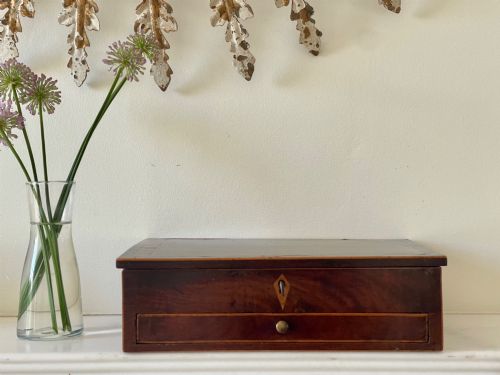
Construction relies heavily on dense mahogany boards, frequently enhanced with boxwood and ebony stringing or shell inlay. Craftsmen utilised tight dovetail joints at the corners to ensure stability across lids and sides subject to daily handling.
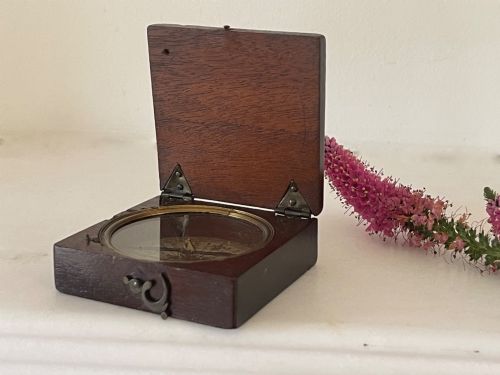
Internal partitions and fittings often incorporate secondary timbers such as oak, alongside applied brass hinges, locks, and carrying handles. Surfaces received hand-rubbed finishes that brought out the natural grain patterns of flame and fiddleback mahogany without heavy modern varnishes.
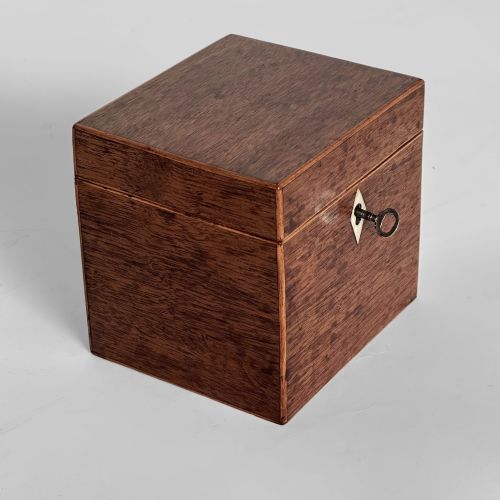
Several boxes arrive with their tiny original keys still turning smoothly in brass locks after more than two centuries.
What varies in quality
Quality rests upon the selection of the timber grain, such as figured flame mahogany or fiddleback patterns, paired with the precision of the boxwood inlay. Superior examples display seamless mitres, intact original brass hardware, and well-fitted internal compartments rather than mismatched replacement parts.
The sophistication of the joinery and the presence of original locks and keys distinguish standard utility containers from finer cabinetwork. Construction details, such as solid secondary woods in internal dividers, separate standard production items from master-carpenter pieces.
George Blackman·Gillows
The 18th Century Mahogany Box Glossary
- Tea Caddy
- A lidded box designed to store loose tea leaves, often featuring internal compartments or mixing bowls. These containers were kept locked to protect expensive imported tea.
- Cellarette
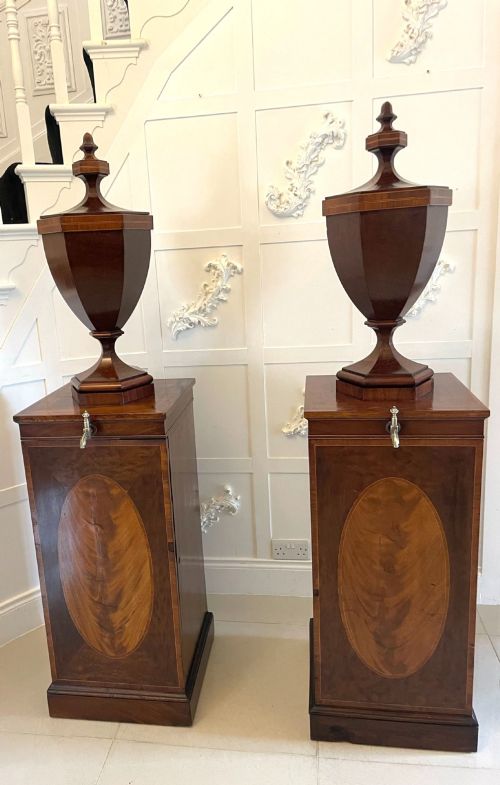
- A freestanding or table-standing box designed to hold bottles of wine or liquor securely. They frequently feature lead linings or internal dividers.
- Crossbanding
- A decorative border technique where thin strips of veneer are laid across the grain of the primary wood. This frames the top or drawer fronts of the box.
- Dressing Mirror
- A swiveling mirror mounted on a small box base containing miniature drawers. They sat atop tables to assist with personal grooming.
- Padouk
- A heavy tropical timber similar in density to mahogany, utilised in colonial workshops. It offers a distinct reddish hue that darkens with age.
18th Century Mahogany Box: Frequently Asked Questions
What were tea caddies used for?
Tea caddies stored precious loose leaves securely under lock and key in the eighteenth-century parlor. Wealthy households treated tea as a valuable commodity requiring physical protection from domestic staff.
Internal partitions separated green and black teas, sometimes incorporating a central glass mixing bowl. The box preserved the aroma and dryness of the leaves.
How do I date an 18th century mahogany box?
Dating relies on observing changes in hardware, secondary woods, and decorative styles from the George II to George III periods. Earlier boxes favour heavier proportions and parcel-gilt details, while later pieces introduce delicate boxwood stringing and neoclassical shields.
Examine the construction of the interior compartments and the style of the dovetail joints. Hand-cut joints and original brass locks provide strong chronological markers.
What is flame mahogany?
Flame mahogany refers to a distinctive veneer figure resembling flickering flames, harvested from the point where branches join the main trunk. Cabinetmakers prized this grain for top panels and drawer fronts.
This decorative cut required careful hand-laying to create symmetrical patterns across box lids. It marks pieces intended for prominent display in principal rooms.
How should I care for a wooden box?
Keep wooden boxes away from direct sunlight and steady heat sources to prevent the mahogany panels and veneers from splitting. Maintain a stable room humidity to protect old adhesives and boxwood inlay.
Apply traditional wax sparingly and buff gently with a soft cloth to nourish the finish. Avoid modern chemical cleaners that strip the historic patina.