


Vintage Mahogany Caddy
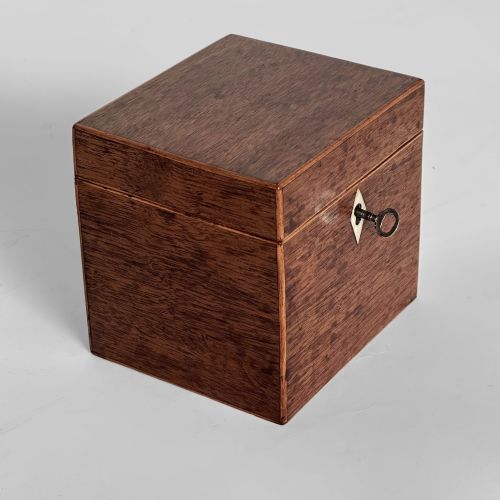
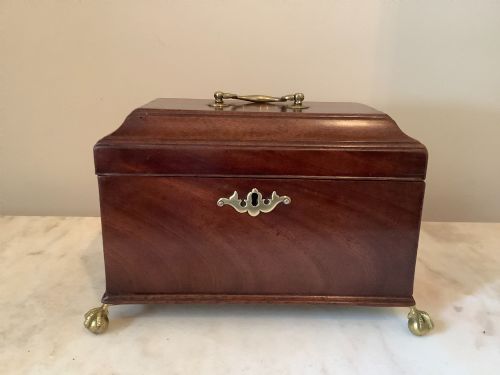
These vintage mahogany caddy pieces are timber containers built to hold dried leaves, and collectors seek them for their warm grain and period joinery.
Vintage Mahogany Caddy
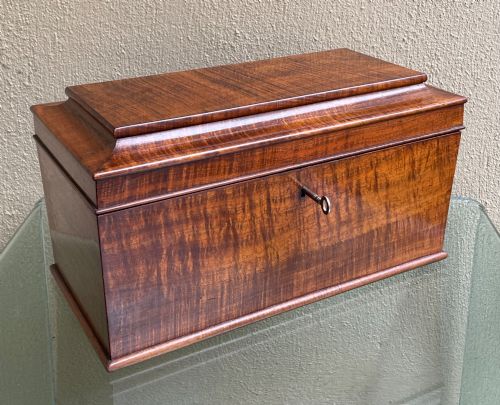
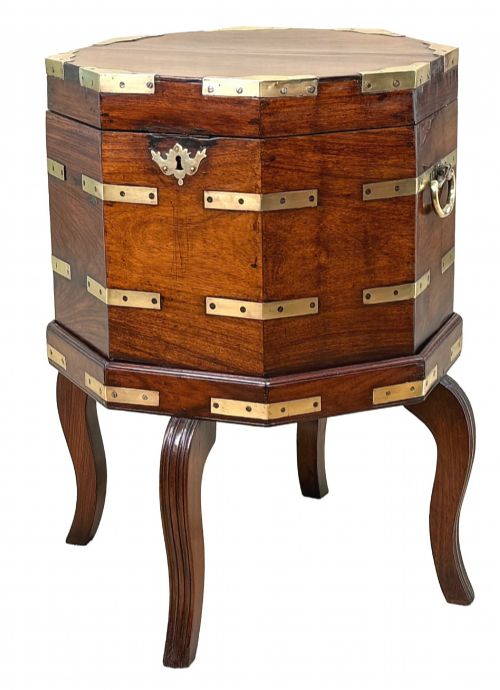
When you search for a vintage mahogany caddy, you encounter timber receptacles shaped during the Georgian, Regency, Victorian, and Edwardian periods. The primary form you meet on this page is the tea caddy, alongside related boxes and cellarettes fashioned from rich tropical hardwoods.
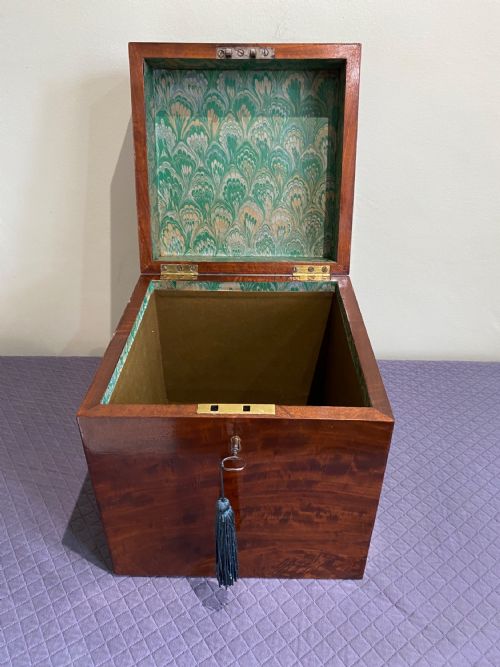
Craftsmen built these containers to store dry leaf reserves safely under lock, preserving expensive provisions in domestic parlours. Many surviving examples retain internal compartments or fitted spaces for mixing leaves before brewing.
The selection ranges from small portable receptacles designed for tabletop use to substantial cellarettes intended for floor placement beside the dining table. Regional variations and revival styles span from the eighteenth century into the twentieth century.
How they were made
Cabinetmakers constructed these pieces primarily from solid mahogany or applied flame mahogany veneers over secondary timbers. Workshops frequently incorporated contrasting woods such as satinwood, walnut, and ebony for stringing and decorative inlay.
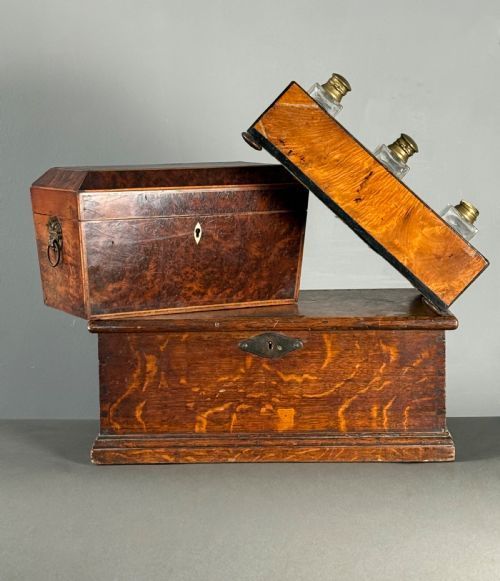
Metal components played a structural and decorative role, featuring cast brass carrying handles, escutcheons, hinges, and occasional bone or mother of pearl details. Coopered construction techniques appeared on barrel-shaped items secured by brass bands.
Vintage Mahogany Caddy Retail Price Guide 2026
Typical asking prices for vintage mahogany caddy among the pieces listed under this phrase on Sellingantiques today, from the lower quarter to the upper quarter. They describe what is for sale here now, not the wider market.
A miniature naval rum barrel turns up among the boxes, complete with coopered staves and brass binding for tiny spirits.
What varies in quality
The distinction between ordinary and superior examples rests in the selection of timber and the precision of the cabinetwork. Fine pieces display vibrant flame mahogany grain and meticulous alignment in their inlaid stringing and mitred joints.
Original hardware elevates a piece significantly, particularly working locks with matching keys and robust brass carrying handles. The presence of untouched interior compartments and subtle details like secret drawers marks the work of skilled makers.
Mappin and Webb
The Vintage Mahogany Caddy Glossary
- Cellarette
- A large freestanding or floor-standing container designed to hold wine bottles or spirits securely near the dining table. Eighteenth and nineteenth-century versions often utilise coopered staves and heavy brass banding.
- Escutcheon
- A protective plate surrounding a keyhole, usually fashioned from brass or bone to prevent timber wear. On better pieces, it integrates cleanly into the surrounding veneer.
- Stringing
- Thin lines of contrasting timber inlaid flush into the surface of a box to create geometric borders. Makers utilised satinwood, ebony, or boxwood strips against the darker mahogany background.
Vintage Mahogany Caddy: Frequently Asked Questions
What did they hold?
These containers stored valuable tea leaves when dry tea was an expensive commodity requiring strict rationing under lock and key. Many examples featured interior lidded compartments to separate different varieties.
Over time, households adapted the containers for sewing equipment, stationery, or general keepsakes once tea storage practices changed.
How do I date them?
Dating relies on observing structural characteristics, timber selection, and decorative motifs such as stringing or brass hardware styles. Georgian and Regency pieces typically show crisp hand-cut dovetails and distinct proportions compared to later revival items.
Internal fittings and the presence of original locks and escutcheons also offer reliable clues to the exact decade of manufacture.
Are keys usually included?
Original working keys remain uncommon because centuries of domestic use resulted in misplaced hardware. Many pieces retain their decorative escutcheons and locks even when the original key is missing.
A matching key adds considerable interest for collectors who value complete and functioning pieces.
Where should I place one?
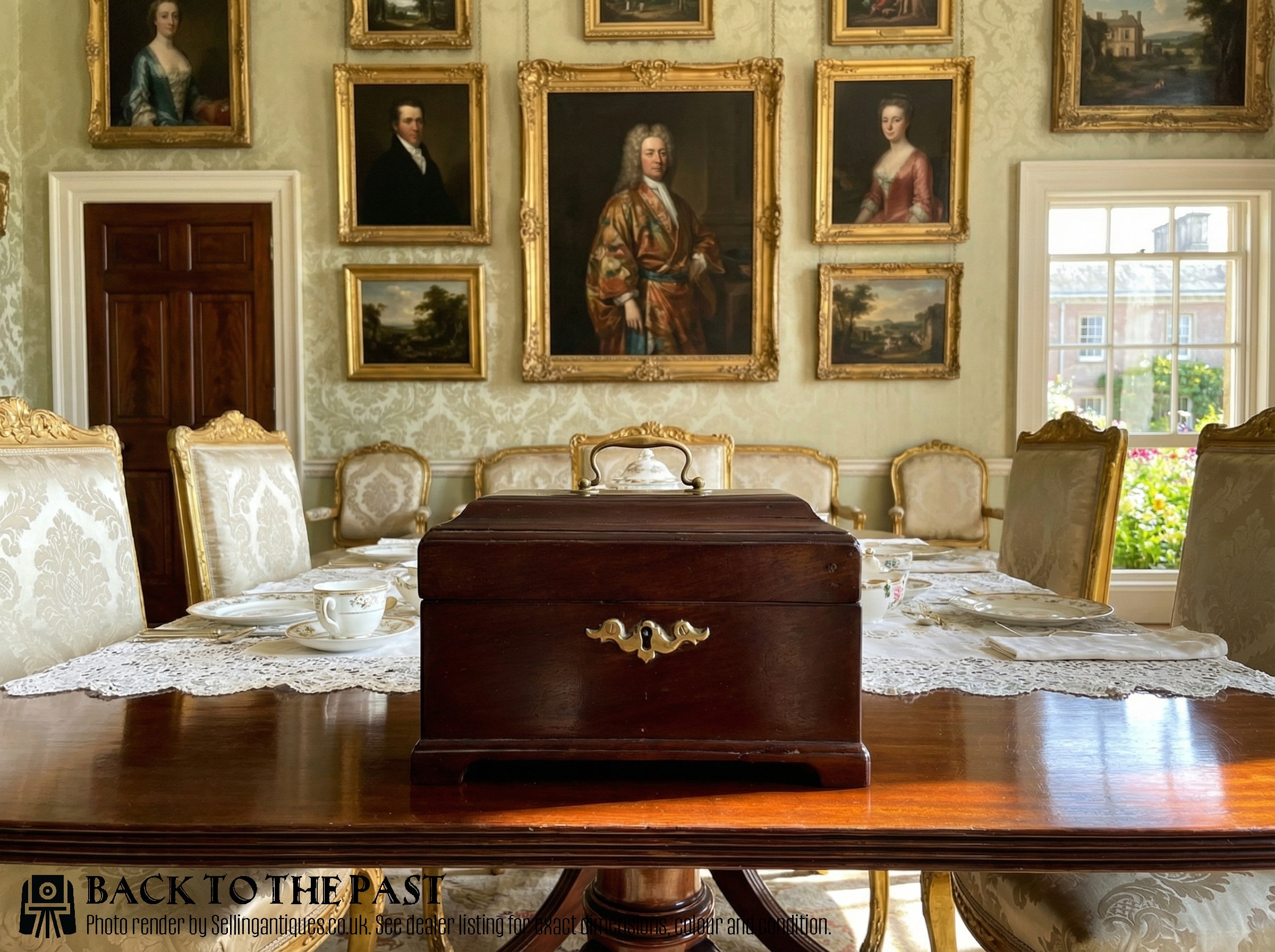
These compact boxes sit well on sideboards, desks, or occasional tables where their figured timber grain remains visible. Direct sunlight and proximity to heat sources should be avoided to protect the mahogany veneer and prevent timber splitting.
Occasional application of appropriate wax polish maintains the lustre of the polished surface.