




18th Century Lacquered Table
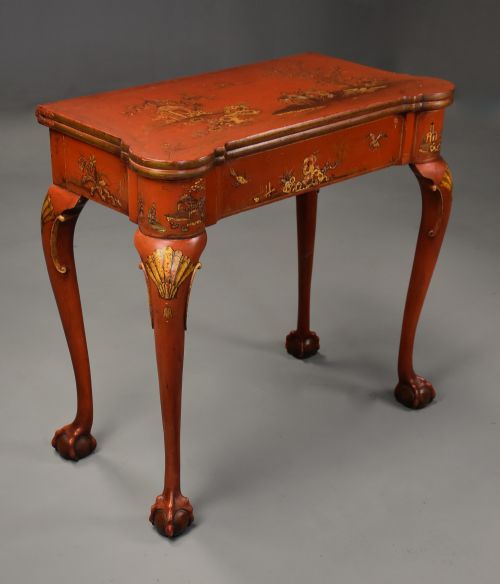
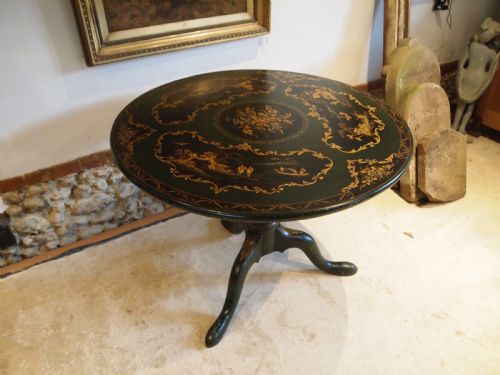
An 18th century lacquered table brings layered gold leaf, hand-painted Chinoiserie and rich timber surfaces straight into a sitting room.
18th Century Lacquered Table
An 18th century lacquered table spans the distinct aesthetic of Chinese export work, Queen Anne design, Venetian Rococo and George III Chinoiserie. When you search for this phrase, you meet side tables, games tables, tray tables and occasional tables finished with elaborate surface decoration.
The materials recorded across these pieces include lacquer, wood, brass, gold leaf, gilt, glass, satinwood and mahogany. Alongside proper period examples, the selection also holds later interpretations built in the 18th century style.
Forms range from tilt-top card tables to low occasional pieces, capturing the varied domestic habits of the period. Each piece relies on decorative painted scenes and polished finishes to create a striking focal point.
How they were made
Timbers such as mahogany, walnut and satinwood form the solid wooden carcass underneath the decorative finishes. Cabinet makers shaped these woods into side tables, games surfaces and occasional stands before applying ground layers.
Applied lacquer provided a hard, glossy base for intricate painting in gold leaf and gilt. Artisans built up depth through successive coats, creating pictorial scenes inspired by Chinese Export and Chinoiserie motifs.
One surviving tray carries a patent for papier mâche by Henry Clay, proving durability.
What varies in quality
The refinement of the hand-painted Chinoiserie detail separates finer examples from simpler workshops. Crisp linework and well-preserved gold leaf indicate superior craftsmanship in the decorative scheme.
The choice of underlying timber and the stability of the wood joints dictate structural longevity. Tables retaining their original brass hardware and untouched lacquer surfaces hold greater integrity.
Henry Clay·Chater & Son
The 18th Century Lacquered Table Glossary
- Lacquer
- A durable resin finish applied to wooden furniture and polished to a hard gloss. It serves as the smooth ground for intricate painted artwork.
- Tilt-top table
- A occasional table with a hinged top that pivots vertically to save space when not in use. This mechanism allowed tables to stand flat against walls.
- Satinwood
- A pale, hard timber with a natural sheen, utilised for fine furniture veneers during the Sheraton period. It provides a contrasting light background for darker inlay or painted decoration.
- Gilt
- A thin application of gold leaf or gold powder applied to wooden mouldings, carved details and painted scenes. It catches the ambient light within a room.
18th Century Lacquered Table: Frequently Asked Questions
What is an 18th century lacquered table?
It is a decorative wooden table finished with polished lacquer and painted gold leaf or gilt motifs. These pieces often feature Chinoiserie scenes reflecting global trade and aesthetic tastes of the period.
They function as functional furniture and decorative art objects, combining sturdy timber construction with intricate surface artistry developed across the 18th century and later revival periods.
How were these tables used originally?
Homeowners utilised them for serving tea, playing card games, or as decorative side furniture in principal rooms. Tilt-top designs allowed tables to be moved easily and stored flat against room perimeters.
Smaller occasional tables and games tables adapted to the social rituals of Georgian domestic life, providing both utility and a display surface for prized household items.
How do I care for a lacquered table?
Keep the piece away from direct sunlight and dramatic fluctuations in temperature to protect the delicate lacquer and gold leaf. Dust gently with a dry, soft cloth without applying modern chemical polishes.
Maintaining stable room humidity prevents the underlying wood from expanding, which protects the brittle lacquer surface from cracking over time.
How do I tell period styles apart?
Queen Anne examples typically display dark lacquer grounds with restrained proportions and simple cabriole lines. George III and Sheraton pieces often showcase brighter Chinoiserie decoration, satinwood elements and neoclassical proportions.
Venetian Rococo items lean towards theatrical painted scenes and curved framing, distinguishing them from the more restrained English export styles.