





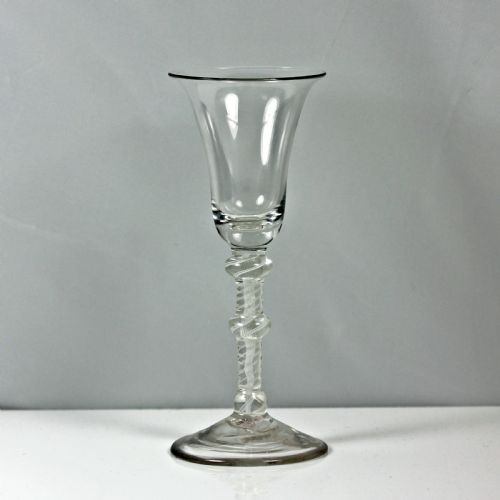
18th Century Knopped Glass
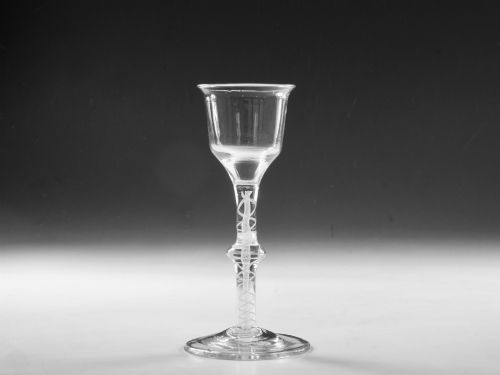
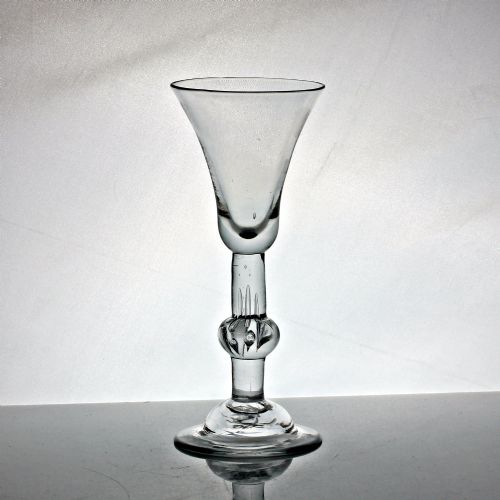
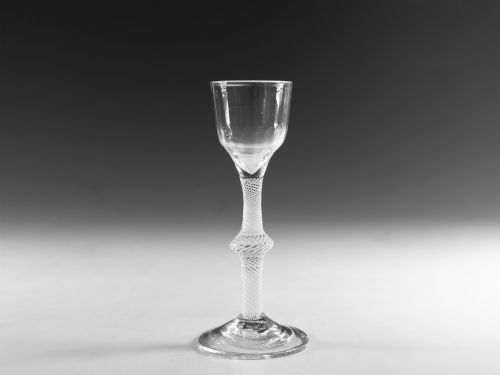
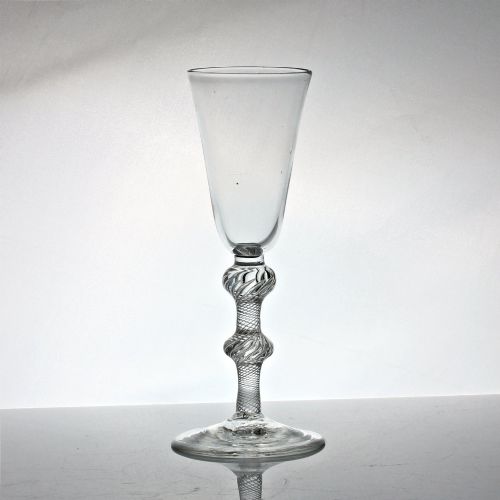
These pieces of 18th century knopped glass bring tactile heft and historic clarity to the table.
18th Century Knopped Glass
When you search for 18th century knopped glass, you encounter drinking vessels designed for Georgian social rituals, chiefly wine glasses, goblets, ale glasses, and gin glasses. These vessels originate primarily from English workshops, alongside continental production from Liege.
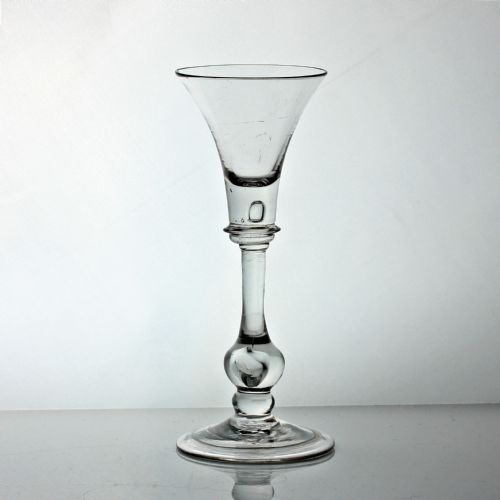
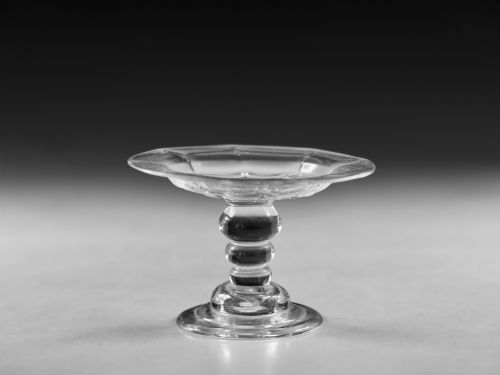
The dominant forms span early baluster and balustroid glasses featuring prominent stem nodes, through to later air twist and opaque twist stems with shoulder or multiple knops. Bowls range from bell and cup shapes to pan-top configurations supported by folded or terraced feet.
Materials and Technique
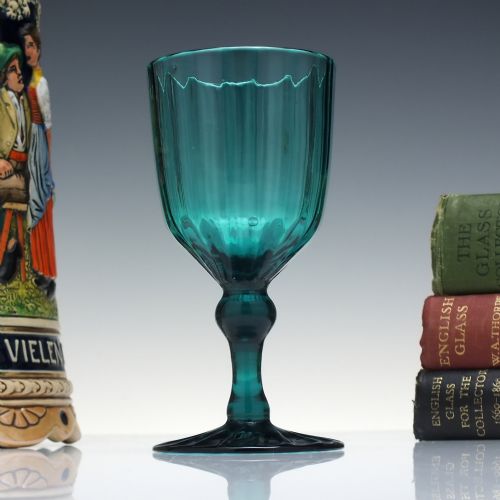
The material foundation rests on lead glass, lead crystal, and flint glass, which provided the substantial weight and refractive brilliance essential for these heavy stems. Artisans shaped the hot metal through glassblowing, moulding the bowls and applying ribs, honeycomb patterns, or nut-moulded designs.
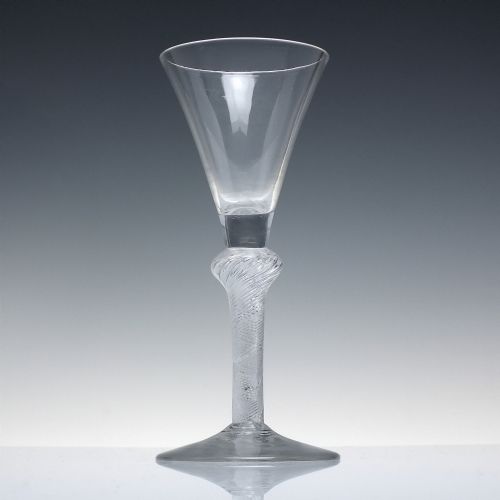
Stems incorporated air bubbles drawn into tears or spun into intricate multi-spiral air twists, while opaque twists introduced white enamel threads into the core. Knops were formed by pulling, swelling, or adding molten glass to the stem before tooling.
Some cups managed to smuggle friendship and union secrets into domestic toasts through fine wheel-engraved motifs.
Judging the Work
Quality rests upon the proportion and balance between bowl, stem, and foot, alongside the crispness of the knop formation. A well-balanced baluster or multi-knop stem demonstrates confident hot-tooling rather than hesitation in the metal.
The clarity and purity of the lead crystal or lead glass elevate certain examples, particularly when paired with precise twist formations or skilful wheel engraving such as friendship or ducal union motifs.
The 18th Century Knopped Glass Glossary
- Knop
- A prominent knob or swelling on the stem of a drinking glass. It provides both a tactile grip and a visual break in the silhouette.
- Baluster
- A heavy, thick stem form derived from architectural pillars. These early 18th century stems often incorporate nodes and air tears.
- Air Twist
- A stem containing an internal spiral of elongated air bubbles. These are created by twisting a rod containing air beads while hot.
- Opaque Twist
- A stem enclosing fine white enamel threads spun into a spiral. It represents a refined development following air twist stems.
- Folded Foot
- A base edge turned underneath to create a thicker rim. This technique adds stability and weight to early drinking glasses.
18th Century Knopped Glass: Frequently Asked Questions
How do I date an 18th century glass?
Dating relies on combining the bowl form, stem construction, and foot style with known periods like the Queen Anne, George II, and later Georgian eras. Early heavy balusters typically emerge from the early decades, while opaque twists standardise towards the mid-18th century.
Material composition also guides identification, as the introduction of lead crystal transformed the weight and resonance of English drinking vessels. Comparing the optical qualities and manufacturing marks against documented examples clarifies the production window.
What is a knopped stem?
A knopped stem incorporates one or more raised, thickened portions along its length. These nodes were shaped by the glassmaker while the metal remained hot and pliable.
Beyond providing a secure grip for the hand during use, knops helped punctuate the vertical design of baluster and balustroid glasses. Multiple knops appear on various stem types, adding structural rhythm and visual weight.
How were air twists made?
Glassmakers trapped air bubbles inside a molten gather of lead glass before drawing and twisting the rod. The trapped air elongated into delicate threads that formed internal spirals.
Skilled manipulation dictated whether the result formed a single or multi-spiral air twist. The threaded stem was then joined to the bowl and foot to complete the drinking glass.
Can I use these antique glasses?
These fragile 18th century vessels can still hold beverages, though modern handling requires considerable care. Their historical value and delicate lead glass composition mean they suit special occasions rather than daily service.
Hand washing in tepid water without soaking preserves the aged surfaces and engraved details. Storing them securely away from edge hazards protects the brittle feet and rims from accidental knocks.