


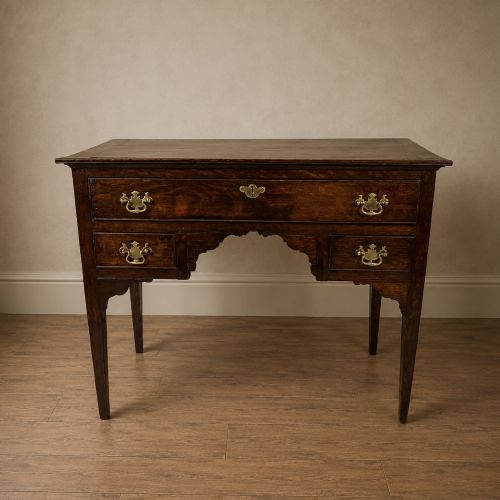
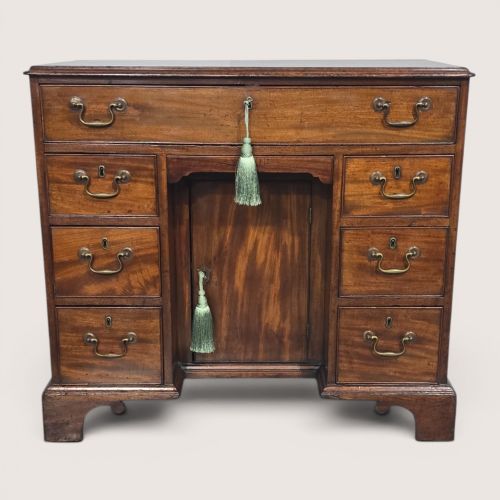
18th Century Kneehole Table
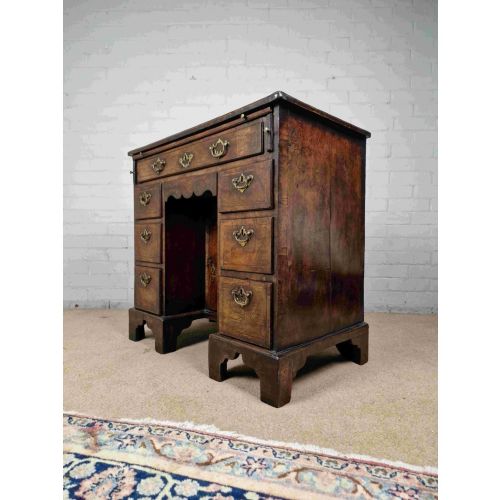
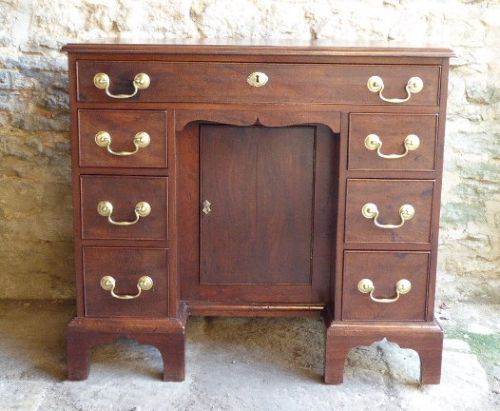
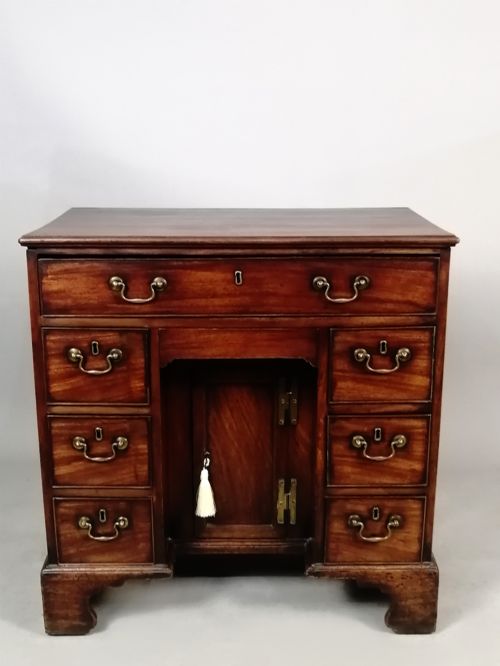
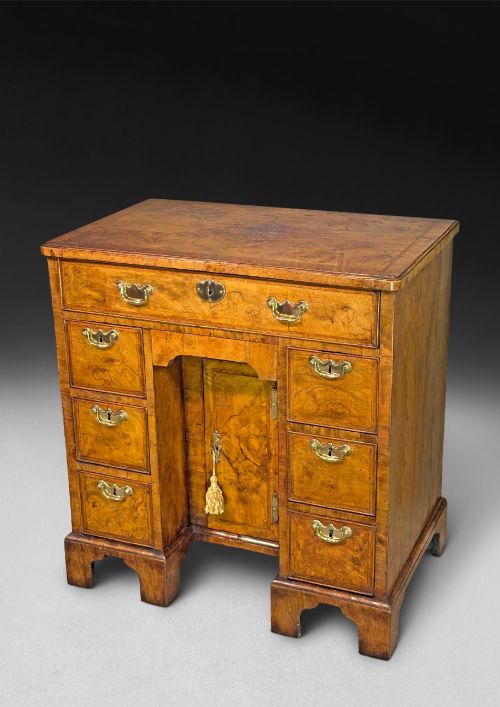
An 18th century kneehole table offers compact storage and a recessed centre cupboard beneath a fitted writing surface, making it a sought-after addition to a study.
18th Century Kneehole Table
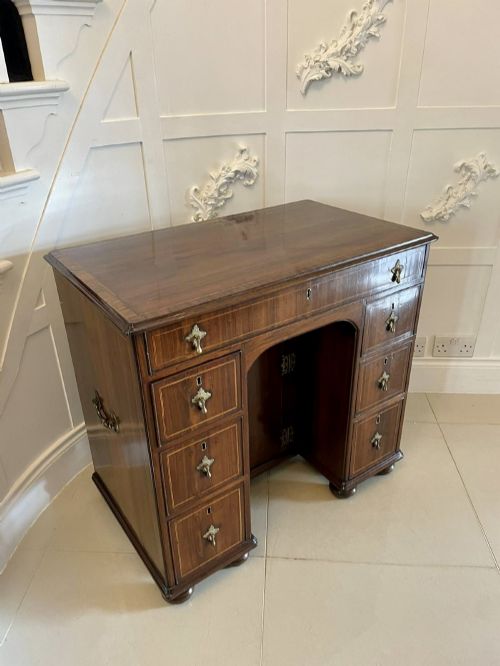
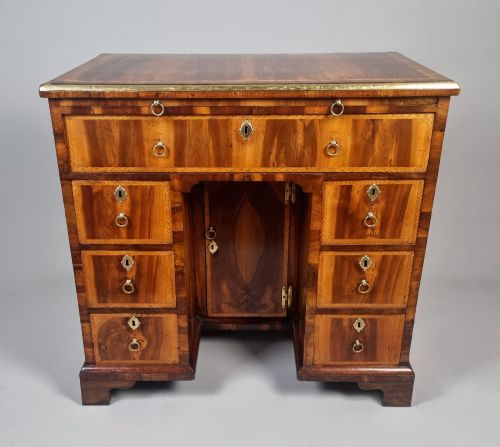
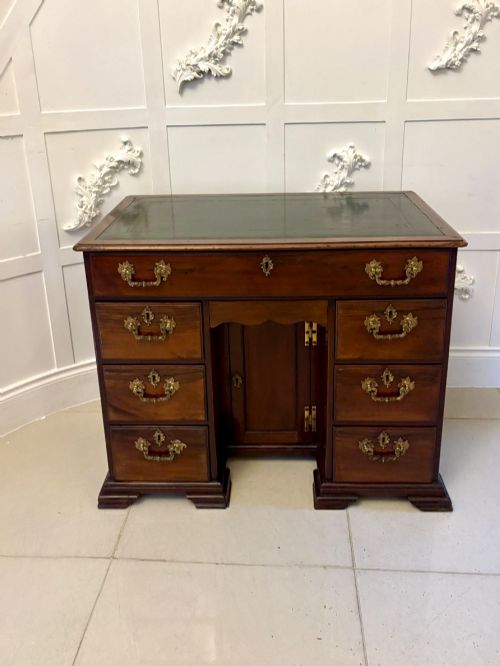
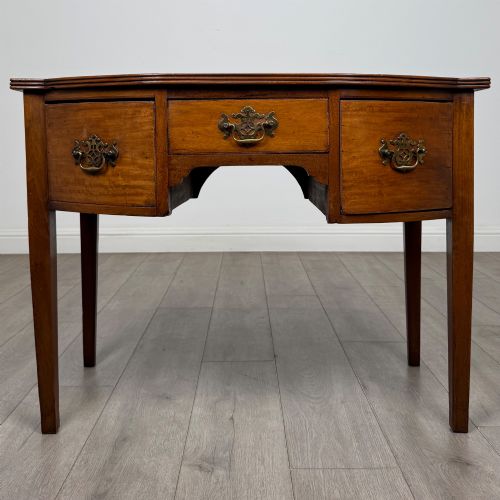
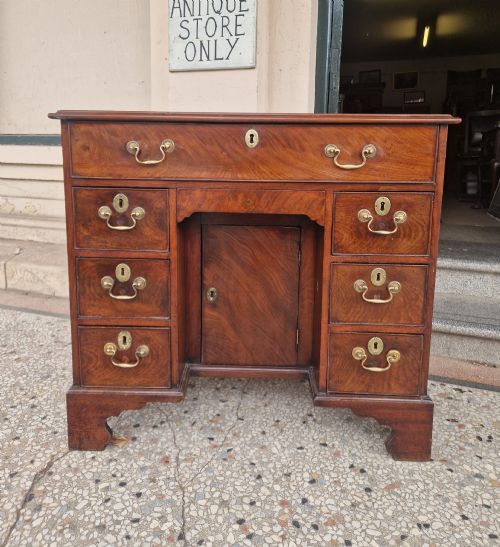
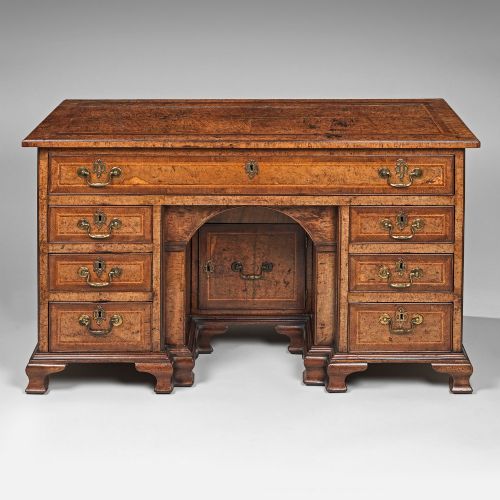
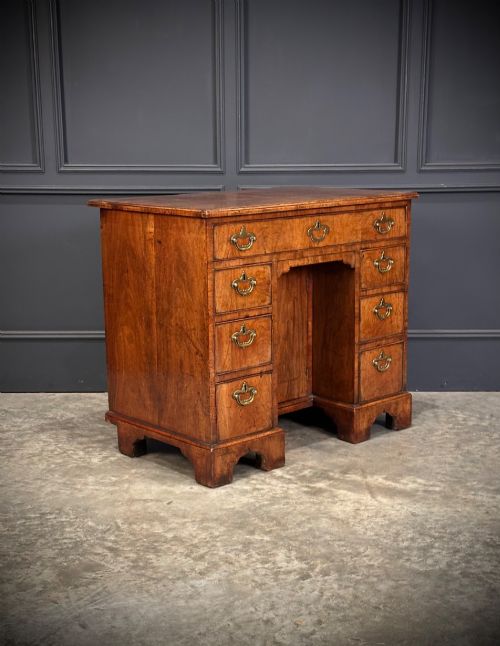
An 18th century kneehole table typically functions as a desk, dressing table, or lowboy, providing a recessed central kneehole flanked by pedestals of small drawers. You will frequently encounter examples spanning the Queen Anne, George I, George II, and George III periods, built from durable timber with fitted interiors.
The form adapts across decades into related furniture types such as sideboards, writing tables, and dressing chests featuring sliding writing shelves. Mahogany and walnut dominate the examples, though yew wood, burr elm, and oak also appear among the selections.
How They Were Made
Cabinetmakers constructed these pieces using dense hardwoods like mahogany and figured walnut, frequently employing burr veneers and boxwood stringing to create decorative surface patterns. Drawers feature traditional hand-cut dovetail joints, reflecting the standard of period joinery.
Original brass hardware such as swing handles and escutcheons complement the timber, while secondary woods support internal drawer linings. Some pieces incorporate specialised details like purpleheart banding or fitted pull-out writing slides.
Some hidden drawers inside these desks required pressing secret internal catches to release.
What Varies in Quality
The grade of timber selection distinguishes standard items from superior pieces, with highly figured walnut, fiddleback grain, and well-matched mahogany veneers commanding greater attention. The subtlety of crossbanding, inlay work, and the preservation of original brasses further elevate an example.
Proportion and scale dictate the refinement of the piece, as smaller dimensions and narrower depths require delicate carpentry. The integrity of the original polish and the crispness of surviving mouldings define the overall character of the construction.
The 18th Century Kneehole Table Glossary
- Kneehole
- A compact desk or dressing table featuring a central recessed space for the legs, flanked by banks of small drawers. This design maximises storage within a smaller footprint.
- Lowboy
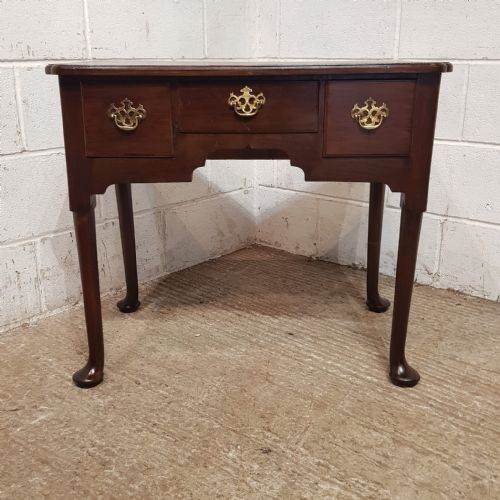
- A small side table with drawers, standing on four tall legs, often used as a dressing table or writing surface during the 18th century.
- Crossbanding
- A strip of veneer applied to the edges of a surface where the grain runs perpendicular to the main panel. This decorative border frames the central wood figure.
- Slide
- A pull-out wooden board integrated above the drawers to provide an auxiliary writing surface or shelf. It tucks away flush when not in use.
- Fiddleback
- A figure in timber, particularly walnut or mahogany, that exhibits undulating ripples resembling the grain of wood used for violin backs.
18th Century Kneehole Table: Frequently Asked Questions
What is the difference between a kneehole desk and a lowboy?
A kneehole desk contains stacked banks of drawers on either side of a central recess, often enclosing a small cupboard door at the back. It is designed primarily for seated writing or grooming.
A lowboy is a simpler side table supported by four long legs with one or more drawers beneath the top. It lacks the enclosed pedestals characteristic of a kneehole table.
How were 18th century kneehole tables used?
These versatile pieces served multiple domestic functions in period homes, acting as private writing desks, account tables, or dressing tables. The top surface held writing materials or dressing mirrors, while the numerous small drawers organised letters, documents, and personal items.
The central cupboard often concealed hidden compartments or served to store valuables securely out of sight.
How do I identify a George III kneehole table?
George III pieces often display straight-grained or figured mahogany, sometimes accented with satinwood or purpleheart banding. The hardware tends to be refined brass drop handles mounted on shaped backplates.
Proportions during this era lean towards clean architectural lines, occasionally incorporating a bowed front or bracket feet.
Can I use a vintage kneehole table as a modern desk?
Many collectors utilise these tables as writing desks in studies or bedrooms, though the internal kneehole clearance can be lower than modern office furniture. Checking the height of the knee space ensures comfortable legroom for seating.
The smaller proportions make them well suited for compact spaces where standard desks would overwhelm the room.