






18th Century Italian Chairs
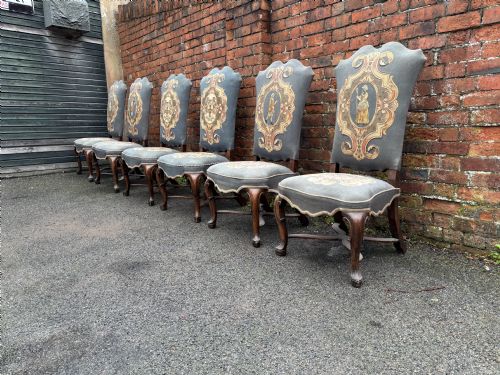
These 18th century italian chairs bring carved walnut, giltwood and painted surfaces into a room with striking regional presence.
18th Century Italian Chairs
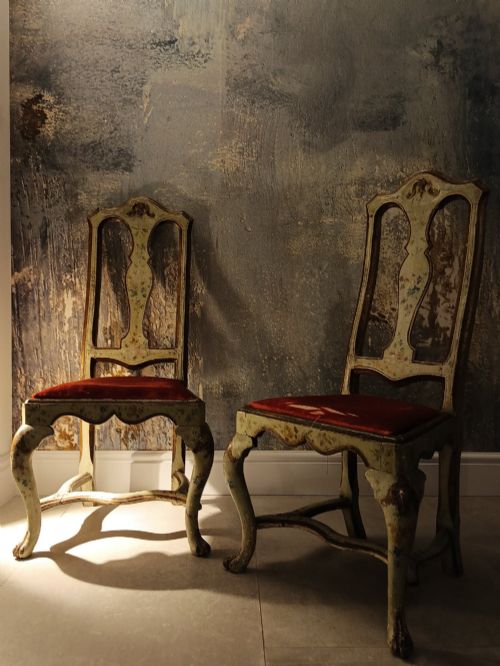
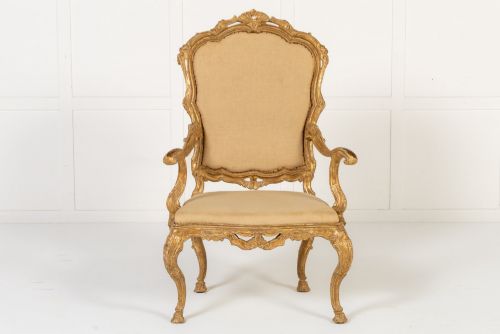
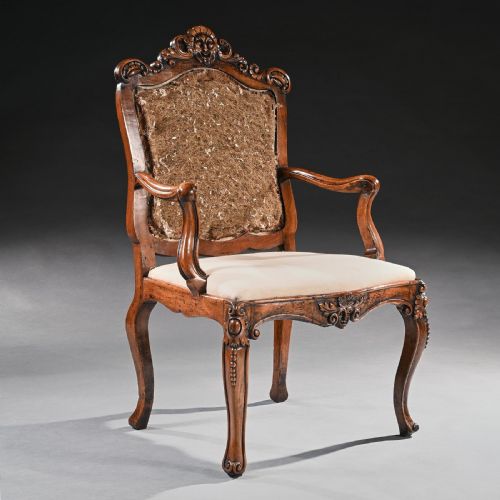
When you search for 18th century italian chairs, you encounter seating forms ranging from robust walnut armchairs to painted dining sets and gilded armchairs. The pieces listed display distinct regional variations, from Venetian gondola chairs to North Italian side chairs and Barocchetto designs.
Armchairs, side chairs, dining chairs, hall chairs, and sofas dominate the selection. Walnut and carved wood examples appear frequently, alongside pieces finished in gesso, silver gilt, and original paint.
The styles span Italian Rococo, Baroque, and Venetian Rococo, reflecting the decorative ambitions of Italian workshops. Buyers frequently find pairs and sets alongside individual high-back open armchairs.
How They Were Made
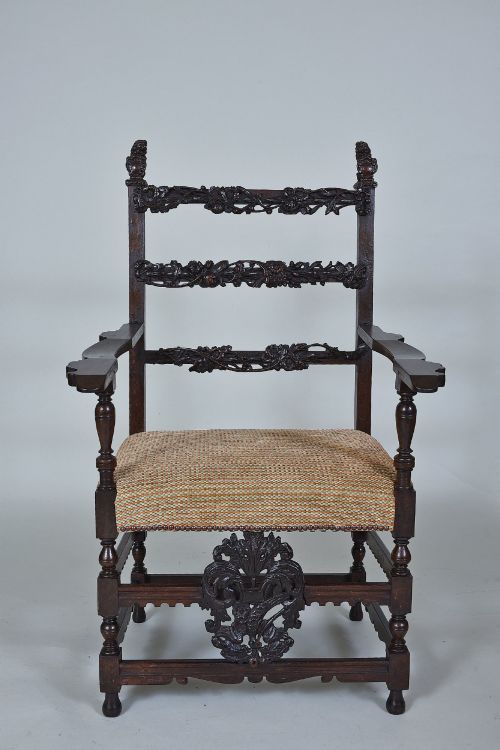
Carpenters and carvers shaped these frames from solid timber, predominantly walnut and oak, utilising hand carving for intricate head rails and foliage. Woodwork was often finished with gesso to prepare surfaces for gilding with gold or silver leaf, or left exposed to highlight the natural grain.
Painted finishes frequently incorporate textile elements such as fabric, needlework, and upholstery. Artisans applied layers of paint directly to the carved wood frames, sometimes combining pigment with gilt accents to create rich decorative contrasts.
Walnut, gesso, giltwood, and paint appear repeatedly across these eighteenth-century seating forms.
What Varies in Quality
Depth and crispness of the hand carving separate standard seating from exceptional examples. Extravagantly carved head rails and fully articulated arms demonstrate superior workshop skill.
Surface preservation dictates distinction across painted and gilded pieces. Original paint or original silver gilt surfaces retain greater historical integrity than later interventions.
The 18th Century Italian Chairs Glossary
- Giltwood
- Wood carved and prepared with gesso before being covered in thin sheets of gold leaf. This finish provided brilliant light reflection in grand interiors.
- Barocchetto
- The Italian iteration of the Rococo style, characterised by asymmetrical scrollwork and lighter, more fluid proportions than the preceding Baroque period.
- Sgabello
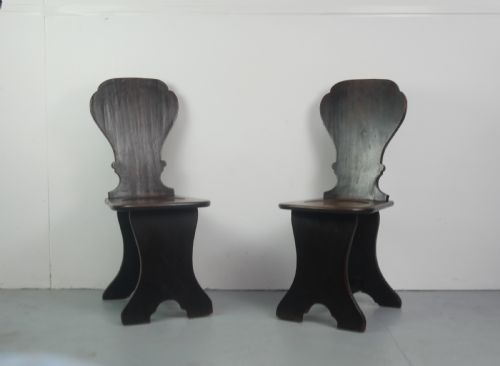
- A light wooden hall chair featuring a high back and solid trestle supports rather than traditional legs. These pieces were historically designed for hallways and occasional seating.
- Gondola chair
- An open armchair with a curved, enclosing backrest reminiscent of a Venetian boat. This form originated in Venice and offers a distinctive profile.
- Gesso
- A plaster-like mixture applied to wooden frames to create a smooth, absorbent base for gilding or painting. It allowed carvers to achieve sharp relief details.
18th Century Italian Chairs: Frequently Asked Questions
How do I identify Italian Rococo chairs?
Look for asymmetrical carved details, curved cabriole legs, and sweeping cartouche-shaped backrests. These stylistic markers distinguish Rococo seating from earlier geometric forms.
Venetian and North Italian variants often feature elaborate head rails and painted surfaces unique to those regions.
Where were sgabello chairs used?
Sgabello chairs served primarily as functional hall seating in grand Italian residences. Their flat wooden seats and solid supports made them easy to move along corridors.
They function well today as decorative accent pieces in entryways.
Are painted chairs original?
Many surviving pieces retain historic paint or gilt layers applied during the eighteenth century. Examining the surface under magnification reveals craquelure and wear consistent with age.
Some pieces display later surface treatments applied during subsequent centuries of use.
Can I use these dining chairs daily?
Eighteen-century dining sets provide sturdy wooden construction suited for careful everyday use. Walnut and oak frames offer inherent structural resilience.
Upholstered elements and delicate gilt surfaces require periodic care to maintain their condition over time.