

18th Century Hanging Cabinet
An 18th century hanging cabinet fixes directly to the wall to save floor space while displaying precious ceramics and keeping household spices secure.
18th Century Hanging Cabinet
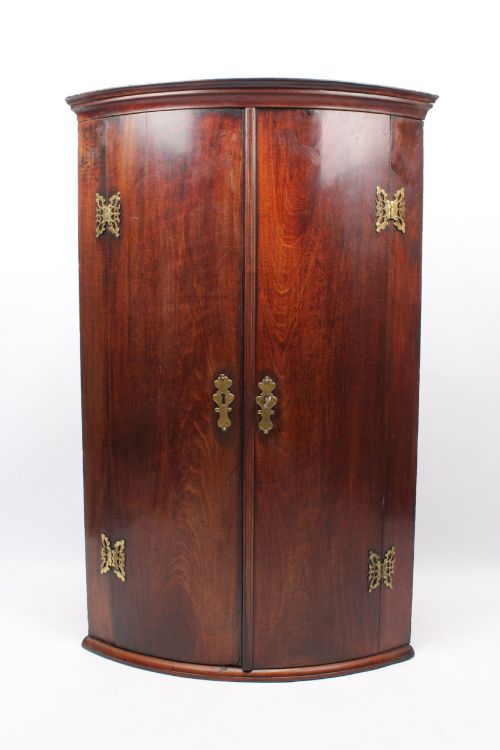
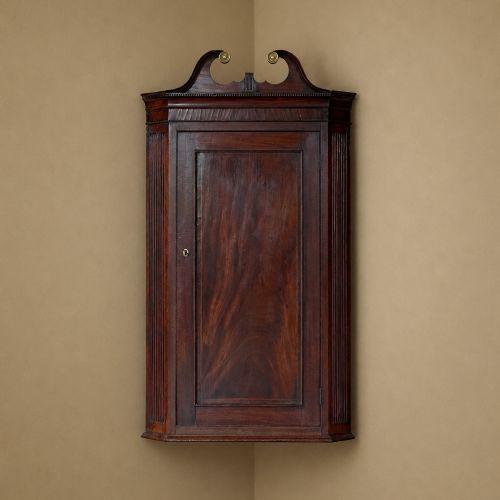
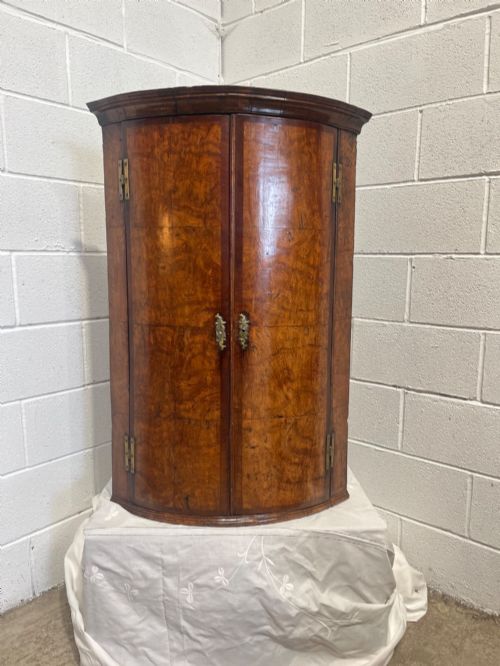
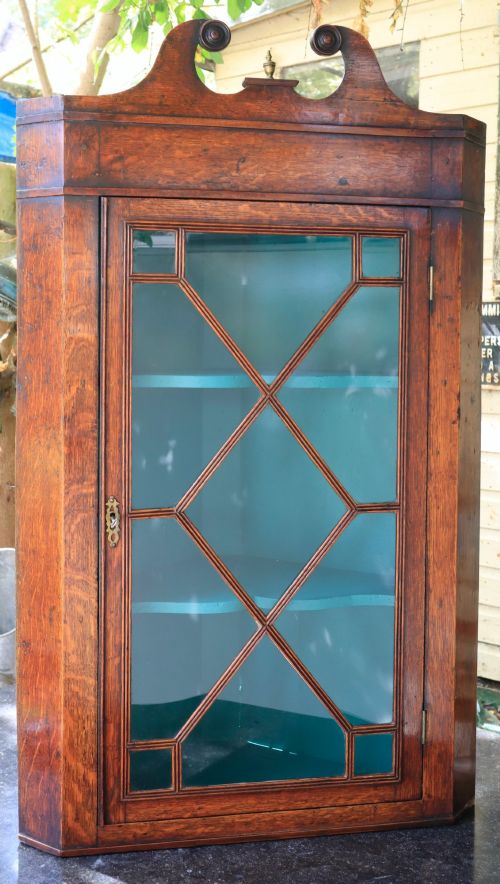
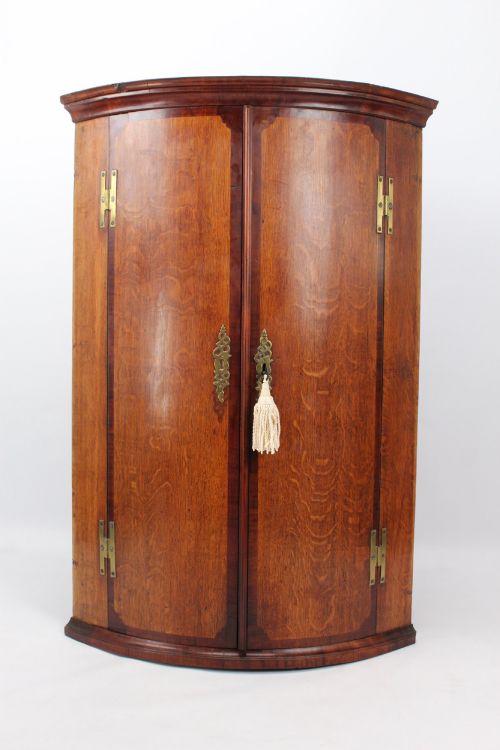
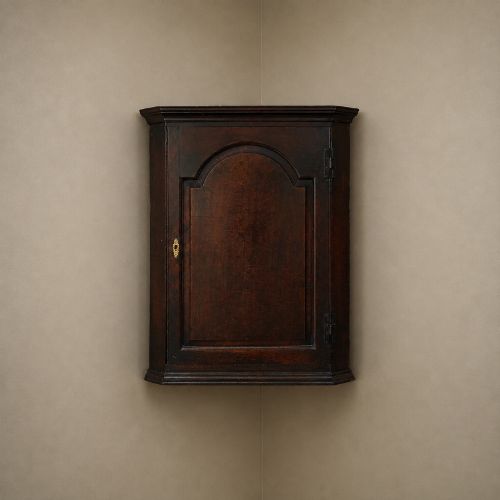
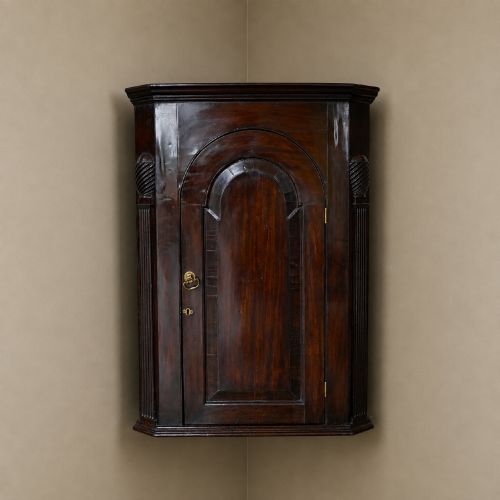
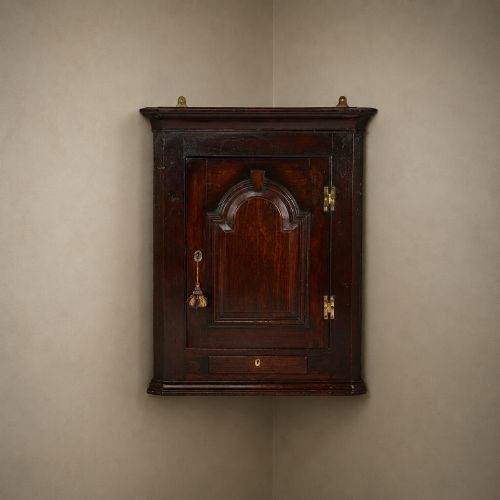
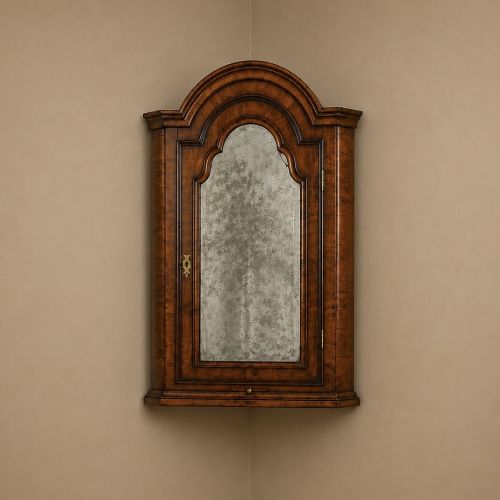
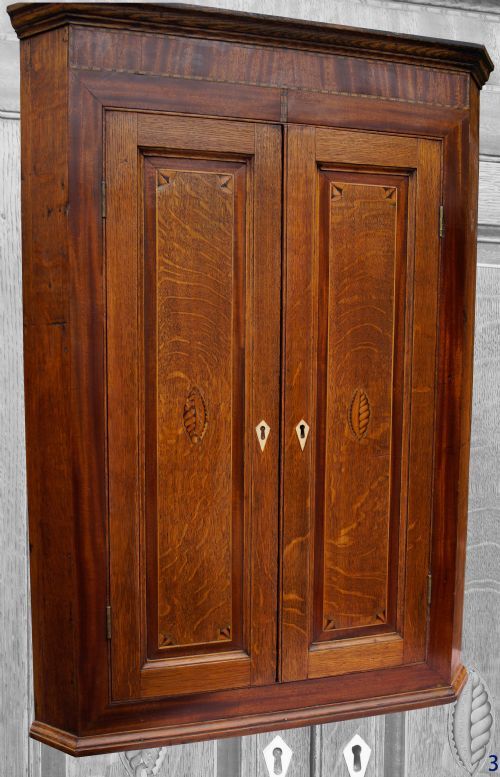
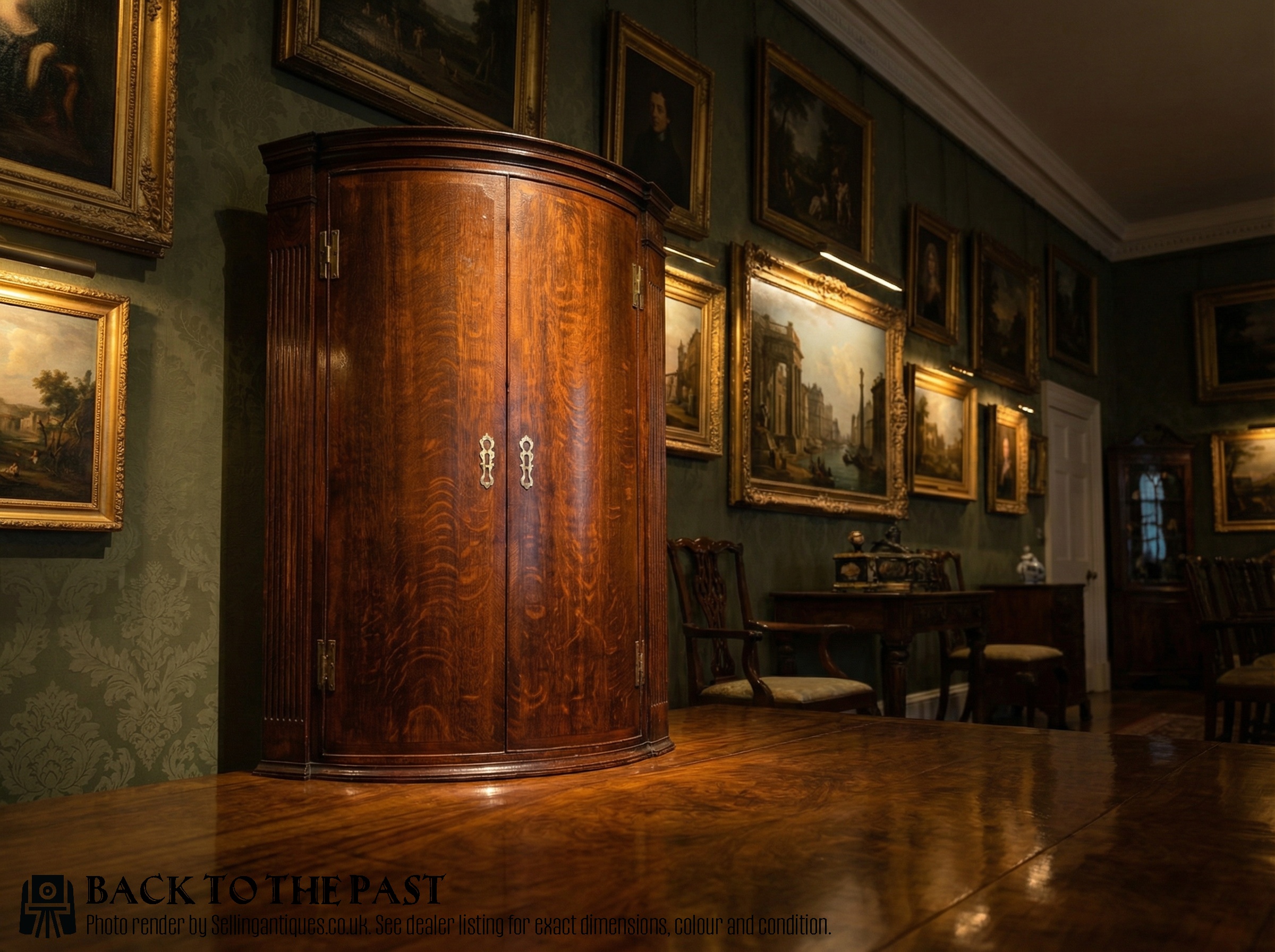
An 18th century hanging cabinet primarily takes the form of a wall-mounted corner cupboard, engineered to fit snugly into room angles. These pieces serve as both practical storage and display space, frequently housing shelves behind single or double doors.
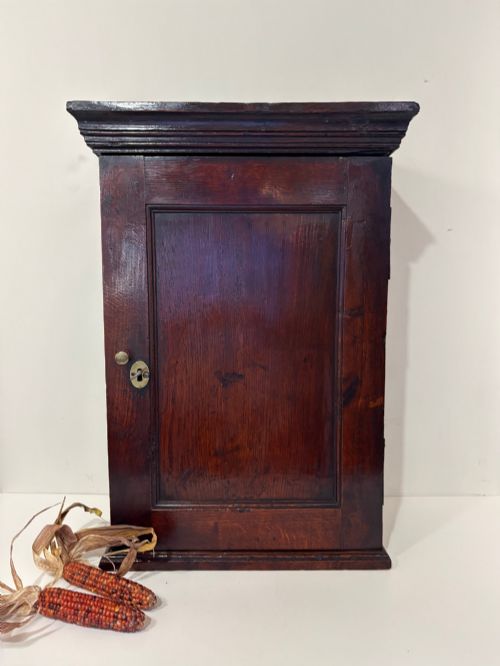
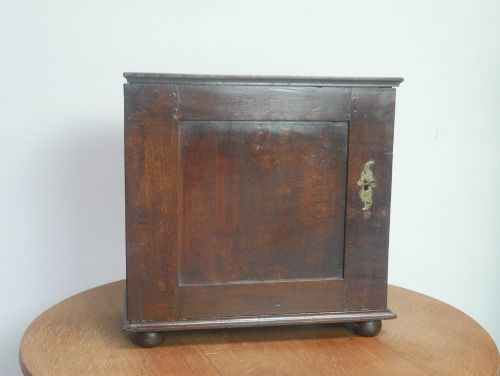
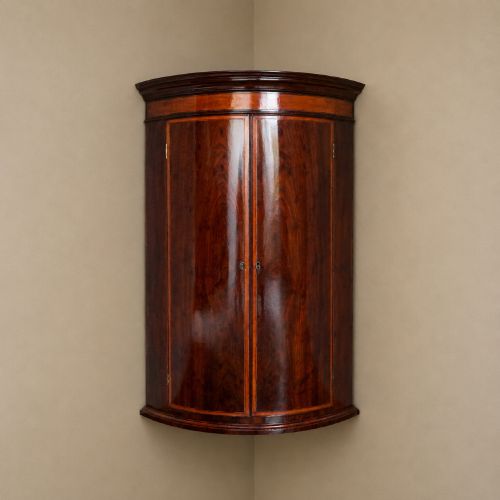
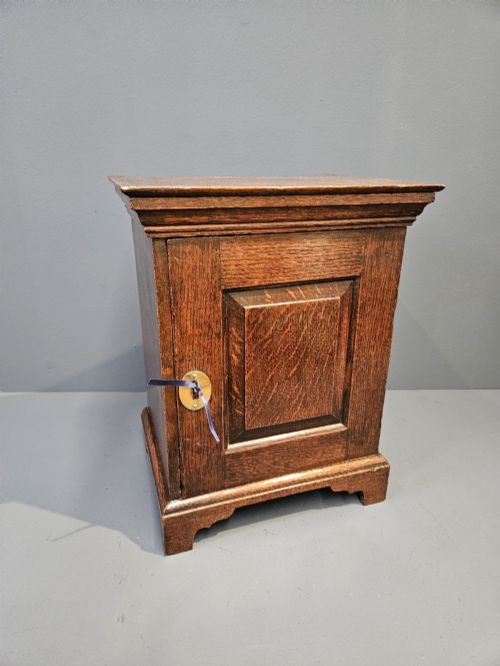
The domestic forms recorded range from compact spice cupboards and wall cabinets to larger display units and bow front corner cupboards. Oak and mahogany dominate the selection, often shaped with curved fronts designed to soften room corners.
How they were made
Joiners and cabinet makers built these wall-hung pieces using durable timbers such as oak, mahogany, walnut, and fruitwood, frequently combining solid woods with decorative veneers. Brass hardware, including hinges, key escutcheons, and working locks, provided structural security and visual contrast.
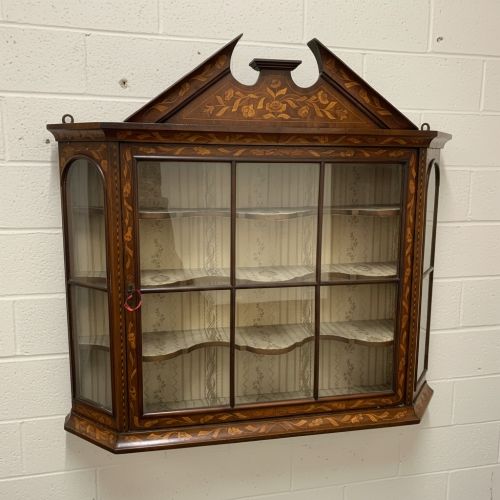
Surface treatments involved clear polishing to reveal timber grain, alongside painted finishes, japanning, and intricate Dutch marquetry inlay. Some specialised forms incorporated glass panels for display or integrated candle slides beneath the main cabinet body.
Some historical cabinets doubled as hiding spots for contraband tea leaves when taxes made the beverage more precious than gold.
What varies in quality
The refinement of timber selection dictates the visual success of the piece, distinguishing plain regional oak from figured burr oak, plum pudding mahogany, or rich red walnut. Cabinetmakers demonstrated their skill through precise dovetail joints, well-fitted doors, and the preservation of original brasswork or mirrored glass.
Decorative elaboration creates hierarchy across the range, moving from simple panelled doors to sophisticated marquetry, japanned ornamentation, carved detailing, and bowed barrel fronts that demand advanced joinery techniques.
The 18th Century Hanging Cabinet Glossary
- Japanning
- A European imitation of East Asian lacquerwork using layered varnishes and resin paint. It creates a glossy, decorative surface often found on early eighteenth-century decorative furniture.
- Spice cupboard
- A small wall-hung timber cabinet containing multiple internal drawers for storing culinary herbs and spices. These compact pieces typically feature secure locking doors.
- Marquetry
- The art of applying decorative veneer pieces to a structure to form intricate pictorial or geometric patterns. Dutch examples showcase elaborate floral designs across walnut and fruitwood surfaces.
- Corner cupboard
- A triangular cabinet designed to mount directly into the internal angle of a room. This form maximises unused wall space while presenting a finished facade to the interior.
18th Century Hanging Cabinet: Frequently Asked Questions
Where were hanging cabinets placed?
These wall-mounted units typically hung in dining parlours, kitchens, or drawing rooms where floor space was at a premium. Corner placements allowed them to utilise otherwise empty room angles effectively.
Their elevated position kept contents safe from domestic traffic and pests while placing precious tableware or spices at a convenient height.
How do I hang a heavy cabinet?
Due to their solid timber construction, period hanging cabinets require secure fixing directly into masonry or robust wall studs. Professional installation utilises heavy-duty internal brackets or sturdy suspension hooks mounted to the cabinet back.
Given the weight of mahogany, oak, and glass doors, proper wall anchoring is essential for safe long-term display.
What was stored inside them?
Owners used these wall cabinets to secure expensive household provisions, including imported spices, tea, and medicinal ingredients. Larger variations served as display spaces for ceramic plates, glassware, and small valuables.
Specialist examples like bread cages held perishable foodstuffs, while collector cabinets protected small curiosities.
How do I date an 18th century cabinet?
Dating relies on observing timber choices, construction methods, and stylistic details associated with specific reigns and periods. Early pieces often feature solid oak with simple panelled doors, whereas later Georgian and Regency examples favour mahogany, curved bow fronts, and intricate inlay.
Hardware styles, hinge types, and secondary woods inside drawers also provide reliable chronological markers.