

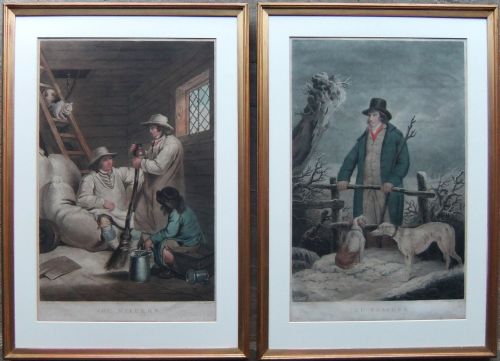


18th Century Genre Print
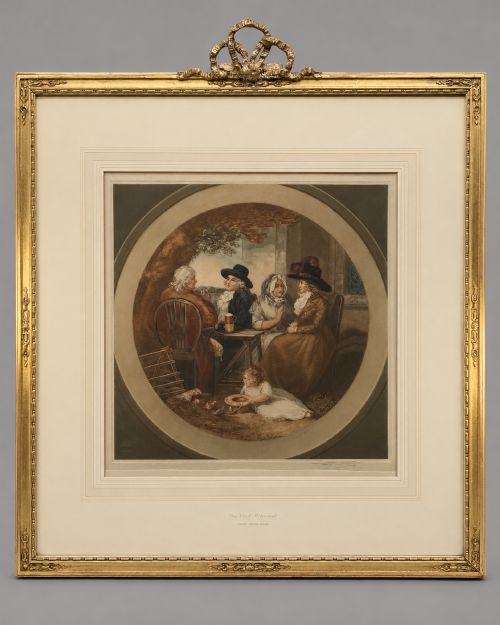
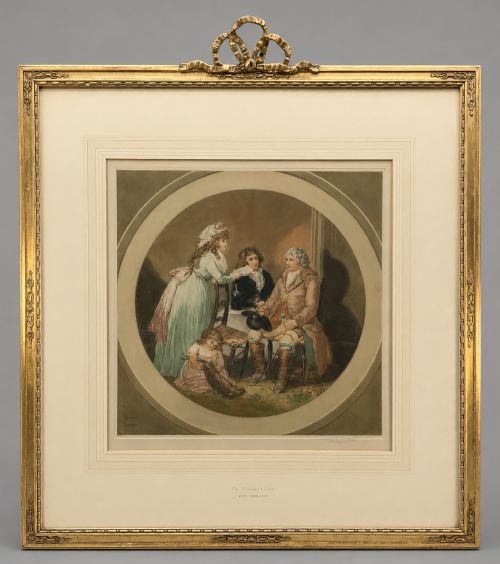
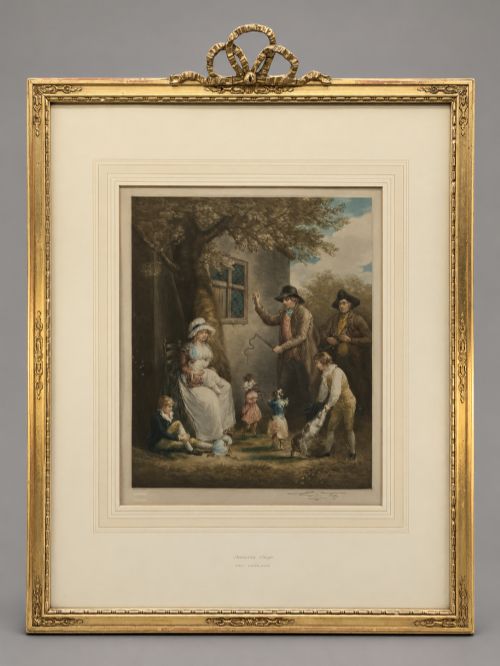
These 18th century genre print works capture domestic scenes and everyday life, offering collectors a tangible window into past social history.
18th Century Genre Print
An 18th century genre print depicts scenes of everyday life, human activity, and social interactions rather than grand historical or mythological narratives. Buyers searching this phrase encounter framed prints, wall art, and engravings spanning periods from the Georgian era through to later revivals.
The selections available here include hand-coloured engravings, mezzotints, and stipple engravings framed in wood, maple, or giltwood. Works after artists such as Henry William Banbury and George Morland frequently appear alongside other decorative printed and painted pieces.
While some items originate directly in the eighteenth century or around eighteen hundred, others stem from Regency, Victorian, and later revival periods. This blend offers collectors various interpretations of traditional domestic and social subjects across paper and glass mediums.
Materials and techniques
Makers produced these works using paper surfaces treated with ink and hand-applied colour. Printers and engravers utilised techniques such as mezzotint and stipple engraving to achieve tonal depth and varied textures within the image.
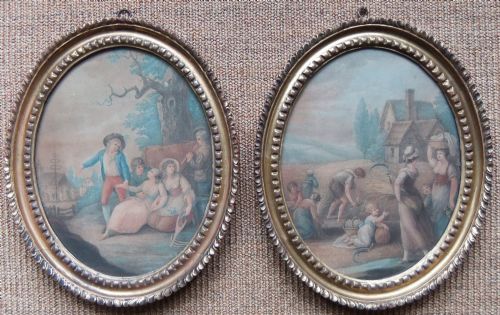
Framing materials commonly incorporate wood, maple, and gilt wood, often complemented by glass protection. Some specialised pieces extend beyond paper to involve painting directly on glass.
18th Century Genre Print Retail Price Guide 2026
Typical asking prices for 18th century genre print among the pieces listed under this phrase on Sellingantiques today, from the lower quarter to the upper quarter. They describe what is for sale here now, not the wider market.
The selection includes various formats, ranging from framed engravings and mezzotints to reverse paintings on glass.
Judging quality in genre works
Quality rests upon the precision of the engraving technique and the crispness of the pulled impression on the paper. Stronger examples display clear tonal gradations and delicate hand-colouring that enhances the narrative without obscuring the printed lines.
The character of the surrounding frame, whether simple wood or detailed giltwood, contributes to the overall presentation. Finer items maintain harmony between the visual depth of the print and the construction of its housing.
Robert Sayer·Henry William Banbury·E. Jackson Stodart·G Morland·W Ward·F. Petitjean·Frank Moss Bennett
The 18th Century Genre Print Glossary
- Mezzotint
- A printmaking process of the intaglio family where the plate is roughened to achieve rich dark tones and subtle gradations of light. This method allows for smooth transitions rather than relying solely on lines.
- Stipple engraving
- A technique using dots of varying density and size to create tonal effects and soft outlines in the printed image. It became particularly popular for reproducing intimate domestic scenes.
- Engraving
- A method of cutting design lines into a hard plate, usually metal, which then holds ink for transfer under pressure onto paper. The resulting lines offer high definition and durability across multiple impressions.
- Painting on glass
- An artwork created by applying pigments directly to the reverse side of a glass panel to be viewed from the front. This technique yields a distinct glossy finish quite different from paper works.
18th Century Genre Print: Frequently Asked Questions
What is an 18th century genre print?
These works are printed representations of everyday scenes, domestic interiors, and social interactions characteristic of the period. They document human activity and popular tastes rather than formal portraits or landscapes.
Collectors appreciate them for their narrative charm and the technical skill involved in historic printmaking methods like mezzotint and engraving.
How were these prints framed originally?
Historic framing typically involved timber mouldings such as maple or gilt wood designed to protect the paper beneath glass. Many surviving pieces retain period frames that complement the aesthetic of the artwork.
Over time, framing styles shifted through various revivals, meaning some older prints wear later Regency or Victorian mounts.
How do I care for framed paper prints?
Paper and ink require protection from direct sunlight and excessive moisture to prevent fading and degradation. Displaying them in stable indoor environments helps preserve the integrity of the materials.
Keep glass surfaces clean using gentle methods that avoid moisture seeping behind the frame into the print.
How do I distinguish original periods from later copies?
Examining the paper texture, ink distribution, and framing construction helps determine the age of a piece. Characteristics such as plate marks and the quality of hand-colouring provide clues regarding production eras.
Comparing known techniques associated with Georgian or Regency printmakers clarifies whether a piece is contemporary to the eighteenth century or a later revival.