


18th Century Gainsborough Chair
An 18th century gainsborough chair is a wide-seated, upholstered library or desk armchair designed for comfort during reading and writing.
18th Century Gainsborough Chair
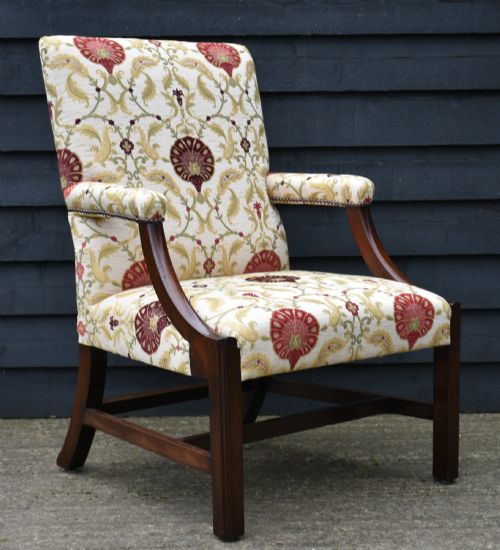
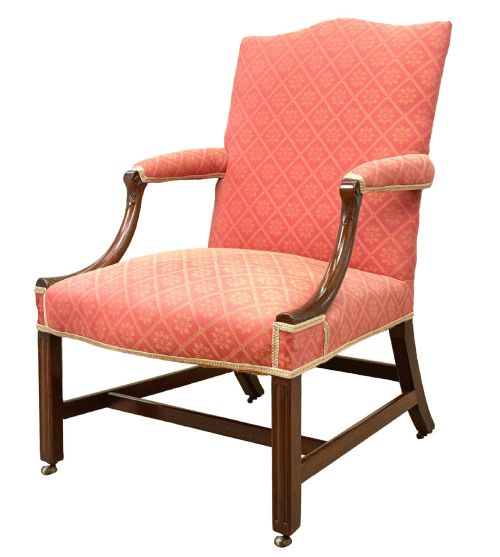
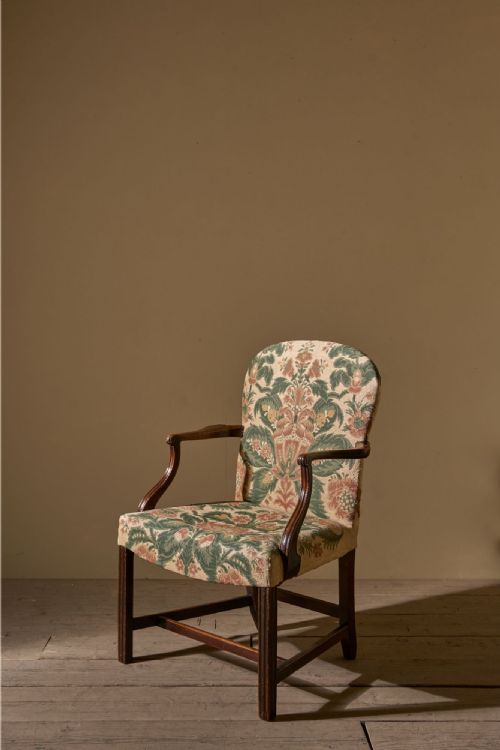
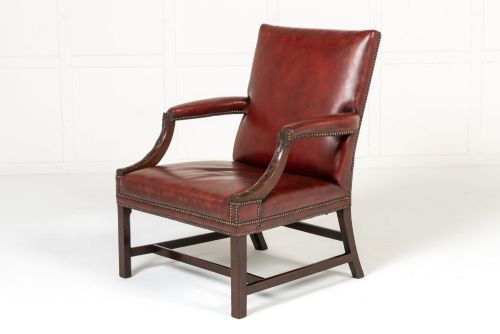
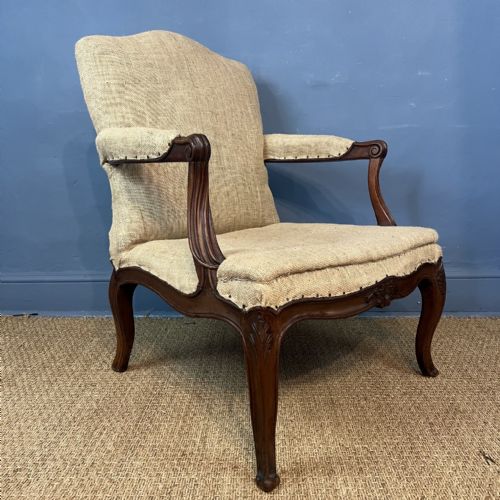
The pieces appearing here are predominantly mahogany-framed armchairs dating from the George II and George III eras, alongside later 19th century interpretations. You will find single armchairs as well as matched pairs and sets originating from English workshops.
Makers of the period constructed these seats to accommodate the voluminous attire of the era while maintaining a dignified silhouette suitable for fine interiors. They serve equally well today as desk chairs or occasional seating in a study.
How they were made
Makers constructed the structural frames of these armchairs using solid mahogany, prized for its strength and rich grain. Carved details such as fretted or fluted leg supports demonstrate the cabinetmaker's skill in shaping dense timber.
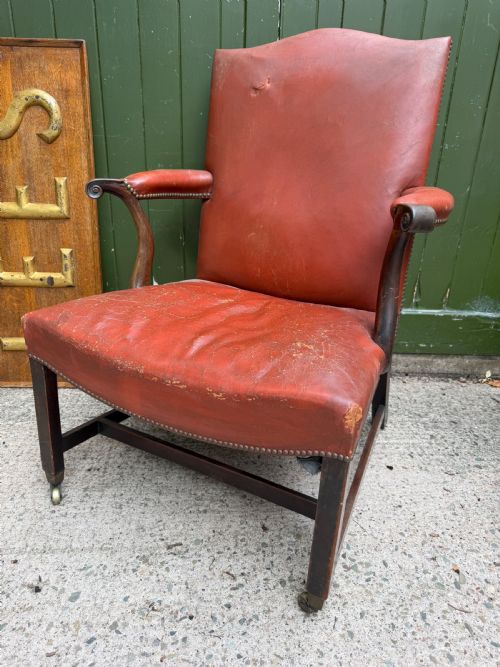
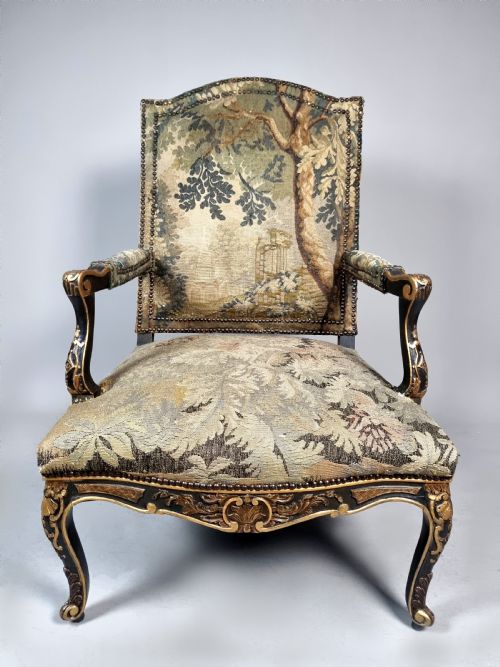
Traditional upholstery techniques involved webbing, stuffing, and stitching layers of material directly to the frame before applying the final cover. Leather, damask, tapestry fabric, and velvet were secured using rows of brass tacks along the borders.
Named after a painter rather than a cabinetmaker, these chairs owe their moniker to artists immortalising them on canvas.
What varies in quality
The distinction between ordinary and superior examples lies in the crispness of the timber carving and the proportions of the frame. Finer chairs exhibit carefully balanced curves in the arm supports and refined detailing on the cabriole or straight legs.
Originality of the frame construction and the retention of early upholstery methods heavily influence the standing of a piece. Chairs that retain their structural integrity without extensive timber replacement command greater appreciation among collectors.
The 18th Century Gainsborough Chair Glossary
- Gainsborough chair
- A modern term applied to an 18th century upholstered armchair with open sides. The name derives from the painter Thomas Gainsborough, who depicted sitters in similar seating.
- George III
- The period of British history spanning from 1760 to 1820, encompassing neoclassical and Chippendale design influences. Furniture from this era often displays lighter proportions and refined carving.
- Cabriole leg
- A furniture leg that curves out and then in, resembling the leg of an animal. This form appears frequently on mid 18th century seating.
- Damask upholstery
- A reversible figured fabric traditionally woven from silk, wool, or linen. It frequently appears on period chairs as a decorative textile.
- Brass tacks
- Small decorative metal fasteners used to secure upholstery edges to the wooden frame. They provide a neat perimeter finish to leather and fabric coverings.
18th Century Gainsborough Chair: Frequently Asked Questions
What is a gainsborough chair?
A gainsborough chair is an 18th century open-armed armchair designed with an upholstered back and seat for library use. The style emerged during the Georgian period.
These seats were intended for reading and writing at a desk, offering wider proportions than standard dining chairs.
Were these chairs used at desks?
Cabinetmakers built these armchairs specifically for libraries, studies, and writing tables. The open arms allowed sitters to manoeuvre easily while wearing period clothing.
Today they function effectively as desk chairs or accent seating in traditional rooms.
How do I spot a George III chair?
George III pieces date from the second half of the 18th century and often feature straight moulded legs or refined carving. Mahogany remained the primary timber of choice during this era.
Proportions became slightly lighter compared to the heavier styles of the preceding George II reign.
What fabrics cover these chairs?
Surviving examples feature a range of historical textiles including red leather, damask, velvet, and tapestry fabric. Many chairs have been reupholstered in period-appropriate materials over the centuries.
Brass tacks typically secure these outer textiles to the structural frame.