


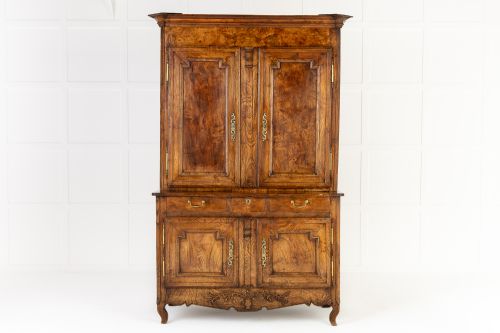


18th Century French Sideboard
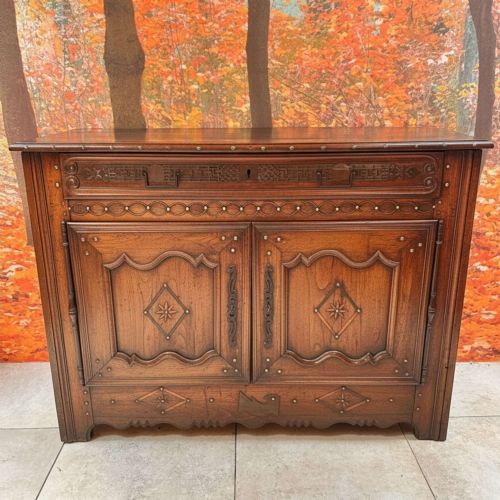
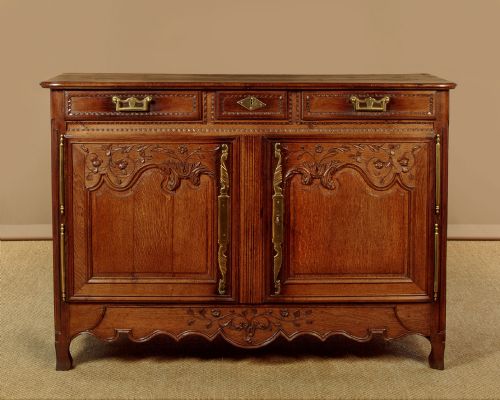
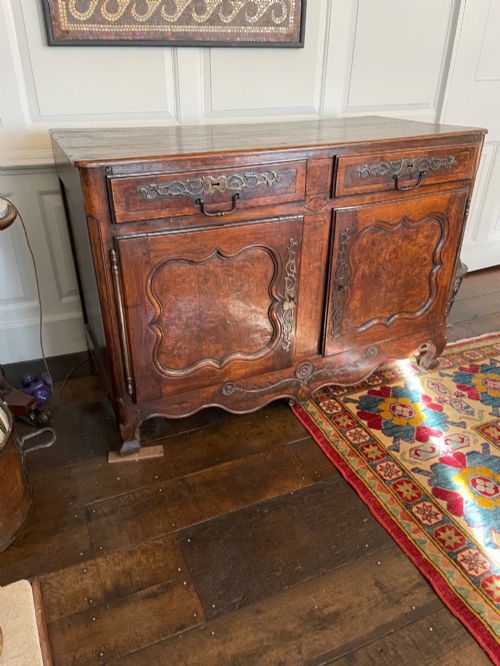
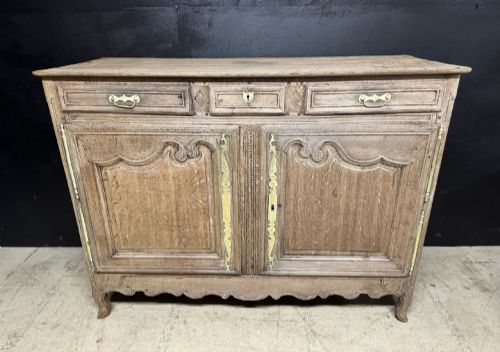
An 18th century french sideboard brings substantial timber construction and period character into a dining space.
18th Century French Sideboard
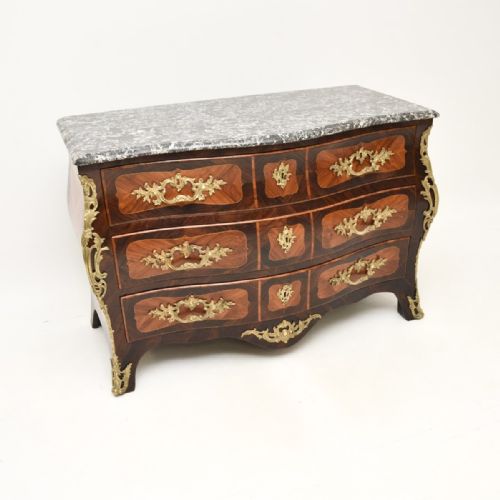
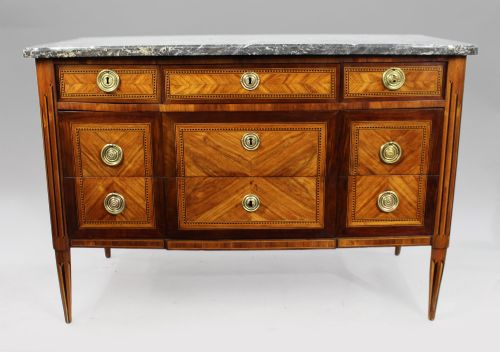
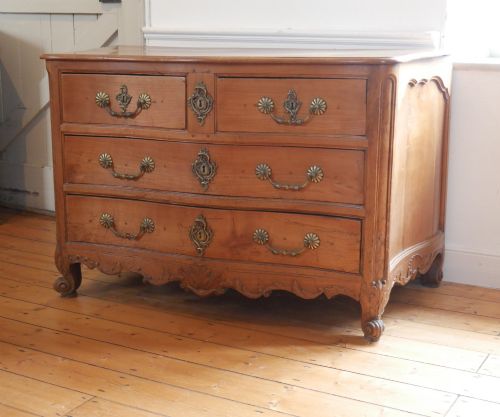
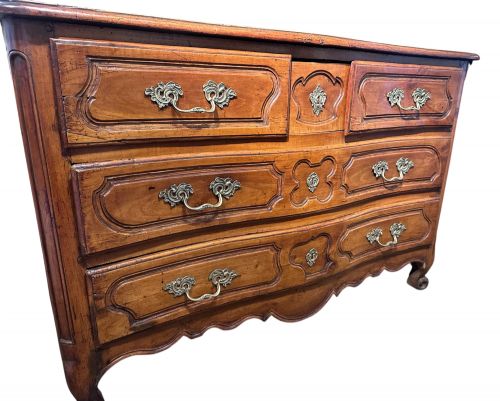
When buyers search for an 18th century french sideboard, they encounter a diverse group of large storage pieces including buffets, enfilades, and commodes. These items served dining rooms, kitchens, and halls across different provinces of France during the eighteenth and nineteenth centuries.
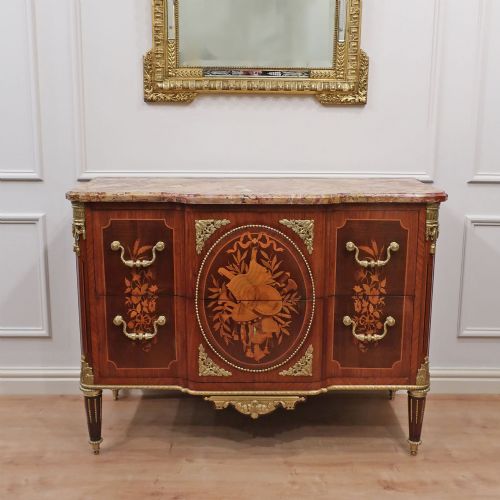
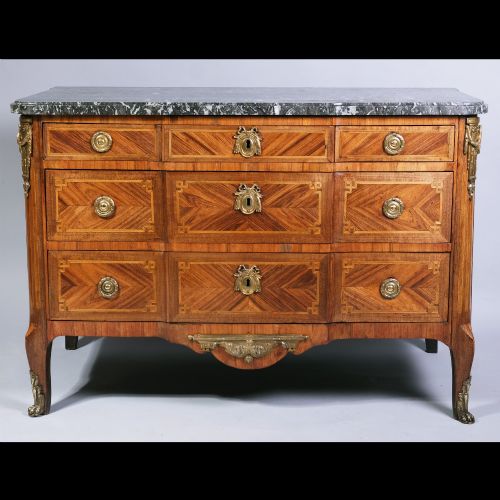
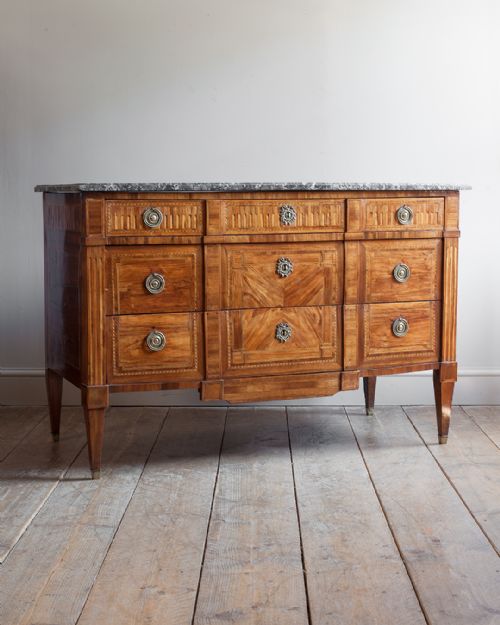
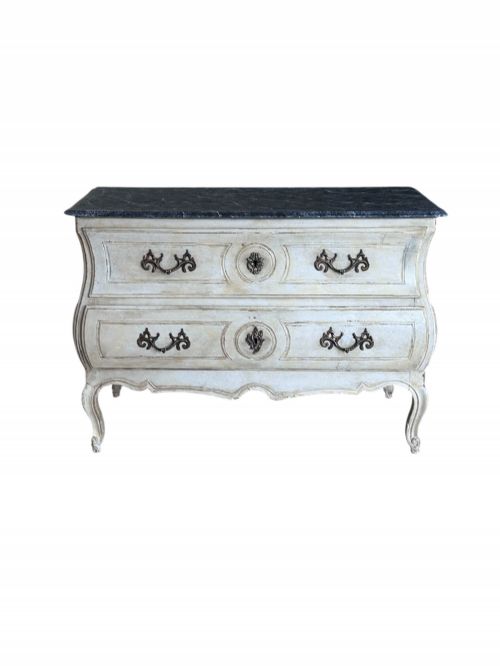
The selection ranges from low oak sacristy cabinets and walnut sideboards to grand cherrywood buffets deux corps and marquetry commodes. Walnut and cherrywood predominate in provincial examples, while kingwood and fruitwood appear alongside marble tops in more formal pieces.
Pieces span various regional styles such as French Provincial, Louis XV, Louis XVI, and Régence. This variety allows collectors to choose between rustic charm and refined neoclassical symmetry depending on their interior space.
Factors that separate examples
Quality rests upon the selection of timber, the crispness of hand carving, and the integrity of the original construction. Superior pieces retain their original marble slabs, mountings, and surface patination without excessive timber replacement.
The sophistication of the joinery and the precision of parquetry or marquetry inlay distinguish provincial utility work from high workshop production. Original hardware and undisturbed interior timber surfaces further elevate the standing of a piece.
18th Century French Sideboard Retail Price Guide 2026
Typical asking prices for 18th century french sideboard among the pieces listed under this phrase on Sellingantiques today, from the lower quarter to the upper quarter. They describe what is for sale here now, not the wider market.
Listings feature walnut, oak, cherrywood, and kingwood timbers alongside marble tops and ormolu mounts across the eighteenth and nineteenth centuries.
Jacques Bircklé
The 18th Century French Sideboard Glossary
- Commode
- A low chest of drawers or sideboard standing on legs, popular in eighteenth century France for formal rooms.
- Enfilade
- A long sideboard or buffet featuring a series of doors, designed for serving food and storing dining linen.
- Buffet deux corps
- A tall two-part cupboard consisting of a lower sideboard base surmounted by an upper cabinet section.
- Ormolu
- Gilt bronze mounts applied to furniture for decorative effect during the Louis periods.
- Parquetry
- Geometric wood inlay patterns applied to the surface of furniture carcasses.
18th Century French Sideboard: Frequently Asked Questions
What is an enfilade?
An enfilade is a long sideboard featuring multiple doors along the front, traditionally used in large dining rooms for serving food.
These elongated cabinets offer extensive interior storage while providing a wide top surface for display.
How do I tell Louis XV from Louis XVI?
Louis XV pieces display curved serpentine lines, cabriole legs, and asymmetrical rococo carving. The style reflects organic fluidity.
Louis XVI furniture introduces straight tapering legs, geometric parquetry, and neoclassical symmetry inspired by classical antiquity.
Where were these pieces used?
These sideboards and buffets served in dining rooms, kitchens, hallways, and living spaces for storing tableware and provisions.
Grand buffets deux corps stood in principal rooms, whereas low sacristy cabinets functioned in domestic service areas.
Are marble tops original?
Many commodes and sideboards feature fitted marble slabs that functioned as durable, heat resistant surfaces for serving food.
Original marble tops match the exact contours of the wooden carcass and show appropriate period wear and patination.