
18th Century French Dresser
An 18th century french dresser brings robust regional character and deep historical timber into a room.
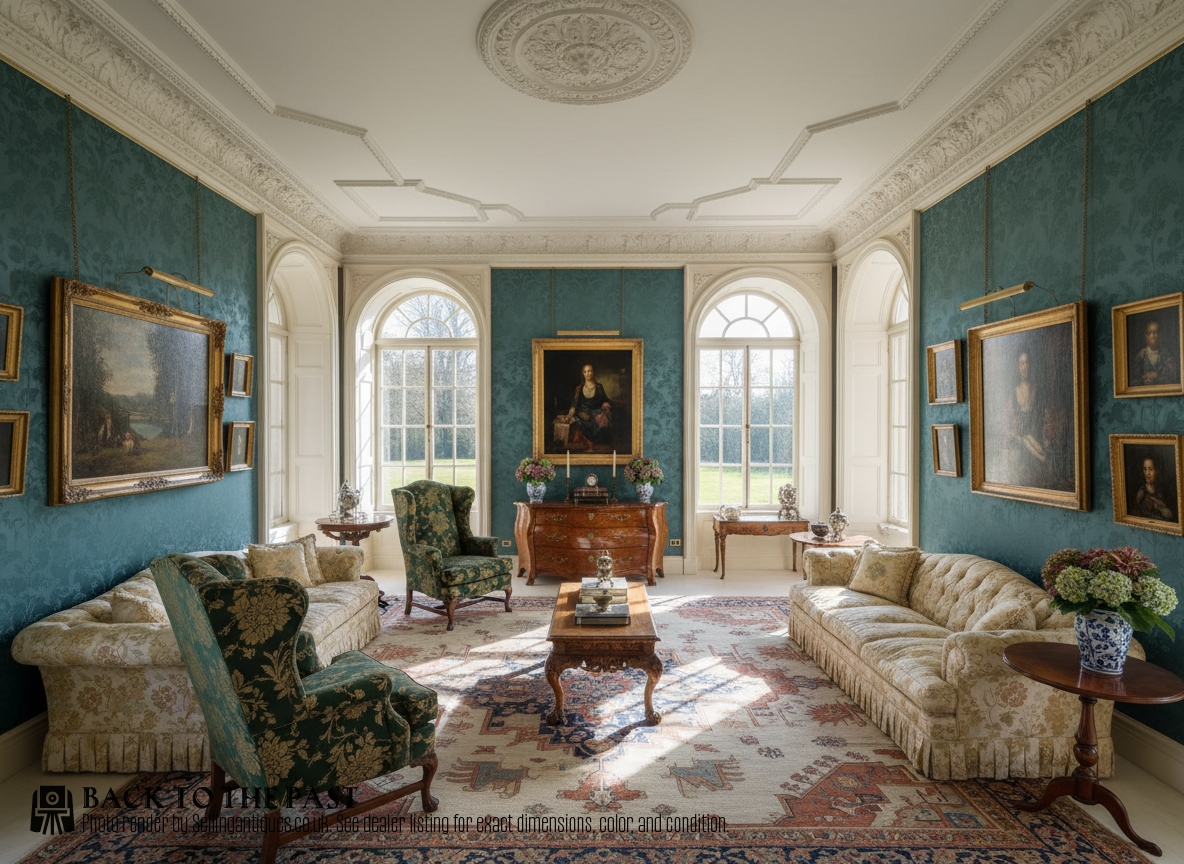
18th Century French Dresser
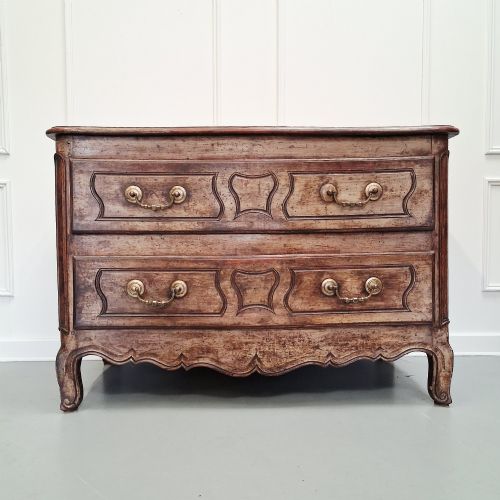
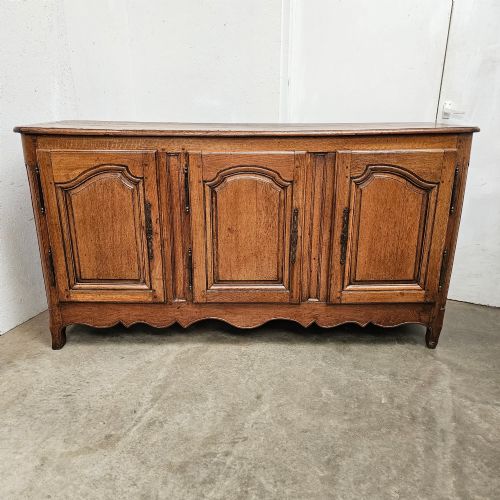
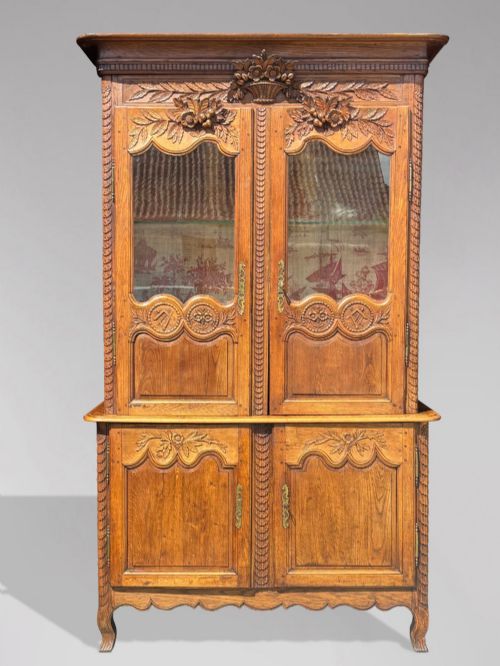
An 18th century french dresser encompasses sturdy oak sideboards, tall buffet deux corps cabinets, and sophisticated walnut or cherrywood commodes. These pieces served practical domestic storage roles in provincial homes and urban townhouses alike during the 1700s.
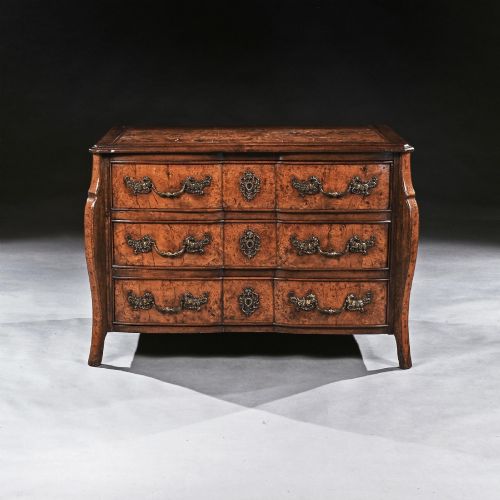
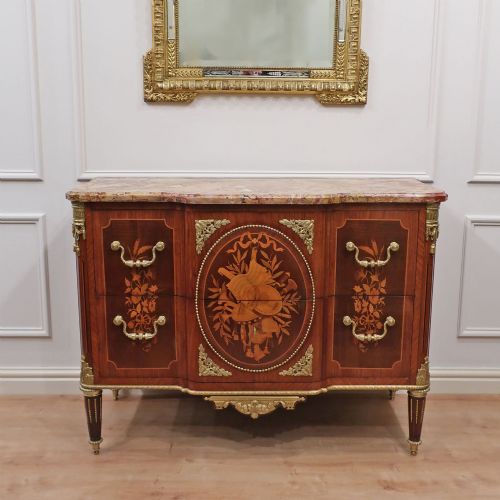
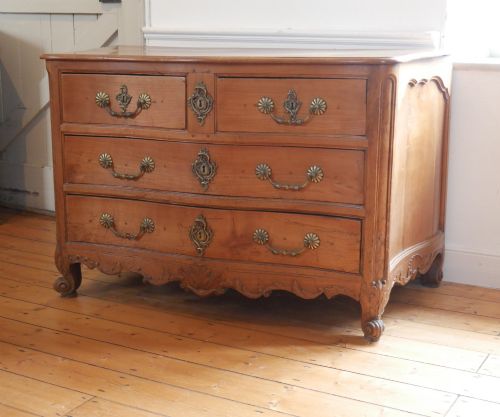
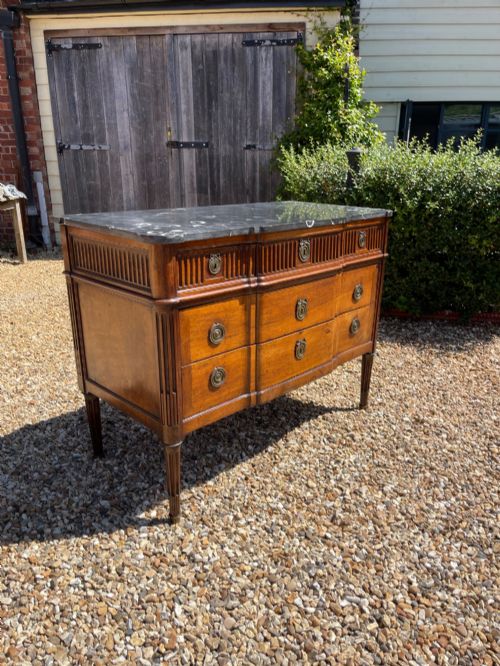
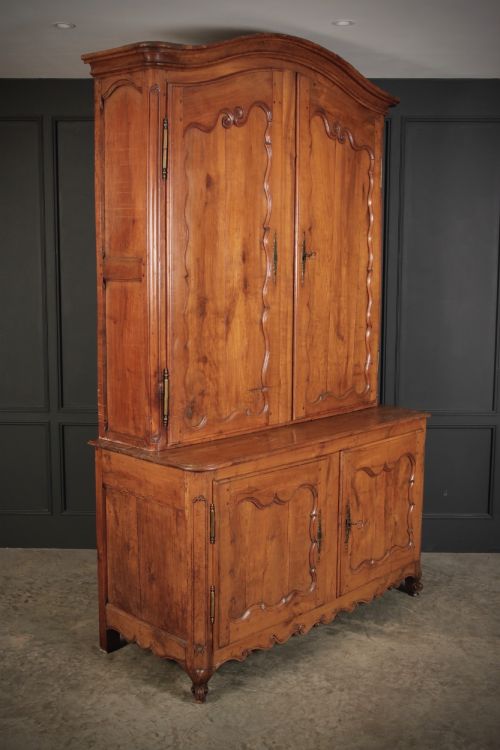
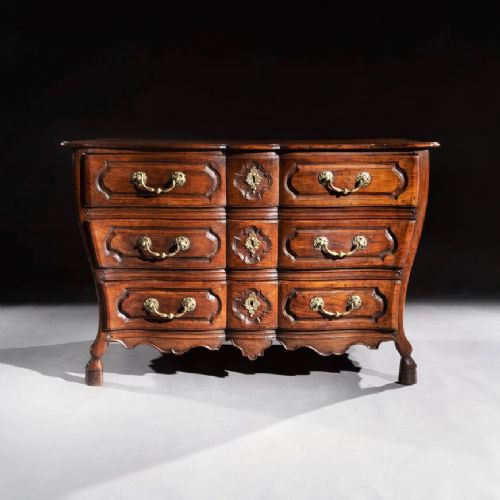
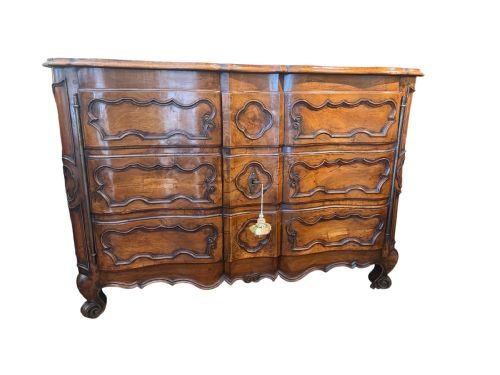
The regional examples frequently seen on this page display the practical joinery of French provincial workshops, often shaped with serpentine fronts or bombe profiles. Walnut, oak, and cherrywood dominate the surviving forms, reflecting the local timber available to cabinetmakers of the period.
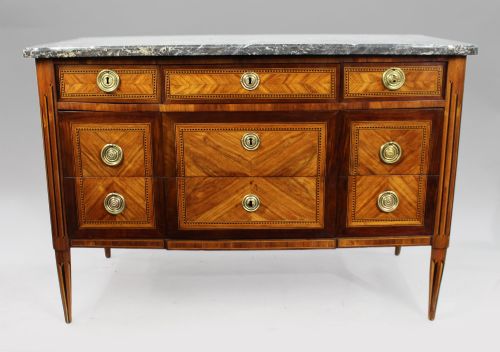
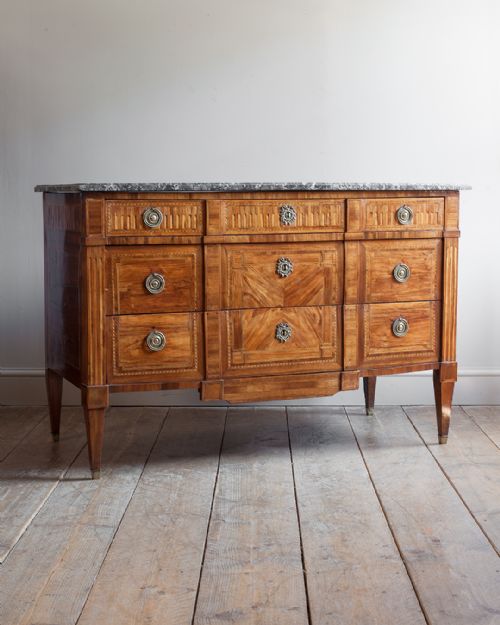
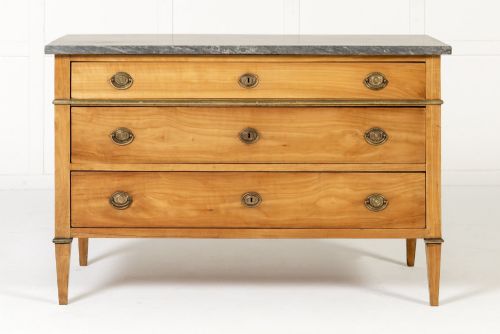
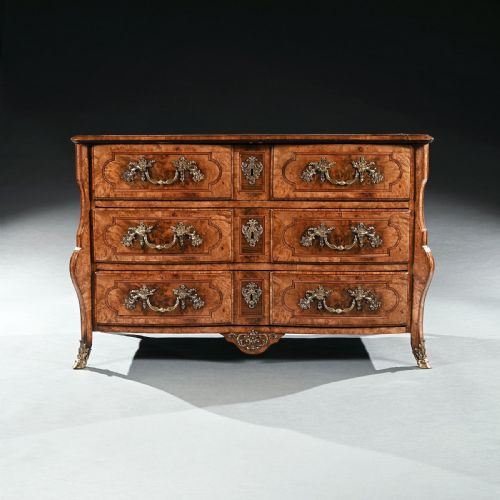
Buyers encounter everything from simple oak buffet bases to intricate marquetry and parquetry commodes fitted with marble tops. These variations highlight the broad spectrum of domestic and formal furniture produced across different regions of France during the eighteenth century.
How they were made
Cabinetmakers utilised solid regional hardwoods such as oak, walnut, cherrywood, and chestnut, frequently framing panels with pegged joinery. Drawer construction relies on hand-cut dovetails, while carcases often incorporate substantial secondary timbers to support heavy marble slabs.
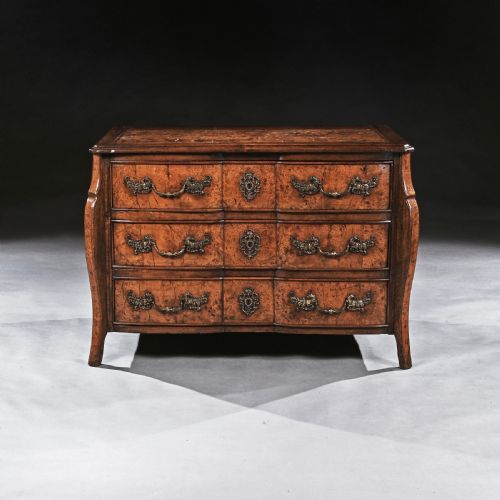
Surface decoration ranges from restrained plain wood polishes to elaborate parquetry and marquetry in kingwood, rosewood, and burr elm veneers. Brass handles, escutcheons, and mounts provide functional hardware that punctuates the darker tones of the wood.
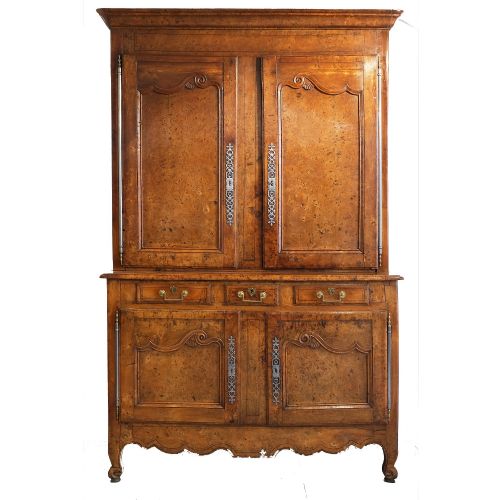
Provincial pieces reveal hand-carved floral motifs and moulded panels particular to local traditions in regions such as Normandy or Provence. Ebonised finishes and shaped bombe contours required precise shaping of the solid timber base before polishing.
Listings combine 18th century French pieces in oak, walnut, cherrywood, and ash, alongside contrasting parquetry veneers like kingwood and rosewood.
What varies in quality
The grade of timber selection and the complexity of the veneer work dictate the standing of an individual piece. Highly figured burr elm, kingwood, or matched walnut veneers reflect more ambitious workshops than standard regional oak or cherrywood.
The crispness of hand-carved mouldings and the integration of original marble tops separate standard provincial items from exceptional metropolitan commissions. Superior execution shows in the fluidity of serpentine and bombe curves, alongside the harmonious grain alignment across drawer fronts.
Thomas Hache of Grenoble
The 18th Century French Dresser Glossary
- Buffet deux corps
- A large two-tier storage cabinet consisting of a lower sideboard base beneath an upper shelved cupboard section. These monumental pieces formed the storage heart of large provincial dining rooms.
- Bombe
- A swelling, outwardly curved contour found on the front and sides of furniture carcases. This rounded profile requires considerable woodworking skill to construct from solid timber or thick veneers.
- Parquetry
- Geometric patterns assembled from small pieces of contrasting wood veneer. It creates a tiled decorative surface across drawer fronts and tabletops.
- Enfilade
- A long sideboard or buffet designed to stand against a dining room wall for serving food and storing tableware. The form provides extensive surface area above multiple cabinet doors and drawers.
18th Century French Dresser: Frequently Asked Questions
What is a buffet deux corps?
A buffet deux corps is a large two-piece storage unit featuring a substantial lower cupboard base supporting a matching upper cabinet. These tall pieces were traditionally used in French homes to store table linen, provisions, and ceramics.
They offer immense storage capacity while displaying the characteristic mouldings and regional timber of eighteenth-century cabinetmaking.
Where were these dressers made?
These pieces originated across various regions of France, ranging from Parisian workshops to provincial areas like Normandy, Provence, and Grenoble. Local cabinetmakers utilised the specific hardwoods native to their surroundings, such as oak, cherrywood, and walnut.
Regional differences appear in the carving styles, hardware choices, and overall proportions of the furniture.
How do I care for marble tops?
Marble tops require gentle cleaning with mild, non-acidic soap and water to preserve the polished surface. Avoid placing citrus fruit, wine, or vinegar directly on the stone, as acid etching can permanently dull the finish.
Regular dusting with a soft cloth keeps the stone clean without risking scratches to the antique surface.