




18th Century French Clock
An 18th century french clock brings magnificent gilt bronze and intricate marble into a room, offering both historical weight and mechanical precision.
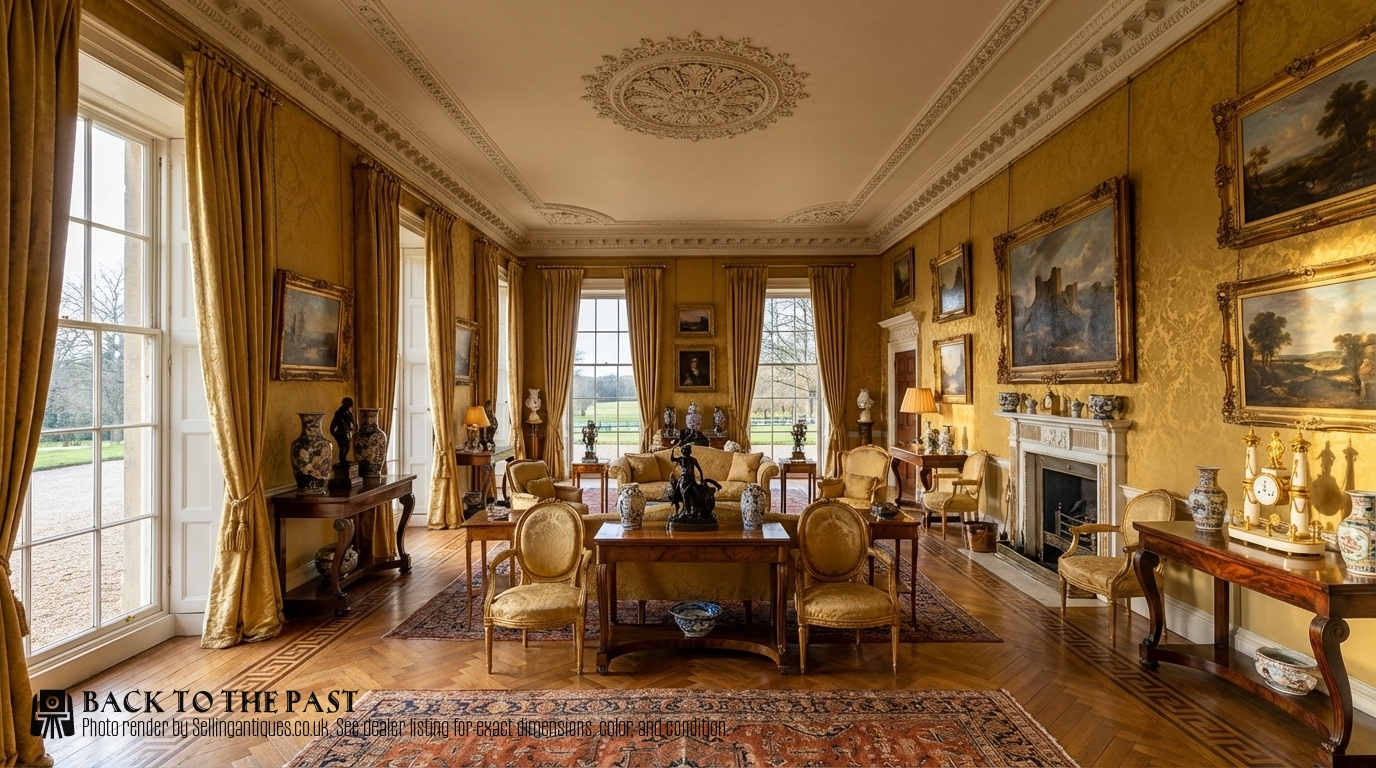
18th Century French Clock
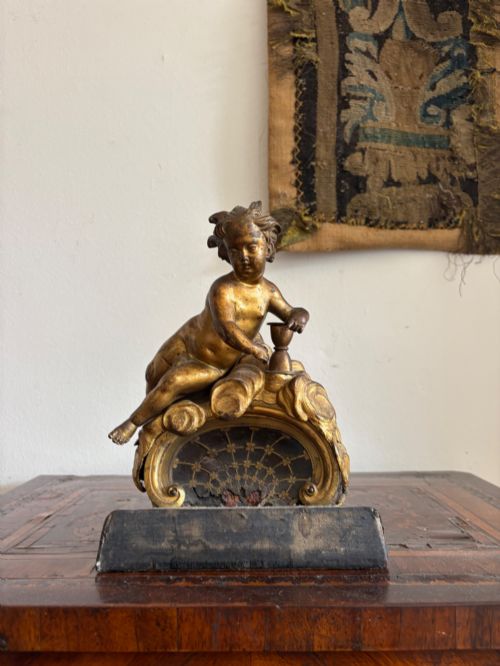
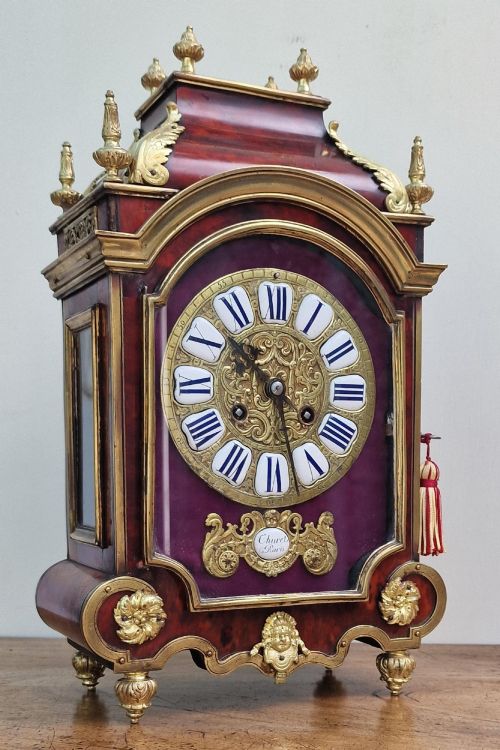
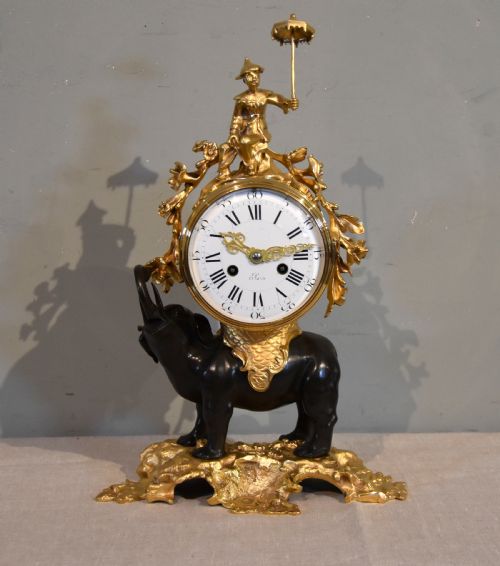
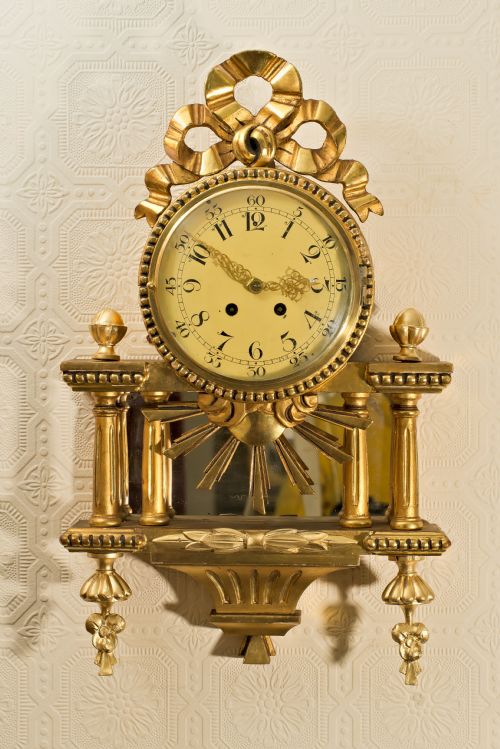
When searching for an 18th century french clock, you encounter ornate mantel timepieces, wall-hanging cartel clocks, and architectural portico models spanning the Louis XIV, Louis XV, and Louis XVI styles. These horological pieces combine sculptural presence with functional timekeeping, often incorporating mythological figures, putto finials, or delicate enamel dials.
Craftsmanship and Materials
The construction relies heavily on cast bronze subjected to mercury gilding to produce ormolu surfaces that retain their warm metallic lustre over centuries. Artisans combined these gilt mounts with white marble bases, brass movements, and enamel chapter rings carrying Roman or Arabic numerals.
Cabinetmakers and bronze-workers utilised specialised joinery and chiselling techniques to fit tortoiseshell, giltwood, and glass components into complex rococo or neoclassical silhouettes. Intricate mechanical gear trains were housed within these heavy metallic and wooden housings to drive striking mechanisms and calendar functions.
18th Century French Clock Retail Price Guide 2026
Typical asking prices for 18th century french clock among the pieces listed under this phrase on Sellingantiques today, from the lower quarter to the upper quarter. They describe what is for sale here now, not the wider market.
An eighteenth-century ormolu windmill clock populated by Meissen harlequin and columbine figures turns timekeeping into a theatrical stage performance.
Judging Quality
The distinction between tiers rests upon the crispness of the bronze chasing and the architectural harmony of the overall composition. Superior pieces display deep, hand-chiselled detail in the ormolu mounts rather than soft, mass-produced surface textures.
Another factor is the integration of the movement with the case, where signed dials by recorded makers and original matching components elevate the horological importance significantly above standard anonymous workshop output.
Thuret Paris·Louis Goret·Wetterstrands·Sacre·William Webster·Ferdinand Berthoud·Baillon·Vandercruse
The 18th Century French Clock Glossary
- Ormolu
- Gilded bronze produced through a mercury amalgamation process. This technique gives the metal a deep, enduring golden sheen characteristic of period decorative mounts.
- Cartel clock
- A wall clock housed in an ornamental frame made of giltwood, bronze, or brass. These wall-mounted pieces often feature asymmetrical rococo scrolls or neoclassical garlands.
- Portico clock
- A freestanding clock featuring a pillared architectural structure resembling a classical temple. The pendulum typically swings visibly between the supporting marble columns.
- Capucine
- A type of portable brass alarm clock fitted with a carrying handle and striking mechanism. Originating in France, these domestic timepieces often sat on brackets or tables.
18th Century French Clock: Frequently Asked Questions
Where were these clocks placed originally?
These timepieces occupied prominent positions within elite European drawing rooms, salons, and bedchambers. Mantel models stood upon fireplaces while cartel clocks hung directly on panelled walls.
Larger portico and architectural examples served as central focal points on heavy furniture pieces, demonstrating both wealth and a mastery of contemporary interior decoration.
How do I identify a Louis XVI style clock?
Louis XVI pieces rely upon strict symmetry, straight architectural lines, and classical motifs such as urns, fluted columns, and laurel wreaths. White marble paired with restrained ormolu mounts is typical.
This contrasts sharply with the earlier asymmetrical curves and exuberant natural forms seen in preceding rococo designs.
What maintenance do old movements require?
Period movements need periodic cleaning and oiling by a specialist horologist experienced in antique brass gear trains and suspension springs. Proper lubrication prevents excessive wear on the historic metal components.
Careful handling during placement ensures the delicate pendulum and escapement remain correctly aligned for accurate timekeeping.