


18th Century European Art
These pieces of 18th century european art bring oil paintings, carved statues, and needlework tapestries into a room.
18th Century European Art
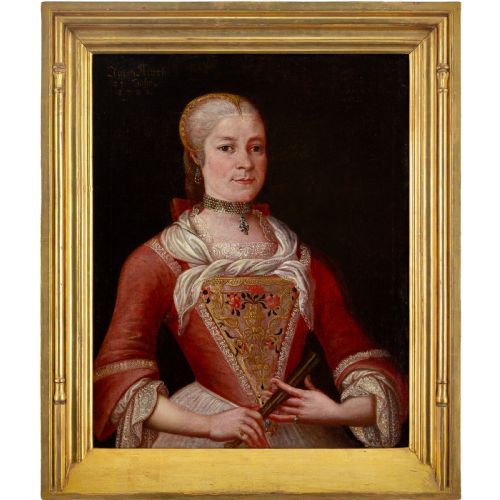
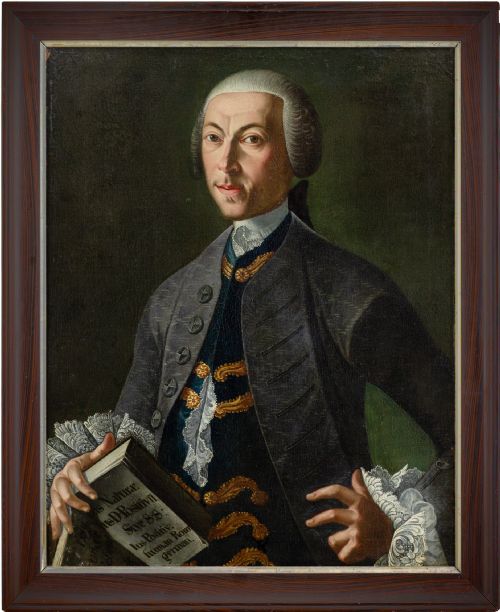
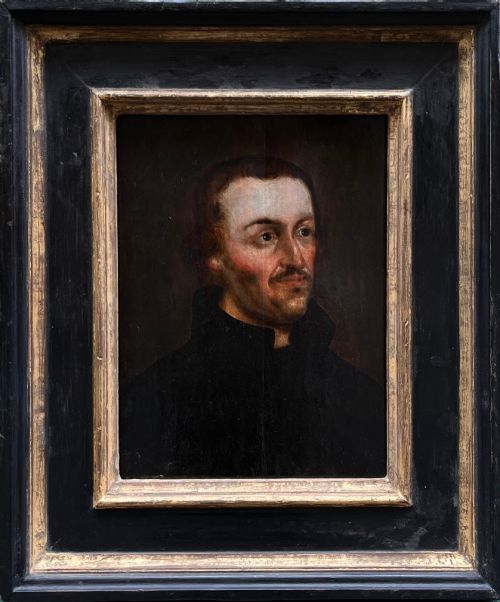
When searching for 18th century european art, collectors encounter a varied selection spanning oil paintings on canvas and oak panels, framed drawings, and textiles. The paintings frequently portray portraits of ladies, gentlemen, aristocrats, and religious figures from regional schools such as Bavarian, German, Austrian, and Dutch.
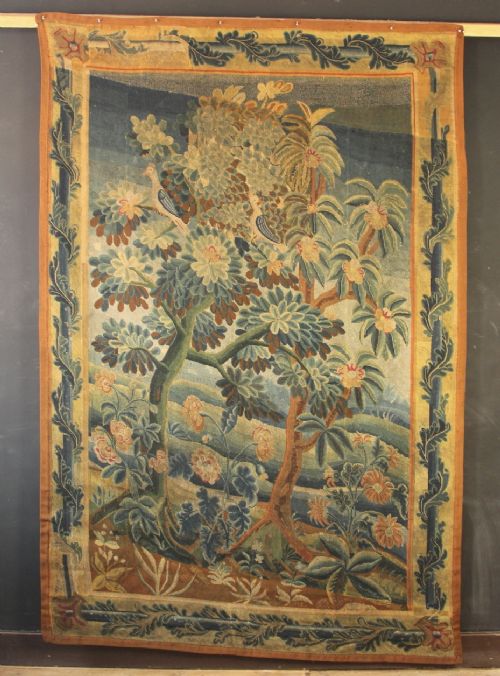
Beyond flat works, the category comprises carved religious statues, folk art figures, needlework tapestries, and silk embroideries. Objects range from large wall art and needlework panels to smaller items like painted glass bottles, slipware jars, and stag horn love spoons.
Pieces carry origins across Europe, including France, Italy, Croatia, and China, reflecting regional aesthetics and local materials. This mix provides a broad view of period craftsmanship, from formal portraits of nobility to naive panels and folk carvings.
Materials and construction methods
Makers utilised oil paint on canvas and wood panels, sometimes incorporating pigment on pine or oak. Frames often consist of gilded wood or simple wood surrounds to house the paintings and drawings.
Textiles involve silk, wool, and metal thread embroidery, alongside large needlework tapestries. Sculptural works employ carved wood for life-size figures and statues, while ceramics utilise slipware and enamel.
Materials in these listings include oil on canvas, glass, pine, silk, gilded wood, and stag horn.
Factors determining quality
Materials and framing also distinguish pieces, with hand-carved wooden frames, intricate silk and metal thread embroidery, and well-preserved canvas condition marking out superior examples.
Jan Evert Morel·Johan Horner
The 18th Century European Art Glossary
- Pentimento
- A visible trace of earlier painting beneath the layers of paint, showing where the artist changed their composition. This alteration helps confirm the age and authenticity of an oil painting.
- Slipware
- Pottery decorated with a liquid clay slip applied to the clay body before firing. It appears on utilitarian vessels like jars.
- Folk art
- Art produced by self-trained makers using traditional methods. These pieces often display a naive style rather than formal academic training.
- Needlework tapestry
- Textiles worked with wool or silk threads on a canvas ground to form pictorial scenes. They served as wall hangings and furnishings in period interiors.
- Still life
- A painting featuring inanimate subject matter, such as flowers or fruit. In this period, panels often focus on botanical arrangements.
18th Century European Art: Frequently Asked Questions
What subjects appear in these paintings?
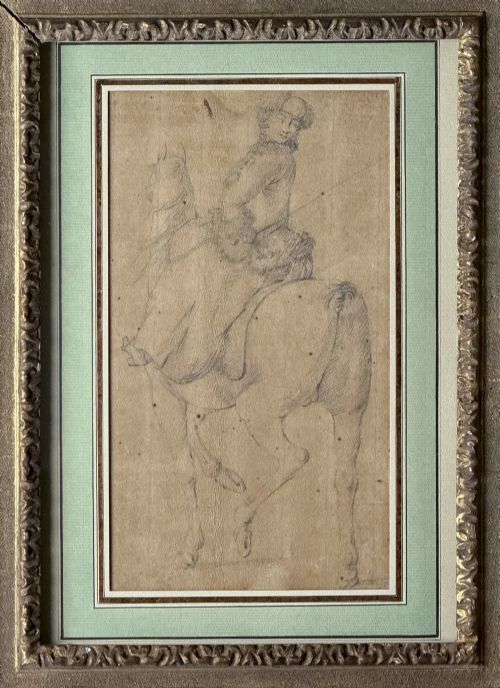
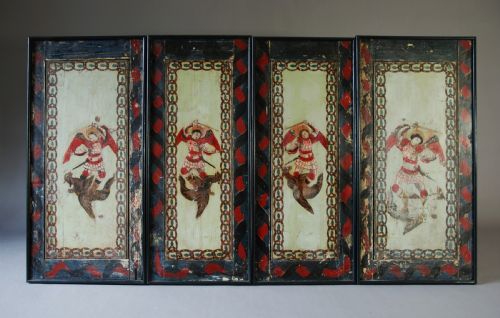
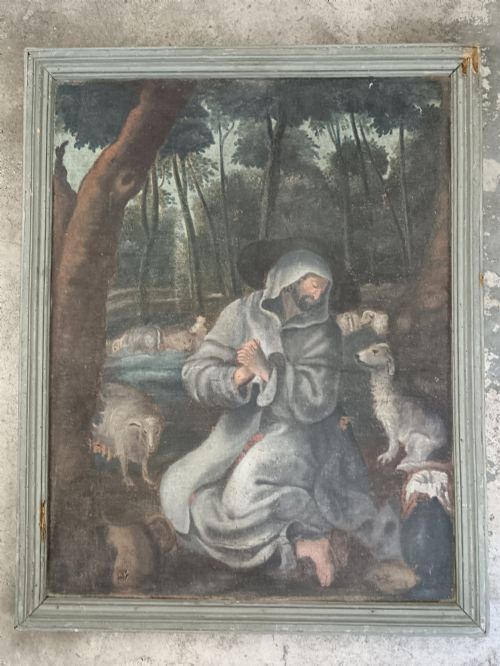
Portraits dominate the selection, depicting ladies, gentlemen, officers, and aristocrats alongside religious figures like St Michael and St Francis. Flower still life compositions and equestrian studies also occur.
Artists from regional schools painted these subjects on canvas, oak panels, and pine boards, recording the likenesses and floral arrangements of the era.
How were textiles used?
Needlework tapestries and silk embroideries functioned as wall art and interior decoration. Large tapestries provided insulation and decoration for rooms.
Smaller silk and metal thread embroideries were framed as decorative pictures for domestic display.
What materials make up the sculptures?
Carved wood forms the primary material for statues of saints, religious figures, and folk art objects. Craftsmen shaped oak and other timbers into life-size representations and smaller devotional pieces.
Surfaces often retain original painted finishes or pigment layers applied over the wood.
How do regional styles differ?
Bavarian, German, Austrian, and Dutch schools each demonstrate distinct approaches to portraiture and still life. Northern European and Italian pieces show varying techniques in oil and drawing.
Materials also shift by region, from Dutch oak panels to Alpine wood carvings and Chinese export wares.