




Dark Tone Male Portrait
A dark tone male portrait brings severe, atmospheric dignity to a room through deep shadows and focused character.
Dark Tone Male Portrait
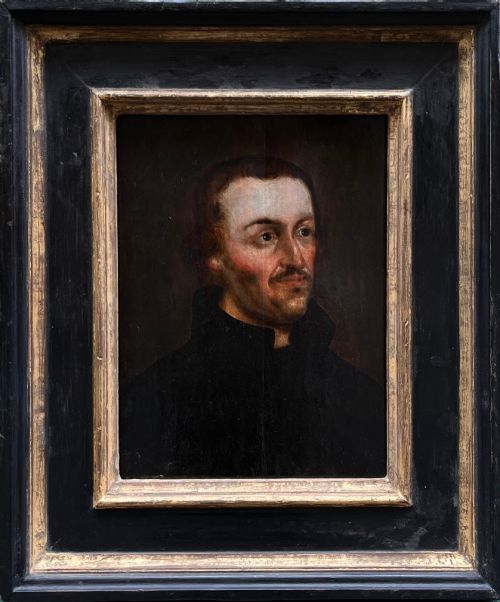
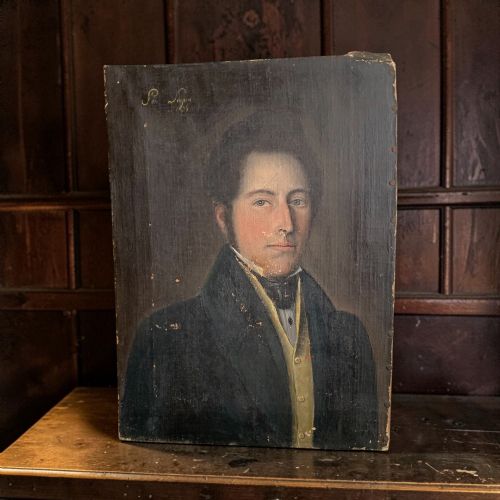
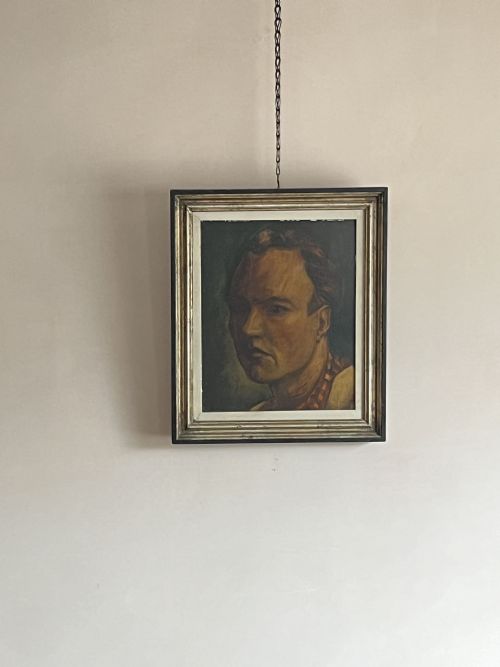
A dark tone male portrait presents a gentleman, scholar, or merchant emerging from deep shadows, rendered across centuries of painting traditions. These works range from seventeenth-century European school pieces to nineteenth-century French and Anglo-Chinese canvases.
The pieces on this page lean heavily into nineteenth-century realism and earlier European styles, capturing sitters with serious expressions and subdued lighting. Subjects include known literary figures, merchants, and gentlemen, often framed in ebonised wood or giltwood.
Collectors seek out these artworks for their moody palettes and psychological depth, which anchor a study or library. The predominant forms are oil paintings on canvas and wood panels spanning the seventeenth to the twentieth centuries.
Materials and construction
These works rely on oil paint applied to canvas or wood panels, building rich, sombre depths through layered glazes. Painters utilised dark grounds to establish immediate atmosphere, drawing out the sitter's face and hands with targeted highlights.
Frames play a crucial role in the presentation of these paintings, utilising giltwood, gilt wood, and ebonised wood to complement the dark palettes. The physical support typically consists of stretched canvas or sturdy wood boards suited to centuries of preservation.
Several gentlemen stare out across the centuries holding elaborate ivory staffs or sporting remarkably intense blue eyes.
Assessing quality and presence
Quality in a dark tone male portrait rests on the handling of light against shadow and the psychological conviction of the sitter. Superior examples command attention through confident brushwork and anatomical precision, even within a restrained palette.
The harmony between the painting and its original or period frame - whether ebonised wood or giltwood - greatly influences the visual weight of the piece. Lesser works falter where muddy tones obscure form rather than build atmospheric tension.
Roberto Venturi·John Phillip·Abraham Van Blyenberch·George Hayter·Frank Samuel Eastman
The Dark Tone Male Portrait Glossary
- Oil on canvas
- A painting medium where pigments bound in oil are applied to a woven fabric support. This combination allows for smooth blending of deep shadows and luminous highlights.
- Ebonised wood
- Timber treated to resemble ebony, frequently used for dark, austere frames. It provides a sharp, sombre border that enhances the moody quality of early portraits.
- Giltwood
- Wood carved and covered with a thin layer of gold leaf. It offers a reflective contrast against the dark background of a moody interior.
- European School
- A term used when a specific artist remains unknown but the regional training is evident. It groups together continental European works of a shared period.
Dark Tone Male Portrait: Frequently Asked Questions
How do I hang a dark portrait?
Position the piece on a richly coloured or neutral wall where directed lighting can pull the subject out of the shadows. Avoid placing the canvas in direct sunlight to protect the aged oil pigments.
Pair the artwork with traditional wood furniture or subdued interior tones to complement the heavy atmosphere of the painting. Ensure the hanging height places the sitter's eyes at natural viewing level.
Are these portraits of real people?
Many depict identified historical figures, merchants, playwrights, or noblemen, while others record anonymous gentlemen of their era. Inscriptions or biographical details often accompany works portraying notable individuals.
Unidentified sitters remain compelling through their anonymous connection to past centuries. The focus rests on the artistic execution and character capture rather than pedigree alone.
How do I date an old oil painting?
Examine the canvas weave, the stretcher construction, and the type of wood or priming used beneath the paint layer. Pigment analysis and style of dress also offer reliable clues to the decade of creation.
Frames frequently provide secondary evidence, though many older paintings were reframed later in their history. Look for signs of age crazing in the oil paint as an indicator of longevity.
What is an ebonised frame?
An ebonised frame is timber stained or treated to achieve a deep, glossy black finish imitating expensive ebony. This framing style gained popularity for its stark contrast against gilded elements.
In dark portraits, these frames absorb surrounding light and focus the viewer entirely inward toward the canvas. They appear frequently on seventeenth and nineteenth-century works.