



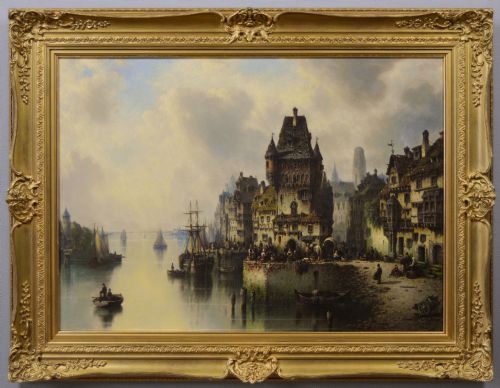


European Classical Oil Artwork
These european classical oil artwork pieces bring centuries of tradition into a room, offering rich brushwork and historical depth for the discerning collector.
European Classical Oil Artwork
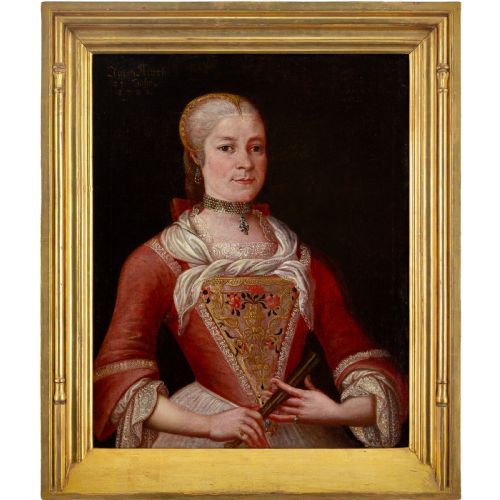
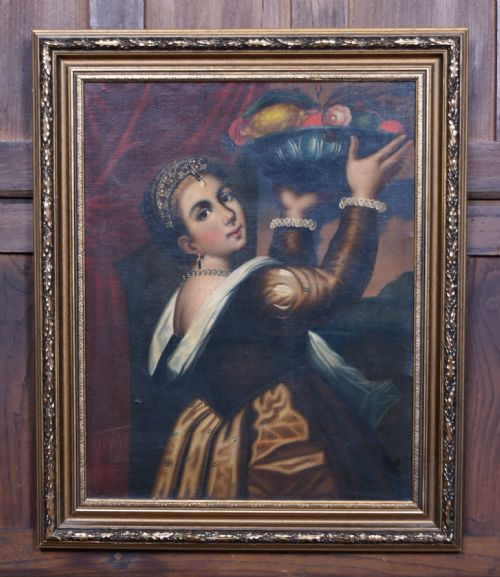
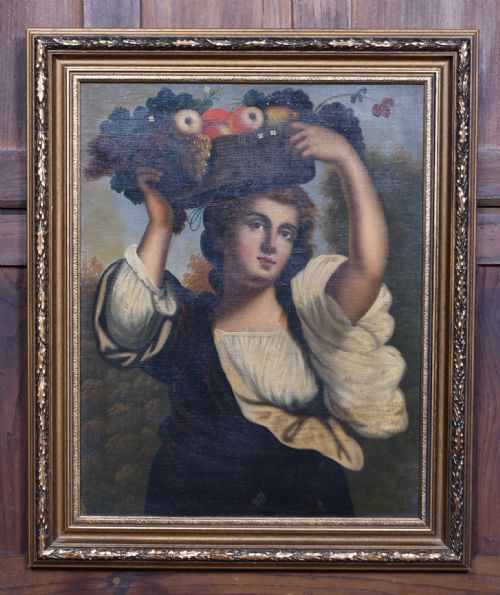
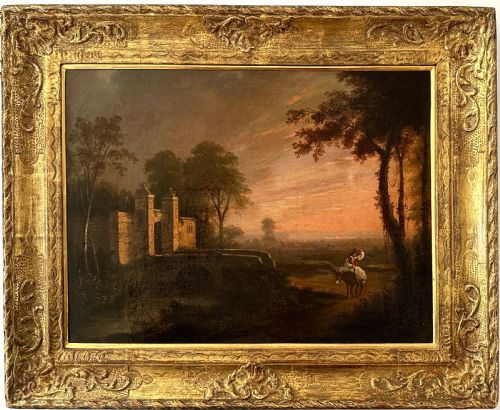
When you search for european classical oil artwork, you are looking at centuries of traditional painting practices spanning the seventeenth, eighteenth, and nineteenth centuries. These works include portraits, urban and mountain landscapes, forest scenes, still lifes, and harbour townscapes created by various European schools.
You are most likely to meet pieces originating from Dutch, Bavarian, Flemish, and Italian traditions, executed on canvas or wood panels. The subjects range from intimate character studies like portraits of ladies and young boys to expansive pastoral landscapes featuring figures and sportsmen.
The selection reflects historical periods from the Baroque era through the Georgian period up to nineteen hundred. Each piece carries the distinct regional characteristics of its school, offering a tangible connection to European artistic heritage.
Materials and methods
The foundation of these works relies on oil paint applied to prepared canvas or wooden supports. Artists utilised rich pigments to build depth, shadow, and luminosity across portraits and landscapes alike.
Many of these historical pieces are housed within their original frames, frequently constructed from wood, giltwood, and embellished with gold leaf. The combination of oil on canvas and ornate wooden surrounds defines the physical presence of these works.
Materials recorded across the selection include oil paint, canvas, wood, giltwood, and gold leaf.
Distinctions in quality
Quality reveals itself through the handling of light, shadow, and perspective by the artist. Stronger pieces display confident brushwork and anatomical or architectural precision, whether depicting a bustling harbour town or a quiet forest scene.
The preservation of the original paint surface and the integrity of the canvas or wood support separate superior examples from those with extensive intervention. Furthermore, the character and execution of the surrounding giltwood frame contribute significantly to the overall coherence of the piece.
Pieter Bout·Adriaen Frans Boudewyns·Jan Evert Morel·Henry Schouten·Karel Frans Philippeau·Ludwig Hermann
The European Classical Oil Artwork Glossary
- Oil on Canvas
- A traditional painting medium where oil-based pigments are applied to a stretched woven fabric support. This combination allows for rich blending and textured application.
- Giltwood
- Wood that has been treated and coated with a thin layer of gold leaf or gold paint. It forms the decorative border common to classical framing.
- Baroque Style
- An artistic movement from the seventeenth and early eighteenth centuries characterised by drama, deep shadow, and exuberant detail. It often appears in Flemish and Dutch school compositions.
- Genre Landscape
- A landscape painting that incorporates everyday scenes of people engaged in common activities, such as women near a vineyard or sportsmen in a river valley.
European Classical Oil Artwork: Frequently Asked Questions
What subjects do these paintings feature?
These works encompass a wide variety of subjects including pastoral landscapes, urban townscapes, forest scenes, and figurative portraits. Artists frequently captured scenes of daily life, such as busy harbours or figures near vineyards.
The regional schools, including Dutch, Italian, and Bavarian traditions, each brought distinct focal points to their canvases, ranging from dramatic mountain views to intimate floral still lifes.
How should I care for an oil painting?
Oil paintings require stable indoor environments away from direct sunlight and excessive humidity fluctuations. Keeping the canvas out of harsh ultraviolet light protects the pigments from fading over time.
Dusting should be done gently with a soft, dry brush without applying pressure to the canvas surface. Avoid using liquid cleaners or commercial sprays directly on the paint layer.
Are these works in their original frames?
Many classical oil paintings retain period frames constructed from wood and giltwood, though framing can vary considerably. Some pieces feature ornate gold leaf ornamentation that matches the era of the canvas.
Examining the construction of the frame often provides additional clues regarding the age and origin of the artwork it encloses.
How can I tell different painting schools apart?
Painting schools are typically identified by regional techniques, thematic choices, and historical context. Dutch and Flemish works often focus on meticulous landscape details and atmospheric lighting, while Italian school portraits emphasise character and expression.
Signatures, stylistic cues, and historical documentation help attribute specific works to regional traditions such as the Bavarian or European schools.