


18th Century English Painting
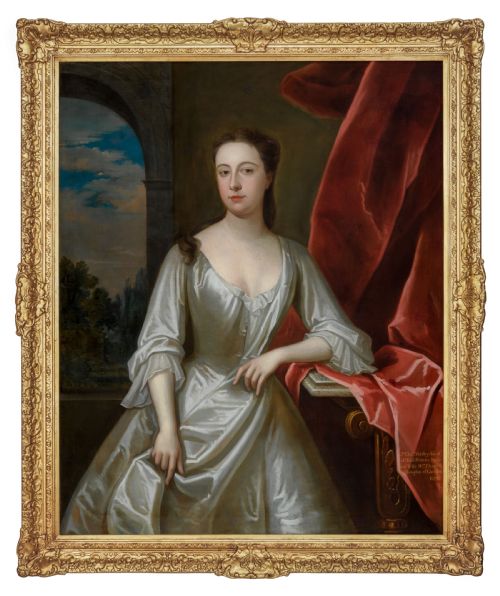
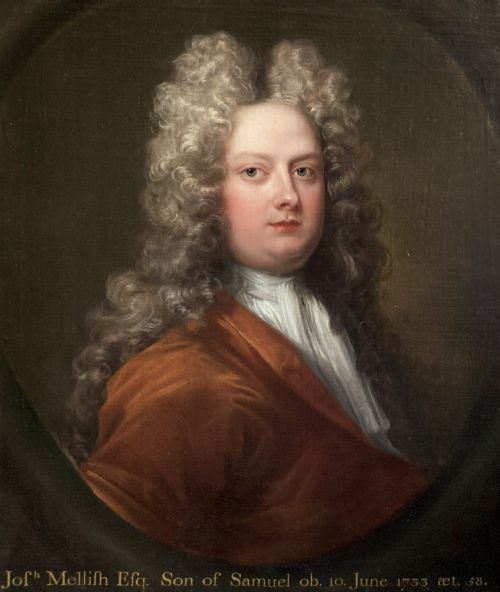
An 18th century english painting brings home the dignity of portraiture and landscape from an age of confident brushwork and oil on canvas.
18th Century English Painting
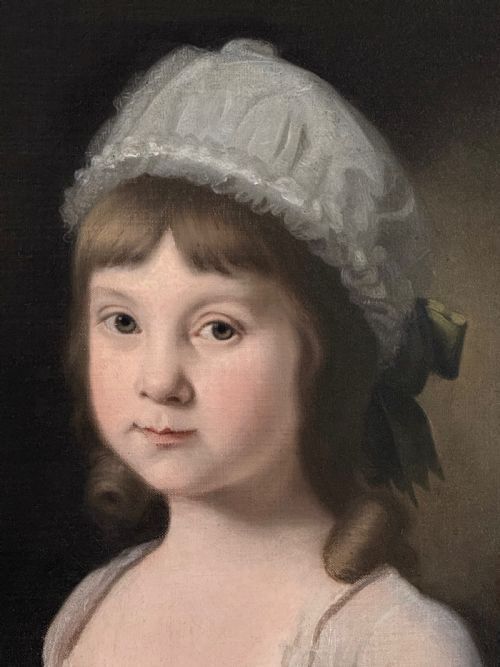
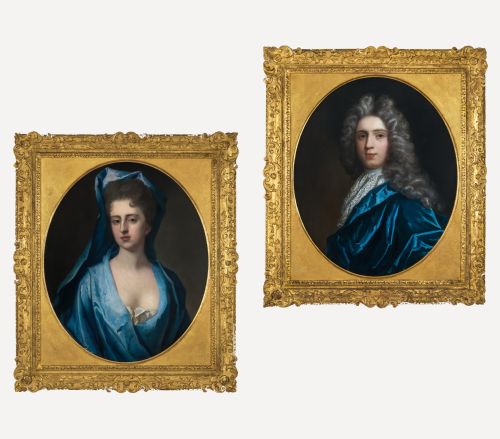
When browsing an 18th century english painting, buyers encounter oil portraits on canvas, wood panels, and delicate watercolours recording sitters from peerage and gentry. Alongside formal likenesses, regional landscapes from the Norwich School and picturesque rural scenes capture domestic topography.
The surviving works include canvases attributed to major studios and provincial portraits by anonymous hands from the English School. Sitters appear posed by marble tables, in hunting coats, or wearing tricorn hats within giltwood frames.
Most entries reflect oil on canvas, though watercolours and pastels also represent the period aesthetic. These works record the changing tastes from British Baroque through Georgian classicism.
How they were made
Painters of the period applied oil pigments to stretched woven canvas, prepared wooden panels, or heavy paper sheets. Ground layers varied in tone, influencing the luminosity of the finished portrait or landscape.
Makers framed these works in carved giltwood, incorporating gesso ornamentation that caught candlelight in period drawing rooms. Watercolourists worked with mineral pigments on paper, often protected beneath glass.
Portraits developed through progressive sittings, beginning with chalk underdrawing before building translucent glazes of oil colour for flesh tones and velvet drapery.
Several gentlemen are immortalised holding tobacco pipes, documents, or tricorn hats.
What varies in quality
The hierarchy of quality rests upon the confidence of the brushwork in rendering hands, fabric folds, and facial expression. Master works capture individual psychology, whereas workshop pieces rely on formulaic postures and standard drapery.
Original frames contribute significantly to the standing of a canvas, with deeply carved, giltwood surrounds maintaining historical integrity. Surface preservation also dictates value, distinguishing untouched original varnish from heavy modern restoration.
Signed works or documented attributions to recorded painters elevate an artwork above anonymous regional portraits from the wider English School.
Sir Godfrey Kneller·Charles Jervas·Joshua Reynolds·Michael Dahl·Thomas Murray·Thomas Beach·Benjamin Barker·John Opie·Henry Bone·George Morland
The 18th Century English Painting Glossary
- Oil on canvas
- Pigment mixed with drying oil applied to a woven fabric support. This was the primary medium for formal portraits throughout the Georgian era.
- English School
- A designation for anonymous artists working within Britain during a specific period. These painters shared technical methods without necessarily belonging to a formal academy.
- Giltwood
- Timber carved and coated with a thin layer of gold leaf over gesso. Frames of this description completed fine paintings of the Georgian period.
- Grisaille
- Monochrome painting executed in shades of grey. Artists utilised this technique for preparatory studies or to simulate sculptural reliefs.
- Pastel
- A medium consisting of powdered pigment and a binder formed into sticks. Painters used this on paper to achieve soft textures, requiring glass protection.
18th Century English Painting: Frequently Asked Questions
How do I date an eighteenth century portrait?
Dating relies primarily on the sitter's costume, wig style, and neckline fashion, which shifted rapidly across the decades. Hair powder, coat cuts, and lace cravats provide reliable chronological markers.
Stretcher construction, canvas type, and handwritten inscriptions on the reverse or frame also help establish the date of execution.
Were these paintings always framed in gold?
Giltwood frames were standard for prominent oil paintings, designed to reflect ambient light in panelled rooms. Carved ornamentation matched the status of the commission.
Simpler panels or watercolours occasionally utilised dark wood or understated moulded frames depending on their domestic context.
What is the difference between an artist and the English School?
Named makers signed their canvases or left clear documentation connecting them to specific workshops and academies. Attributions to the English School denote anonymous execution within British artistic traditions.
Both categories share contemporary materials, but documented hands command greater historical certainty.
How should I care for an antique canvas?
Canvas paintings require stable room temperatures and protection from direct sunlight to prevent paint cracking and fading. Avoid hanging them near active heat sources that dry out the wooden stretchers.
Dusting should be performed gently with a dry, soft brush, leaving professional cleaning to accredited conservators.