




18th Century Drinkware
These pieces of 18th century drinkware unite silver, glass, porcelain and pewter for daily hospitality.
18th Century Drinkware
When searching for 18th century drinkware, a buyer encounters tankards, mugs, wine glasses and goblets spanning the Georgian era. These vessels served functional roles in domestic life across England and beyond.
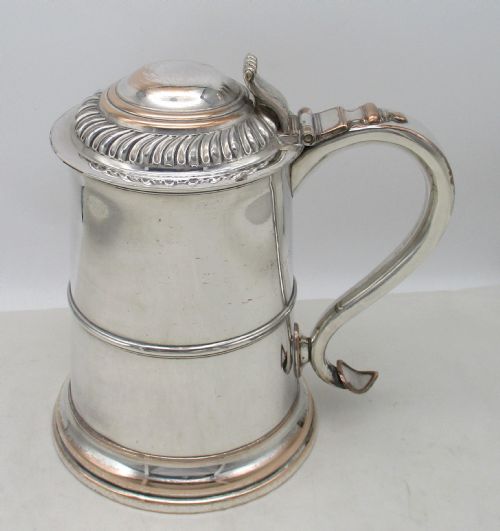
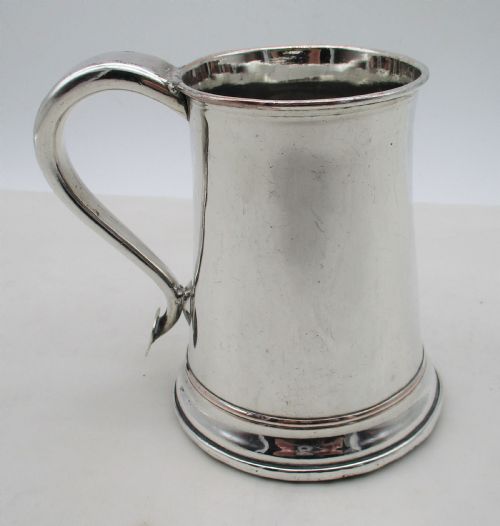
The most common forms on this page are sturdy silver and Old Sheffield plated tankards alongside coloured glass wine glasses. Tankards dominate the selection, appearing in heavy sterling silver, copper-cored plate, pewter and creamware.
Origins stretch from London and provincial English workshops to Chinese export porcelain production. Pieces date across the seventeen-hundreds, capturing changes in dining habits and tavern culture.
Materials and construction
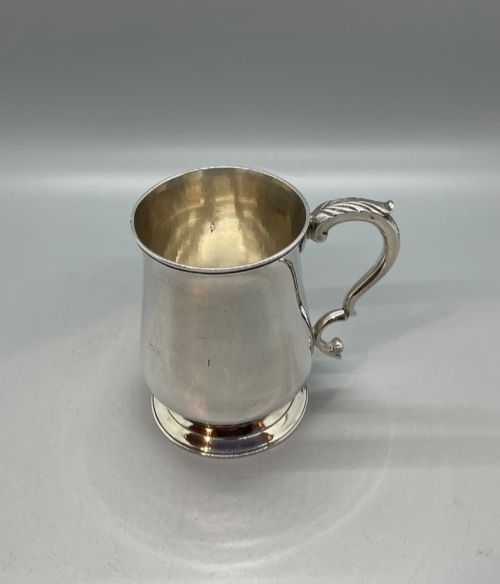
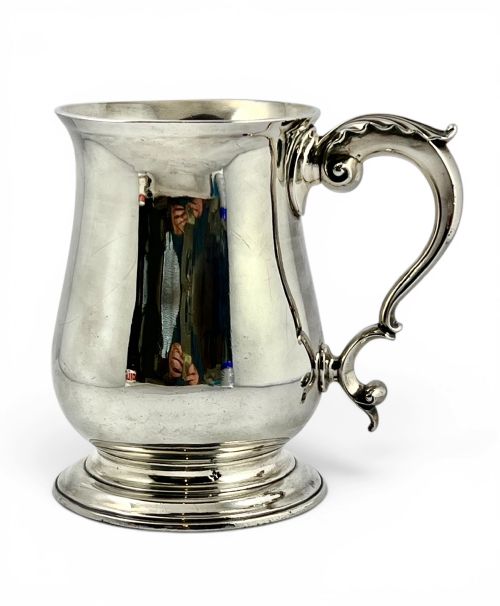
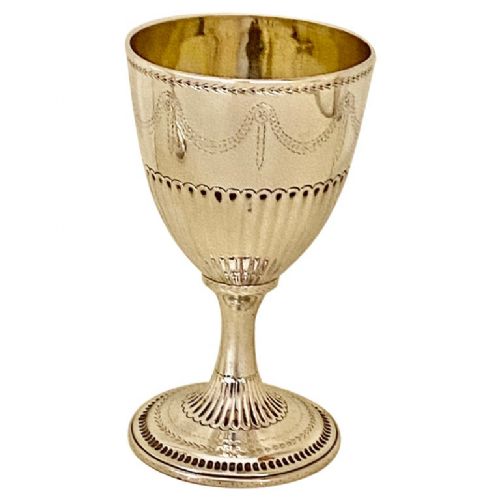
Silversmiths hammered sterling silver into solid tankards and mugs, often hallmarking London or Newcastle origins. Old Sheffield plate fused silver over copper sheets, creating accessible alternatives to solid metal vessels.
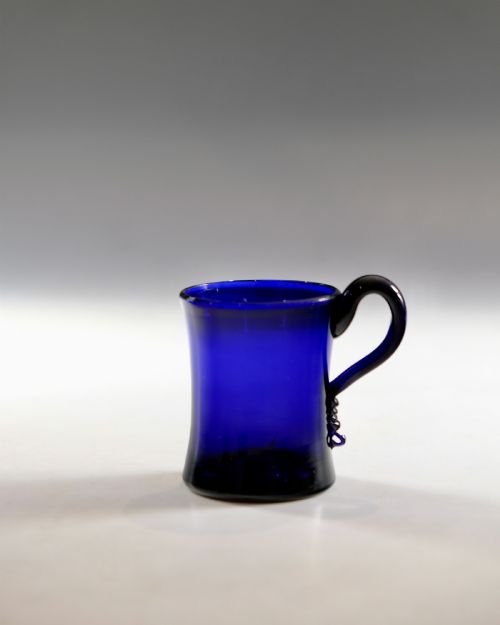
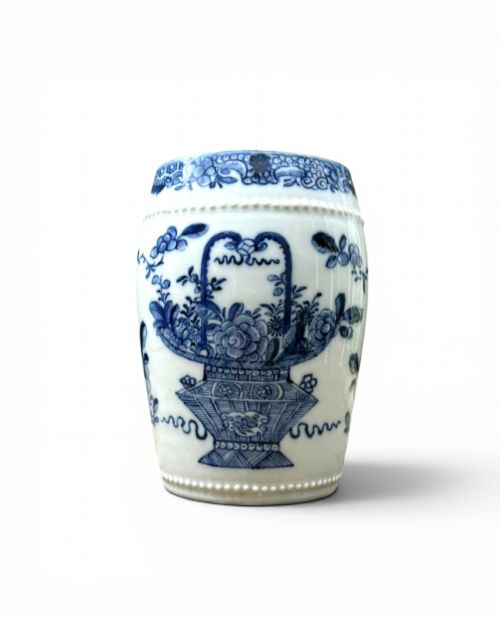
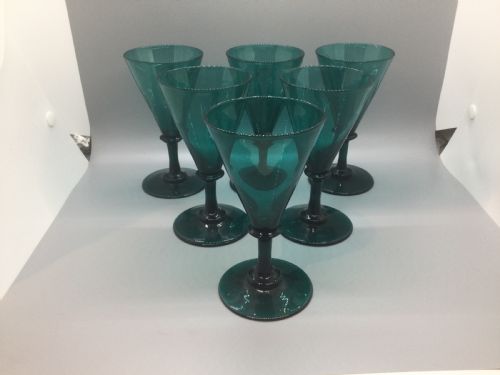
Glassmakers blew lead glass and coloured cobalt or Bristol green glass to form wine glasses and goblets. Potters shaped creamware and Chinese export porcelain into barrel-shaped mugs with painted underglaze details.
Quart tankards prove that eighteenth-century thirst required serious lifting.
Gradations in quality
Weight and metal gauge separate substantial solid silver tankards from lighter plated items or thin pewter. Crispness in hallmark stamps and clean solder joints indicate skilled silversmithing.
Glass quality rests on clarity, bubble distribution and the depth of the coloured tint in Bristol green or cobalt vessels. Porcelain standards depend on the fineness of the paste and the precision of underglaze painting.
William Grundy·Richard Morton
The 18th Century Drinkware Glossary
- Old Sheffield Plate
- A composite material made by fusing a thin sheet of silver onto a thicker copper base. This technique preceded modern electroplating.
- Creamware
- A refined earthenware developed in England during the eighteenth century, known for its warm pale yellow glaze.
- Hallmark
- An official stamp applied to precious metals in Britain to guarantee purity and origin.
- Lead glass
- Glass containing lead oxide, which increases brilliance and weight while making the material softer for cutting.
18th Century Drinkware: Frequently Asked Questions
What is Old Sheffield plate?
Old Sheffield plate involves fusing silver to a copper core before shaping the vessel. This technique created durable items that mimic solid silver.
Craftsmen used this method extensively before the invention of electroplating in the nineteenth century.
How do I care for silver drinkware?
Wash silver pieces gently in warm soapy water and dry them immediately with a soft cloth. Avoid abrasive cleaners that wear down the metal surface.
Store items away from humid environments to minimise tarnish formation over time.
Were these tankards used daily?
Many tankards and mugs saw regular service in homes and taverns for ale and beer. Heavier vessels handled high-volume use.
Export porcelain and fine glass items often belonged to wealthier households for formal dining.
How do I identify a Georgian hallmark?
British silver bears stamped symbols indicating the maker, assay office city, and a date letter. These marks verify the period of manufacture.
London and Newcastle offices stamped many of the silver items found here.