





18th Century Drinking Vessel
An 18th century drinking vessel brings the tactile weight of Georgian tavern life, silver chamber, and parlor directly to the modern table.
18th Century Drinking Vessel
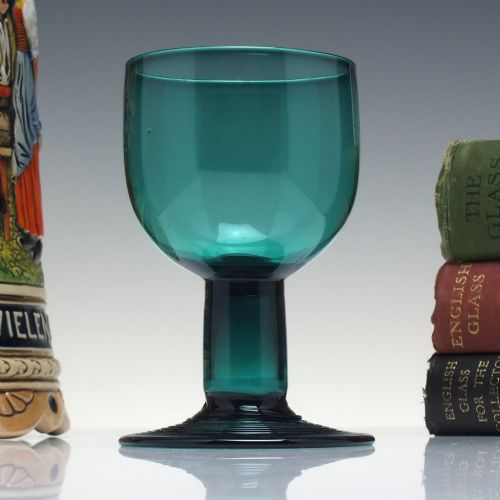
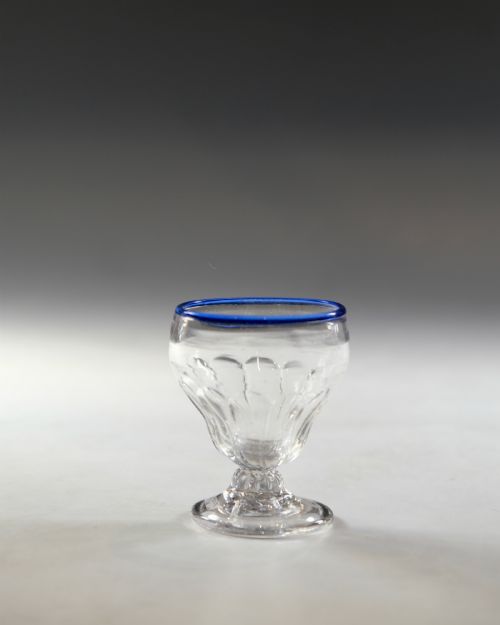
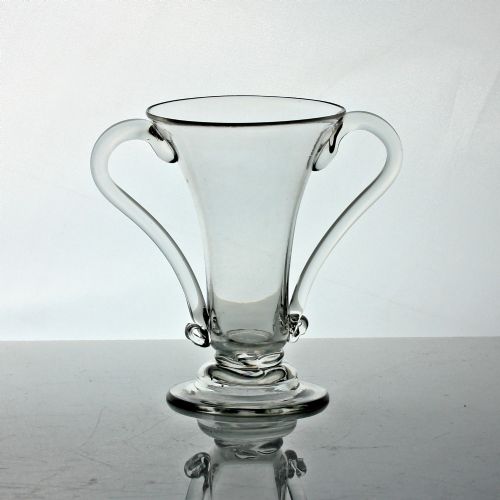
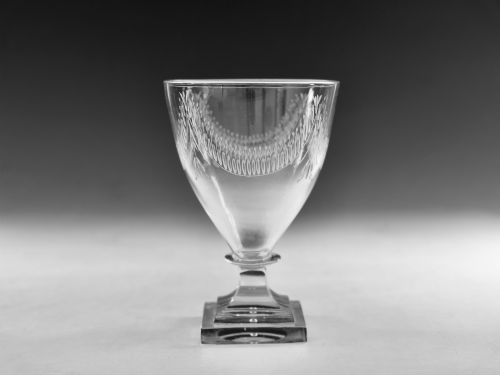
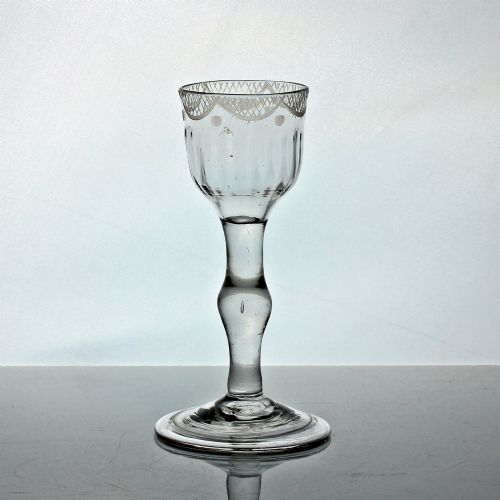
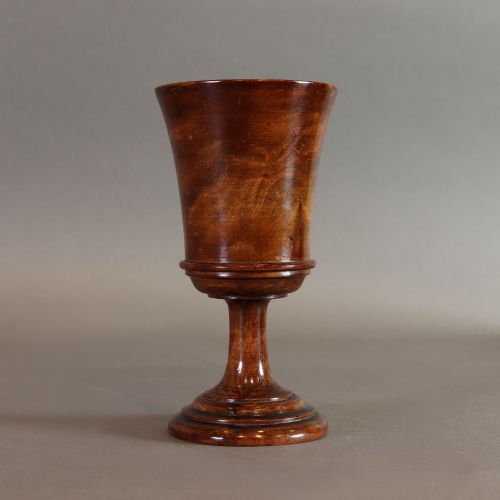
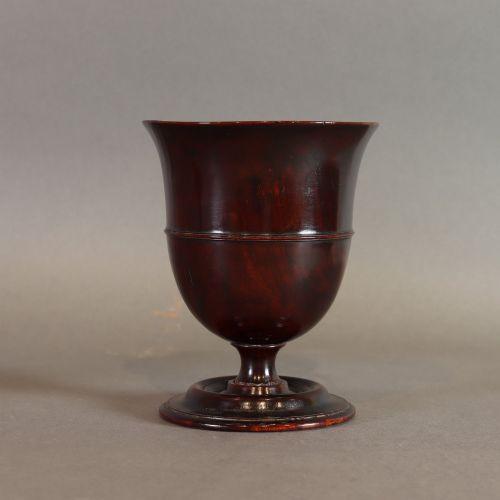
An 18th century drinking vessel encompasses glassware, tankards, wine glasses, goblets, and mugs shaped across Georgian workshops and continental kilns. A buyer encountering these pieces on this page meets lead glass stems, silver tankards, pewter beakers, and porcelain mugs.
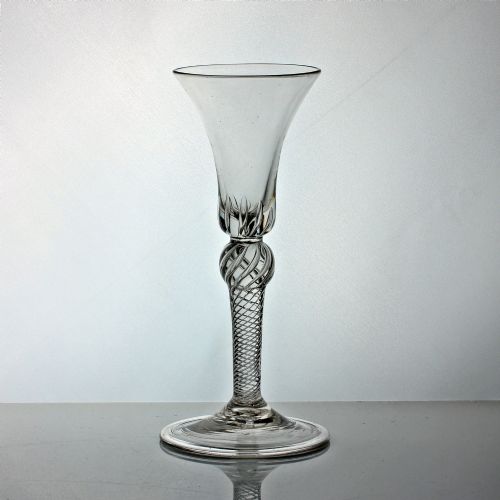
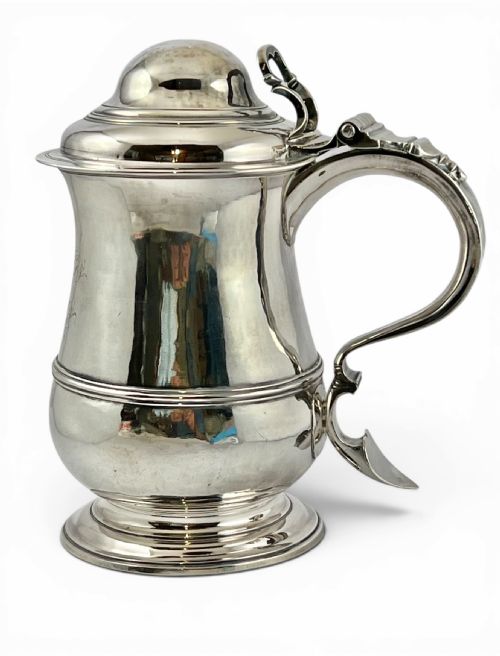
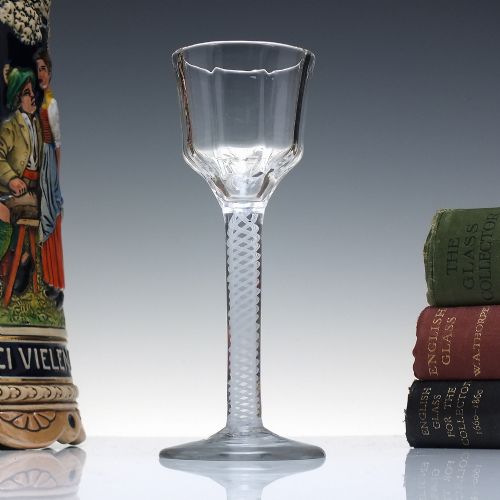
Wine glasses dominate the selection, appearing with air twists, opaque twists, plain stems, and balustroid supports. Alongside them sit ale glasses, dram glasses, jelly glasses, bonnet glasses, and heavy lidded tankards in silver, pewter, and ceramic.
Markers of Distinction
The standard of an 18th century drinking vessel rests on the crispness of its manufacture, from the tight regularity of an opaque twist thread to the substantial gauge of a solid silver tankard wall. Heavy baluster stems and folded feet impart stability and evidence deliberate weight in the hand.
Engraved decoration dictates the upper tier, where swag and tail motifs, armorials, or flammiform patterns display sure-handed wheel cutting rather than faint surface scratching. Maker marks on silver and pewter components provide documentary weight that elevates specific examples.
Object forms span wine glasses, ale glasses, dram glasses, rummers, tankards, mugs, and bonnet glasses.
John Payne·Duesbury and Kean
The 18th Century Drinking Vessel Glossary
- Baluster stem
- A heavy, swelling glass stem shape derived from architectural balusters. It gives early glasses a weighty, substantial feel in the hand.
- Opaque twist
- A stem containing internal threads of white or coloured enamel glass drawn into spiral formations. It characterises mid Georgian drinking glasses.
- Folded foot
- A glass foot edge turned underneath during blowing to form a protective rim. This technique strengthens the base against chipping.
- Tankard
- A large, cylindrical drinking vessel with a single handle, frequently fitted with a hinged lid. They appear in silver, pewter, and ceramic.
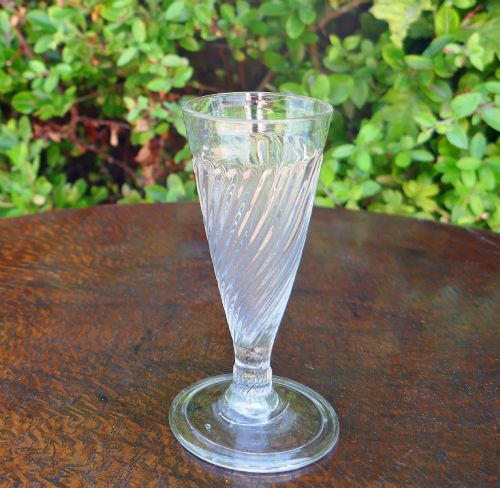
- Wrythen
- A decorative spiral moulding pattern twisted into the body of glassware. It creates subtle ridges that catch candle and daylight.
18th Century Drinking Vessel: Frequently Asked Questions
How do I date an 18th century wine glass?
Dating relies on combining stem construction, bowl shape, and foot formation, such as distinguishing heavy balusters from later facet-cut stems.
Changes in glass chemistry and manufacturing techniques across the Georgian period further refine the decade of production.
Were these silver tankards used for ale or wine?
Heavy silver and pewter tankards served primarily for ale, beer, and cider in domestic and tavern environments.
Their robust metal construction and hinged lids kept contents covered during communal drinking.
Can I use these antique glasses for wine today?
Many collectors prefer to display fragile lead glass and delicate twist stems rather than risk daily use.
Sturdier rummers and plain stem goblets tolerate careful handling, though hand washing without thermal shock remains essential.
What is the difference between an air twist and an opaque twist?
An air twist traps elongated bubbles inside the glass stem, pulled into delicate spiral threads during the drawing process.
An opaque twist introduces actual rods of white or coloured enamel glass into the molten gather before twisting.